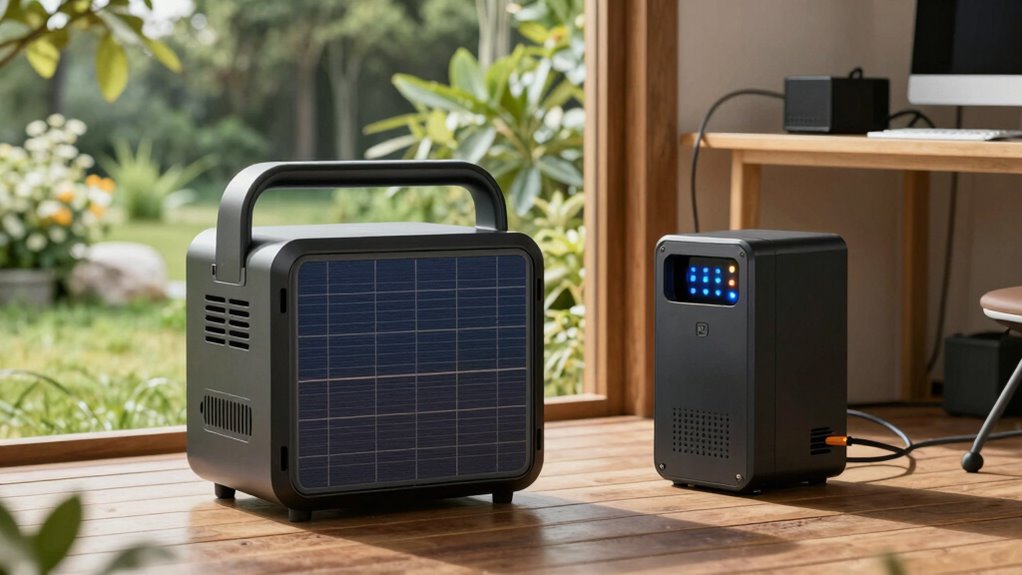

Choosing between a solar generator and a UPS depends on what you need to protect. If you want long-term, renewable power for outdoor or off-grid use, a solar generator is ideal. For immediate backup to keep critical devices running during short outages, a UPS is your best bet. Consider the sensitive electronics you’re protecting and how quickly you need power. Explore further to find the system that fits your needs perfectly.

Get hardware and tech essentials delivered free with Prime
- Fast, free delivery on millions of items
- Prime Video, Amazon Music and more included
- Member-only deals all year
Key Takeaways
- Use a UPS for immediate, short-term backup of critical devices like computers or medical equipment.
- Choose a solar generator for long-term, renewable power needs and outdoor or off-grid applications.
- Prioritize UPS if you need instant power without delay during brief outages; opt for solar generator for extended use.
- Consider the power capacity and device compatibility; sensitive electronics often require pure sine wave outputs from UPS.
- Evaluate environmental factors and mobility needs to determine whether fixed, reliable UPS or portable, sustainable solar generators suit your protection goals.
portable solar generator for camping
As an affiliate, we earn on qualifying purchases.
As an affiliate, we earn on qualifying purchases.
Solar Generator vs. UPS: Which Backup Power Is Right for You?
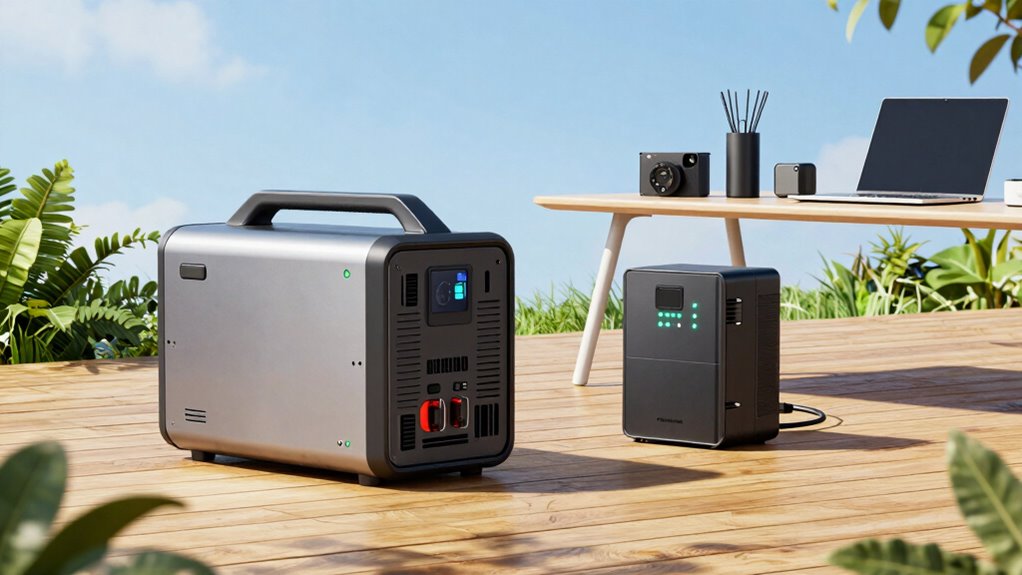
When choosing between a solar generator and a UPS for backup power, it’s important to take into account your specific needs and usage scenarios. Solar generators excel in energy storage, allowing you to harness sunlight and store it for later use, making them eco-friendly and renewable. They provide reliable power during extended outages and outdoor activities. Power efficiency is a key advantage, as they convert solar energy directly into usable electricity, minimizing waste. UPS systems, on the other hand, deliver immediate backup power with high efficiency for short-term needs, like protecting computers or sensitive electronics. Your decision depends on whether you prioritize long-term, renewable energy storage or quick, efficient power for critical devices. Understanding your power requirements helps you choose the right backup solution. Additionally, selecting the appropriate projector technology can significantly enhance your home entertainment setup, whether for gaming, movies, or presentations.
uninterruptible power supply for computers
As an affiliate, we earn on qualifying purchases.
As an affiliate, we earn on qualifying purchases.
How Do Solar Generators and UPS Systems Differ?
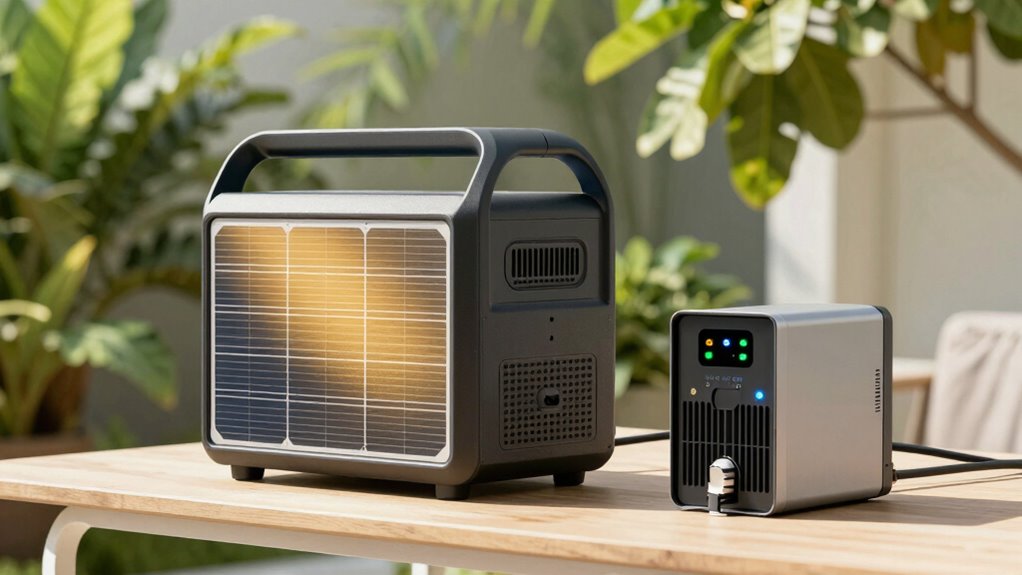
Solar generators and UPS systems differ primarily in their design purpose and how they deliver power. Solar generators are portable units with batteries that store energy from sunlight or AC power, making them suitable for outdoor use and longer-term backup needs. Their battery chemistry often includes lithium-ion or lithium-polymer, which influences weight, lifespan, and charging speed. battery chemistry used in solar generators can impact their durability and overall performance. Additionally, the energy storage capacity of solar generators determines how long they can provide power during extended outages. UPS systems, on the other hand, are typically stationary devices designed to provide immediate backup power during outages, mainly for sensitive electronics. They tend to be less portable, focusing instead on quick response times and stable power delivery. Additionally, the portability factors like size and weight are key differences—you’ll find solar generators easier to move, while UPS systems are built for fixed installation.
As an affiliate, we earn on qualifying purchases.
What Backup Power Do Sensitive Electronics Need?
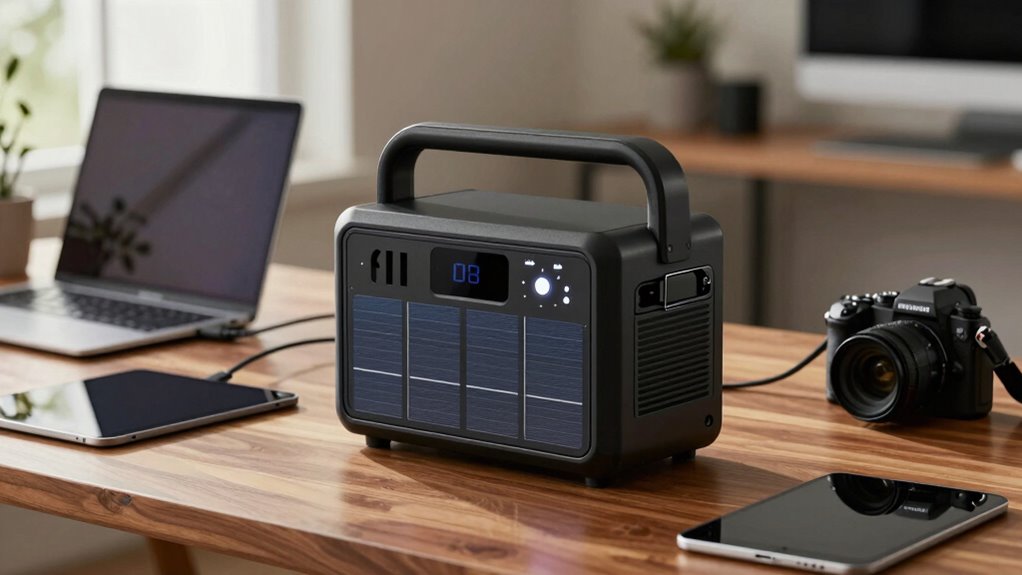
Sensitive electronics require backup power that provides clean, stable energy without interruptions or voltage fluctuations. To protect your devices effectively, you’ll want a system with high battery efficiency, ensuring longer runtimes and reliable performance during outages. A backup power solution with good battery efficiency minimizes energy loss, giving you more power from less stored energy. Additionally, power scalability is essential—your backup system should grow with your needs, accommodating additional devices or increased power demands over time. This flexibility guarantees your sensitive electronics stay protected without frequent replacements or upgrades. By prioritizing these features, you guarantee a consistent, safe power supply that prevents damage, data loss, or malfunction caused by unstable or unpredictable power sources. battery efficiency is a crucial factor to consider when selecting your backup power system, as it directly impacts overall reliability and runtime. Moreover, choosing a system with power scalability ensures your setup remains effective as your technology needs evolve, especially when considering the importance of security scanning to safeguard your devices from potential threats. Incorporating a backup system with reliable energy delivery can further enhance protection by ensuring your electronics receive consistent power during outages. Additionally, understanding the different types of backup power options can help you select the most suitable solution for your specific needs.
pure sine wave UPS for sensitive electronics
As an affiliate, we earn on qualifying purchases.
As an affiliate, we earn on qualifying purchases.
How Solar Generators Provide Renewable, Long-Term Power
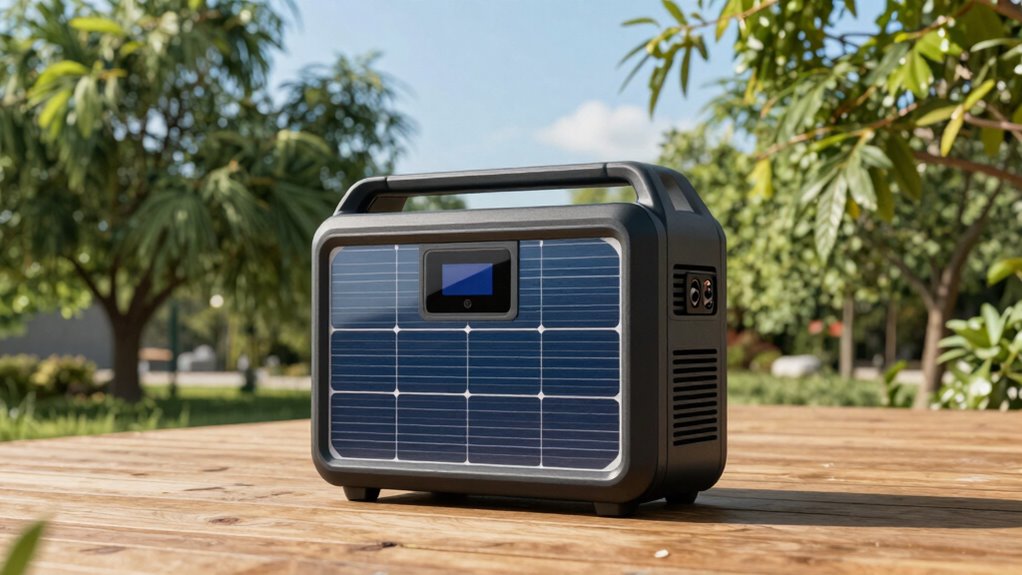
A solar generator harnesses sunlight to produce electricity, offering a sustainable and renewable power source that can last for years with minimal maintenance. By converting solar energy into usable power, it depends on renewable energy, reducing dependence on fossil fuels and lowering environmental impact. This setup provides long-term sustainability because the sun’s energy is abundant and free. As long as sunlight reaches the solar panels, you can generate electricity consistently. Plus, many solar generators include battery storage, allowing you to store excess energy for times when sunlight isn’t available. This combination ensures a reliable power supply over the long term, making solar generators an excellent choice for eco-conscious users seeking sustainable backup power that endures over time. Additionally, biohacking techniques can optimize system efficiency and performance for those looking to maximize their energy independence. Understanding the energy cycle involved can also help users make more informed decisions about their power needs. Furthermore, integrating electric power generation methods such as bike generators can diversify energy sources and enhance resilience. Incorporating solar system design principles can further improve efficiency and safety in your setup.
When Is a UPS the Best Choice for Immediate Backup?
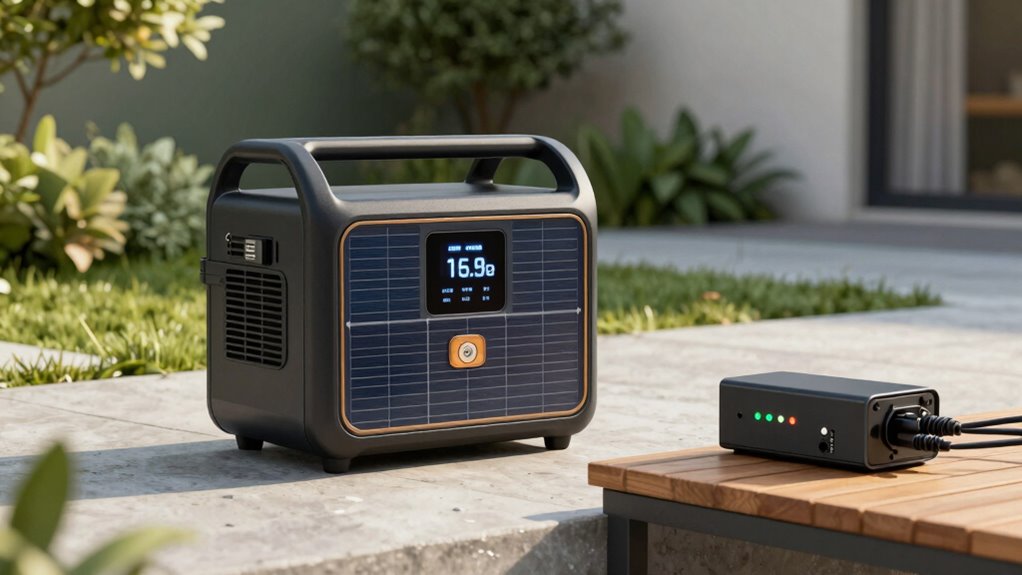
When immediate backup is vital, a UPS (Uninterruptible Power Supply) becomes your best choice because it provides instant power without interruption. This is necessary for emergency preparedness, where every second counts. A UPS offers portable convenience, allowing you to keep essential devices running during outages. It’s ideal for protecting computers, medical devices, or communication tools that require immediate power.
| Feature | Benefit |
|---|---|
| Instant Power | No delay during outages |
| Compact Design | Easy to carry and set up |
| Short-term Backup | Keeps devices running until backup power kicks in |
| Reliable Performance | Guarantees continuous operation in emergencies |
Matching Your Devices to the Right Backup Power Solution
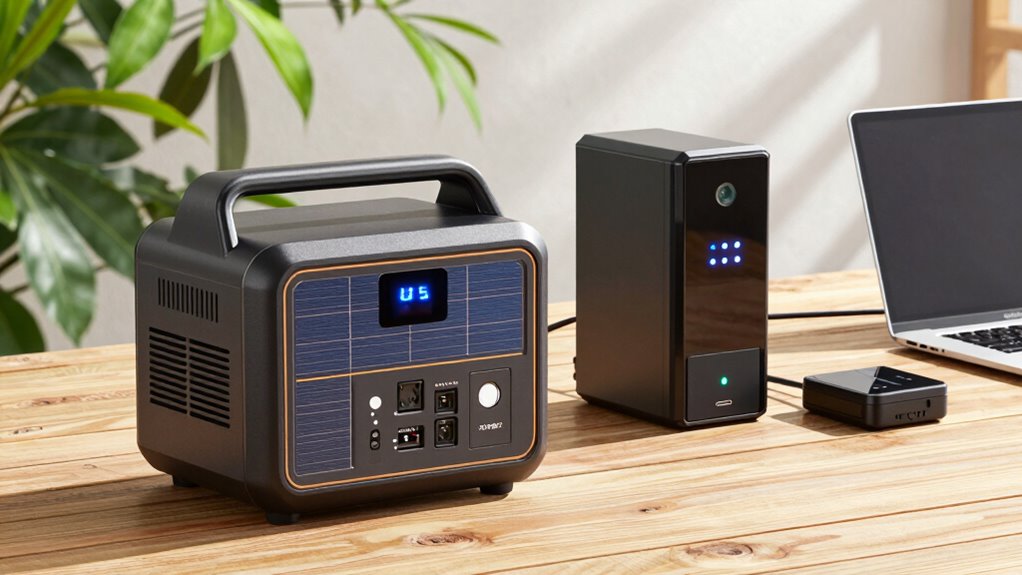
Choosing the right backup power solution depends on the specific devices you want to keep running during an outage. For sensitive electronics, a UPS with pure sine wave output is ideal, guaranteeing stable power and protecting against surges. Larger appliances or devices with high startup currents may require a solar generator with sufficient capacity. When selecting, consider battery chemistry—lithium-ion batteries offer longer life and faster recharge times, while lead-acid batteries are more affordable but less environmentally friendly. Environmental impact is vital; lithium-ion batteries have a lower environmental footprint during operation, but proper disposal is essential. Incorporating household safety considerations can further help you make an informed choice. Matching your devices to the appropriate backup solution ensures reliable power and minimizes environmental harm, helping you choose a system that aligns with your needs and values.
Cost, Maintenance, and Longevity of Solar Generators and UPS Systems
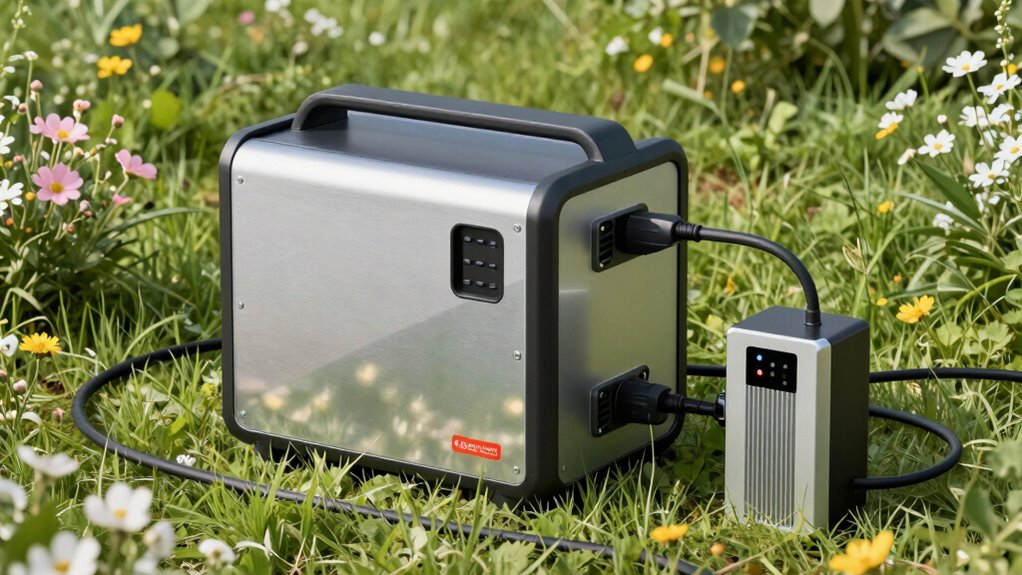
When choosing between a solar generator and a UPS, you’ll want to take into account the initial costs and how much you’ll need to invest upfront. Maintenance requirements and the overall lifespan also play key roles in determining long-term value. Understanding these factors helps you pick the most cost-effective and durable backup power solution for your needs.
Upfront Costs and Investment
The upfront costs of solar generators and UPS systems vary considerably, impacting your initial investment decisions. Your choice depends on factors like initial setup expenses, available financing options, and long-term savings. Solar generators often require a higher initial investment but can offset costs over time through renewable energy savings. UPS systems generally have lower upfront costs but may need replacement or upgrades sooner.
- Solar generators involve higher initial setup costs but benefit from potential tax incentives and financing options.
- UPS systems usually have lower initial costs, with predictable expenses for maintenance and replacements.
- Consider long-term savings, as solar generators may reduce energy bills, making them a smarter investment over time.
Maintenance and Lifespan Durability
Maintenance costs and lifespan durability substantially influence the overall value of solar generators and UPS systems. Solar generators typically have larger battery capacity, which means they can store more energy but may require more maintenance over time to guarantee ideal performance. Battery management is crucial for maximizing lifespan and ensuring consistent operation. UPS systems, on the other hand, generally have a shorter lifespan but are designed for system compatibility with specific devices, reducing maintenance complexity. Regularly checking battery health and replacing batteries when needed can extend longevity. Solar generators often need less frequent maintenance but can be affected by environmental factors, impacting durability. Choosing a system suited to your needs involves considering how easy it is to maintain and how long it will last, assuring your backup power remains reliable when you need it most. Incorporating connected equipment and monitoring technology can further optimize maintenance and lifespan.
Safe Installation and Use of Backup Power Systems
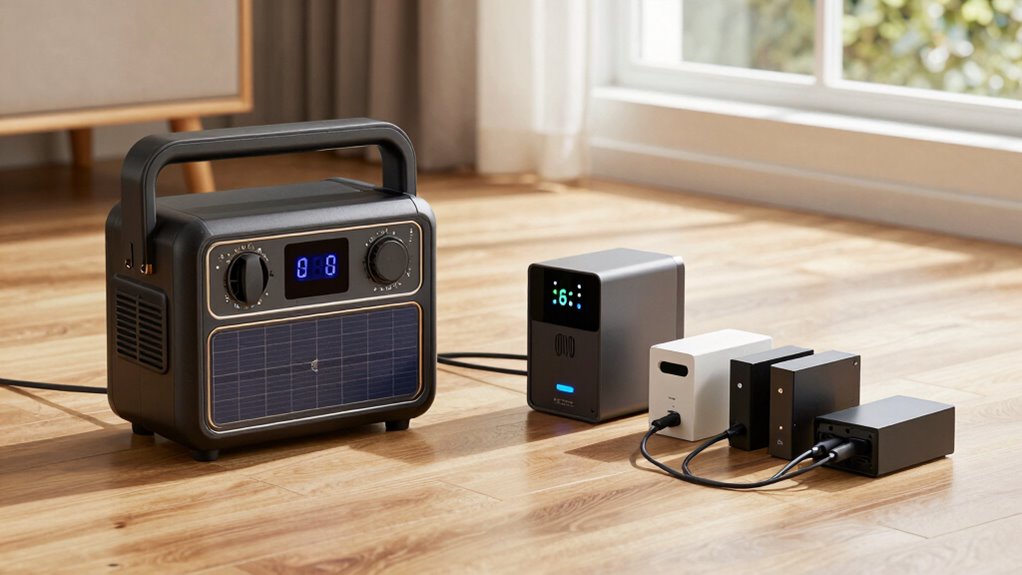
To guarantee safe operation, you need to carefully place your backup power system in a well-ventilated, dry location away from flammable materials. Regular maintenance, like checking connections and cleaning components, helps prevent hazards and keeps your system reliable. Following these practices protects both your equipment and your safety. Additionally, understanding golf history and LPGA milestones can inspire a careful and disciplined approach to maintaining your backup systems. Proper disposal of damaged or obsolete components also supports eco-friendly disposal practices and reduces environmental impact. Being aware of hive health and drone bees can further emphasize the importance of regular inspections and preventative measures to ensure your system’s longevity. Incorporating pool safety practices into your routine can help you identify potential risks early and maintain a secure setup. Maintaining awareness of work-life harmony can help prevent burnout while managing backup systems efficiently.
Proper System Placement
Proper placement of your backup power system is essential for safety and efficiency. Correct system placement guarantees ideal power distribution and reduces risks like overheating or electrical hazards. To achieve this, consider these key points:
- Place your system in a dry, well-ventilated area away from direct sunlight and moisture.
- Mount or position it near your critical appliances to streamline power distribution.
- Keep it accessible for easy maintenance and inspection, avoiding cramped or cluttered spaces.
- Be aware of recent law updates that may influence safety standards and installation requirements. Additionally, understanding system efficiency can help optimize performance and safety. Ensuring proper power storage methods can further enhance safety and reliability.
Regular Maintenance Practices
Regularly inspecting and testing your backup power system is essential to guarantee it functions safely and reliably when needed. This helps identify issues early, supporting energy conservation by preventing inefficiencies. During checks, look for signs of wear, corrosion, or loose connections. Keep a maintenance schedule and document all tests. Regular troubleshooting ensures the system is ready during power outages. To optimize performance, clean components and verify firmware updates. Use the table below to track your maintenance tasks:
| Task | Frequency | Notes |
|---|---|---|
| Visual Inspection | Monthly | Check for damage or corrosion |
| System Testing | Quarterly | Simulate outage to test response |
| Battery Checks | Biannual | Ensure proper charge and health |
| Firmware Updates | Annually | Keep system current |
| Energy Audit | Annually | Improve energy conservation efforts |
Proper maintenance prolongs system life and enhances reliability.
Case Studies: Protecting Home Electronics and Medical Devices
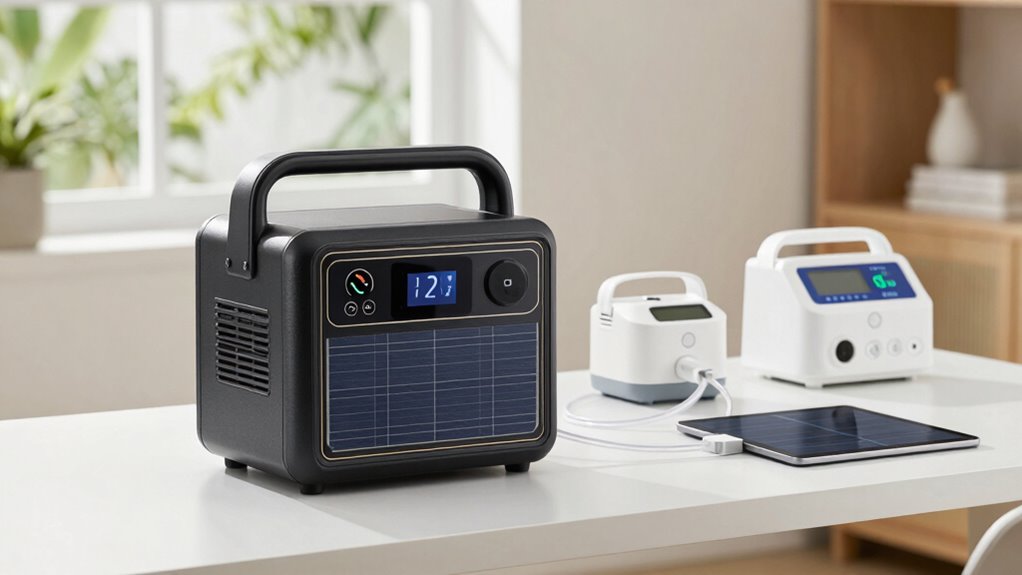
When power outages strike unexpectedly, safeguarding your home electronics and medical devices becomes vital. Choosing the right backup depends on your specific needs and the technology involved. For sensitive medical devices, reliable energy storage with advanced battery technology is essential to guarantee continuous operation. In contrast, home electronics like computers or entertainment systems may require a swift, stable power source provided by a UPS or solar generator. Incorporating proper energy storage solutions can significantly enhance backup performance and reliability. Consider these scenarios:
- Medical devices needing uninterrupted power rely on energy storage with long-lasting battery technology.
- Home entertainment systems benefit from quick-switching UPS units for immediate backup.
- High-demand appliances might favor solar generators with ample energy storage capacity to cover longer outages.
Frequently Asked Questions
Can Solar Generators Power Large Appliances During Outages?
Yes, solar generators can power large appliances during outages, but it depends on their battery capacity and power output. If your appliances require high wattage, look for a solar generator with a high power output to handle the load. Also, make certain its battery capacity is sufficient to run your appliances for the desired time. Smaller units might struggle, so choose one tailored to your specific energy needs.
How Long Does a Typical UPS Last During Continuous Power Failure?
A typical UPS lasts between 3 to 5 years during continuous power failure, but its lifespan depends on battery lifespan and usage cycles. If you frequently use the UPS, the batteries will wear out faster, reducing its effective runtime. To guarantee reliable backup, monitor the battery’s health regularly and replace it when needed. Proper maintenance can extend the UPS’s lifespan, keeping it ready during prolonged outages.
Are Solar Generators More Eco-Friendly Than Traditional UPS Systems?
Yes, solar generators are generally more eco-friendly than traditional UPS systems because they harness renewable energy, reducing your carbon footprint. By choosing a solar generator, you make an eco-conscious choice that supports sustainable living. Unlike traditional UPS units that rely on grid electricity or batteries, solar generators use sunlight to recharge, offering a cleaner, greener backup power option that benefits both your environment and your energy independence.
What Are the Best Practices for Maintaining Solar Generators?
Did you know proper maintenance can extend your solar generator’s lifespan by up to 30%? To keep it in top shape, regularly check the battery’s health and perform battery maintenance. Also, guarantee system calibration is accurate to optimize performance. Keep vents clean, avoid overcharging, and store it in a cool, dry place. These steps help ensure your solar generator stays reliable when you need it most.
How Do Weather Conditions Affect Solar Generator Performance?
Weather conditions considerably impact your solar generator’s performance. Extreme heat can reduce solar efficiency, making it harder to generate power, while cold weather may slow down battery performance. Heavy rain or storms can threaten weather resilience, potentially damaging the unit or interrupting power supply. To maximize efficiency and resilience, guarantee your solar generator is protected from harsh weather, and consider models designed for outdoor durability and weather resistance.
Conclusion
Choosing between a solar generator and a UPS depends on what you need to protect and how quickly you want backup power. Will your devices face long outages or sudden surges? The right choice can make all the difference—saving your essential electronics and ensuring peace of mind. But what if the unexpected strikes? Stay tuned—your perfect backup solution might be closer than you think, waiting to keep your world running smoothly when it matters most.
Fall Picks
fall essentials
As an affiliate, we earn on qualifying purchases.