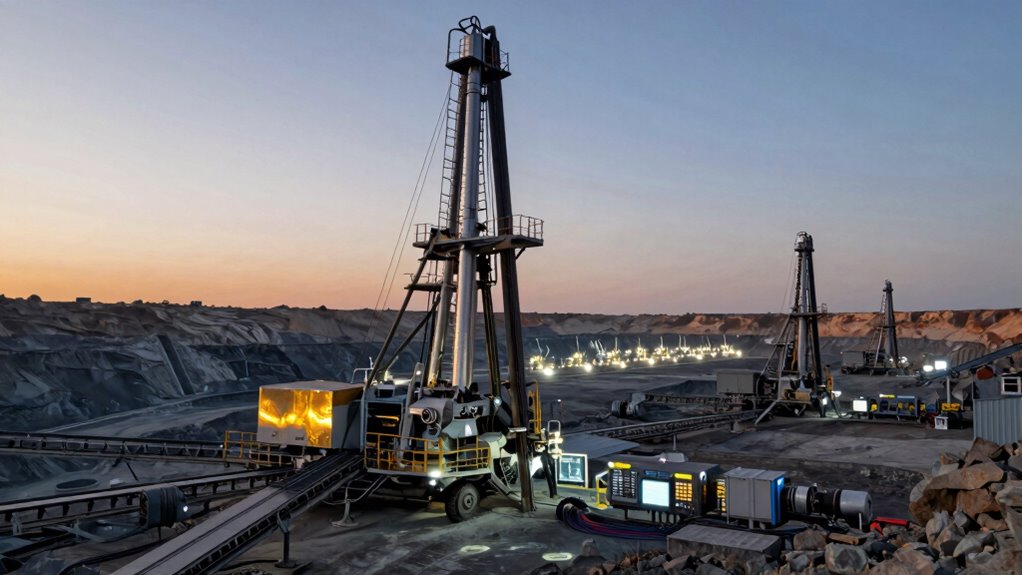
Mining mainly revolves around energy, hardware, and timing because these factors directly influence your profitability and environmental impact. Efficient hardware reduces energy use and boosts output, while timing strategies help you save on costs and adapt to market changes. Managing energy consumption, especially with renewable sources, is key to sustainable mining. By understanding how these elements work together, you can make smarter decisions that balance profit and responsibility—keep exploring to learn more about optimizing your mining approach.

Get hardware and tech essentials delivered free — and shop member deals
- Fast, free delivery on millions of items
- Access to Prime Big Deal Days deals on October 6–7
- Prime Video, Amazon Music and more included
Key Takeaways
- Mining requires significant energy, making electricity sources and consumption central to its environmental and economic impact.
- Hardware efficiency determines energy use and profitability, with advanced equipment reducing environmental footprint.
- Timing strategies optimize energy costs and mining output, especially during off-peak hours or market fluctuations.
- Industry trends focus on renewable energy and hardware improvements to balance profitability with sustainability.
- Sustainable mining depends on integrating energy management, hardware innovation, and strategic timing.
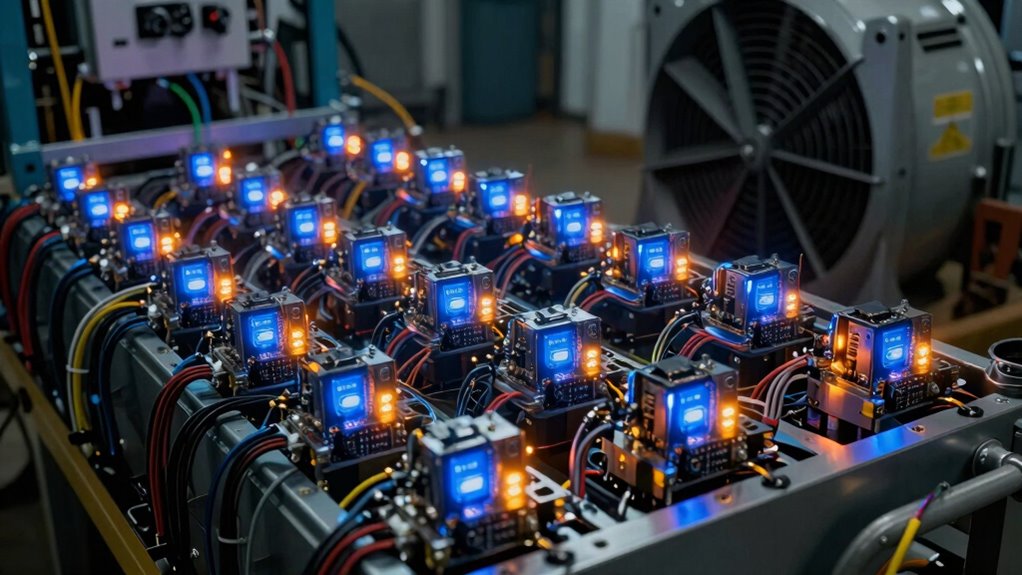
Mining cryptocurrency requires a careful balance of energy consumption, hardware efficiency, and timing strategies. As you explore this world, you quickly realize that each decision you make impacts not just your profitability but also the environment and the broader economy. The environmental impact of mining is significant because it demands vast amounts of electricity. Large-scale mining farms often rely on fossil fuels, which contribute to carbon emissions and climate change. You might think about ways to offset this, but the truth is that reducing energy use or shifting to renewable sources can be costly and complex. Still, many miners are motivated by economic incentives—lower electricity costs, better hardware, and faster timing strategies can make or break your profitability.
Your choice of hardware plays an essential role. Efficient miners, like those with high hash rates and lower power consumption, help you minimize environmental impact while maximizing output. Investing in the latest technology might seem expensive upfront, but it’s often justified by the increased earning potential and reduced energy costs. Timing strategies are equally critical; the cryptocurrency market is volatile, and the difficulty of mining adjusts periodically. You need to stay alert and adapt quickly to these changes. When the difficulty rises, your hardware needs to work harder, consuming more energy. If you time your operations correctly—perhaps by mining during off-peak hours or using predictive algorithms—you can take advantage of lower energy rates and maximize your profits.
The economic incentives for mining go beyond just earning cryptocurrencies. They influence how much energy you consume and how you optimize your hardware. If electricity is cheap, you’re more likely to expand operations, which amplifies environmental concerns. Conversely, if renewable energy becomes cheaper and more accessible, it could revolutionize the industry, reducing its carbon footprint while maintaining profitability. You also face strategic decisions about timing—whether to mine continuously or pause during high-cost periods. These choices directly impact your bottom line and the overall environmental footprint of your mining operation. Recognizing the potential for renewable energy integration can help miners develop more sustainable and profitable practices.
In essence, mining is a story about energy, hardware, and timing because these factors intertwine to shape your success and its consequences. You’re constantly balancing economic incentives against environmental considerations, trying to maximize gains while minimizing harm. Implementing energy-efficient hardware and adopting smarter timing strategies are crucial steps toward sustainable mining practices. Whether you’re a hobbyist or a large-scale operator, understanding this balance helps you make smarter decisions—decisions that influence not just your wallet but also the planet. Recognizing the importance of energy sources can guide you toward more sustainable practices in the industry. The future of mining hinges on optimizing these elements, making it a compelling story of innovation, responsibility, and strategic planning.
Frequently Asked Questions
How Do Regional Energy Sources Impact Mining Profitability?
Regional energy sources greatly impact your mining profitability through renewable integration and energy pricing. If your area has abundant renewable energy, you benefit from lower, more stable costs, boosting profits. Conversely, regions with high energy prices or unreliable supply can eat into your earnings. Understanding local energy dynamics helps you optimize mining operations, reduce costs, and maximize returns, especially when leveraging renewable sources and managing energy pricing fluctuations effectively.
What Are the Environmental Implications of Mining Hardware Production?
Imagine a double-edged sword: mining hardware production benefits you but leaves an environmental impact. You should know that manufacturing hardware consumes significant energy and raw materials, affecting ecosystems and contributing to pollution. The hardware lifecycle, from creation to disposal, can generate e-waste and toxic waste. By understanding this, you can advocate for greener alternatives, recycling, and responsible manufacturing practices, helping reduce mining’s environmental footprint.
How Does Network Difficulty Influence Mining Strategies Over Time?
Network difficulty directly impacts your mining strategies by influencing how often you can earn block rewards. As difficulty increases, you might join mining pools to share resources and stabilize your income, especially during fluctuations. Conversely, lower difficulty may encourage solo mining to maximize rewards. Over time, adjusting your hardware and timing your operations based on difficulty trends helps optimize profitability and manage energy costs effectively.
What Role Do Government Policies Play in Mining Operations?
You might think government policies don’t matter much, but they considerably shape your mining operations. Regulatory hurdles can delay or increase costs, forcing you to adapt quickly. Conversely, tax incentives can boost profitability and encourage investment. Staying informed about policy changes helps you optimize your hardware, energy use, and timing, ensuring your mining efforts remain sustainable and competitive despite evolving regulations.
How Does Hardware Innovation Affect Long-Term Mining Sustainability?
Hardware innovation boosts long-term mining sustainability by improving hardware durability, allowing your mining equipment to last longer and perform efficiently over time. It also helps you stay ahead of technological obsolescence, ensuring your hardware remains competitive and energy-efficient. As new, advanced hardware emerges, adopting innovative solutions minimizes downtime and reduces costs, making your mining operations more sustainable and adaptable to future technological changes.
Conclusion
You now see that mining isn’t just about solving puzzles; it’s a delicate dance of energy, hardware, and timing. Did you know that Bitcoin’s annual energy consumption rivals that of some small countries? This highlights how vital efficient hardware and precise timing are for success. As technology advances, your role in understanding these factors becomes even more important. Stay curious and keep exploring—mining’s real story is all about optimizing energy use and hardware performance.
Fall Picks
fall essentials
As an affiliate, we earn on qualifying purchases.