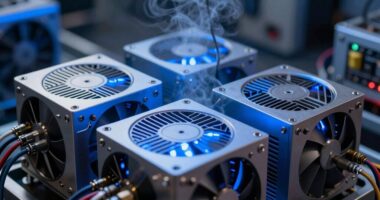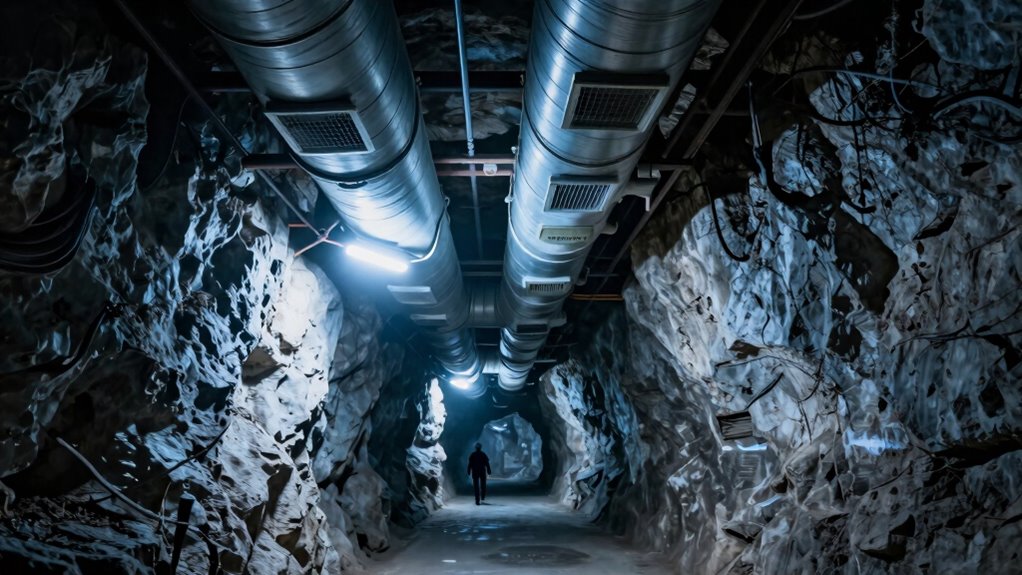

The most vital ventilation rule to prevent mining regret is to always maintain proper airflow and avoid blocking vents or ducts. You should monitor airflow levels regularly and make certain fresh air circulates evenly throughout the mine. Proper placement of fans and exhaust points is essential for safety. By following this rule, you reduce the risk of hazardous gas buildup and health issues. Keep this in mind, and you’ll be better prepared to manage ventilation effectively and avoid costly mistakes.

Get hardware and tech essentials delivered free with Prime
- Fast, free delivery on millions of items
- Prime Video, Amazon Music and more included
- Member-only deals all year
Key Takeaways
- Maintain continuous and balanced airflow to prevent hazardous gas buildup and ensure oxygen levels.
- Properly place and operate fans and ducts to promote uniform ventilation throughout the mine.
- Regularly monitor airflow levels with real-time technology to identify and address low airflow areas promptly.
- Train workers to recognize airflow issues and avoid actions that block vents or disrupt airflow paths.
- Conduct routine maintenance on ventilation equipment to ensure consistent system performance and safety.
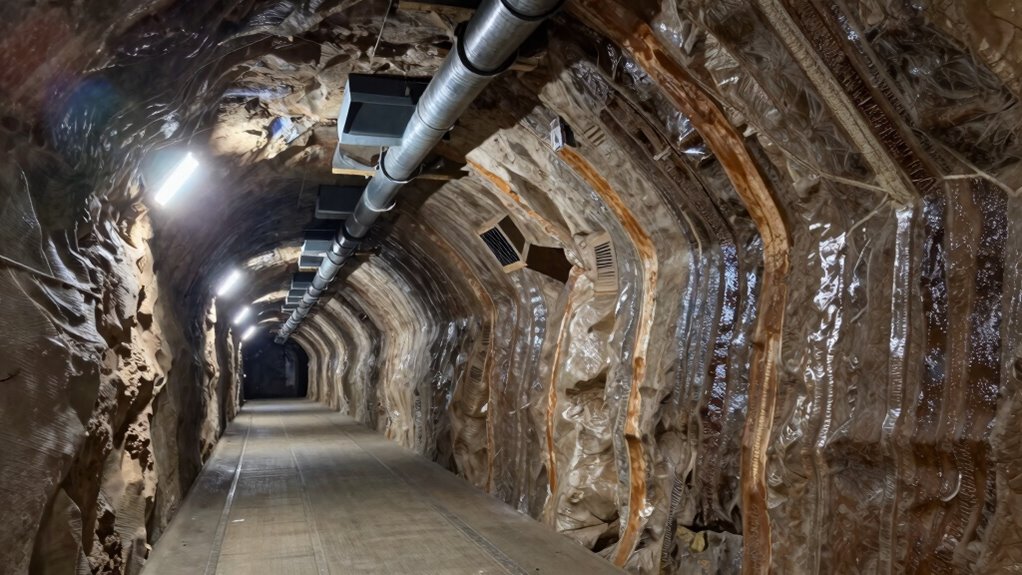
Proper ventilation is essential for maintaining safety and air quality in mining operations. Without it, hazardous gases can accumulate, oxygen levels might drop, and miners could face serious health risks. To prevent these dangers, implementing a clear ventilation rule becomes vital. This rule should prioritize airflow efficiency and uphold ventilation safety at all times. When airflow is optimized, fresh air circulates effectively through the mine, ensuring that harmful contaminants are swiftly removed and breathable air remains consistently available. Poor airflow efficiency can lead to pockets of stale, polluted air, increasing the chances of accidents, health issues, and even fatalities.
You need to understand that ventilation safety isn’t just about moving air; it’s about controlling its direction, volume, and speed to protect everyone underground. When designing your ventilation system, guarantee that fans, ducts, and exhaust points are correctly placed to promote uniform airflow. This prevents dead zones where air stagnates, which are breeding ground for dangerous gases like methane or carbon monoxide. Regularly monitoring airflow patterns is key—if you notice areas with low airflow, you must take immediate action to adjust or add ventilation. This proactive approach minimizes the risk of gas build-up and maintains a safe working environment.
Another critical aspect of this ventilation rule involves establishing clear procedures for routine checks and maintenance. Fans and ductwork need to be inspected regularly to ensure they’re functioning at peak efficiency. Dirty or damaged equipment can drastically reduce airflow efficiency, compromising ventilation safety. When maintenance is neglected, the entire ventilation system can become ineffective, putting miners at risk. Implementing real-time monitoring technology helps you keep tabs on airflow levels and quickly identify irregularities, enabling swift responses before problems escalate. Additionally, training workers on ventilation system operation can significantly improve overall safety practices underground. Understanding the airflow dynamics can help workers recognize potential issues before they become critical, fostering a proactive safety culture. Recognizing ventilation performance metrics is also crucial for continuous improvement and safety compliance. Moreover, understanding the impact of airflow disruptions allows teams to better prepare and respond to unforeseen challenges.
You also need to educate your team about the importance of ventilation safety and the role they play in maintaining it. Workers should understand how their actions, like blocking vents or neglecting safety protocols, can disrupt airflow efficiency. When everyone is aware and committed, it’s easier to sustain a safe environment underground. Remember, a single oversight can lead to dangerous conditions, so enforce strict adherence to ventilation rules and procedures.
As an affiliate, we earn on qualifying purchases.
Frequently Asked Questions
How Does Poor Ventilation Impact Miner Safety?
Poor ventilation harms your safety by reducing air quality and increasing the risk of respiratory health issues. When ventilation is inadequate, dangerous gases like methane and dust accumulate, making it harder for you to breathe and risking suffocation or long-term respiratory problems. You might experience dizziness, fatigue, or even loss of consciousness. Ensuring proper ventilation keeps the air clean and safe, safeguarding your health and preventing potentially fatal accidents underground.
What Are Common Ventilation System Failures in Mines?
When ventilation systems falter, it’s like a chain breaking—airflow optimization suffers, risking dangerous gas buildup. Common failures include clogged filters, broken fans, or poorly planned ventilation design. These issues can cause inadequate fresh air supply and dangerous accumulations of harmful gases. Regular maintenance and vigilant monitoring are vital to prevent such breakdowns. You need to keep your ventilation system in tip-top shape to guarantee miner safety and operational efficiency.
How Often Should Ventilation Systems Be Inspected?
You should inspect your ventilation systems regularly, ideally daily or weekly, depending on your mine’s size and activity level. Incorporate airflow monitoring and ventilation automation to guarantee maximum performance. Regular inspections help identify issues early, preventing failures that could jeopardize safety and productivity. By staying proactive with inspections, you maintain proper airflow, reduce risks, and keep your mine compliant with safety standards.
What Are the Costs Associated With Ventilation Upgrades?
Upgrading your ventilation system costs vary, but investing in advanced ventilation technology and airflow management can substantially improve safety and efficiency. On average, upgrades can range from thousands to hundreds of thousands of dollars, depending on mine size and complexity. Notably, studies show effective ventilation upgrades can reduce operational costs by up to 15%. While initial expenses seem high, the long-term benefits of improved safety and productivity make these investments worthwhile.
Can Ventilation Improve Energy Efficiency in Mining Operations?
Yes, ventilation can improve energy efficiency in mining operations. By optimizing airflow, you reduce unnecessary energy consumption, lowering operational costs. Implementing ventilation automation allows you to adjust airflow dynamically based on real-time needs, preventing over-ventilation and saving power. This targeted approach enhances overall efficiency, reduces environmental impact, and guarantees a safer, more cost-effective mining environment. Proper airflow management is key to sustainable, energy-efficient mining practices.
airflow monitoring system for mining
As an affiliate, we earn on qualifying purchases.
As an affiliate, we earn on qualifying purchases.
Conclusion
By following the ventilation rule, you’ll navigate mining risks like a seasoned sailor steering through a storm—steady and prepared. It’s your safeguard against regret, ensuring you maintain safe air quality and avoid dangerous pitfalls. Think of the ventilation rule as the heartbeat of your operation, essential and unwavering. When you prioritize proper airflow, you’re not just mining—you’re mining smart. Stay vigilant, and let good ventilation be your guiding compass through every tunnel and turn.
As an affiliate, we earn on qualifying purchases.
real-time airflow sensors for mining
As an affiliate, we earn on qualifying purchases.
As an affiliate, we earn on qualifying purchases.
Columbus Day / Indigenous Peoples' Day Picks
long weekend sales
As an affiliate, we earn on qualifying purchases.