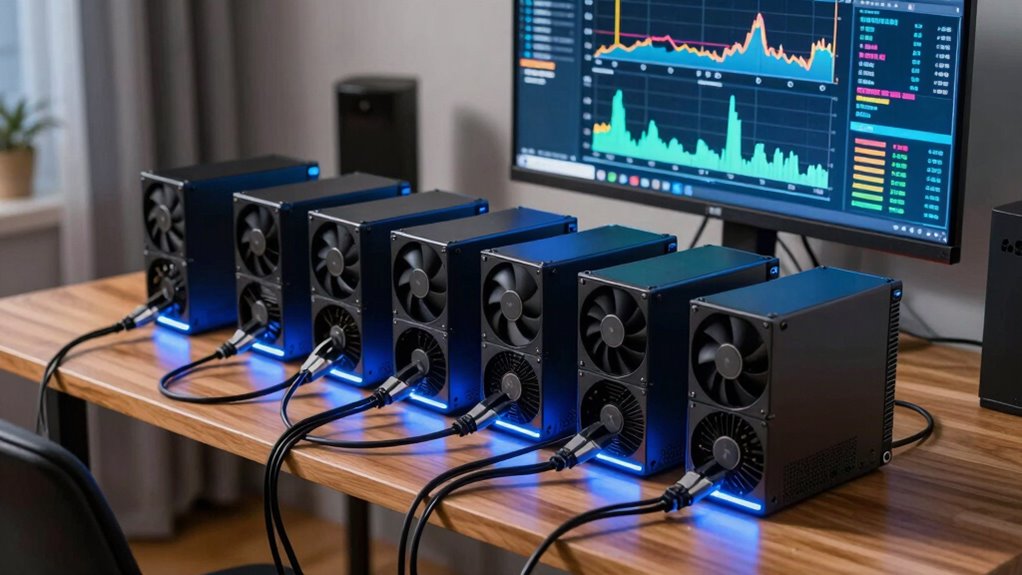

Upgrading your home mining setup often beats buying new hardware by boosting efficiency and reducing costs. You can optimize your current resources with smarter algorithms, better power management, and hardware fine-tuning. This approach extends your existing hardware’s lifespan and keeps your operation stable. It’s a sustainable way to increase output without extra investments. If you want to discover how these upgrades can maximize your mining potential, there’s more to explore below.

Get hardware and tech essentials delivered free — and shop member deals
- Fast, free delivery on millions of items
- Access to Prime Big Deal Days deals on October 6–7
- Prime Video, Amazon Music and more included
Key Takeaways
- Enhances mining efficiency using software updates and hardware optimization without additional hardware costs.
- Improves energy management, reducing electricity expenses and extending hardware lifespan.
- Ensures existing hardware remains compatible and reliable through firmware updates and compatibility patches.
- Focuses on smarter resource management, maximizing output with current setups instead of investing in new equipment.
- Promotes sustainable, cost-effective mining practices by optimizing performance and energy use.
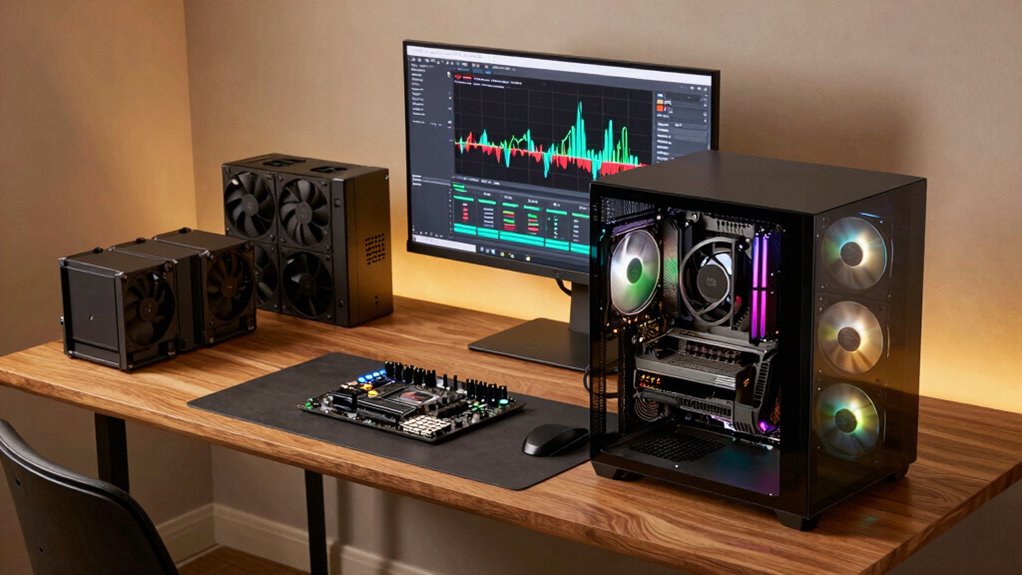
With the latest home mining upgrade, you can now efficiently mine cryptocurrencies right from your living space. This upgrade isn’t just about boosting your output; it’s about optimizing how you use your existing resources. Instead of rushing to buy more hardware, you can focus on making your current setup smarter, more sustainable, and cost-effective. The key lies in improving energy efficiency and ensuring hardware compatibility, which together maximize your mining potential while minimizing expenses.
Maximize your home mining efficiency by optimizing existing resources for smarter, sustainable, and cost-effective cryptocurrency mining.
Energy efficiency is essential when it comes to home mining. Power consumption is often the biggest overhead, and many miners overlook how much energy their hardware wastes. The latest upgrades introduce smarter algorithms and better power management features that help you reduce electricity costs without sacrificing performance. By optimizing your system’s energy use, you can extend the life of your hardware and keep your utility bills in check. It’s about getting the most out of your equipment without paying a premium for energy. This focus on efficiency not only saves money but also makes your mining operation more environmentally friendly, aligning with sustainable practices. Energy management techniques play a crucial role in achieving these goals. Incorporating hardware optimization strategies can further enhance your setup’s overall efficiency. Additionally, staying informed about software updates ensures your hardware continues to operate at peak performance and compatibility.
Hardware compatibility is another critical aspect of this upgrade. It ensures that your existing components work seamlessly together and can handle the latest mining software updates. Many upgrades include compatibility patches or firmware updates that allow older GPUs, ASICs, or CPUs to operate more effectively. This means you don’t need to invest in new hardware immediately; instead, you can leverage what you already own to stay competitive. Ensuring hardware compatibility also reduces downtime and technical issues, making your mining setup more stable and reliable. When your hardware and software are in sync, you gain smoother operation, fewer disruptions, and a better overall mining experience.
Additionally, understanding hardware compatibility and how it impacts your setup can help you make smarter decisions about software updates and hardware maintenance, ensuring your mining operation remains optimized over time. This upgrade emphasizes the importance of fine-tuning your setup rather than constantly expanding it. It encourages you to analyze your existing hardware, optimize configurations, and adopt smarter energy consumption practices. By doing so, you can increase your mining output without the additional capital expenditure on new equipment. Plus, with improved energy efficiency, you avoid the often-overlooked costs that come with running more hardware—saving money in the long run.
cryptocurrency mining hardware optimization software
As an affiliate, we earn on qualifying purchases.
As an affiliate, we earn on qualifying purchases.
Frequently Asked Questions
How Much Does a Home Mining Upgrade Typically Cost?
A home mining upgrade typically costs between $200 and $1,000, depending on your setup. You’ll spend on mining software, which may be free or paid, and power consumption costs, since more efficient hardware consumes less energy and saves money over time. Upgrading your existing hardware or optimizing settings can boost performance without hefty investments, making it a smarter, cost-effective choice compared to buying new equipment.
What Are the Best Energy-Efficient Upgrades for Mining at Home?
Like tuning a guitar, optimizing your setup improves performance and longevity. To boost energy efficiency, upgrade to hardware with lower energy consumption, such as newer, more efficient GPUs or ASIC miners. Implement better cooling solutions to reduce power draw and hardware strain, which extends hardware longevity. Additionally, consider optimizing your mining software settings to minimize unnecessary energy use. These upgrades not only cut costs but also make your mining operation greener and more sustainable.
How Long Does a Home Mining Upgrade Take to Implement?
A home mining upgrade typically takes a few hours to a day, depending on hardware compatibility and setup complexity. You’ll need time for installing new equipment, configuring remote monitoring tools, and ensuring everything integrates smoothly. If your hardware is compatible and you prepare in advance, the process is quicker. Allow extra time for troubleshooting potential issues, especially if you’re upgrading multiple systems or network components.
Can Upgrades Improve Mining Profitability Significantly?
Upgrades can considerably boost your mining profitability by improving energy savings and ensuring hardware compatibility. When you upgrade efficiently, you reduce electricity costs, which directly increases your profit margins. Additionally, newer hardware often performs better and is more compatible with the latest mining software, making your setup more effective. These improvements often outweigh the benefits of buying new hardware, especially if you optimize your existing system with targeted upgrades.
Are There Any Risks Associated With Upgrading Home Mining Setups?
Upgrading your home mining setup is like sailing into unpredictable waters—you could hit smooth seas or face storms. Risks include hardware incompatibility, which can cause malfunctions or damage, and poorly timed upgrades that might disrupt your mining efficiency. To navigate safely, make sure your new hardware matches your existing system and choose the right upgrade timing. Staying informed and cautious helps you avoid costly setbacks and keeps your mining profitable.
home mining energy management tools
As an affiliate, we earn on qualifying purchases.
As an affiliate, we earn on qualifying purchases.
Conclusion
Upgrading your home mining setup can be more cost-effective than constantly buying new hardware. By optimizing your existing equipment, you can boost efficiency and extend its lifespan. Did you know that miners who upgrade their setups see an average 30% increase in mining performance? This simple upgrade often beats the costs and effort of purchasing new rigs. So, before you invest in new hardware, consider making smarter, targeted improvements—you might just mine more without breaking the bank.
As an affiliate, we earn on qualifying purchases.
mining hardware compatibility patches
As an affiliate, we earn on qualifying purchases.
As an affiliate, we earn on qualifying purchases.
Evergreen bestsellers Picks
bestsellers
As an affiliate, we earn on qualifying purchases.