
Before upgrading your GPU, most gamers notice improvements in their monitor’s refresh rate and calibration. A higher refresh rate, like 144Hz or more, makes motion smoother and gameplay more responsive, even with your current hardware. Proper calibration enhances color accuracy and visual clarity, revealing more detail in shadows and highlights. These upgrades often provide a more noticeable difference in gaming experience than a new graphics card alone. Keep exploring to discover how optimizing your display can boost your gaming performance even further.

Get hardware and tech essentials delivered free — and shop member deals
- Fast, free delivery on millions of items
- Access to Prime Big Deal Days deals on October 6–7
- Prime Video, Amazon Music and more included
Key Takeaways
- Gamers often notice improved motion smoothness from higher refresh rates like 144Hz or 240Hz before considering GPU upgrades.
- Enhanced color accuracy through monitor calibration makes visuals more vibrant and realistic, perceived before hardware improvements.
- Reduced motion blur and screen tearing are immediately noticeable with a higher refresh rate, improving gameplay fluidity.
- Better contrast and shadow details from calibration reveal more in-game environments, enhancing immersion without GPU changes.
- Overall visual clarity and responsiveness improvements from monitor upgrades are typically felt prior to upgrading the GPU.
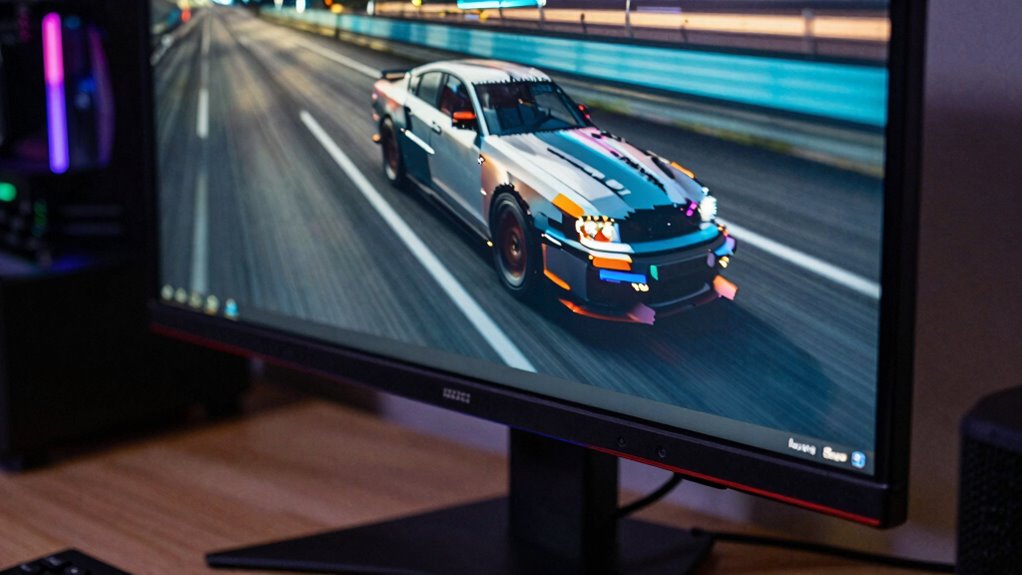
When you’re looking to improve your gaming experience, upgrading your graphics card often comes to mind first. However, before you invest in a new GPU, many gamers notice that their current screen setup can make a big difference. The most noticeable upgrade isn’t always the hardware inside your PC but rather your monitor’s calibration and refresh rate. These elements directly affect how smooth and vibrant your games appear, often shaping your overall perception of performance more than raw power alone.
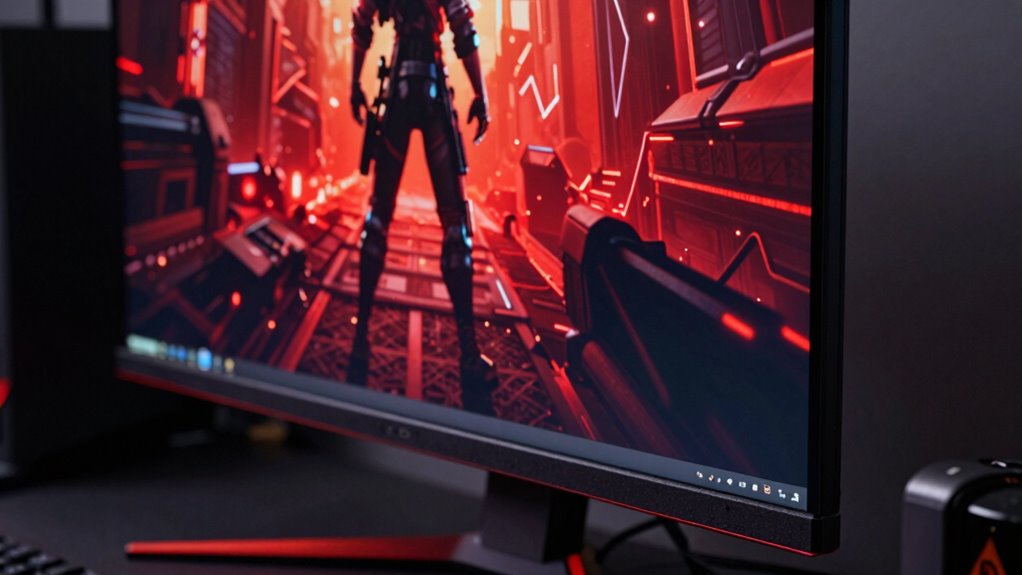
Start by paying attention to monitor calibration. If your display isn’t properly calibrated, colors might look dull or overly saturated, and details in shadows or highlights could be lost. A well-calibrated monitor ensures that colors are accurate, contrast levels are appropriate, and the image is sharp. This can also help prevent eye strain during long gaming sessions. Calibration doesn’t have to be complicated; many monitors come with built-in tools, or you can use calibration software to fine-tune brightness, contrast, and color balance. When your display is properly calibrated, it makes your gaming visuals more immersive and reduces eye strain, helping you perform better and enjoy your games more. Additionally, understanding monitor calibration can help you optimize your display for all types of media, not just gaming. Improving your overall visual accuracy can provide more consistent results across different applications and media types. Recognizing the importance of display settings can further enhance your gaming experience by allowing you to fine-tune your visuals to suit your preferences.
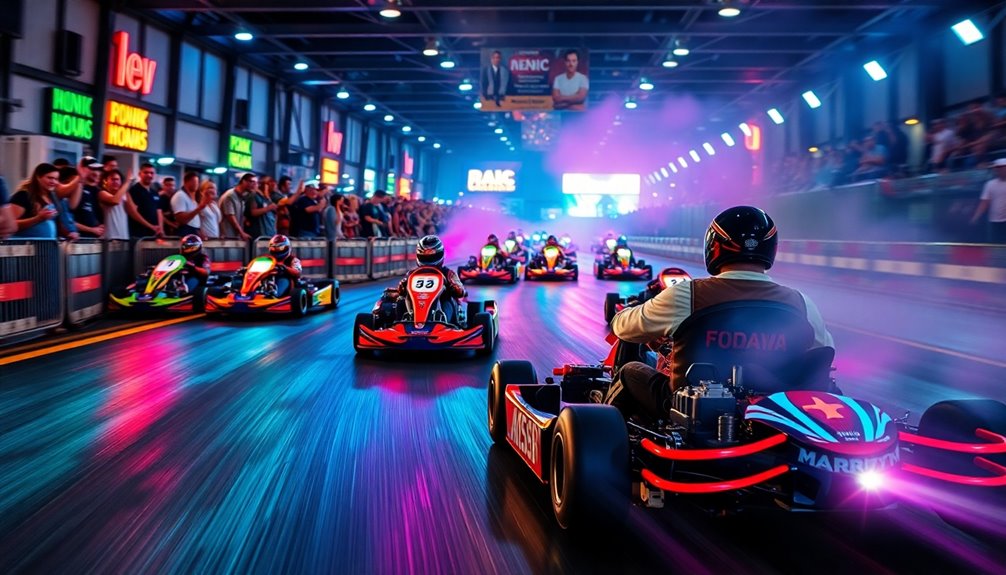
Next, consider your monitor’s refresh rate. This is the number of times your screen updates per second, measured in hertz (Hz). A higher refresh rate means smoother motion, which is especially important in fast-paced games like shooters or racing titles. If your monitor only updates at 60Hz, even a powerful GPU won’t be able to deliver the ultra-smooth gameplay that a 144Hz or higher monitor can provide. You might notice choppiness, motion blur, or tearing, which can hinder your reaction time and overall experience. Upgrading to a monitor with a higher refresh rate can often feel like a significant improvement, even if your GPU remains the same. It’s a way to get more out of your existing hardware and make gameplay look and feel more fluid.
While a new GPU can boost frame rates and visual fidelity, a high-quality, well-calibrated monitor with a fast refresh rate ensures that those frames translate into a smooth and visually appealing experience. Many gamers find that upgrading their monitor’s calibration and refresh rate offers a more immediate and noticeable difference in gameplay than a new graphics card alone. So, before you invest in the latest GPU, consider whether your current display can be optimized. Taking the time to calibrate your monitor and upgrade to a higher refresh rate can elevate your gaming experience, making every session more vibrant, responsive, and enjoyable.
As an affiliate, we earn on qualifying purchases.
Frequently Asked Questions
How Do I Determine My Current Monitor’s Refresh Rate?
To determine your monitor’s refresh rate, start by opening your display settings or monitor calibration options. On Windows, right-click on your desktop, select Display Settings, then Advanced Display Settings to see the refresh rate. On Mac, go to System Preferences > Displays. You can also use third-party tools or your monitor’s on-screen display menu. Knowing your current refresh rate helps you decide if an upgrade will improve your gaming experience.
Can a New Screen Improve Overall Gaming Performance?
Yes, a new screen can improve your overall gaming performance. Upgrading often enhances color accuracy, making visuals more vibrant, and reduces response time, which minimizes motion blur and ghosting. This results in smoother gameplay and sharper images. A better monitor guarantees you see more detail, react faster, and enjoy a more immersive experience, especially if you choose one with a high refresh rate and low response time tailored for gaming.
What’s the Ideal Resolution for Competitive Gaming?
Thinking about the ideal resolution for competitive gaming? You’ll want a balance of sharp visuals and fast response times, so 1080p is usually best. It offers lower input lag and quick response times, essential for quick reactions. While higher resolutions like 1440p look stunning, they can introduce slightly more lag. Prioritize a monitor with excellent color accuracy and a low response time to gain that competitive edge. Isn’t it all about speed and clarity?
How Does Screen Size Affect Gaming Experience?
A larger screen size enhances your gaming experience by increasing visual immersion, making you feel more involved in the game world. It allows you to see more details and improves situational awareness, especially in fast-paced games. However, bigger screens also require a higher resolution and a good GPU to prevent lag or blurriness. Ultimately, choosing the right screen size balances immersive visuals with your gaming setup’s capabilities for maximum enjoyment.
Are There Specific Screen Features Worth Investing In?
Think of your screen as a window into your gaming world—investing in features like HDR support and G-Sync compatibility can transform your experience from a dull landscape to a vivid masterpiece. HDR enhances colors and contrast, making scenes pop with realism, while G-Sync eliminates screen tearing for smoother gameplay. Prioritize these features to elevate your gaming immersion, ensuring your visuals match your skills.
As an affiliate, we earn on qualifying purchases.
Conclusion
Before you chase the next GPU, remember that your screen is the canvas where your gaming dreams come alive. Upgrading your display can turn every pixel into a vivid masterpiece, immersing you deeper into your virtual worlds. Think of it as switching from a whisper to a roar — suddenly, every detail is sharper, every color more vibrant. Sometimes, the most breathtaking upgrade isn’t just in the hardware, but in how you see and feel your game.
high refresh rate gaming display
As an affiliate, we earn on qualifying purchases.
As an affiliate, we earn on qualifying purchases.
color calibration tool for monitors
As an affiliate, we earn on qualifying purchases.
As an affiliate, we earn on qualifying purchases.
Fall Picks
fall essentials
As an affiliate, we earn on qualifying purchases.