📊 Full opportunity report: The Future Of Gaming Devices: Why Valve's Barebones Steam Machine Didn't Make It on IdeaNavigator AI — validation score, market gap, and execution plan.

Get hardware and tech essentials delivered free with Prime
- Fast, free delivery on millions of items
- Prime Video, Amazon Music and more included
- Member-only deals all year
TL;DR

Valve explored developing a barebones Steam Machine but decided against releasing it. This decision reflects broader challenges in the gaming hardware market. The story underscores why such minimal devices haven’t gained traction.
Valve decided not to release a barebones Steam Machine, despite exploring the concept earlier. This development signals a shift in Valve’s hardware strategy and highlights ongoing challenges in the gaming device market. The decision matters because it influences future hardware innovation and the company’s approach to gaming PCs.
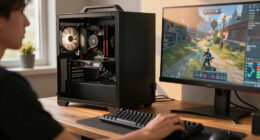
Valve, the maker of Steam and a major player in gaming hardware, considered developing a minimalist, barebones Steam Machine aimed at gamers seeking a simple, customizable PC experience. However, sources close to the company confirm that Valve ultimately decided against launching such a device. The decision was based on technical hurdles, market uncertainties, and strategic priorities.
While Valve has successfully released other hardware products like the Steam Deck, the company has historically been cautious about entering the dedicated gaming hardware market with niche devices. The concept of a barebones Steam Machine was seen as a way to appeal to PC enthusiasts wanting a plug-and-play experience, but internal assessments indicated limited market viability and logistical challenges.
Valve has not publicly commented on the specific reasons for shelving the project, but industry analysts suggest that the limited differentiation from existing PC components and the rise of versatile gaming laptops and consoles contributed to the decision. The company continues to focus on software and platform development, rather than expanding into hardware that might cannibalize its core business.
Implications for Gaming Hardware Innovation
The decision not to release a barebones Steam Machine exemplifies the difficulties hardware manufacturers face when trying to innovate within the gaming PC space. It underscores the challenges of balancing technical feasibility, market demand, and strategic focus. For consumers, it signals that minimalistic, dedicated gaming devices may remain limited, favoring more versatile options like gaming laptops or consoles.
As an affiliate, we earn on qualifying purchases.
Market Trends and Valve’s Hardware Strategy
Valve’s hardware efforts have historically been cautious, with the Steam Deck being its most successful recent venture. The company’s exploration of a barebones Steam Machine was part of an effort to expand its hardware portfolio, aiming at a niche segment of gamers seeking simplicity and customization. However, the rise of powerful gaming laptops and the dominance of consoles like PlayStation and Xbox have made dedicated, minimalistic gaming devices less attractive.
Previously, Valve collaborated with hardware manufacturers to produce Steam Machines around 2015, but those efforts largely failed due to limited consumer interest and inconsistent hardware quality. The company’s shift towards software and platform services has been seen as a response to these market challenges.
Industry analysts suggest that Valve’s decision reflects broader market dynamics, where hardware innovation is increasingly driven by integrated ecosystems and versatile devices, rather than specialized, low-cost units.
“The technical hurdles and uncertain market demand led Valve to focus on other projects like the Steam Deck.”
— an anonymous source close to Valve
As an affiliate, we earn on qualifying purchases.
Unconfirmed Details About Valve’s Internal Decision-Making
It is not yet clear whether Valve considered reintroducing a barebones device in the future or if the concept has been permanently shelved. Specific internal discussions and strategic considerations remain undisclosed, and the company has not provided detailed reasons for the decision.
gaming laptop with high performance
As an affiliate, we earn on qualifying purchases.
As an affiliate, we earn on qualifying purchases.
Future Hardware Directions for Valve
Valve is expected to continue focusing on software and ecosystem development, with ongoing support for the Steam Deck and potential new software initiatives. Hardware innovation may shift towards more integrated, versatile devices rather than minimalistic standalone units. The company might revisit hardware concepts if market conditions change significantly.
As an affiliate, we earn on qualifying purchases.
Key Questions
Why did Valve consider a barebones Steam Machine in the first place?
Valve aimed to create a simple, customizable gaming device targeting PC enthusiasts who wanted a plug-and-play experience, filling a niche between traditional PCs and consoles.
What are the main reasons Valve decided not to release the device?
Sources suggest technical challenges, limited market demand, and strategic focus on other projects like the Steam Deck influenced the decision.
Could Valve revisit the barebones concept in the future?
It remains unclear; Valve has not announced any plans, and market trends currently favor more versatile gaming devices over minimalistic units.
How does this decision impact the broader gaming hardware market?
It highlights the challenges of niche hardware products competing with established gaming PCs, laptops, and consoles, indicating a cautious approach by major players.
What does this mean for consumers interested in minimalistic gaming devices?
Such devices are unlikely to become mainstream soon, with market preference leaning towards flexible, high-performance hardware like gaming laptops and consoles.
Source: IdeaNavigator AI
Halloween Picks
halloween
As an affiliate, we earn on qualifying purchases.