

TL;DR

Get hardware and tech essentials delivered free — and shop member deals
- Fast, free delivery on millions of items
- Access to Prime Big Deal Days deals on October 6–7
- Prime Video, Amazon Music and more included
This article outlines the 10 major AI trends predicted to define 2026, highlighting confirmed developments and ongoing uncertainties. These trends will impact various sectors, from healthcare to automation.
Experts predict that ten key AI trends will significantly influence technology and society in 2026, based on recent industry reports and forecasts. These trends include advances in generative AI, increased regulation, and broader adoption across sectors. While some developments are already underway, others remain speculative, with ongoing debates about their potential impact.
The top AI trend for 2026 is the maturation of generative AI, with models becoming more capable and integrated into daily applications. Industry leaders like OpenAI and Google are investing heavily in this area, aiming to enhance creativity, automation, and content creation. Regulatory frameworks are also expected to evolve, with governments worldwide considering new laws to manage AI ethics, safety, and privacy concerns, although specifics remain under discussion.
Another confirmed trend is the expansion of AI in healthcare, where machine learning models are increasingly used for diagnostics, personalized medicine, and drug discovery. Meanwhile, the automation of jobs continues to accelerate, raising questions about workforce displacement and economic shifts. Experts also foresee a rise in AI-powered cybersecurity, with AI tools becoming essential in defending against sophisticated cyber threats.
While these developments are grounded in current research and market activity, some claims about the scope and speed of adoption are speculative. For example, the extent of regulatory impact and societal acceptance remains uncertain, as policymakers and the public grapple with ethical considerations and trust issues.
The 10 picks
- 1
 Dell 32 Monitor S3225QS 4K UHD VA, 120Hz, FreeSync Premium, Eye ComfortView on Amazon →
 - 2
 Dell 27 Monitor S2725QC 4K UHD IPS with USB-C, HDMI, DisplayPort, FreeSync Pr…View on Amazon →
 - 3
 LG 32UR500K-B 32-inch 4K UHD Monitor with HDR10 and Built-in SpeakersView on Amazon →
 - 4
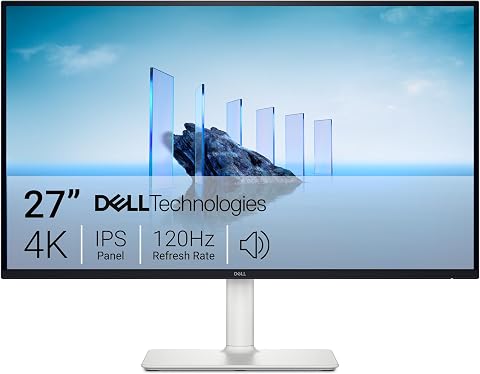 Dell 27 Monitor S2725QS 4K UHD IPS with 120Hz Refresh RateView on Amazon →
 - 5
 LG 27US500-W Ultrafine Monitor 27-Inch 4K UHD HDR10 IPS Borderless DesignView on Amazon →
 - 6
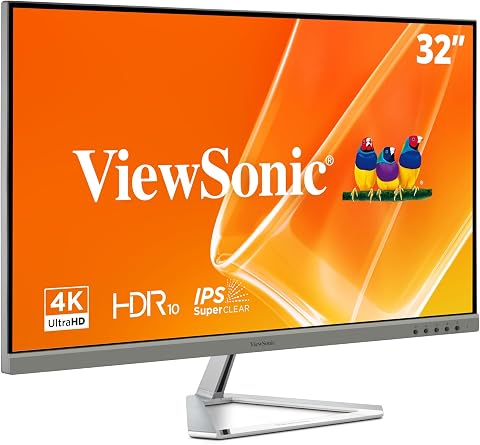 ViewSonic VX3276-4K-MHD 32 Inch 4K UHD Monitor with HDR10 and Frameless DesignView on Amazon →
 - 7
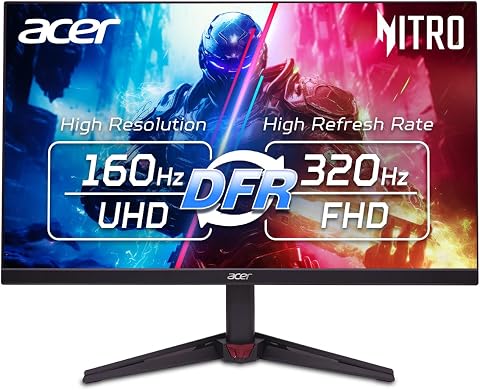 Acer Nitro 27-inch 4K UHD IPS Gaming Monitor VG270K V4 with 160Hz Refresh Rat…View on Amazon →
 - 8
 LG 27UP650K-W 27-inch 4K UHD IPS Computer MonitorView on Amazon →
 - 9
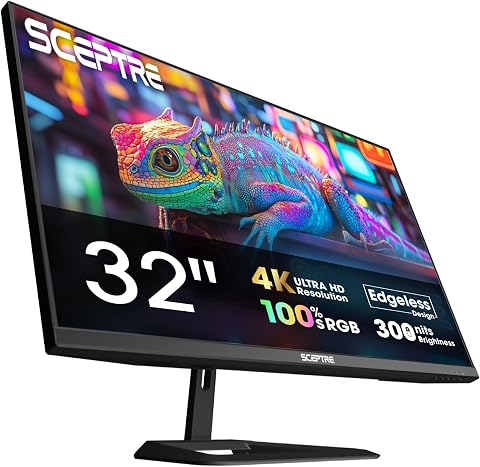 Sceptre 32-inch 4K UHD Monitor with Built-in Speakers, DisplayPort and HDMIView on Amazon →
 - 10
 Sceptre Prime 4K IPS 27" Monitor with HDMI and DisplayPort, 70+Hz, Built-in S…View on Amazon →
Why AI Trends in 2026 Will Reshape Industries and Society
The predicted AI trends for 2026 are poised to transform multiple sectors, including healthcare, finance, and manufacturing. They will influence economic productivity, job markets, and ethical standards. Understanding these developments helps businesses, policymakers, and consumers prepare for the changes ahead, ensuring responsible and beneficial AI integration.
Current State of AI Development and Forecasting for 2026
Recent industry reports and expert analyses indicate rapid progress in AI capabilities, especially in generative models and autonomous systems. Companies like OpenAI, Microsoft, and Chinese tech firms are leading investments, signaling a competitive race for AI dominance. Regulatory discussions are also intensifying, with several countries proposing or enacting new AI laws. However, the full impact of these trends will depend on technological breakthroughs, policy decisions, and societal acceptance, which remain fluid.
Uncertainties Surrounding AI Adoption and Regulation in 2026
While many AI trends are based on current trajectories, the pace and scale of adoption are still uncertain. Regulatory developments could either accelerate or hinder progress, depending on political and societal responses. Additionally, unforeseen technological breakthroughs or setbacks could alter the predicted landscape.
Next Steps for Stakeholders Preparing for 2026 AI Trends
Stakeholders should monitor policy developments, invest in AI research, and prepare workforce strategies to adapt to automation. Businesses and governments need to collaborate on establishing responsible AI standards and frameworks. Continued research and public engagement will be vital to shaping a beneficial AI future.
Key Questions
What are the most impactful AI trends expected in 2026?
The most impactful trends include the maturation of generative AI, increased regulation, AI in healthcare, automation, and cybersecurity enhancements.
How might AI regulation evolve by 2026?
Regulations are expected to become more comprehensive, focusing on safety, ethics, and privacy, but their specific form will depend on policy debates and international cooperation.
Will AI automation lead to widespread job loss?
Automation is likely to displace some jobs, especially repetitive tasks, but it may also create new roles. The overall impact will depend on policy responses and workforce adaptation strategies.
How reliable are these predictions for 2026?
Predictions are based on current trends and expert analyses; however, technological, regulatory, and societal factors could alter the trajectory, making some developments uncertain.
Source: ThorstenMeyerAI.com
Fall Picks
fall essentials
As an affiliate, we earn on qualifying purchases.