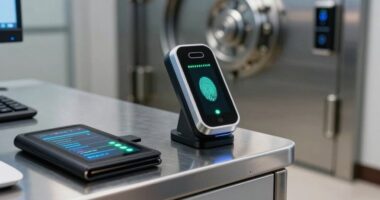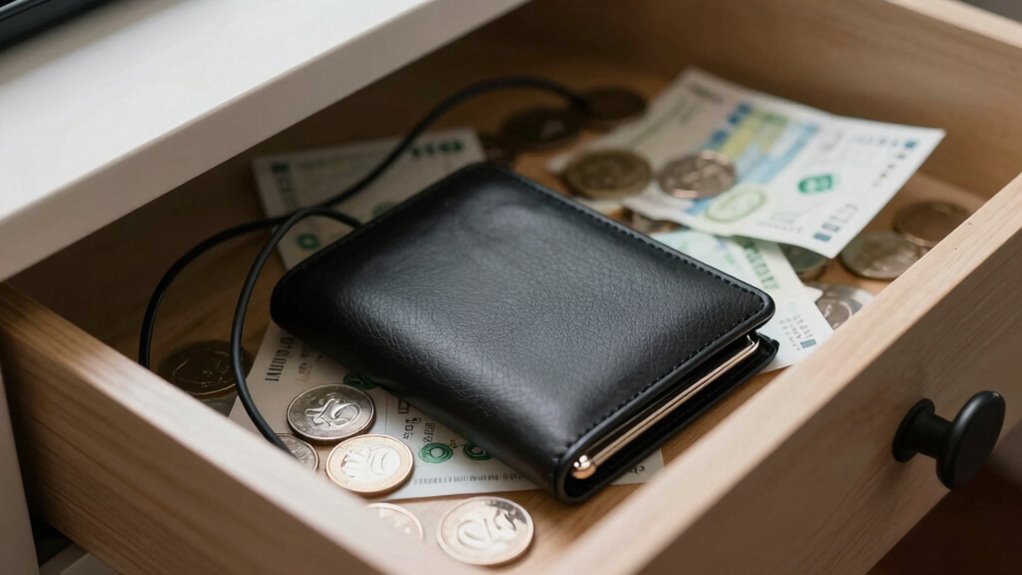

Where you hide your hardware wallet is vital because a poor choice can expose it to theft, tampering, or environmental damage. You need a discreet, durable spot that isn’t obvious and allows quick access when needed. Avoid predictable places or frequent handling signs, and consider using multiple hiding spots for better security. If you keep these tips in mind, you’ll greatly reduce risks and better protect your assets. Keep going to learn to choose the best hiding strategy for your needs.

Get hardware and tech essentials delivered free with Prime
- Fast, free delivery on millions of items
- Prime Video, Amazon Music and more included
- Member-only deals all year
Key Takeaways
- Choosing discreet, unconventional hiding spots reduces the risk of theft or discovery by intruders.
- Regularly inspecting and updating hiding locations prevents tampering or wear from compromising security.
- Balancing accessibility with discretion ensures quick retrieval without revealing the hiding strategy.
- Using durable, concealed containers protects the hardware wallet from environmental damage.
- Employing multiple, varied hiding spots enhances layered security against unauthorized access.
discreet hardware wallet hiding safe
As an affiliate, we earn on qualifying purchases.
As an affiliate, we earn on qualifying purchases.
Why Your Hardware Wallet’s Hiding Spot Matters for Security
Your hardware wallet’s hiding spot plays a crucial role in protecting your assets because physical access is often the first line of defense against theft or tampering. If someone gains physical access, they could leverage digital forensics to trace your wallet’s location or use social engineering tactics to manipulate you into revealing its hiding place. Choosing a discreet spot minimizes these risks, making it harder for an attacker to discover or steal your wallet. A visible or common hiding spot invites unnecessary scrutiny, increasing vulnerability. By staying cautious about your hiding location, you reduce the chances of someone exploiting your physical security to access your funds. Additionally, understanding effective home soundproofing can help prevent noise from revealing your activities or the location of your valuables. Properly securing your environment with DIY safety tips can further enhance your overall security measures. Remember, maintaining the secrecy of your hiding spot is essential to safeguarding your digital assets effectively, especially when considering home security. Being aware of physical security principles can help you choose better hiding spots and protect your valuables from various threats. For example, incorporating discreet storage techniques can make it less obvious where your valuables are hidden.
durable concealed storage container
As an affiliate, we earn on qualifying purchases.
As an affiliate, we earn on qualifying purchases.
Choosing Discreet and Accessible Places to Hide Your Wallet
Finding the right hiding spot for your hardware wallet requires balancing discretion with accessibility. You want a place that’s secure yet easy for you to access when needed. Look for locations that aren’t obvious and won’t draw attention—think inside a locked drawer or beneath a sturdy, non-descript object. Confirm the spot offers physical protection to maximize hardware durability, preventing damage from moisture or impact. Remember, digital encryption keeps your wallet’s data safe, but a well-chosen hiding spot adds an extra layer of security against physical threats. Avoid common hiding spots like jewelry boxes or obvious places. Instead, select a discreet, durable container or hidden compartment that only you know about, ensuring your wallet remains both accessible and protected from prying eyes. Additionally, choosing a hiding location that aligns with your understanding of physical security best practices can significantly reduce risks. Being aware of common physical threats can help you better evaluate and select a truly secure hiding place. Incorporating risk assessment techniques into your planning can further enhance your overall security strategy. Conducting a thorough security check of your chosen spot periodically can help identify potential vulnerabilities before they become problems. Regularly updating your knowledge of security measures ensures your methods stay effective as threats evolve.
disguised small lockbox for valuables
As an affiliate, we earn on qualifying purchases.
As an affiliate, we earn on qualifying purchases.
Common Mistakes When Concealing Your Hardware Wallet
Many people make the mistake of hiding their hardware wallets in obvious or predictable spots, which can easily compromise security. Avoid hiding them near sources of power or computer equipment, as these are common places thieves check first. Another mistake is neglecting proper password management; if your recovery seed or PIN is stored insecurely, your wallet becomes vulnerable. Additionally, failing to update your hardware regularly can expose you to security flaws, making your wallet easier to attack even if hidden well. Some believe physical concealment alone is enough, but neglecting software security measures leaves you exposed. Always combine discreet hiding with strong password management and timely hardware updates to protect your assets effectively. Incorporating hardware security features can further enhance your protection against potential threats. Regularly reviewing your security practices ensures you stay ahead of evolving threats and maintain the safety of your digital assets. Using proper maintenance techniques, such as updating firmware and cleaning devices, can also prevent vulnerabilities that might be exploited by attackers. Being aware of common attack vectors can help you identify and mitigate risks before they compromise your hardware wallet.
As an affiliate, we earn on qualifying purchases.
How to Pick the Best Hiding Spot for Your Needs
When choosing a hiding spot, think about how easy it is for you to access it without compromising security. You also need to match the location to your daily routine so it’s convenient but not obvious. Incorporating user privacy into your hiding strategy can make retrieval easier while maintaining security. Additionally, staying informed about wall art trends can inspire creative ways to conceal your hardware wallet in plain sight, making it less likely to be discovered. Exploring outdoor living ideas can also help you find unconventional yet effective hiding spots that blend seamlessly into your environment.
Consider Accessibility and Security
Choosing the right hiding spot for your hardware wallet requires balancing accessibility with security. You need a location that’s easy enough for you to access when needed but tough for others to find. Consider hardware durability; the spot should protect against environmental damage like moisture, heat, or corrosion. Technical compatibility is also key—avoid hiding your wallet where it could be exposed to magnetic fields or electronic interference that might damage it. Think about how often you’ll need access and whether the spot allows quick retrieval without risking exposure. A secure hiding spot doesn’t mean it’s inconvenient, so choose one that offers a good mix of accessibility and protection, ensuring your wallet remains safe and functional when you need it most. Incorporating mind-body healing techniques can also help you stay calm and focused when managing sensitive items like your hardware wallet.
Match Hiding Spot To Lifestyle
Your lifestyle plays a vital role in determining the best hiding spot for your hardware wallet. If you travel often, choose a discreet location that’s easy to access but unlikely to be found by others. If you stay at home, consider a spot that blends into everyday life, reducing the risk of digital backup theft or phishing threats. Think about your daily routines and habits to select a hiding place that balances security and convenience. For example:
| Lifestyle | Ideal Hiding Spot | Key Considerations |
|---|---|---|
| Frequent traveler | Hidden in travel gear | Surprising, portable |
| Homebody | Inside a book or container | Discrete, familiar |
| Security-conscious | Safe deposit box | Strong protection |
| Tech-savvy | Obscured electronics | Hard to find |
| Family-oriented | Personal keepsake | Safe from others |
Matching your hiding spot to your lifestyle helps incorporate smart home safety principles, making it easier to keep your hardware wallet secure. Considering security best practices can further enhance your overall protection strategy. Additionally, understanding physical security measures is crucial for a comprehensive approach. Being aware of potential physical threats can help you select a more resilient hiding location.
Risks to Watch Out for With Typical Hiding Places
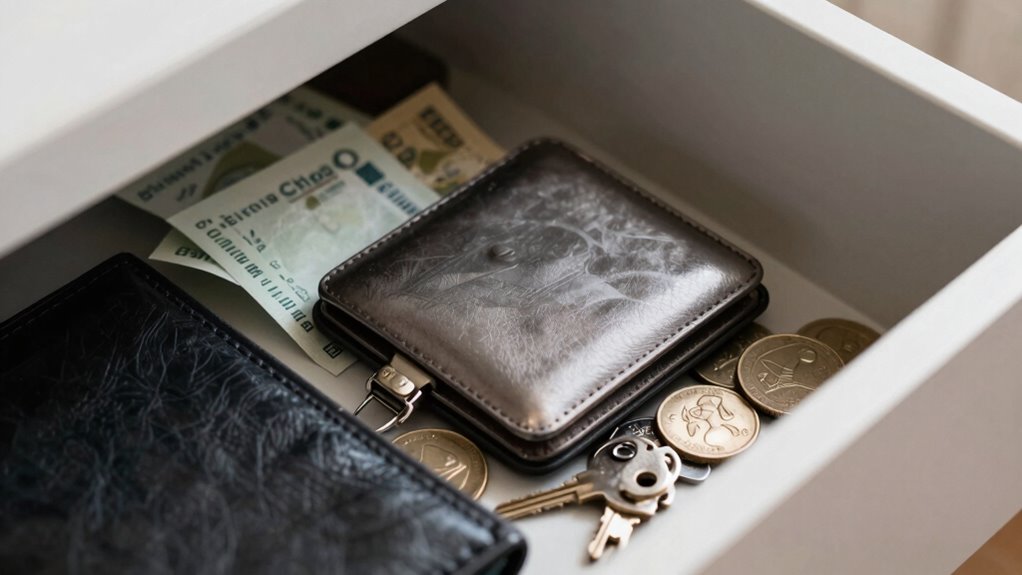
Many common hiding places for hardware wallets come with significant risks. These spots, like drawers, safes, or hidden compartments, might seem secure but are often vulnerable to theft or damage. If your hiding spot is discovered, an attacker could easily access your digital backup or steal the wallet itself. Additionally, relying solely on physical hiding spots doesn’t provide phishing protection—an increasingly common threat. Cybercriminals may trick you into revealing your recovery seed or private keys through scams, bypassing physical security altogether. Furthermore, environmental hazards like moisture, fire, or pests can damage your wallet or backup, making recovery impossible. To truly protect your assets, you need a combination of physical security and digital safeguards, such as encrypted backups and awareness of social engineering tactics.
Unconventional and Creative Hiding Spots for Your Hardware Wallet

If you want to keep your hardware wallet truly safe, consider disguising it within everyday items or hiding it behind decorative objects. You might conceal it inside a hollowed-out book or behind a picture frame, making it less obvious to intruders. Getting creative with unexpected hiding spots can add an extra layer of security to your crypto assets.
Disguise Within Everyday Items
Sometimes, the best hiding spots are right in plain sight, blending seamlessly into everyday objects. You can disguise your hardware wallet in common items, making it less obvious while maintaining access. For example, hide it inside a hollowed-out book, a coin box, or a fake wall socket. These objects don’t raise suspicion and are easily integrated into daily life. To guarantee security, combine this with digital encryption and proper hardware maintenance, so even if discovered, your assets stay protected. Remember, the goal is to make your wallet indistinguishable from ordinary items. Use the table below to understand the significance:
| Item | Purpose | Security Tip |
|---|---|---|
| Hollowed book | Conceals in plain sight | Keep digital encryption active |
| Coin box | Blends with collectibles | Regular hardware maintenance |
| Fake wall socket | Looks like part of the wall | Avoid obvious signs of tampering |
| Pen case | Portable and discreet | Secure with encryption |
| Keychain | Always with you | Check hardware regularly |
Concealed Behind Decorative Objects
Decorative objects offer surprisingly creative hiding spots for your hardware wallet, especially when you want to keep it out of plain sight. Placing your wallet behind a decorative vase, picture frame, or an ornamental book can hide it effectively. Make sure the wallet is stored securely, leveraging hardware encryption to protect your data from unauthorized access. When hiding your wallet behind decor, remember to update your backup procedures regularly, so you don’t lose access if the object moves or is damaged. Use sturdy, non-transparent items to prevent accidental discovery. This method combines practicality with subtlety, making it less likely someone will stumble upon your wallet during casual browsing or cleaning. Creative hiding in decorative objects adds an extra layer of security while keeping your hardware wallet accessible when needed.
Hidden In Unexpected Places
While hiding your hardware wallet behind decorative objects provides some concealment, thinking outside the box can offer even greater security. Unconventional hiding spots challenge potential thieves and enhance your digital security through physical concealment. Consider hiding your wallet in unexpected places like inside a hollowed-out book, behind a loose brick, or within a false electrical outlet. These spots blend seamlessly into everyday surroundings, making it harder for intruders to locate your valuables. Use this table to inspire your creativity:
| Hidden In Unexpected Places | Why It Works | Tips for Success |
|---|---|---|
| Inside a hollowed-out book | Disguised as a normal object | Ensure the book looks untouched |
| Behind a loose brick | Common in walls, easy to access | Secure the brick tightly |
| Inside a false electrical outlet | Looks legitimate, discreet | Confirm it’s not active |
| Within a sealed container in the garden | Hard to find, weatherproof | Use waterproof materials |
| Hidden in a non-obvious drawer | Blends into clutter | Keep it away from routine access |
Thinking creatively fortifies your physical concealment.
Balancing Easy Access and Discretion in Your Hiding Strategy
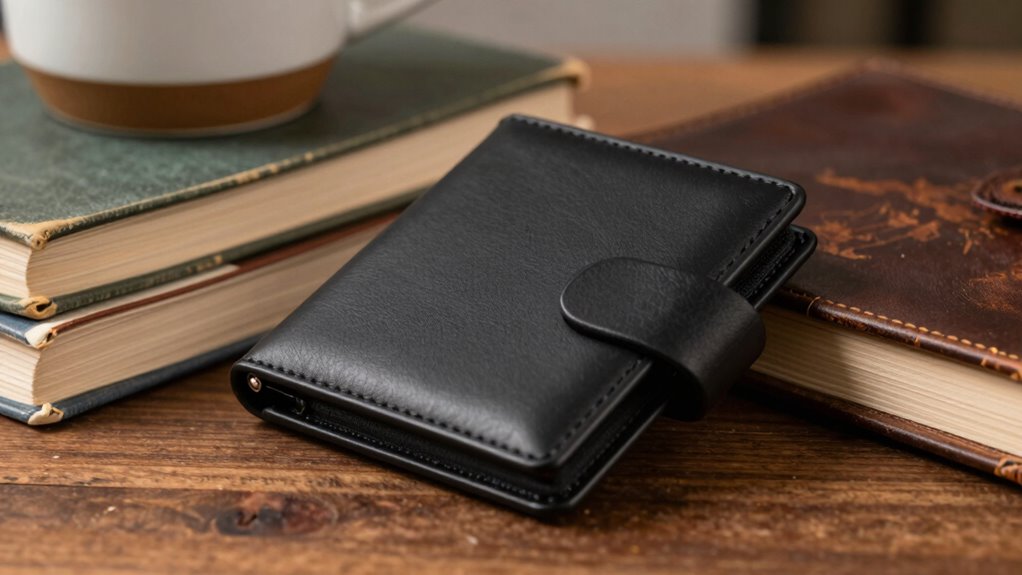
Finding the right balance between easy access and discretion is essential when hiding your hardware wallet. You want it to be accessible when needed but hidden enough to avoid suspicion. Consider how your hiding spot impacts your digital footprint—if it’s too obvious, others might discover it. Backup strategies are also critical; make sure you have secure, separate backups in case your primary hiding spot is compromised. Keep your access routine simple but discreet, avoiding obvious patterns that reveal your hiding practices. Think about everyday items or less obvious locations that blend into your environment. Striking this balance reduces risk, ensuring you can retrieve your wallet quickly without drawing unwanted attention. Your goal is a hiding strategy that’s both practical and unnoticeable.
Signs Your Hiding Spot Might Be Compromised
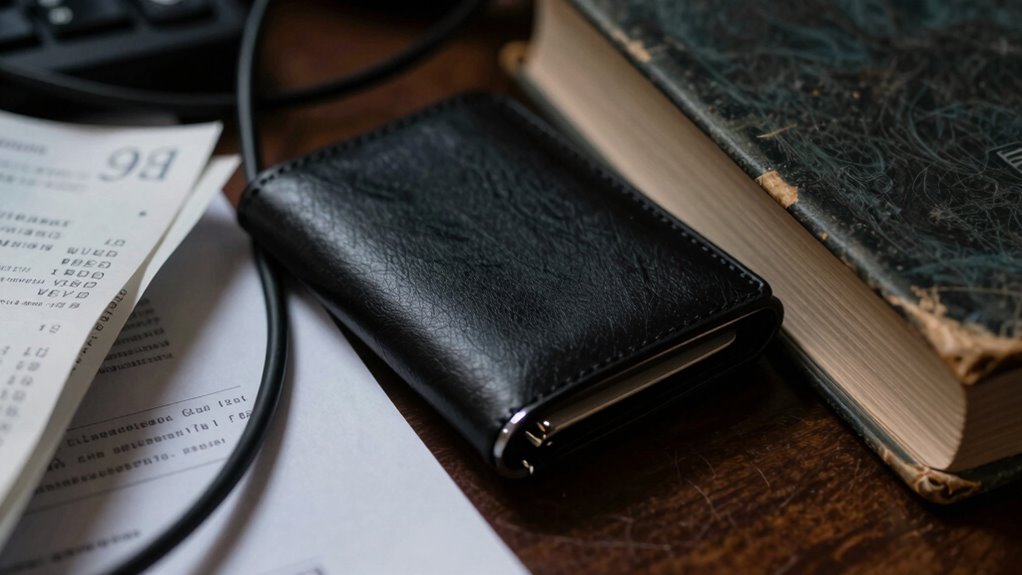
If you notice unusual access patterns around your hiding spot, it could mean someone’s been there without your knowledge. Visible wear and tear might also suggest frequent handling, raising suspicion. Additionally, if you find your hiding spot in an inconsistent location, it’s a sign your security might be compromised.
Unusual Access Patterns
Noticing unusual access patterns is a strong sign that your hiding spot might be compromised. If someone repeatedly checks or moves your hiding place, it could indicate they’re monitoring your digital footprint or using social engineering tactics to find your hardware wallet. Watch for behaviors like:
- Frequent, unexplained visits to the area where you hide your wallet
- Sudden changes in how your space is used or accessed
- People asking questions about your routines or belongings
These signs suggest someone might be testing your defenses or trying to learn your habits. Be cautious if you notice these patterns, as they often point to a breach of your private routines. Staying alert helps prevent your hiding spot from becoming an easy target.
Visible Wear and Tear
When someone becomes suspicious enough to investigate your hiding spot, they often leave behind telltale signs of tampering. Visible damage, like surface scratches or dents, can reveal recent handling or repeated searches. If your hiding place shows signs of wear, it suggests someone has been poking around more than they should. Surface scratches on containers or objects indicate frequent contact or attempts to open them without proper tools, raising red flags. Even minor damage can suggest tampering or forced entry. If you notice these signs, it’s a clear warning that your hiding spot might be compromised. Regularly check for visible wear and tear, and ensure your hiding spots stay undisturbed and pristine. Otherwise, you risk exposing your hardware wallet’s location to prying eyes.
Inconsistent Hiding Spots
Inconsistent hiding spots can be a clear sign that someone has been tampering with your security measures. If your usual hiding spot has changed or been disturbed, it raises red flags. This could be a sign of digital theft or social engineering attempts aimed at uncovering your hardware wallet. To spot potential breaches, consider these signs:
- Your wallet isn’t where you last stored it or has been moved without explanation.
- You find unfamiliar objects or signs of tampering near your usual hiding places.
- Someone has tried to distract or manipulate you into revealing your hiding spot.
These inconsistencies suggest someone might be testing your defenses or trying to access your assets covertly. Always stay vigilant, especially if you notice any irregularities or suspicious behavior.
How to Improve Your Hiding Strategy Over Time
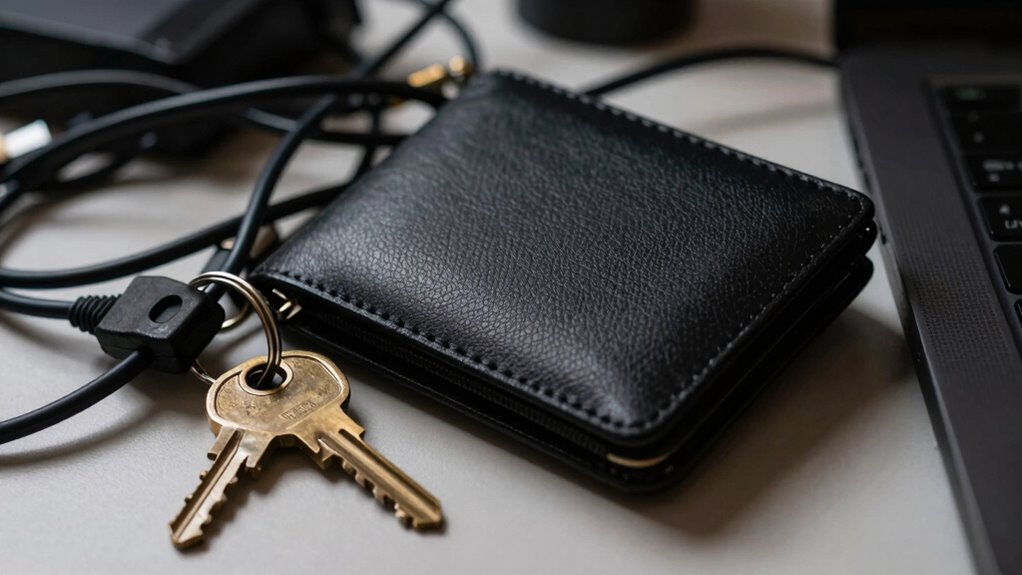
To keep your hiding strategy effective, you need to regularly assess and adapt your methods as circumstances change. Stay vigilant about digital authentication, ensuring your hardware wallet’s security features are up-to-date. Regular hardware maintenance is also essential; check for signs of wear or tampering and replace or repair as needed. Over time, your environment may change, making previous hiding spots less secure or more obvious. Adjust your hiding locations accordingly, blending them into everyday surroundings without drawing attention. Keep track of your hiding spots and update your approach periodically to stay unpredictable. By routinely reviewing your strategy, you minimize risks and maintain control over your assets, preventing complacency from weakening your security.
Should You Use Multiple Hiding Spots for Extra Security?
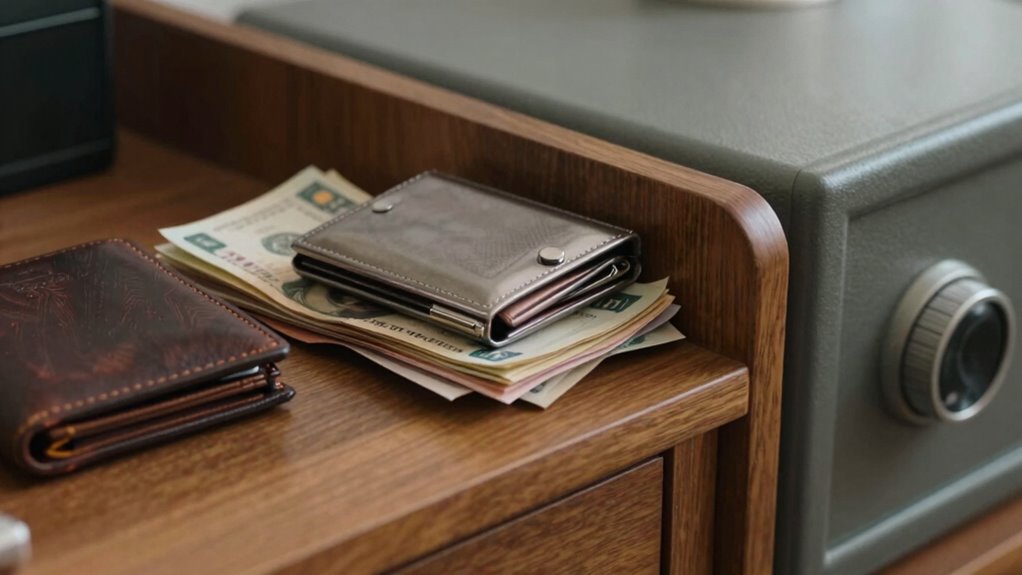
Using multiple hiding spots can considerably boost your security by making it harder for someone to locate your hardware wallet. This approach promotes multi location security and layered concealment, reducing the risk of loss or theft. Consider these strategies:
- Diversify locations: Store your wallet in different areas like a safe, a hidden compartment, or a concealed drawer.
- Vary hiding techniques: Use different concealment methods such as true hiding spots or disguised objects.
- Limit knowledge: Keep the number of people who know all hiding spots to a minimum, enhancing layered concealment.
Frequently Asked Questions
How Often Should I Change My Hardware Wallet’s Hiding Spot?
You should change your hardware wallet’s hiding spot periodically, ideally every few months, to minimize the risk of discovery. Incorporate decoy hiding methods and digital markers to mislead anyone searching for it. Regularly switching locations keeps you one step ahead of potential threats, making it harder for someone to find your wallet. Staying unpredictable with your hiding spots ensures your assets stay secure and your privacy intact.
Can Hiding My Wallet in Plain Sight Be Effective?
Hiding your hardware wallet in plain sight can work if you use distraction techniques, making it seem unimportant. Think of it as a chameleon blending into its environment; you want it to appear unremarkable. Just remember, your digital footprints might give you away if someone investigates your habits. So, while visible spots can be effective, always consider how well you can divert attention from your true stash.
What Are the Legal Implications of Hiding a Hardware Wallet?
Hiding your hardware wallet can raise legal boundaries and privacy concerns, especially if authorities question your reasons. While you’re within your rights to protect your privacy, hiding it to avoid legal scrutiny might be suspicious or even illegal in certain situations. You should understand local laws and regulations, ensuring your privacy measures don’t inadvertently turn into illegal concealment. Always balance privacy with legal transparency to avoid unintended consequences.
How Do I Securely Mark or Remember My Hiding Spot?
You can’t just scribble “hidden” on a wall and hope for the best! To securely mark your hiding spot, use stealth techniques like blending it into everyday objects or creating false compartments. Concealment methods such as decoy containers or hiding in plain sight work wonders. Remember, the key is to make your hiding spot unnoticeable so only you know it’s there—think like a secret agent on a top-secret mission!
Is It Safer to Hide Multiple Wallets or Keep Them in One Place?
It’s safer to keep multiple wallets in different locations, enhancing physical security and reducing risk. This approach also employs psychological tactics, making it harder for someone to find all your wallets if they target one spot. By diversifying your hiding spots, you decrease vulnerability and improve security. Remember, spreading out your wallets adds layers of protection, ensuring that even if one is compromised, your assets remain safer overall.
Conclusion
Remember, where you hide your hardware wallet can markedly impact your security. Nearly 60% of thefts happen because owners underestimate the importance of discreet storage. By choosing a clever, accessible spot and avoiding common mistakes, you reduce your risk. Regularly review your hiding strategy and consider multiple locations for added protection. Staying vigilant and adaptable keeps your assets safer, ensuring peace of mind in your crypto journey.
Halloween Picks
halloween
As an affiliate, we earn on qualifying purchases.