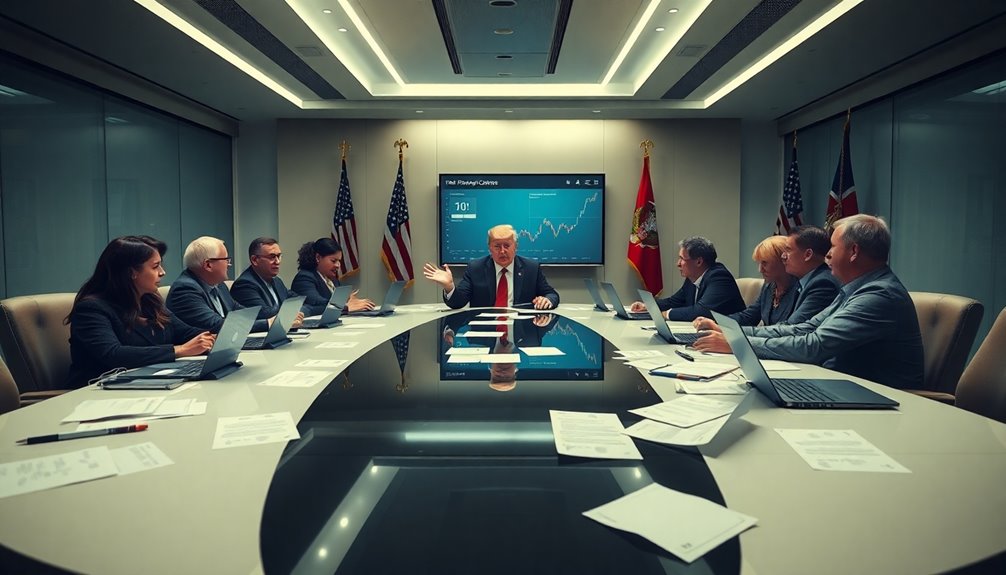

Trump's assembled a dedicated crypto task force to draft regulations and create a national digital asset stockpile, reinforcing U.S. leadership in digital finance. The team, led by David Sacks, aims to develop a clear regulatory framework and address key issues, like anti-money laundering concerns. They're focused on dollar-backed stablecoins while prohibiting central bank digital currencies. If you're curious about the impacts these changes could have on the crypto industry, there's more to explore.
Overview of Trump's Crypto Initiatives

As Trump launches his crypto initiatives, he aims to bolster U.S. leadership in digital financial technology.
His executive order mandates a unified regulatory framework for digital assets, marking a significant shift in approach. The order prohibits central bank digital currencies (CBDCs), reflecting concerns over financial privacy. The executive order also establishes a working group on digital assets markets to support responsible growth and use of digital assets and blockchain technology.
The crypto industry welcomes this move, viewing it as a pivotal step toward mainstream adoption. A task force will focus on providing regulatory clarity, fostering innovation, and examining the market structure of digital assets.
Recommendations for legislation will be submitted, emphasizing the importance of dollar-backed stablecoins. This initiative could enhance U.S. economic competitiveness and may influence global policies surrounding digital assets.
Key Figures Leading the Task Force

The formation of the crypto task force brings together a lineup of influential figures dedicated to shaping the future of digital asset regulation in the U.S. David Sacks, former PayPal COO, leads the crypto working group, leveraging his fintech expertise. Mark Uyeda, acting SEC Chair, oversees crypto initiatives, ensuring a shift towards regulatory clarity. Hester Peirce, known as "crypto mom," champions innovation-friendly policies while leading the task force. The Treasury Secretary contributes to developing frameworks for stablecoins, and the Attorney General addresses legal compliance in the sector. Together, these key figures aim to balance consumer protection with fostering an innovative crypto landscape, setting the stage for comprehensive regulatory reform. The group will focus on evaluating a national crypto stockpile, which signals a significant step towards understanding digital asset management.
Objectives of the SEC Crypto Task Force

To create a robust regulatory environment for crypto assets, the SEC Crypto Task Force is focused on developing a comprehensive framework that clarifies the industry's regulatory boundaries. This framework will define practical registration pathways for crypto assets while respecting existing laws to foster innovation. By collaborating with industry stakeholders and the public, the Task Force aims for inclusivity and clarity. It will work alongside federal agencies like the CFTC and engage with state and international regulators to ensure consistency across jurisdictions. Public roundtables will collect feedback from investors and businesses, enabling diverse perspectives. Ultimately, the Task Force seeks to establish clear regulatory lines that support innovation and address current ambiguities in crypto regulations. A proactive approach will be emphasized to ensure broad input from all market participants.
Details of Trump's Executive Order
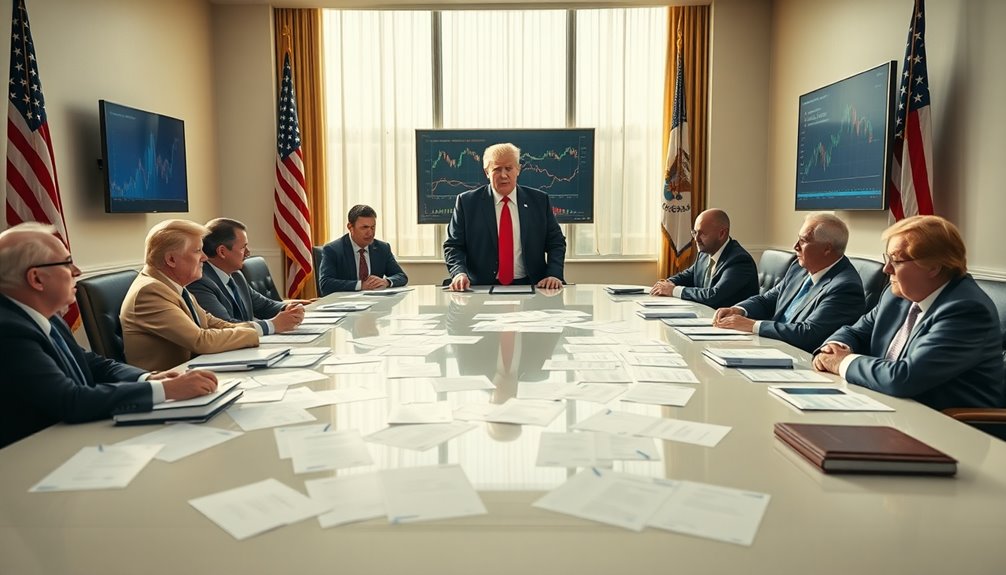
Recognizing the need for a cohesive approach to digital assets, Trump's Executive Order titled "Strengthening American Leadership in Digital Financial Technology" aims to enhance U.S. leadership in blockchain and cryptocurrency.
The order bans central bank digital currencies (CBDCs) and emphasizes dollar-backed stablecoins. It establishes a working group chaired by David Sacks, which includes key federal agencies like the Treasury, SEC, and CFTC. This group will develop a unified, technology-neutral regulatory framework, delivering a detailed report to the President within 180 days.
Additionally, the order evaluates creating a national digital asset stockpile from lawfully seized cryptocurrencies. Aims to provide clearer guidance for the crypto industry is also a priority, as agencies must submit recommendations within 60 days to address existing regulations, ensuring clear guidance and promoting consumer protection.
Impact of New Policies on the Crypto Industry

As new policies roll out, the crypto industry is poised for significant change, particularly with the establishment of a clear regulatory framework. The SEC's crypto task force aims to reduce confusion by developing straightforward rules and addressing registration issues for coins. This initiative garners support from the industry, fostering innovation and enhancing investor protection. Compared to the previous administration's stricter stance, this approach promotes a more favorable environment. Following the announcement, Bitcoin prices surged, boosting investor confidence and encouraging corporate adoption. Meanwhile, the executive order prohibiting a central bank digital currency highlights the administration's commitment to a decentralized financial system. While the focus on blockchain technology may drive further innovation, concerns about cryptocurrency volatility persist, which could affect long-term stability. Ultimately, this supportive regulatory landscape is set to propel the industry's growth, valued at $3.7 trillion.
Future Developments and Working Group Timeline

While the crypto landscape shifts under new regulations, the establishment of the Working Group on Digital Asset Markets is set to play a pivotal role in shaping its future. Chaired by David Sacks, this group will consist of officials from key agencies, including the Treasury and SEC. You can expect them to evaluate current regulations and propose necessary modifications within 180 days. By February 2025, agencies must identify regulations affecting digital assets, followed by recommendations due in March. The Working Group will submit a comprehensive report by July 2025, ensuring public hearings for transparency. This collaborative effort aims to create clearer, technology-neutral regulations that foster innovation and support industry growth in the evolving digital asset space, guided by the SEC's new crypto task force.
Regulatory Framework and Consumer Protection

The Working Group on Digital Asset Markets won't only evaluate existing regulations but also lay the groundwork for a regulatory framework that prioritizes consumer protection. You'll see clear boundaries established to define which digital assets are securities under SEC jurisdiction. The task force will create practical registration processes for crypto entities, ensuring transparency in transactions. They aim to implement sensible disclosure requirements to keep investors informed without hindering innovation. By focusing on risk management, they'll tackle issues like fraud and market volatility. Additionally, promoting education and compliance standards will help consumers navigate the digital landscape confidently. Overall, this collaborative approach seeks to enhance market integrity while fostering a safe environment for all participants in the crypto space. Importantly, the group will also address the prohibition on central bank digital currencies (CBDCs) to reinforce traditional digital asset frameworks.
Challenges Ahead for Implementation

Implementing the new regulatory framework for digital assets won't be without its challenges. Establishing a national digital asset stockpile raises legal uncertainties, potentially requiring Congressional action. While seized cryptocurrencies could form the stockpile, details remain vague, and the U.S. Treasury's Exchange Stabilization Fund's use for this purpose is untested. Coordinating across multiple federal agencies, including the SEC and Treasury, is crucial, but past jurisdictional conflicts may hinder progress. You'll need to balance innovation with clear regulations to foster growth while ensuring consumer protection. Additionally, addressing anti-money laundering concerns is critical, as illicit activities become more prevalent. Effective collaboration between regulators and industry players is essential to navigate these complexities, especially considering the ban on central bank digital currencies as outlined in Trump's Executive Order.
Frequently Asked Questions
How Will the Task Force Affect Existing Cryptocurrency Regulations?
The task force will likely reshape existing cryptocurrency regulations by establishing clearer guidelines and pathways for registration.
You'll see increased participation from banks, boosting liquidity and mainstream adoption.
As the group reviews current regulations, you can expect some to be modified or repealed, reducing uncertainty in the market.
What Stakeholders Will Be Involved in the Regulatory Discussions?
You'll see various stakeholders involved in the regulatory discussions, including the SEC and CFTC, which will work together for a coordinated approach.
State and international regulatory bodies will also join in to align policies.
Industry leaders and crypto companies are crucial, providing insights and perspectives to shape the regulations.
Public engagement through hearings will ensure the general public's voice is heard, making the process more transparent and inclusive.
Will State-Level Regulations Change Due to Trump's Initiatives?
State-level regulations will likely change in response to new federal initiatives. You might see states adopting federal guidelines to ensure consistency, which could reduce regulatory variations.
However, some states may resist if they feel these guidelines don't align with local interests. While federal clarity can streamline regulations, states could continue to innovate and enforce their own rules, maintaining a unique approach to crypto regulation that suits their specific needs.
How Does This Impact International Crypto Regulations?
The emergence of clear U.S. regulations can significantly influence international crypto regulations.
As you establish a robust framework, other countries may look to the U.S. as a model, aligning their own policies accordingly.
This could foster collaboration and innovation worldwide, especially in stablecoin regulation.
You'll likely see shifts in global markets as nations adapt to the new standards, promoting a more cohesive international approach to digital asset management.
What Happens if the Working Group Fails to Meet the Deadline?
If the working group fails to meet the deadline, you'll likely see prolonged regulatory uncertainty, which can shake investor confidence and destabilize the market.
This delay might make the crypto industry question the government's commitment to supporting digital assets, impacting market sentiment negatively.
Additionally, economic growth in the digital asset sector could slow down, and Congress might feel pressured to step in and demand clearer regulations to restore stability.
Conclusion
In conclusion, Trump’s formation of a crypto task force signals a significant shift in how the government views digital currencies. With key figures at the helm, the initiative aims to draft clear regulations that could shape the future of the crypto industry. As the task force navigates challenges and works on consumer protection, you can expect evolving policies that might affect your investments and the overall market landscape. Stay tuned for updates and prepare for potential changes ahead! Additionally, analysts believe that the involvement of prominent industry leaders could bring much-needed credibility to the task force’s efforts. In light of this initiative, it will be interesting to hear insights from experts, including Scaramucci on Trump’s Bitcoin plan, as they weigh in on the implications for both investors and regulatory frameworks. As discussions unfold, stakeholders across the sector should remain vigilant, as the outcomes of these efforts could redefine the crypto landscape for years to come.