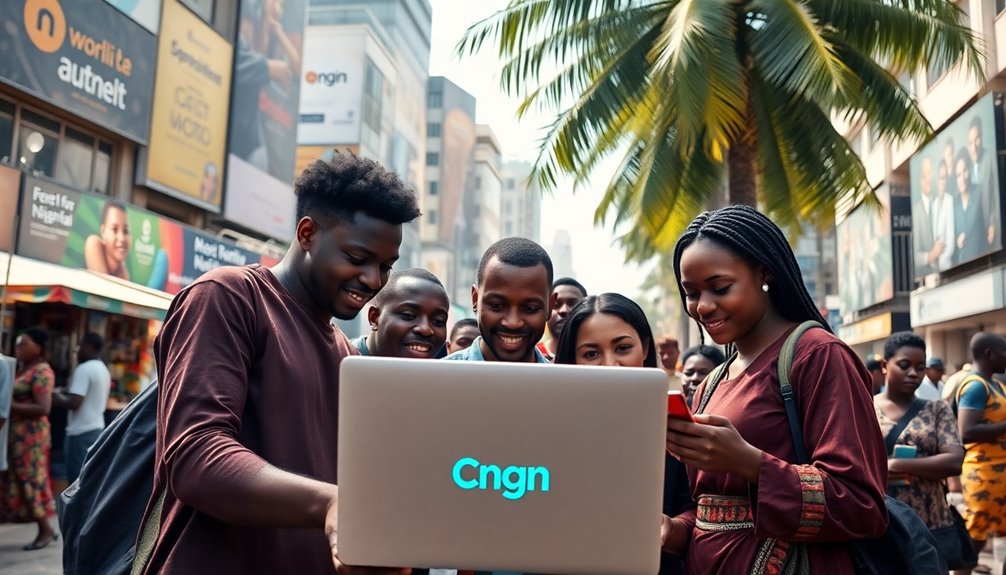

You might find it interesting how Nigeria's new regulated stablecoin, cNGN, is set to change the digital economy landscape. With a focus on enhancing cross-border payments and integrating digital assets with traditional finance, cNGN aims to tackle financial exclusion. As it launches under the supervision of the Central Bank of Nigeria, its implications for both everyday users and financial institutions are worth considering. What could this mean for the future of digital transactions in Nigeria?

Get hardware and tech essentials delivered free with Prime
- Fast, free delivery on millions of items
- Prime Video, Amazon Music and more included
- Member-only deals all year

As Nigeria embraces the future of digital finance, the launch of cNGN—its first regulated stablecoin—marks a significant milestone in the country's economic landscape. Approved by the government and officially launched in early 2025, cNGN is pegged to the Nigerian Naira, aiming to bring stability to transactions in a market often plagued by volatility. The Central Bank of Nigeria (CBN) and the Nigerian Securities and Exchange Commission (SEC) supervise its regulation, ensuring that it aligns with national financial standards. This initiative is part of the Central Bank of Nigeria's new regulations that encourage innovation within the financial sector.
You should know that cNGN isn't just a digital currency; it's part of a broader strategy to enhance cross-border payments. By making these transactions faster and more cost-effective, cNGN aims to secure Nigeria's position in the global digital economy. Its design promotes the integration of traditional financial systems with digital assets, targeting a transformation that could redefine how Nigerians interact with money. As a regulated stablecoin, it promises stability and compliance, which are essential for building trust among users.
One of the most exciting aspects of cNGN is its potential for promoting financial inclusion. By incorporating digital financial services accessible to a wider audience, it could empower many Nigerians who've been excluded from traditional banking systems. Major banks and fintech companies are already involved in its development and management, indicating a collaborative effort to expand the digital asset market in Nigeria.
However, challenges lie ahead. The volatility of the Naira presents a significant hurdle that could affect cNGN's stability. To encourage market adoption, you might see incentives like zero trading fees or rebates introduced. The regulatory environment established by the CBN and SEC will be crucial; without their support, the success of cNGN might be in jeopardy. Additionally, it faces stiff competition from established dollar-backed stablecoins like USDT, which boast a more stable reputation.
Currently, cNGN is available on two state-approved exchanges: Busha and Quidax. However, there are limitations on trading cNGN for other cryptocurrencies on some platforms, which may restrict its appeal to traders. The government's focus on consumer protection and risk management in regulated trading is a step in the right direction, but the future development and integration of cNGN are what you should watch closely.
With strict supply control and a commitment to regulatory compliance, cNGN holds promise for reshaping Nigeria's digital economy.
Top picks for "nigeria x2019 regulat"
As an affiliate, we earn on qualifying purchases.
Halloween Picks
halloween
As an affiliate, we earn on qualifying purchases.