
TL;DR

Get hardware and tech essentials delivered free with Prime
- Fast, free delivery on millions of items
- Prime Video, Amazon Music and more included
- Member-only deals all year
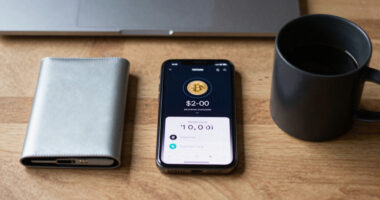
Hardware wallets protect private keys offline, but families must plan for backups and inheritance. The best options combine security with user-friendly features suitable for all ages and tech skills.
Imagine your family’s crypto assets as a treasured family heirloom—valuable, fragile, and worth protecting. Now, think about how you’d keep that heirloom safe from accidental loss, theft, or damage. Hardware wallets are like high-security safes for your digital wealth, but they come with their own set of considerations. Choosing the right hardware wallet for your family isn’t just about security; it’s about making sure everyone can access and understand it when needed.
This guide will walk you through what makes a hardware wallet a good pick for families—covering ease of use, backup options, shared access, and how to plan for the future. Whether you’re a tech novice or a crypto veteran, these insights will help you build a safe, family-friendly crypto strategy that lasts across generations.
Prioritize ease of use and clear setup processes to encourage family participation.
Plan and secure your recovery phrase carefully—its safety is more vital than the device itself.
Consider multisignature arrangements for shared control, reducing single points of failure.
Choose wallets with features like durability, multi-asset support, and Bluetooth for family convenience.
Regularly update firmware and test recovery procedures to keep assets safe over time.
How to Pick a Hardware Wallet That Everyone in Your Family Can Use
Starting with the basics, a hardware wallet is a device that keeps your private keys offline, away from hackers and malware. But for families, ease of use is just as important as security. Think about the youngest teenager or the least tech-savvy adult in your household. If they struggle to set up or operate the device, it’s more likely to be left unused or, worse, misused.
Look for wallets with a clear screen, simple setup instructions, and straightforward recovery processes. Devices like the BitBox 02 Nova and Ledger Nano S Plus are known for intuitive interfaces, which reduces errors during setup and recovery. An easy, step-by-step onboarding process prevents shortcuts that could compromise security.
Why does ease of use matter so much? Because if family members find the device complicated or intimidating, they might avoid using it altogether. This can lead to risky behaviors, like writing down recovery phrases insecurely or neglecting backups. Conversely, user-friendly devices encourage consistent, correct use, which is vital for safeguarding assets. The tradeoff often involves balancing simplicity with security features—some very simple devices might lack advanced protections, so choosing a device that is both intuitive and secure is key. Ensuring everyone can confidently operate the wallet reduces the risk of accidental loss or security breaches, making it more likely that your family’s crypto wealth remains protected and accessible when needed.
As an affiliate, we earn on qualifying purchases.
Why Backup and Inheritance Planning Matter More Than the Device
Many families focus on buying the most secure hardware wallet, but the real challenge is backing up and passing on access. A device can be ultra secure, yet if the recovery phrase is lost or stolen, your assets are gone forever.
Think of the recovery phrase as the master key—if it’s lost, the assets vanish. Even the best hardware wallet can’t save you if the backup isn’t secure. A family should agree on where to store the recovery phrase—preferably a fireproof safe or a safety deposit box—and keep it away from prying eyes.
Why is this so critical? Because the security of your crypto assets hinges on the integrity and accessibility of your backup. If the recovery phrase is stored insecurely—such as in a digital note or a shared email account—it becomes vulnerable to theft or accidental exposure. Conversely, overly secure storage, like hiding it in a secret location only one person knows, risks that person becoming unavailable or incapacitated. Proper planning involves a balanced approach: storing parts of the recovery phrase with trusted family members in different locations, or using a multi-signature setup, which requires multiple keys to access the assets. This approach reduces single points of failure and ensures that even if one part is lost or compromised, the assets remain recoverable. The implications are profound: a well-thought-out backup strategy can prevent total loss, avoid legal disputes, and facilitate inheritance. The tradeoff lies in complexity—more sophisticated arrangements require more coordination and understanding, but they significantly enhance security and peace of mind.
easy-to-use crypto hardware wallet
As an affiliate, we earn on qualifying purchases.
As an affiliate, we earn on qualifying purchases.
Can Multiple Family Members Safely Share One Hardware Wallet?
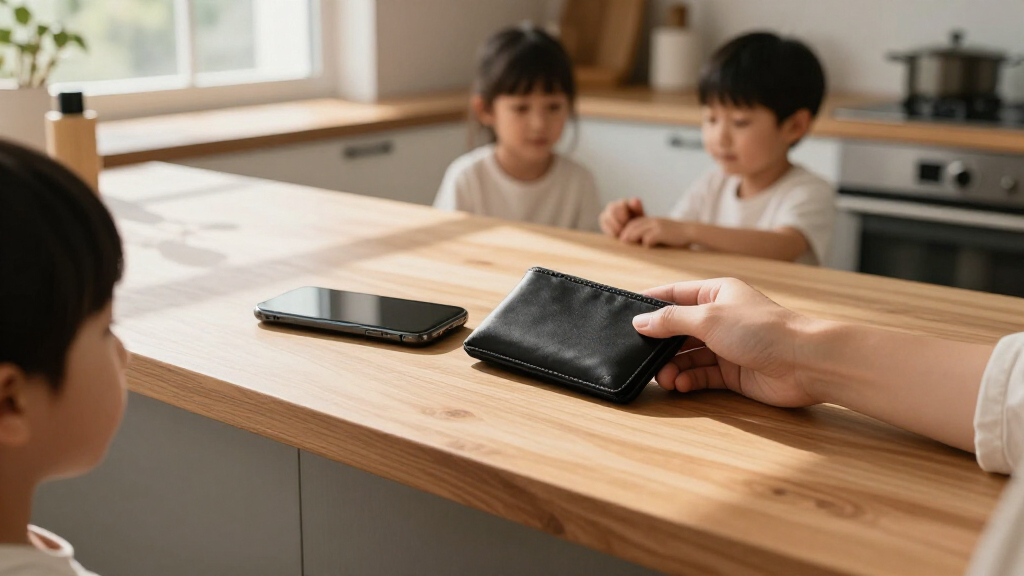
Sharing a single hardware wallet among family members sounds convenient, but it’s a risky move if not done carefully. Hardware wallets are designed around one person’s keys and recovery phrase. Giving everyone access means sharing the recovery phrase, which defeats the purpose of secure, private keys.
If you choose to share, consider a multi-signature setup instead. This involves multiple devices or keys—each family member controls one part, and transactions require approval from several. It’s like a digital safe that only opens when multiple family members agree.
Why is this better? Because sharing a single device or recovery phrase exposes the entire family to risks—if the phrase is compromised, all assets are vulnerable. Multi-signature arrangements distribute control, making it much harder for a single breach to result in loss. They also enable shared control without sacrificing security or privacy. For example, a family might set up a multisig wallet with three devices—each held by different trusted relatives. This setup ensures that no one person can unilaterally move funds, adding an extra layer of security. The tradeoff is increased complexity and cost, but the benefits in risk mitigation and shared control often outweigh these drawbacks, especially when managing significant family assets or planning for inheritance. This method promotes collective responsibility and reduces reliance on a single point of failure, making it a smarter, more resilient approach for families.
multi-asset hardware wallet with Bluetooth
As an affiliate, we earn on qualifying purchases.
As an affiliate, we earn on qualifying purchases.
The Top Features to Look for in Family-Friendly Hardware Wallets
| Feature | Why It Matters for Families |
|---|---|
| Ease of setup and use | Encourages everyone to participate without fear or confusion, reducing unsafe shortcuts. |
| Robust backup options | Ensures recovery if the device is lost or damaged—crucial for family planning. |
| Shared access capabilities | Supports multisignature or multiple user setups, ideal for joint control. |
| Compatibility with multiple assets | Allows families to manage various coins and tokens without switching devices. |
| Durability and portability | Protects against accidental drops, water, or fire—important when passing devices around in a busy household. |
For instance, the Ledger Nano X supports Bluetooth, making it easier to connect to family members’ phones without wires. Its large screen and multi-asset support make it suitable for a family with diverse holdings.
Choosing a device with these features can turn security from a chore into a family habit, reducing risks and increasing confidence in managing crypto assets together.
hardware wallet with recovery options
As an affiliate, we earn on qualifying purchases.
As an affiliate, we earn on qualifying purchases.
What Are the Best Hardware Wallets for Families Today?
There’s no one-size-fits-all, but some models stand out for family use due to their balance of security, ease, and backup features. Here’s a quick rundown:
- Ledger Nano X: Supports Bluetooth, multiple assets, and has a user-friendly interface—great for tech-savvy families.
- Trezor Model T: Touchscreen for simple navigation, excellent for beginners and families with varying tech skills.
- BitBox 02: Compact, easy setup, with a focus on security and backup—ideal for family members new to crypto.
- Ledger Nano S Plus: Lower cost, reliable, and straightforward—best if you want security without bells and whistles.
Remember, the best device depends on your family’s specific needs—assets held, tech confidence, and backup plans. These models are reliable starting points, but always verify current features and firmware support before buying.
How to Safely Set Up and Protect Your Family’s Crypto Wallets
- Buy directly from the manufacturer or trusted seller—avoid preconfigured or suspicious devices.
- Initialize the device yourself. Follow the official instructions carefully to generate your recovery phrase.
- Write down the recovery phrase on paper, store it in a fireproof safe, and keep it offline. Never photograph or email it.
- Test the recovery process with a small amount before transferring your whole stash. Confirm everyone understands how to restore access.
- Update firmware regularly through official channels. Avoid unofficial sources to prevent tampering.
- Teach family members about verifying transaction details on the device screen—never approve suspicious requests.
For example, a family I know set up their Ledger Nano X, wrote the seed on paper, and stored it in a safe deposit box. They practiced recovery with a small amount of crypto, ensuring everyone knew how to proceed in an emergency.
This simple process can save your assets from being lost to accidents, theft, or forgotten passwords.
Frequently Asked Questions
What is a hardware wallet, and how is it different from an exchange account or software wallet?
A hardware wallet is a physical device that stores your private keys offline, making it highly resistant to hacking. Unlike an exchange account or software wallet, which are connected to the internet and more vulnerable, hardware wallets keep your assets isolated and safer from online threats.
It depends on your family’s trust and assets. Separate wallets give individual control and reduce risk, but shared wallets with multisignature setups can improve security and simplify inheritance. Consider your comfort level and plan accordingly.
What happens if the device is lost or damaged? How can we recover our assets?
The recovery phrase is your backup—if the device is lost or damaged, you can restore your assets on a new device using this phrase. Always store the recovery phrase securely offline and test the recovery process periodically to ensure it works when needed.
How often should we update the firmware on our hardware wallet?
Regular updates improve security and compatibility. Check for firmware updates at least every few months via official channels, and follow instructions carefully to keep your device safe from vulnerabilities.
Is multisignature custody a good option for families?
Yes, multisignature setups involve multiple devices or keys, making it harder for any single person to control or lose access. This approach adds a layer of safety and is especially useful for families managing significant assets or planning for inheritance.
Conclusion
Protecting your family’s crypto isn’t just about the device—it’s about planning for every scenario. A well-chosen hardware wallet, combined with a clear backup and inheritance plan, can keep your digital wealth safe for generations.
Think of it as planting a sturdy tree—roots deep in security, branches reaching toward the future. Your family’s crypto legacy depends on the choices you make today. Make them wisely, and sleep easier tonight.
Halloween Picks
halloween
As an affiliate, we earn on qualifying purchases.