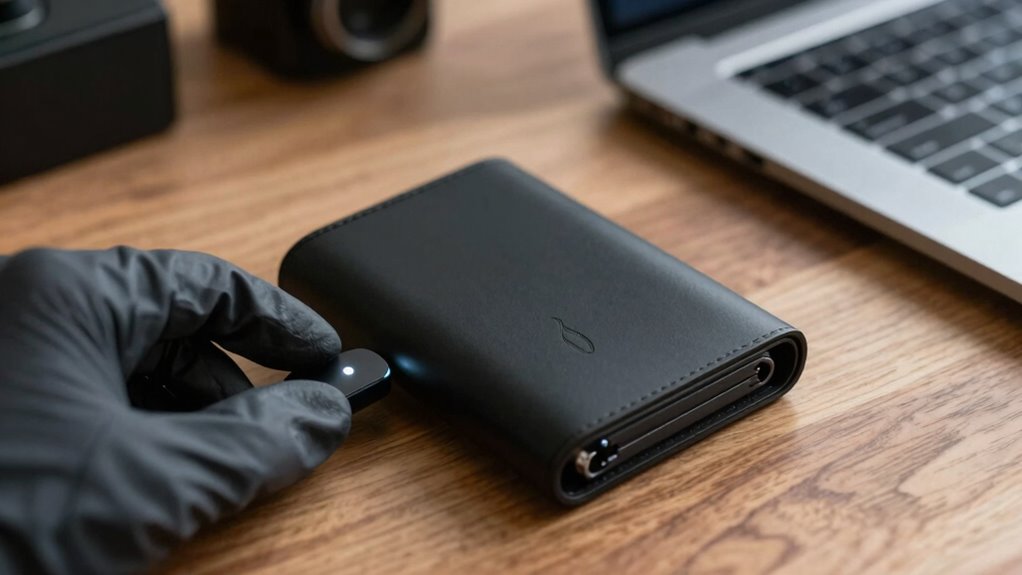

Before trusting any hardware wallet, check its security signals carefully. Look for the use of proven cryptographic protocols like AES or ECC, and confirm firmware updates are authenticated with secure digital signatures. Inspect for tamper-evident features and secure elements that protect your keys. Make sure the device has clear security signals from reputable manufacturers, such as audit logs or transparency reports. Staying informed about these crucial security checks helps protect your assets—there’s more to understand if you want thorough security.

Get hardware and tech essentials delivered free with Prime
- Fast, free delivery on millions of items
- Prime Video, Amazon Music and more included
- Member-only deals all year
Key Takeaways
- Verify the hardware wallet uses up-to-date, well-established cryptographic protocols like AES or ECC.
- Ensure firmware is digitally signed and obtained from official, trusted sources.
- Look for tamper-evident features such as seals or secure enclosures.
- Confirm the device employs secure elements or tamper-proof hardware components.
- Stay informed about the manufacturer’s security updates, audit logs, and compliance with current standards.
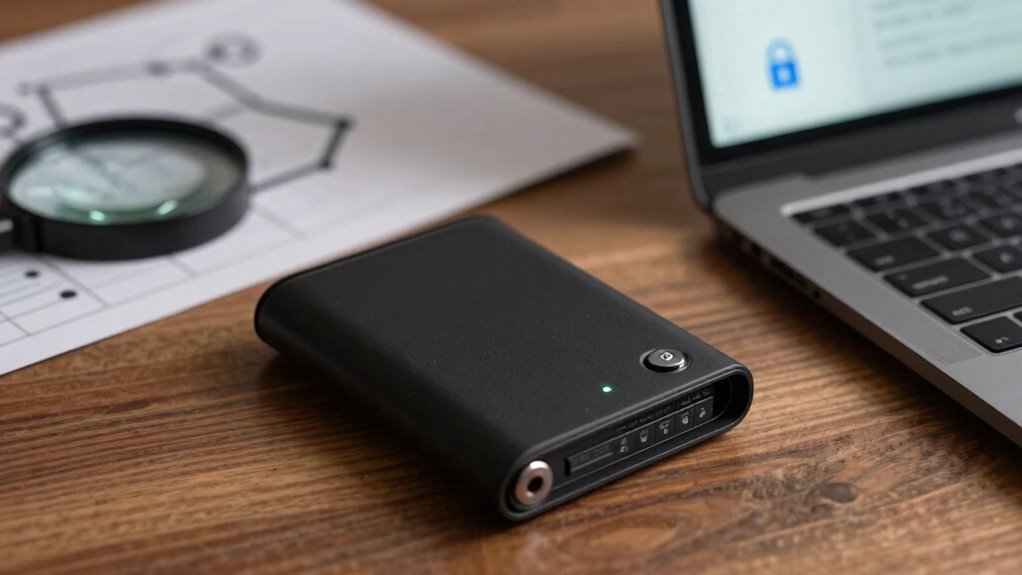
Hardware wallets are widely regarded as one of the safest ways to store cryptocurrencies, but their security isn’t guaranteed without paying attention to key signals. When you’re choosing a wallet, you need to be vigilant about the cryptographic protocols it employs. These protocols are the foundation of secure communication between your device and external networks, ensuring that your private keys stay protected from interception or tampering. A reputable hardware wallet will use well-established cryptographic standards, such as AES or ECC, which are regularly tested and updated. If the device relies on outdated or proprietary protocols, it could be vulnerable to attacks, so always verify that the wallet adheres to current security standards.
Choose hardware wallets that use current, well-established cryptographic standards like AES or ECC for maximum security.
Another critical factor is firmware integrity. Your hardware wallet’s firmware acts as its operating system, controlling its functions and safeguarding your private keys. If the firmware isn’t authentic or has been compromised, your entire crypto holdings could be at risk. Before trusting a wallet, check whether it has a secure firmware update process and if updates are signed digitally by the manufacturer. This ensures that the firmware you install hasn’t been tampered with and remains authentic. Many trusted brands provide transparent audit logs or cryptographic signatures to verify firmware integrity, which you should always review before performing any update. Ensuring firmware authenticity is essential for maintaining overall device security.
Additionally, pay attention to the security features embedded in the hardware design. Look for tamper-proof elements like sealed enclosures or tamper-evident stickers, which can alert you if someone has attempted to access the device physically. A robust hardware wallet also incorporates secure elements—specialized chips designed to store cryptographic keys securely, even if the device is compromised physically. These features work together to prevent malicious actors from extracting sensitive information. Being aware of hardware security features can greatly reduce the risk of physical attacks on your device. Moreover, understanding how these features function can help you choose a device that offers comprehensive protection. Regularly reviewing security signals provided by the manufacturer can also give you additional assurance of the device’s robustness. It’s also wise to stay informed about the latest security standards to ensure ongoing protection against emerging threats.
hardware wallet with secure elements
As an affiliate, we earn on qualifying purchases.
As an affiliate, we earn on qualifying purchases.
Frequently Asked Questions
Can Hardware Wallets Be Hacked Remotely?
Hardware wallets can be vulnerable to remote hacking, especially if firmware vulnerabilities exist. While they’re designed to keep your assets safe offline, skilled hackers might exploit security flaws or trick you into malicious schemes. To protect yourself, regularly update your device’s firmware, buy from reputable sources, and avoid connecting your hardware wallet to compromised computers. Staying vigilant reduces the risk of remote hacking and keeps your crypto assets secure.
How Often Should I Update My Hardware Wallet Firmware?
Coincidentally, your hardware wallet’s longevity depends on timely firmware updates. You should update your firmware whenever a new version is released—usually every few months—to patch security flaws and enhance features. Regular updates guarantee peak performance and protect your assets from vulnerabilities. Staying proactive with firmware update frequency not only secures your investments but also extends your hardware wallet’s lifespan, keeping it reliable and secure for years to come.
Are There Any Physical Signs of Tampering?
Yes, you should perform a physical inspection of your hardware wallet regularly. Look for tampering signs like scratches, dents, or loose parts that seem out of place. Check the seals or stickers for any damage or reseals. If you notice anything suspicious, it could indicate tampering. Trust your instincts—if something looks off, avoid using the device until you verify its integrity or replace it.
Do All Hardware Wallets Support Multi-Signature Transactions?
Not all hardware wallets support multi-signature compatibility, which is a vital feature for enhanced security. You should verify if the wallet you’re considering can handle multi-signature transactions, as some have hardware limitations that restrict this functionality. Always check the specifications beforehand to make sure it meets your security needs. Remember, hardware wallet limitations can vary, so choosing one with multi-signature support is essential for better control over your assets.
What Is the Typical Lifespan of a Hardware Wallet?
A hardware wallet typically lasts 3 to 5 years, but it depends on usage and care. Imagine your device as a sturdy vault that safeguards your cryptocurrency backups and wallet encryption keys—over time, wear and tear may weaken its defenses. Regular updates and careful handling extend its lifespan. Keep in mind, replacing it before failures occur guarantees your digital assets stay protected, just like renewing a vault’s security system.
tamper-evident cryptocurrency wallet
As an affiliate, we earn on qualifying purchases.
As an affiliate, we earn on qualifying purchases.
Conclusion
If you ignore these essential security signals, you’re practically handing over your crypto fortune to hackers on a silver platter. Don’t fall for flashy features or shiny brands—your hard-earned coins deserve bulletproof protection. By double-checking these signals, you’re not just being cautious; you’re building an impenetrable fortress around your assets. Remember, one overlooked detail could turn your digital gold into a hacker’s treasure chest overnight. Stay vigilant, stay safe, and guard your crypto like your life depends on it—because it does.
AES ECC cryptographic hardware wallet
As an affiliate, we earn on qualifying purchases.
As an affiliate, we earn on qualifying purchases.
hardware wallet with firmware signature verification
As an affiliate, we earn on qualifying purchases.
As an affiliate, we earn on qualifying purchases.
Columbus Day / Indigenous Peoples' Day Picks
long weekend sales
As an affiliate, we earn on qualifying purchases.