

Your token design shapes how users interact with the network, influencing incentives, participation, and governance. Controlled issuance fosters trust and stability, while unpredictable supply can cause inflation. How tokens are distributed affects decentralization and who holds influence. Features like voting mechanisms and rewards steer stakeholder behavior and network health. Thoughtful design can promote long-term engagement and sustainability. Want to discover how these choices impact blockchain dynamics and user behavior? Keep exploring to get the full picture.

Get hardware and tech essentials delivered free with Prime
- Fast, free delivery on millions of items
- Prime Video, Amazon Music and more included
- Member-only deals all year
Key Takeaways
- Token issuance controls supply and scarcity, influencing user incentives and long-term network value.
- Distribution methods affect decentralization, participant involvement, and decision-making power within the network.
- Governance models determine how decisions are made, impacting network stability and stakeholder influence.
- Token features like voting rights and staking rewards shape user behavior and network dynamics.
- Transparency and engagement mechanisms foster trust, promote participation, and ensure network sustainability.
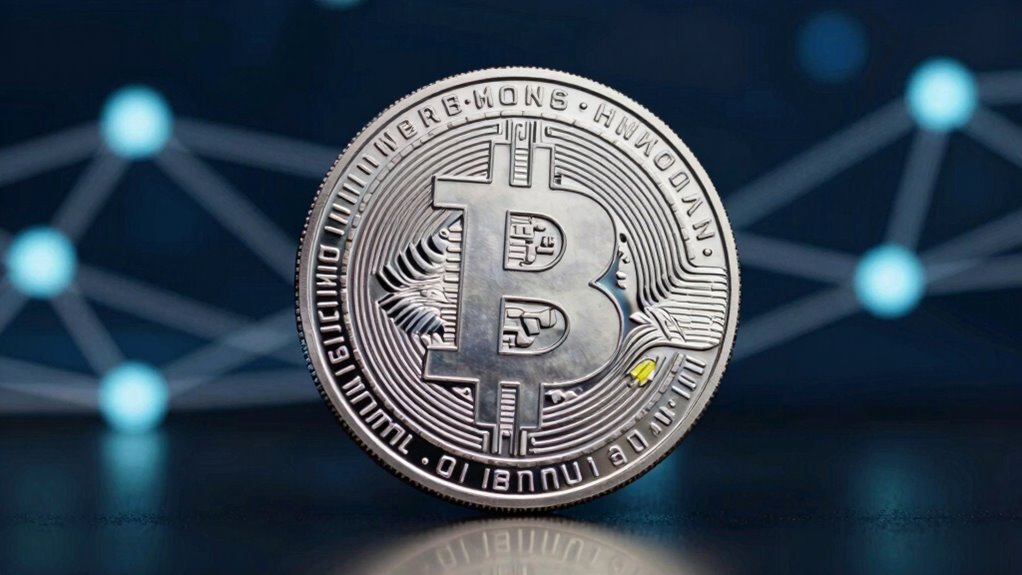
Have you ever wondered how the design of a token influences the behavior of a blockchain network? The way tokens are created and managed plays a pivotal role in shaping the network’s dynamics, from how it evolves to how participants interact within it. Token issuance, for instance, determines the supply, distribution, and scarcity of tokens, which directly impacts user incentives and overall network health. If tokens are issued in a controlled, predictable manner, it can foster trust and stability. Conversely, unpredictable or unlimited issuance might lead to inflation, diluting value and discouraging long-term engagement. How tokens are distributed—whether through mining, staking, or initial allocations—also influences participation and decentralization, affecting who has a say in the network’s future.
Token design shapes network behavior, influencing trust, participation, and long-term stability through issuance and distribution methods.
Governance models are another key element linked to token design. They define how decisions are made, who holds the power, and how changes are implemented. Some networks adopt a decentralized governance structure, where token holders vote on proposals, giving the community a direct say in updates and policies. Others might rely on a more centralized model, where a core team or foundation makes strategic choices. The structure of these governance models influences how resilient the network is to changes, how quickly it adapts, and how much influence individual participants wield. When tokens are integral to governance, their design—such as voting weight, quorum requirements, and proposal mechanisms—becomes essential. Poorly designed governance can lead to centralization, conflicts, or decision paralysis, whereas well-crafted models promote inclusivity and efficient decision-making. Proper token utility enhances participation and aligns incentives, ensuring the network functions optimally.
The interplay between token issuance and governance models shapes user behavior and network resilience. If tokens are scarce and voting rights are proportional to holdings, you might see increased efforts to accumulate tokens to gain influence. This can lead to wealth concentration or even manipulative tactics if not carefully managed. Additionally, implementing mechanisms like staking rewards can incentivize long-term participation and stability within the network. On the other hand, some networks implement mechanisms like quadratic voting or capped voting power to prevent dominance by large holders, encouraging broader participation. The design choices you make here influence not only how stakeholders behave but also how the network evolves over time. Thoughtful token design aligns incentives, encourages active participation, and supports the network’s sustainability. Incorporating transparency measures into token management can further bolster participant trust and engagement.
Furthermore, integrating community engagement mechanisms into token design can enhance trust and collaboration among participants. The design choices you make here influence not only how stakeholders behave but also how the network evolves over time. Thoughtful token design aligns incentives, encourages active participation, and supports the network’s sustainability. Recognizing the importance of token issuance and governance structure helps ensure the long-term health and decentralization of blockchain networks.
cryptocurrency staking hardware wallet
As an affiliate, we earn on qualifying purchases.
As an affiliate, we earn on qualifying purchases.
Frequently Asked Questions
How Do Tokenomics Influence User Engagement on Blockchain Networks?
Tokenomics directly influence your engagement by shaping token utility and user incentives. When tokens have clear utility, you’re motivated to participate actively, whether through staking, trading, or contributing to the network. Well-designed incentives reward your involvement, encouraging loyalty and consistent use. This alignment of interests makes you more likely to stay engaged, helping the blockchain network grow stronger and more vibrant over time.
Can Token Design Prevent Network Attacks or Vulnerabilities?
Token design acts like a shield, helping prevent network attacks or vulnerabilities. You can incorporate security protocols and economic incentives that deter malicious actions, making attacks less appealing. Well-designed tokens promote attack mitigation by rewarding honest behavior and penalizing bad actors. Although no system is foolproof, smart token design considerably bolsters your network’s defenses, creating a safer environment and reducing the risk of vulnerabilities.
What Role Do Governance Tokens Play in Network Decision-Making?
Governance tokens give you a say in network decision-making by allowing you to participate in consensus mechanisms. When you hold these tokens, you can influence proposals and upgrades, directly affecting the network’s future. Your stakeholder influence grows as more users hold governance tokens, creating a more democratic process. This setup guarantees that the community’s interests shape key changes, fostering transparency and decentralization within the blockchain ecosystem.
How Do Inflationary vs. Deflationary Tokens Impact Network Stability?
You’ll find that inflationary tokens, which increase supply over time, often promote active participation but can threaten network stability if unchecked. Conversely, deflationary tokens reduce supply, potentially increasing value and encouraging long-term holding. About 60% of blockchain projects adopt inflationary models for flexible monetary policy, aiming for inflation control. Your choice impacts network stability, influencing how users trust and interact with the system’s economic environment.
Are Certain Token Models More Environmentally Sustainable?
Yes, certain token models are more environmentally sustainable. Eco-friendly tokens, like those using proof-of-stake instead of proof-of-work, consume less energy and reduce carbon footprints. Sustainable token models prioritize energy efficiency and long-term viability, making them better for the environment. By choosing eco-friendly tokens, you help promote greener blockchain networks and support sustainable practices within the crypto space.
blockchain governance voting platform
As an affiliate, we earn on qualifying purchases.
As an affiliate, we earn on qualifying purchases.
Conclusion
Understanding how token design influences blockchain behavior is vital for shaping effective networks. When you tweak token features, you can dramatically impact user incentives, security, and network growth. For example, studies show that well-designed tokens can boost user participation by over 40%. So, if you want a thriving, secure blockchain, pay close attention to token design—because small changes can lead to big results, transforming the way your network functions and evolves.
decentralized token distribution tools
As an affiliate, we earn on qualifying purchases.
As an affiliate, we earn on qualifying purchases.
crypto token utility and rewards
As an affiliate, we earn on qualifying purchases.
As an affiliate, we earn on qualifying purchases.
Halloween Picks
halloween
As an affiliate, we earn on qualifying purchases.