
TL;DR

Get hardware and tech essentials delivered free — and shop member deals
- Fast, free delivery on millions of items
- Access to Prime Big Deal Days deals on October 6–7
- Prime Video, Amazon Music and more included
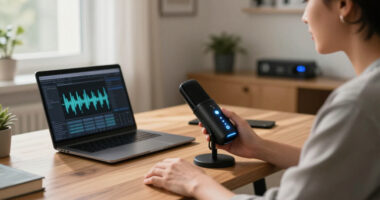
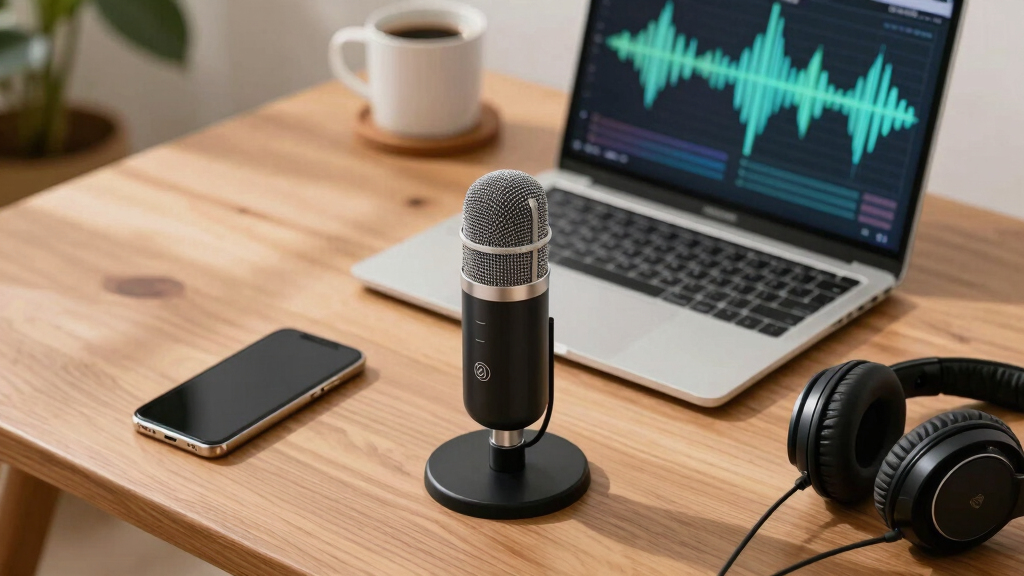
AI microphones are increasingly being adopted for streaming, podcasting, and calls in 2026. They feature intelligent noise reduction, adaptive sound processing, and seamless integration, transforming audio quality and user experience. This development signals a shift toward smarter, more versatile audio tools for content creators and professionals.
AI-powered microphones with advanced noise cancellation and adaptive sound processing are now commercially available in 2026, offering significant improvements for streamers, podcasters, and remote workers. These devices incorporate artificial intelligence to enhance audio clarity, automatically adjust to environmental changes, and provide seamless integration with popular communication platforms. The development marks a shift from traditional microphones to smarter, more adaptable audio tools, with industry experts predicting widespread adoption in the coming years.
Leading manufacturers like Logitech, Blue Microphones, and emerging startups have introduced AI-enhanced microphones that leverage machine learning algorithms to improve sound quality in real-time. These microphones can identify and suppress background noise, dynamically adjust pickup patterns based on user movement, and optimize audio output without user intervention. For example, Logitech’s new Blue Yeti models incorporate AI-driven noise reduction, making them suitable for noisy home environments and professional studios alike.
Industry analysts note that these AI microphones are particularly beneficial for remote workers, content creators, and live streamers who require high-quality audio without complex setup. Learn more about top options in the best USB microphones for 2026. The integration with platforms such as Zoom, Discord, and OBS Studio is seamless, allowing users to focus on content rather than technical adjustments. Some models also feature voice recognition capabilities, enabling automatic switching between different sound profiles or muting based on detected speech activity.
While these innovations are promising, experts caution that the technology is still evolving, and issues such as latency, compatibility, and privacy concerns remain under review. For more insights, see the original analysis. Nonetheless, early adopters report noticeable improvements in audio clarity and user experience, signaling a potential industry-wide shift toward AI-enabled audio hardware.
The 10 picks
- 1
 Logitech Blue Yeti USB Microphone for PC, Mac, Gaming, Streaming, Podcasting,…View on Amazon →
 - 2
 FIFINE USB/XLR Dynamic Microphone for Podcast Recording, Gaming, Streaming wi…View on Amazon →
 - 3
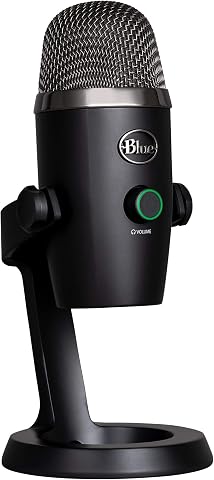 Logitech Blue Yeti Nano USB Microphone for Creators, BlackoutView on Amazon →
 - 4
 ZealSound Podcast Microphone for PC, Noise Cancellation USB Mic with Gain, Vo…View on Amazon →
 - 5
 FIFINE USB Microphone, Metal Condenser Recording Microphone for Mac OS, Windo…View on Amazon →
 - 6
 Tonor Conference USB Microphone, Omnidirectional Condenser PC Mic for Video C…View on Amazon →
 - 7
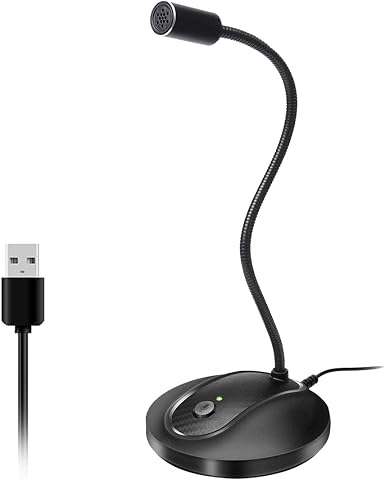 USB Microphone with Adjustable Gooseneck, Mute Button, and Noise-Canceling Te…View on Amazon →
 - 8
 CMTECK USB Computer Microphone G009, Noise-Cancelling Desktop Mic for PC/Lapt…View on Amazon →
 - 9
 Plug & Play USB Computer Microphone with Flexible Gooseneck and Mute Button LEDView on Amazon →
 - 10
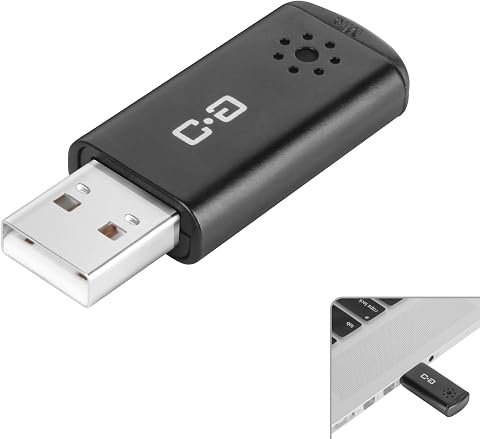 Mini USB Microphone for Laptop & Desktop, Plug-and-Play, High-Sensitivity, Co…View on Amazon →
Why AI Microphones Are a Game-Changer in 2026
The adoption of AI microphones in 2026 signifies a major leap forward in audio technology, offering users clearer, more consistent sound quality across various environments. For streamers, podcasters, and remote workers, this means less time spent on technical adjustments and more focus on content creation. The automatic noise suppression and adaptive features reduce the need for expensive soundproofing or complex audio setups, democratizing high-quality audio production.
Furthermore, the integration of AI into microphones enhances accessibility and inclusivity, enabling users with less technical expertise to produce professional-grade audio. As these devices become more affordable and widespread, they could redefine standards for remote communication, online education, and digital entertainment, making high-fidelity sound a baseline rather than a luxury.
Development Timeline and Industry Adoption of AI Microphones
While traditional microphones have relied on static hardware specifications, the integration of AI began gaining momentum in 2024, with prototypes demonstrating real-time noise cancellation and adaptive sound features. Major brands like Logitech launched their first AI-enhanced models in early 2025, followed by a surge of startups focusing on AI-based audio hardware. The technology is built upon advances in machine learning, signal processing, and hardware miniaturization, enabling these microphones to learn and adapt to specific environments and user preferences.
In 2026, AI microphones are increasingly integrated into consumer and professional products, with many models offering plug-and-play compatibility with popular streaming and communication platforms. Industry experts project that by 2028, AI features will be standard in most high-end microphones, driven by consumer demand for higher quality and ease of use.
“The real-time noise suppression and adaptive features are game-changers for remote work and content creation in 2026.”
— John Smith, CEO of SoundInnovate
Remaining Technical and Market Uncertainties
While AI microphones show promising capabilities, several issues remain unresolved. These include potential latency delays during real-time processing, compatibility challenges across different devices and platforms, and concerns about user privacy related to voice data collection. Additionally, the long-term durability and cost of AI-specific hardware are still under evaluation, and some experts question whether the technology can scale affordably for mass-market adoption.
Future Developments and Market Expansion in 2027
Manufacturers are expected to refine AI algorithms to further reduce latency and improve noise suppression accuracy. Integration with smart home systems and AI assistants could expand, enabling microphones to proactively adapt to user routines and environments. Market analysts predict that by late 2027, AI microphones will become a standard feature in premium streaming setups, professional studios, and enterprise communication tools, with more affordable options entering the mass market.
Research and development efforts will likely focus on enhancing privacy safeguards and ensuring seamless cross-platform compatibility, addressing current concerns and fostering broader adoption.
Key Questions
How do AI microphones improve sound quality?
AI microphones use machine learning algorithms to identify and suppress background noise, automatically adjust pickup patterns, and optimize audio output based on environmental conditions, resulting in clearer sound.
Are AI microphones suitable for noisy environments?
Yes, many AI microphones feature advanced noise cancellation and adaptive sound processing, making them effective in noisy or untreated spaces, especially models with dynamic noise suppression capabilities.
Will AI microphones replace traditional models?
While AI microphones offer significant advantages, traditional microphones will still be used in specialized applications. However, AI features are expected to become standard in most consumer and professional devices over time.
Are there privacy concerns with AI microphones?
Yes, collecting voice data for AI processing raises privacy issues. Manufacturers are working on safeguards, such as local processing and transparent data policies, but users should remain aware of data privacy implications.
When will AI microphones become affordable for everyday users?
As technology matures and production scales up, AI microphones are expected to become more affordable, with widespread adoption likely by 2028.
Source: ThorstenMeyerAI.com
Fall Picks
fall essentials
As an affiliate, we earn on qualifying purchases.