

DAOs turn internet communities into decision-making systems by using blockchain-powered token governance. You participate by holding tokens, which give you voting power to influence proposals and community rules. This makes decision-making more transparent, democratic, and inclusive, as votes are recorded securely on the blockchain. The process encourages collaboration and innovation, giving everyone a voice. Want to discover how these systems are reshaping online communities? Keep exploring to learn more.

Get hardware and tech essentials delivered free with Prime
- Fast, free delivery on millions of items
- Prime Video, Amazon Music and more included
- Member-only deals all year
Key Takeaways
- DAOs utilize blockchain-based voting to enable community members to participate actively in decision-making.
- Token ownership grants voting power, aligning influence with commitment and encouraging engagement.
- Transparent, tamper-proof records ensure trust and verifiability of community decisions.
- Smart contracts automate rule enforcement, streamlining governance processes.
- Decentralized structures foster inclusivity, innovation, and resilience in online communities.
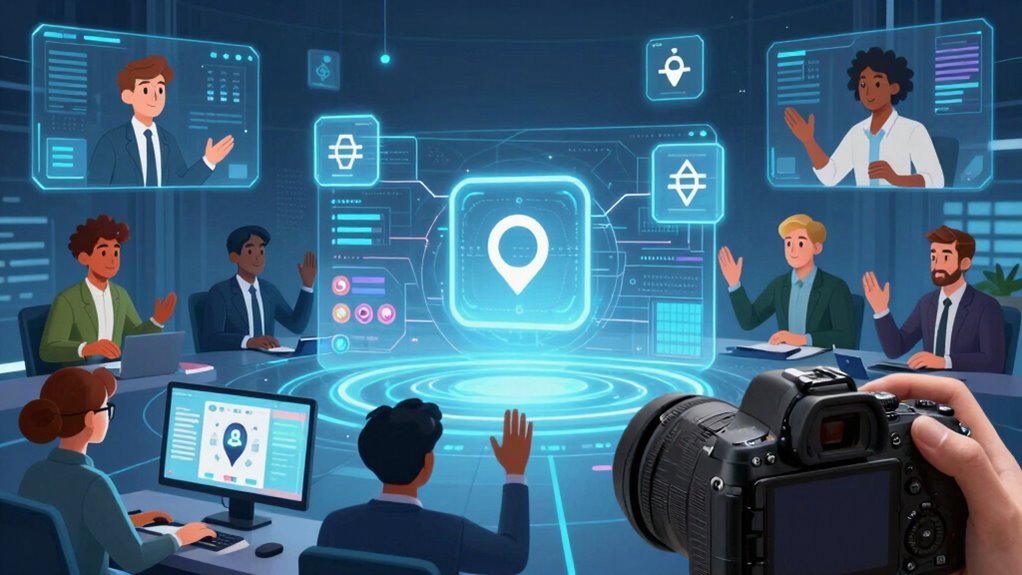
Have you ever wondered how online communities are changing the way we organize and make decisions? With the rise of decentralized autonomous organizations, or DAOs, the answer is becoming clearer. These digital entities leverage blockchain technology to transform passive followers into active participants. Instead of relying on traditional hierarchies, DAOs use token governance to empower members to influence major decisions directly. When you hold tokens within a DAO, you’re not just a passive observer—you gain voting power that allows you to shape the community’s future. This setup fosters a sense of ownership and accountability, making decision-making more democratic and transparent.
Community voting is at the heart of this process. Unlike conventional organizations where a few leaders make decisions, DAOs give everyone with tokens a voice. When a proposal surfaces—whether it’s about funding, project direction, or rule changes—you can cast your vote. These votes are recorded on the blockchain, ensuring they are tamper-proof and transparent. This transparency builds trust, as every member can verify voting outcomes without intermediaries. As a result, decisions aren’t dictated by a few individuals but emerge from the collective will of the community.
Token governance also simplifies decision-making. You don’t need complex committees or lengthy approval processes. Instead, proposals are submitted, debated, and voted on directly within the community platform. This rapid, transparent process allows DAOs to adapt quickly to new challenges or opportunities. Plus, because voting weight is often proportional to the number of tokens held, those who are more invested have a greater say—aligning influence with commitment. This encourages members to participate actively, knowing their involvement genuinely matters in shaping policies and projects. Moreover, the use of blockchain technology ensures that these processes are both secure and accessible to a global audience. Incorporating decentralized decision-making principles further enhances the inclusivity and resilience of these systems. Additionally, the transparent record of votes on the blockchain helps prevent disputes and maintains the integrity of the decision-making process. Recognizing that access to digital governance tools is essential, many DAOs are working to make these systems even more user-friendly and inclusive. The integration of smart contracts automates and enforces rules, further streamlining community operations.
Furthermore, token governance turns decision-making into an inclusive experience. It breaks down traditional barriers of access by enabling anyone with tokens to participate, regardless of geographic location or social standing. You can contribute ideas, vote on initiatives, and see the impact of your input in real-time. This decentralization of power fosters innovation, as diverse perspectives come together to solve problems or pursue new ventures. Overall, DAOs leverage community voting and token governance to replace top-down control with a bottom-up approach, making online communities more democratic, resilient, and responsive.
In essence, by integrating token governance and community voting, DAOs empower you to be more than just a member—they make you an active agent in decision-making. This paradigm shift is transforming how communities organize, operate, and grow in the digital age.
As an affiliate, we earn on qualifying purchases.
Frequently Asked Questions
How Do DAOS Ensure Accountability Among Community Members?
You guarantee accountability among community members by promoting community transparency, making decisions and actions visible to everyone. This openness encourages members to act responsibly. Additionally, you align member incentives with the DAO’s goals, motivating individuals to contribute positively. Regular voting, clear rules, and transparent communication hold everyone accountable, fostering trust. When members see how their actions impact the community, accountability naturally strengthens, creating a more engaged and responsible environment.
Can DAOS Operate Across Different Time Zones Effectively?
Sure, DAOs can operate across different time zones effectively—who knew? By leveraging time zone coordination tools and asynchronous communication, they embrace global participation without the chaos of real-time meetings. Members contribute whenever it suits them, ensuring decisions aren’t delayed by clocks. So, despite the irony, DAOs prove that decentralized decision-making thrives in a borderless world, turning worldwide participation into a seamless, round-the-clock effort.
What Legal Challenges Do DAOS Face Internationally?
You face legal challenges like regulatory compliance and jurisdictional conflicts when operating internationally as a DAO. Different countries have varying laws on digital assets, governance, and transparency, making it tough to navigate compliance requirements. Jurisdictional conflicts can lead to legal uncertainties, enforcement issues, or even bans. To succeed, you need to understand local regulations, adapt your practices, and consider legal advice to mitigate these international legal risks effectively.
How Do Voting Mechanisms Influence Decision Quality in DAOS?
You see, voting mechanisms like token governance shape decision quality in DAOs. When voting transparency is high, members make better-informed choices, boosting collective success. Conversely, opaque voting can lead to manipulation or uninformed decisions, harming the community. Token governance distributes influence based on stake, encouraging responsible voting. Ultimately, clear, transparent voting mechanisms elevate decision quality, fostering trust and effective governance within your DAO.
What Are the Risks of Centralization Within DAOS?
You face centralization risks in DAOs, which can undermine their decentralized nature and decision-making fairness. When a few members hold disproportionate voting power, governance challenges arise, risking manipulation or bias. This concentration can lead to reduced trust and participation from the broader community. To mitigate these risks, you need transparent protocols and balanced voting mechanisms that promote equitable influence, ensuring the DAO remains truly decentralized and resilient.
As an affiliate, we earn on qualifying purchases.
Conclusion
Imagine a community like yours deciding together on a local project, each voice shaping the outcome through a DAO. This isn’t just a dream — it’s happening, empowering individuals to take control and make meaningful decisions. Picture voting on a community fund or environmental action, knowing your input truly counts. DAOs turn internet communities into active, collective decision-makers, creating a future where everyone has a say. It’s your turn to be part of this revolutionary shift.
As an affiliate, we earn on qualifying purchases.
decentralized decision-making software
As an affiliate, we earn on qualifying purchases.
As an affiliate, we earn on qualifying purchases.
Halloween Picks
halloween
As an affiliate, we earn on qualifying purchases.