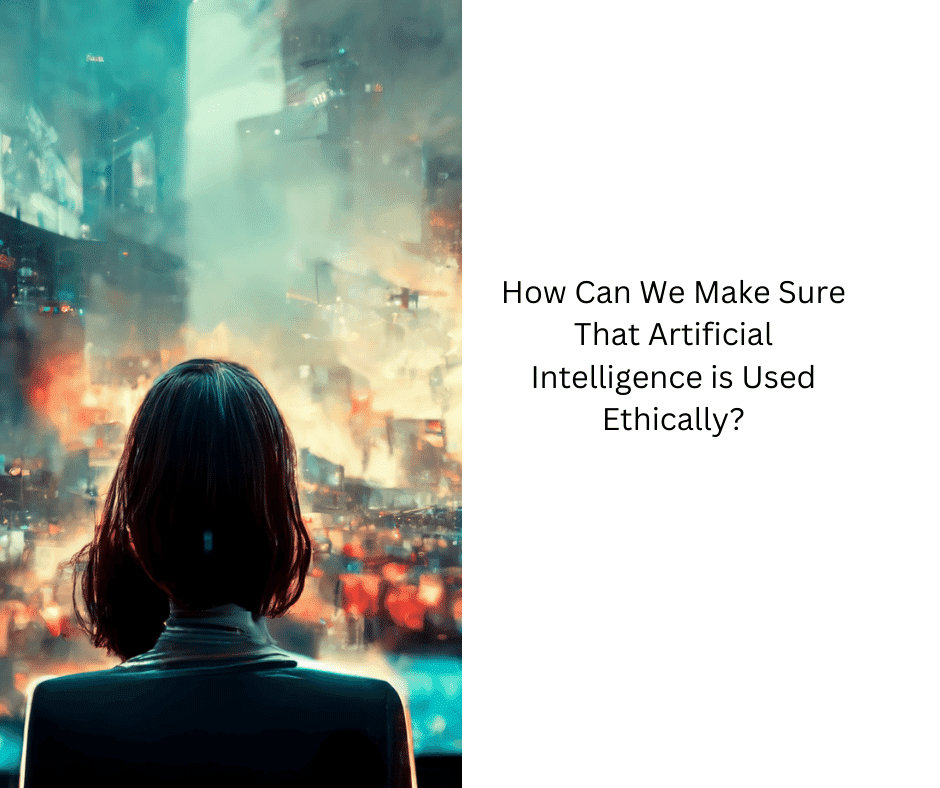

A critical question of our time is: how can we guarantee that artificial intelligence is used ethically? AI has vast potential to revolutionize our world, but it is crucial to maintain ethical principles to ensure its application is morally sound. As a fervent advocate for this movement, I believe we need to be more diligent in how we construct AI technologies. Furthermore, the impact of AI on society cannot be underestimated, as it has the power to shape our future in profound ways. Therefore, it is imperative that we establish clear guidelines and regulations to govern the development and implementation of AI. By doing so, we can work towards harnessing the potential of AI while mitigating any potential ethical pitfalls.

Get hardware and tech essentials delivered free — and shop member deals
- Fast, free delivery on millions of items
- Access to Prime Big Deal Days deals on October 6–7
- Prime Video, Amazon Music and more included

Ethics of AI
The use of artificial intelligence is a hot topic, but there are ethical concerns that can limit its use. The complexity of human values makes it difficult to develop human-friendly AI. Fortunately, there are some ethical principles and frameworks that can help companies develop AI ethically.
First, companies should implement a formal code of ethics publicly posted on the firm’s website. It should outline the ethical decisions made by firm leaders, including AI use. They should also create an internal AI review board to assess the company’s product lines and integrate ethics considerations into the decision-making process. The board should include representatives from the firm’s diverse stakeholder groups. They should be involved in a range of decisions related to AI, from the development of specific product lines to the procurement of government contracts.
Another important issue is privacy. While algorithmic transparency is important, addressing ethical considerations may not be sufficient. In addition, data collection and use involve different actors with different interests. This complicates the issue of enforcing ethics. Therefore, it is important to ensure that such tools are not used to sabotage society.
Governments should also be mindful of the risks involved in using AI for military purposes. Authoritarian governments have raised concerns about the use of this technology, including in China. For example, the Chinese government uses facial recognition and video cameras to scan people at train stations. Using facial recognition and AI, these systems can identify jaywalkers. Currently, China has deployed 200 million video cameras to monitor the public.
Ethics of AI in health
Ethical issues related to implementing artificial intelligence in health are a broad and complex topic. Though AI has the potential to improve health systems, it must be used responsibly. Recent analyses of AI in health indicate that caution is warranted and more research is needed to develop ethical AI.
Privacy and security are among the most important ethical considerations when using AI in health. Health care providers are required to protect patient health information under HIPAA. For example, Facebook’s new suicide detection algorithm collects data on a person’s posts to predict their mental state and propensity to commit suicide. However, this is in direct violation of HIPAA, and the data collected by Facebook are not subject to the same protections as those held by healthcare institutions.
AI solutions must be carefully integrated into medical practice and be subject to a sound governance framework. Otherwise, the technology may lead to unethical behavior and harm people. In the words of the Greek physician Hippocrates, “Not harm mankind.” The technology must be used ethically, because the use of untrustworthy practices can cause harm to patients and the healthcare system.
The ethical challenges surrounding AI in health are vast and complex. There is a huge need for more research in this area, because AI has the potential to improve health outcomes worldwide. Its rapid development is outpacing our understanding of its ethical implications.
Ethics of AI in policing
There are ethical concerns surrounding the use of AI in policing. Establishing a framework for this technology is important to avoid violating human rights. AI systems require careful management, evaluation, and development. The data they use should be subject to appropriate review and oversight by governing bodies. Such processes must be accountable to the public, protect individual rights, and be subject to a rigorous process to ensure they are used responsibly.
In the United States, police departments have adopted mainly predictive policing models, which use historical data to predict criminal behavior. This technology is already being implemented in over 60 departments. Some communities are concerned that this technology will create discriminatory practices. However, this is not necessarily the case.
In addition to legal concerns, there are ethical concerns surrounding the use of AI in policing. In particular, the use of AI in predictive policing raises questions about the protection of human rights and fundamental rights. The development of AI systems is not without risk, but it should be carefully evaluated before its widespread adoption.
A number of organizations have recently launched forums to discuss AI ethics in law enforcement. The UNICRI report aims to inform police leaders on using AI in law enforcement. The report covers a broad range of topics, including real-world applications of AI in law enforcement. The report also outlines the benefits of incorporating AI into law enforcement.
Fall Picks
fall essentials
As an affiliate, we earn on qualifying purchases.