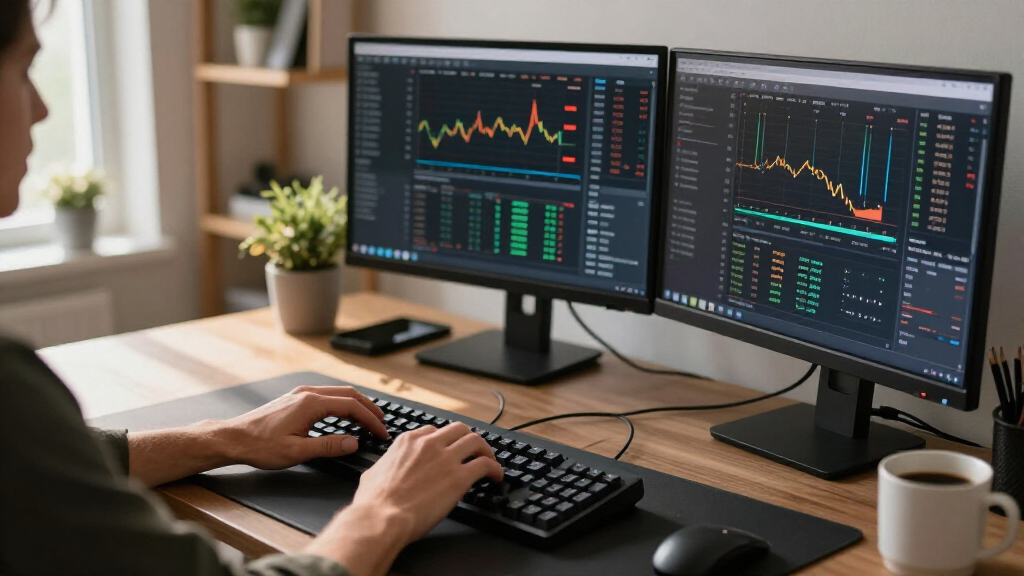

🔍 Read the full analysis: The Essential Checklist For AI Automation Desk Setup 2026 on ThorstenMeyerAI.com

Get hardware and tech essentials delivered free — and shop member deals
- Fast, free delivery on millions of items
- Access to Prime Big Deal Days deals on October 6–7
- Prime Video, Amazon Music and more included
TL;DR
ThorstenMeyerAI.com has published a 2026 checklist for building an AI development and automation desk setup. It names two specific products — the Dell Precision 7780 workstation laptop and the NVIDIA Jetson Orin Nano Developer Kit — and treats accelerators, local servers, docks and portable SSDs as workload-dependent options.
ThorstenMeyerAI.com has published a 2026 checklist for AI automation desk setups, organizing hardware by role rather than by brand: a primary workstation laptop, options for local-hardware experimentation, desk connectivity, and portable storage. The checklist names two products — the Dell Precision 7780 mobile workstation and the NVIDIA Jetson Orin Nano Developer Kit — while leaving slots such as USB AI accelerators and local AI servers as advice-only, because no specific product is specified for them. The guide is aimed at developers and hobbyists building a desk for coding, automation projects, and hands-on AI experimentation, and its central instruction is to match every purchase to a defined workload before buying.
The checklist is structured around four roles. The primary computer slot is filled by the Dell Precision 7780, described in the guide as a 17.3-inch FHD mobile workstation with an Intel Core i9-13 processor. ThorstenMeyerAI cautions that a model name is not a complete specification: buyers should confirm the exact configuration, memory, storage, operating system, and available ports for the specific unit they are considering, and verify that their software and peripherals support that configuration. The guide also flags physical fit — a 17.3-inch machine occupies considerably more desk space than a compact notebook, so buyers should measure where it will sit alongside a dock, external display, or development board, and consider whether their desk size can handle a multi-monitor setup, checking the seller’s listed dimensions and weight against travel habits.
Two further slots are named only in category. A USB AI accelerator is presented as an optional add-on, and a local AI server as a separate machine for projects that need one — in both cases, according to the checklist, the buyer should first define the workload, then confirm operating-system support, framework and model requirements, network access, and physical needs such as power, cooling, and noise before comparing products. The checklist’s stated position is that a connector that fits does not by itself confirm that a buyer’s tools can use a device, and that broad labels like “AI accelerator” or “local AI server” specify none of the details that matter.
The remaining named pick is the NVIDIA Jetson Orin Nano Developer Kit, recommended as the desk’s place for hands-on embedded projects and experimentation. The guide advises reviewing official product documentation before purchase and checking what the exact listing includes versus what must be supplied separately — power, storage, and cabling are cited as items that may not be in the box. Rounding out the checklist are a Thunderbolt docking station for desk connectivity and a portable NVMe SSD for storage, with the same workload-first guidance applied to both.
Dell Precision 7780 17.3-inch FHD Mobile Workstation, Intel Core i9-13950HX, 128

A professional mobile workstation built for engineering, design, software development, data analysis, and content creation. It includes an Intel Core i9-13950HX processor, NVIDIA RTX 3500 Ada graphics with 12GB VRAM, Windows 11 Pro with AI Copilot, and a Dell manufacturer warranty through March 2031.
Pros:
- High-performance processor for demanding applications
- 128GB RAM and 1TB NVMe SSD
- Professional NVIDIA graphics with 12GB VRAM
- ISV-certified for professional software
Cons:
- The 17.3-inch size may make it less portable than smaller laptops
Best for: A desk-centered setup that can accommodate a 17.3-inch laptop.
Not ideal for: A compact workspace or frequent travel if the size does not suit you.
Bottom line: Choose this workstation only after confirming the exact configuration and checking that its size and ports fit your setup.
Why a Workload-First Checklist Matters
AI development hardware spans an unusually wide price range, from sub-$100 development boards to multi-thousand-dollar workstations and servers, and marketing labels often promise more than a specific configuration delivers. The checklist’s value is that it separates what is confirmed — two named products with stated characteristics — from what depends on the buyer’s project, such as accelerators and servers. Its most repeated warning is a common buying mistake: assuming a model name or category label establishes compatibility, memory, storage, ports, or software support. For readers assembling or upgrading a desk in 2026, the practical takeaway is that optional hardware should be added only when it supports a project the buyer actually expects to run, and that an existing laptop is often the right place to start before a separate server is justified.
How the 2026 Checklist Is Organized
The guide is organized by role rather than by product tier: a primary computer (the workstation laptop), ways to experiment with local hardware (USB accelerator, local AI server, development board), desk connectivity (the Thunderbolt dock), and portable storage (the NVMe SSD). Some slots include a named pick; others are advice only because no product was specified. The checklist instructs readers to check operating system, ports, physical space, and compatibility with existing devices before buying. For the development board slot, the guide notes that assuming a developer kit is ready for every project out of the box is a common error, and that buyers should verify what the listing includes and what accessories, host setup, and software their planned project requires.
“A common buying mistake is treating a model name as a complete specification. Confirm the exact configuration, memory, storage, operating system, and available ports for the unit you are considering.”
— ThorstenMeyerAI.com, 2026 checklist
What the Checklist Leaves Open
Several slots in the guide do not name a product — the USB AI accelerator, the local AI server, the Thunderbolt docking station, and the portable NVMe SSD are presented as categories with buying criteria only. The Dell Precision 7780 entry lists a display size and processor family but, as the guide itself notes, does not establish the exact memory, storage, operating system, or port configuration of any specific listing. Pricing and availability for all items are not addressed in the checklist. The source material provided is also truncated mid-section, so details for the docking station and portable SSD slots beyond their category placement are not available here.
How to Apply the Checklist
Readers planning a 2026 build can use the checklist as a sequence: define the workload, verify compatibility for each slot against official documentation, confirm the exact configuration of any named product listing, and measure desk space before purchasing. The guide suggests starting with the primary laptop and adding the optional accelerator or server slots only when a concrete workload or collaboration need appears. Buyers considering the Jetson Orin Nano Developer Kit should next review NVIDIA’s official documentation and the specific listing contents. As with any hardware purchase, prices and configurations change; checking current seller listings before buying remains necessary.
Key Questions
Which specific products does the 2026 checklist name?
Two: the Dell Precision 7780 (17.3-inch FHD mobile workstation with an Intel Core i9-13) as the primary computer, and the NVIDIA Jetson Orin Nano Developer Kit as the development board. All other slots are advice-only.
Does the checklist recommend buying a USB AI accelerator or local AI server?
Not automatically. According to the guide, both are optional slots: define a specific workload first, confirm software and framework compatibility, and only then choose a product. If a current laptop can handle the work, the guide recommends starting there.
Why does the checklist warn against relying on a model name like the Dell Precision 7780?
Because a model name does not establish the exact configuration. The guide advises confirming memory, storage, operating system, and ports for the specific unit listed, and checking that your software and peripherals support it.
Is this financial or purchase advice I must follow?
No. The checklist is general guidance from ThorstenMeyerAI.com. Hardware needs vary by project, and prices, configurations, and availability change — verify details in current seller listings and official documentation before buying.
What should I check before buying the Jetson Orin Nano Developer Kit?
The guide recommends reviewing official product documentation, confirming the software, accessories, and host setup your project requires, and checking what the exact listing includes versus what must be bought separately, such as power, storage, and cabling.
Source: ThorstenMeyerAI.com
Fall Picks
fall essentials
As an affiliate, we earn on qualifying purchases.