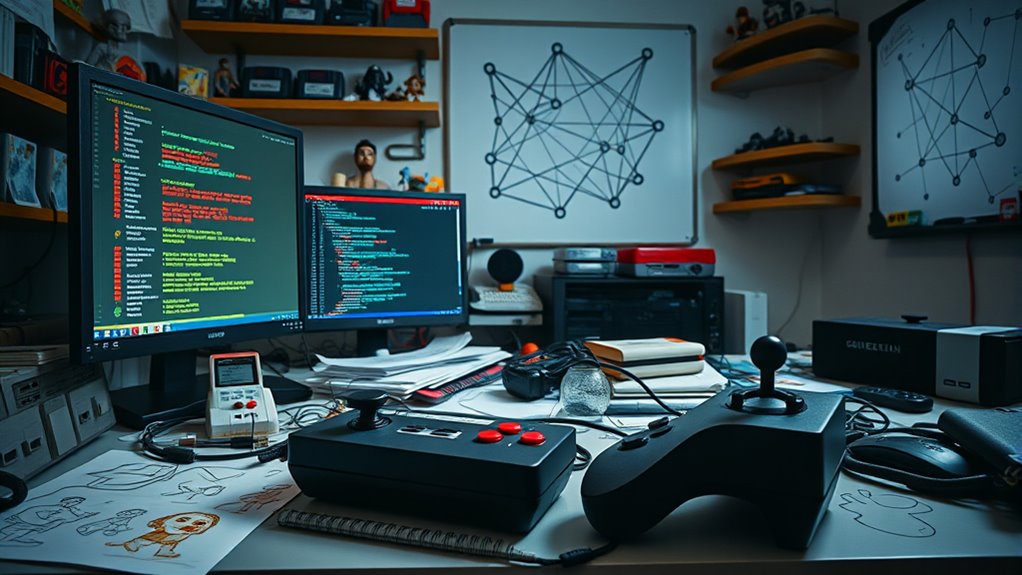

Did you know that many indie games are adopting blockchain tech to give players ownership of in-game assets? This approach mirrors the decentralized economy by removing traditional gatekeepers and empowering communities to participate directly. It’s a shift that challenges conventional gaming models, but the full implications could change how you experience and influence your favorite titles. Curious how these small developers are shaping a new digital landscape?

Get hardware and tech essentials delivered free — and shop member deals
- Fast, free delivery on millions of items
- Access to Prime Big Deal Days deals on October 6–7
- Prime Video, Amazon Music and more included
Key Takeaways
- Indie games leverage blockchain funding methods like token sales, fostering transparency and community trust similar to decentralized economies.
- They promote player ownership of in-game assets through NFTs, mirroring asset trade and value outside traditional centralized systems.
- Indie developers bypass publishers, embodying decentralization by directly engaging communities in development and decision-making processes.
- Community participation in governance via DAOs reflects the decentralized economy’s emphasis on collective control and shared ownership.
- These games transform players from passive consumers to active contributors, aligning with decentralization principles of empowerment and shared ventures.
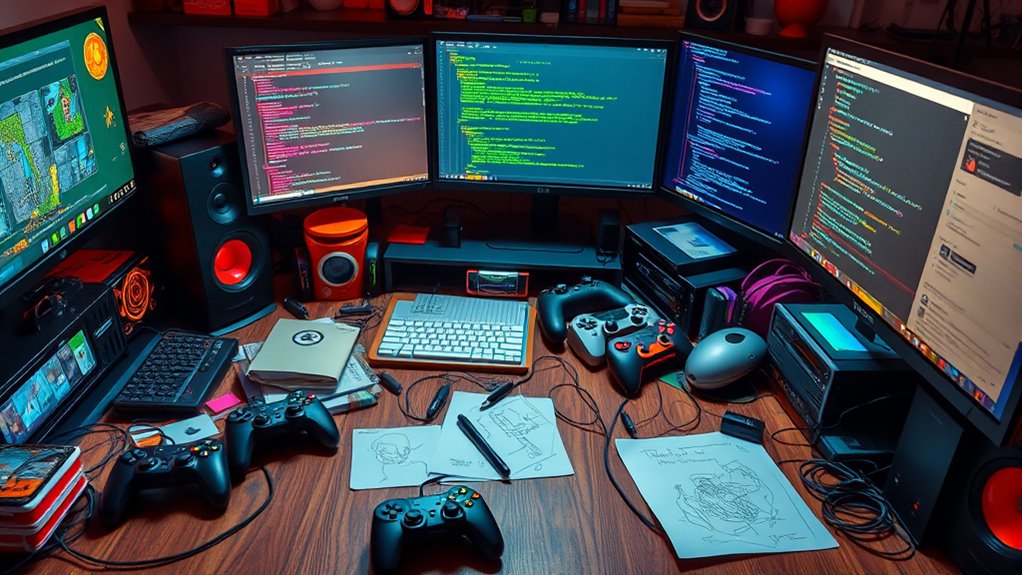
In recent years, indie games have become a powerful force within the emerging decentralized economy, offering developers new ways to monetize their creations and connect directly with players. Unlike traditional models that rely on publishers and intermediaries, indie creators now leverage blockchain funding to finance their projects. This approach allows you, as a developer, to raise funds directly from your community through token sales, crowdfunding campaigns, or initial coin offerings (ICOs). Blockchain funding provides transparency and security, giving your supporters confidence that their contributions are safe and traceable. It also helps you bypass the constraints of conventional funding channels, enabling you to start developing without the need for large publishers or venture capitalists. Additionally, the technology behind blockchain can improve project transparency and foster trust among your community members.
Indie games thrive in the decentralized economy through blockchain funding and direct community engagement.
This decentralized funding model aligns seamlessly with the core philosophy of the crypto economy—empowering individuals and fostering direct relationships. As a result, you’re not just creating a game; you’re building a community that has a stake in your project’s success. Player ownership becomes a central feature, transforming gamers from passive consumers into active stakeholders. By issuing non-fungible tokens (NFTs) or digital assets within your game, you give players true ownership of in-game items, characters, or even levels. These assets aren’t just cosmetic perks; they’re valuable, tradeable items that players can buy, sell, or hold outside the game environment. This ownership model creates a sense of investment and loyalty that traditional gaming often lacks, as players directly benefit from the success of the game they support.
Moreover, player ownership fosters a sense of fairness and transparency. When players hold real ownership rights, they’re more likely to feel invested in your game’s ecosystem and advocate for its growth. It also opens new economic opportunities, as players can monetize their assets or participate in governance decisions through decentralized autonomous organizations (DAOs). You, as an indie developer, can involve your community in decision-making processes, giving them a voice in updates, features, or future directions of the game. This participatory approach aligns with the principles of decentralization, making your game more than just entertainment—it’s a shared venture.
In essence, the convergence of blockchain funding and player ownership in indie games exemplifies how the decentralized economy empowers creators and consumers alike. You’re not only innovating in game design but also redefining ownership, funding, and community engagement. This shift creates a more equitable, transparent, and participatory gaming landscape—one where your audience isn’t just playing your game but actively shaping its future.
As an affiliate, we earn on qualifying purchases.
Conclusion
By now, you see how indie games embody the decentralized economy, giving you true ownership and a voice in development. They break away from traditional publishers, inviting you to join a collaborative community. Doesn’t that make you wonder—what if every industry embraced this level of transparency and shared power? As indie games continue to evolve, they remind us that decentralization isn’t just a trend—it’s the future of how we create, share, and grow together.
As an affiliate, we earn on qualifying purchases.
As an affiliate, we earn on qualifying purchases.
decentralized game development platform
As an affiliate, we earn on qualifying purchases.
As an affiliate, we earn on qualifying purchases.
Fall Picks
fall essentials
As an affiliate, we earn on qualifying purchases.