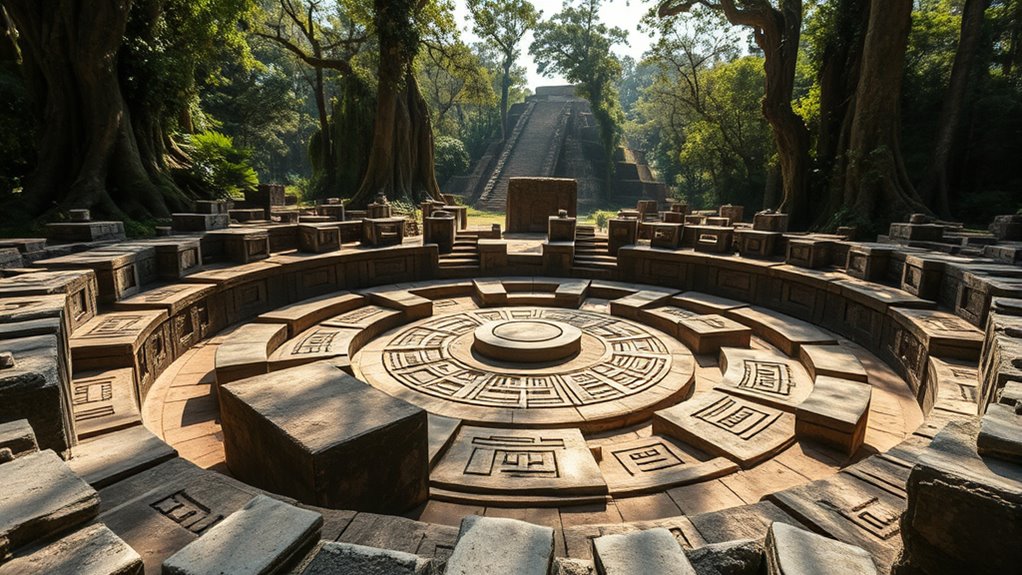

Ancient cultures understood the value of decentralization in ways that still resonate today. They relied on tribal governance and city-states to keep power close to the people, fostering resilience and cultural preservation. This approach allowed communities to adapt quickly and maintain stability. But what lessons can modern society draw from these early examples of local decision-making? Exploring these insights may reveal strategies for creating more resilient and autonomous systems now.

Get hardware and tech essentials delivered free with Prime
- Fast, free delivery on millions of items
- Prime Video, Amazon Music and more included
- Member-only deals all year
Key Takeaways
- Ancient Greek city-states like Athens and Sparta exemplified independent governance, maintaining sovereignty and local decision-making.
- Tribal societies prioritized collective customs and traditions, fostering autonomous leadership and cultural preservation.
- Decentralized political structures enabled quick adaptation and resilience during crises in various ancient cultures.
- Power was dispersed among local leaders and councils, ensuring accountability and societal stability.
- Ancient cultures recognized decentralization as vital for societal stability, innovation, and resistance to tyranny.

Many ancient cultures embraced decentralization as a fundamental aspect of their social and political systems. Instead of centralized authority dictating every aspect of life, they relied on local structures that empowered communities to govern themselves. This approach allowed for flexibility, resilience, and a sense of ownership among people. In many cases, tribal governance was the backbone of societal organization, where decisions were made collectively, respecting the customs and traditions of each community. These tribes often operated independently, maintaining their own leadership, laws, and social norms without heavy interference from outside authorities. Such decentralization fostered a deep sense of autonomy, enabling tribes to adapt quickly to challenges and preserve their unique identities. Recognizing the importance of local governance, many ancient societies structured their political systems to prevent the concentration of power. City-states exemplify another form of decentralization that ancient cultures understood well. Unlike large empires with a single ruler commanding vast territories, city-states functioned as independent political entities. Each city-state had its own government, military, and laws, giving its citizens a direct say in local affairs. This setup minimized the risks associated with overly centralized power, such as tyranny or mismanagement. It also facilitated innovation and local governance tailored to specific needs. For example, in ancient Greece, city-states like Athens and Sparta thrived by maintaining their independence, each developing distinct political systems and cultural practices. These city-states often formed alliances or rivalries, but their sovereignty remained intact, highlighting the strength of decentralization in fostering political diversity. This decentralized structure extended beyond mere governance; it shaped social relations and economic activities. Communities with tribal governance or city-state independence could experiment with different ways of organizing land, trade, and resource management. When a community faced a crisis or challenge, it could adapt its policies without waiting for approval from a distant central authority. This nimbleness often led to innovations that influenced neighboring groups, spreading ideas of self-reliance and local decision-making. Furthermore, decentralization helped prevent the concentration of power that could lead to corruption or oppression. Instead, power remained dispersed among various local leaders, councils, or assemblies, ensuring accountability and participation. Understanding how ancient cultures valued decentralization reveals their recognition of its benefits. They knew that empowering local groups and maintaining independence of city-states fostered stability, innovation, and cultural diversity. By decentralizing authority, they created societies that could endure change, resist tyranny, and respect their communities’ unique identities. This insight remains relevant today, reminding us that decentralization can be a powerful tool for creating resilient and adaptable societies.
As an affiliate, we earn on qualifying purchases.
Conclusion
You can see that ancient cultures understood decentralization like a well-tended garden, each part thriving independently yet contributing to the whole. Their emphasis on local decision-making, resilience, and cultural preservation kept societies adaptable and strong. By allowing communities to self-govern, they created a mosaic of diverse ideas and traditions. This approach reminds us that decentralization isn’t just historical—it’s a essential strategy for building resilient, innovative societies today.
tribal leadership and decision-making tools
As an affiliate, we earn on qualifying purchases.
As an affiliate, we earn on qualifying purchases.
city-state model educational kits
As an affiliate, we earn on qualifying purchases.
As an affiliate, we earn on qualifying purchases.
local governance simulation games
As an affiliate, we earn on qualifying purchases.
As an affiliate, we earn on qualifying purchases.
Halloween Picks
halloween
As an affiliate, we earn on qualifying purchases.