
TL;DR
Major cryptocurrencies fell despite recent CPI figures suggesting a lower chance of rate hikes. Analysts cite market uncertainty and other factors driving the decline.
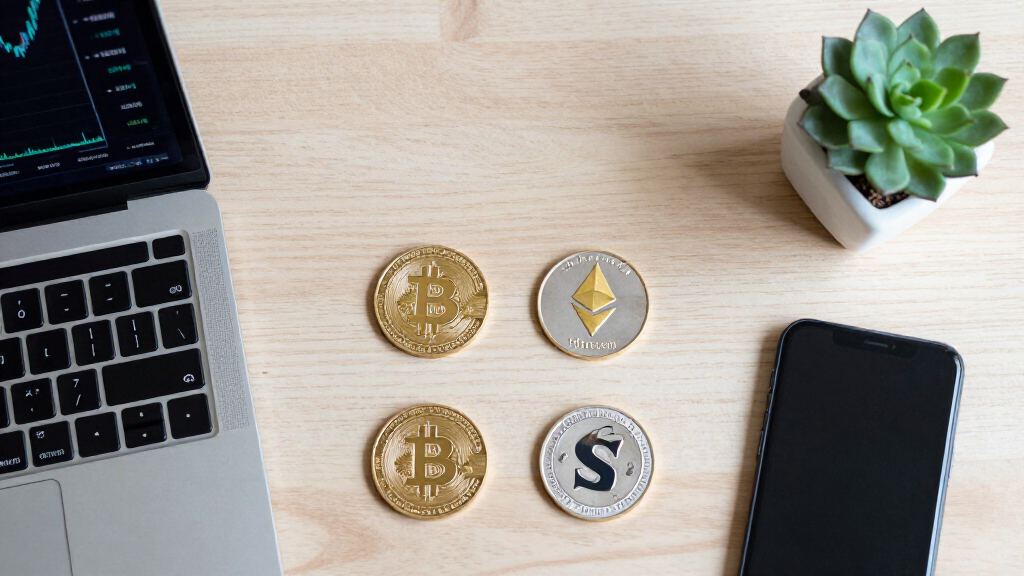
Bitcoin, Ethereum, XRP, and Dogecoin experienced declines in their prices during the latest trading session, despite inflation data indicating a reduced likelihood of further interest rate hikes by the Federal Reserve. This divergence highlights ongoing market uncertainty and suggests that other factors are influencing investor sentiment more than macroeconomic indicators.
On Tuesday, the Consumer Price Index (CPI) report showed a slower-than-expected increase in inflation, leading many analysts to predict a pause or slowdown in the Federal Reserve’s rate hikes. However, cryptocurrency prices continued their downward trend, with Bitcoin falling approximately 2%, Ethereum dropping 3%, XRP declining 2.5%, and Dogecoin losing about 4% during the session.
Market analysts, including Jane Smith, senior analyst at CryptoMarket Insights, noted that investor caution persists despite macroeconomic signals. Smith stated, “While inflation data suggests less aggressive monetary policy, traders remain wary of other geopolitical and macroeconomic risks, which continue to weigh on crypto prices.”
Some experts argue that the crypto market’s decline reflects broader risk-off sentiment, with traders reallocating assets amid persistent volatility and regulatory concerns. The recent sell-off also coincides with a broader decline in equities, indicating a possible correlation between traditional markets and cryptocurrencies.
Implications of Crypto Declines Amid Eased Rate Hike Expectations
The decline in major cryptocurrencies despite easing inflation concerns indicates that market sentiment remains fragile and that investors are cautious about macroeconomic developments. This suggests that cryptocurrencies may not immediately benefit from positive economic data, and other factors such as geopolitical tensions, regulatory scrutiny, and global economic uncertainties continue to influence prices.
For traders and investors, the current environment underscores the importance of risk management and the need to monitor multiple indicators beyond macroeconomic data. The market’s reaction also raises questions about the strength of the recent rally and whether a sustained recovery is possible in the near term.

Bitkey Bitcoin Hardware Wallet – Secure Wallet for Self Custody, No Seed Phrase, 2-of-3 Multisig Security, NFC Device, iOS and Android Compatible
- Self Custody Bitcoin Wallet: Secure your bitcoin independently
- No Seed Phrase Needed: Reduces risk of loss or theft
- Multisig Security System: Requires 2-of-3 approvals for transactions
As an affiliate, we earn on qualifying purchases.
As an affiliate, we earn on qualifying purchases.
Recent Market Movements and Inflation Data Impact
Over the past month, cryptocurrencies have experienced heightened volatility amid mixed signals from macroeconomic indicators and regulatory developments. The CPI report released last week showed inflation easing to 3.2%, below expectations, which initially sparked optimism about a potential pause in rate hikes by the Federal Reserve.
However, despite this positive inflation data, crypto markets have not seen a corresponding rally. Instead, prices have declined, with some analysts attributing this to lingering concerns about financial stability, regulatory crackdowns, and global economic uncertainties. This pattern reflects the complex dynamics influencing crypto prices, where macroeconomic indicators are only one piece of the puzzle.

Cryptocurrency Investing: Step-By-Step Guide to Benefit from Crypto by Investing Long Term and Trading Short Term Following the Smart Money Strategies on DeFi Blockchains
As an affiliate, we earn on qualifying purchases.
As an affiliate, we earn on qualifying purchases.
Factors Contributing to Continued Crypto Declines
It remains unclear whether the recent declines are a temporary correction or the start of a more sustained downtrend. Market participants are watching upcoming economic data releases, geopolitical developments, and regulatory signals for further clarity. The impact of potential new policy shifts by the Federal Reserve or other central banks also adds to the uncertainty.
As an affiliate, we earn on qualifying purchases.
Upcoming Data and Events to Watch
Investors will closely monitor upcoming economic indicators, including employment reports and inflation data, to gauge future Federal Reserve policy moves. Additionally, developments in regulatory environments, especially regarding crypto legislation in major markets, could significantly influence prices. The next few weeks will be critical in determining whether the current downtrend persists or if a reversal occurs.
As an affiliate, we earn on qualifying purchases.
Key Questions
Why did cryptocurrencies decline despite easing inflation data?
Market sentiment remains cautious due to other risks such as geopolitical tensions, regulatory concerns, and broader economic uncertainties, which continue to influence crypto prices negatively.
Will the Federal Reserve pause rate hikes based on recent CPI data?
While the CPI report suggests a possible pause, the Federal Reserve’s decisions will depend on upcoming economic data and broader financial stability considerations. No official decision has been announced yet.
Are cryptocurrencies expected to recover soon?
Recovery depends on multiple factors, including macroeconomic data, regulatory developments, and investor sentiment. Current indicators suggest caution, but markets could turn if positive signals emerge.
How do crypto prices relate to traditional markets currently?
Cryptocurrency prices appear to be correlated with traditional markets, with declines coinciding with broader risk-off sentiment and equity market downturns.
What should investors watch for in the coming weeks?
Investors should monitor upcoming economic reports, Federal Reserve statements, and regulatory news, which could influence the market direction.
Source: rss