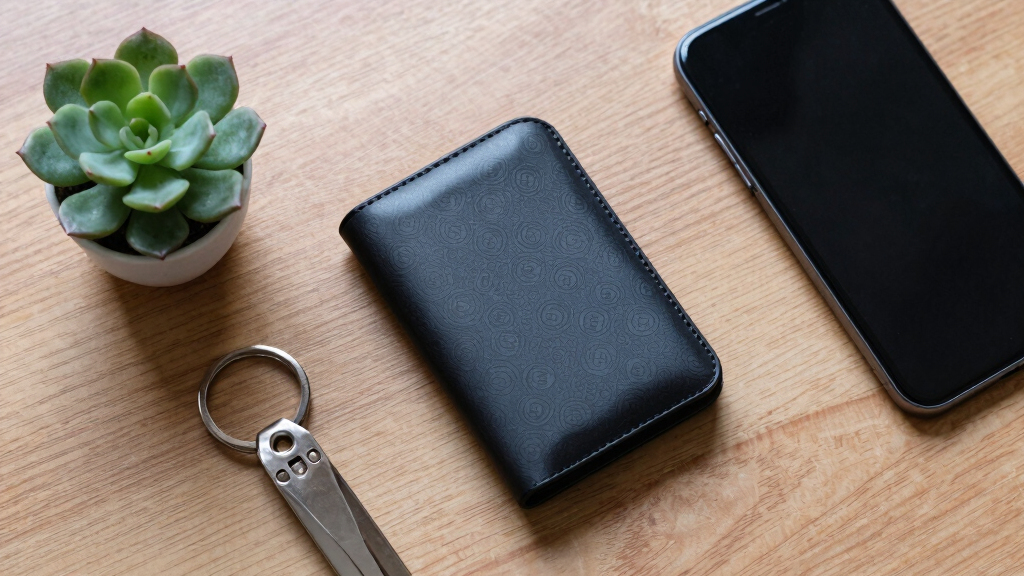

This guide walks you through the process of setting up a cryptocurrency hardware wallet, enabling secure storage and management of your digital assets. It is intended for users with basic knowledge of cryptocurrencies who want to enhance security by using dedicated hardware devices. Completing this process ensures your funds are protected from online threats and hacking attempts.

Ledger Nano X Crypto Wallet Signer – Bluetooth Enabled, Onyx Black
- ✔ Connectivity: Bluetooth
- ✔ Compatibility: iOS
- ✔ Color: Onyx Black

Tangem Crypto Wallet Pack of 3 – Cold Storage Hardware Wallet for Bitcoin, Ethereum, NFTs & Altcoins
- ✔ Number of Wallets: 3
- ✔ Supported Coins: 14,100+
- ✔ Security: EAL6+

Ledger Nano S Plus – Crypto Hardware Wallet, Gold, Compact, 1.1" Display, Desktop & Android Compatible
- ✔ Display: 1.1 inches
- ✔ Connectivity: USB-C
- ✔ Compatibility: Desktop (Windows, macOS, Linux), Android
Difficulty: Intermediate | Time: 30-60 minutes
What You’ll Need
Tools & Materials:
- Hardware wallet device (e.g., Ledger, Trezor)
- Computer or smartphone with internet access
- USB cable or Bluetooth (depending on device)
- Recovery seed backup paper
Knowledge:
- Basic understanding of cryptocurrencies and private keys
- Familiarity with installing software or apps
Ensure your hardware wallet is purchased from an official source to avoid tampering. Keep your recovery seed in a secure, offline location separate from the device.
Ledger Nano X Crypto Wallet Signer – Bluetooth Enabled, Onyx Black
<p>The <strong>Ledger Nano X</strong> stands out for its Bluetooth connectivity, making it ideal for users who want secure mobile management of over 15,000 coins and tokens. Its seamless integration with the Ledger Wallet app supports buying, selling, swapping, and staking cryptocurrencies, providing a comprehensive ecosystem. Compared to the Nano S Plus, it offers greater convenience for on-the-go crypto handling but at a higher price and with some battery life uncertainty. It’s less suited for those prioritizing offline security or who prefer a wired setup.</p>
Pros:
- Supports over 15,000 coins and tokens
- Bluetooth connectivity for mobile use
- Secure backup signer with authentication
Cons:
- Product color may vary slightly from pictures
- Requires app setup for authentication
- Battery life details are not specified
Best for: Crypto users who prioritize ease of use, mobile management, and support for a large variety of coins.
Not ideal for: Users seeking purely offline cold storage or those on a tight budget without need for Bluetooth.
Bottom line: The Ledger Nano X is the best choice for mobile-first crypto management, offering extensive coin support and convenience at a premium price.
“The Ledger Nano X is the best choice for mobile-first crypto management, offering extensive coin support and convenience at a premium price.”

TANGEM Crypto Wallet Pack of 3 – Trusted Cold Storage Hardware Wallet
- Proven Security: 9+ years, military-grade EAL6+ security
- Easy Blockchain Access: Manage 90 blockchains with one tap
- Wide Cryptocurrency Support: Access 14,100+ coins, tokens, NFTs
As an affiliate, we earn on qualifying purchases.
Tangem Crypto Wallet Pack of 3 – Cold Storage Hardware Wallet for Bitcoin, Ethereum, NFTs & Altcoins
<p>The <strong>Tangem Crypto Wallet</strong> offers exceptional security for long-term cold storage, supporting over 14,100 coins across 90 blockchains. Its <strong>military-grade security</strong> (EAL6+) and waterproof, durable design make it ideal for users who prioritize offline safety over online management. Unlike the Ledger Nano series, it does not connect via Bluetooth or USB, meaning users must handle the physical device for transactions, which can be less convenient but more secure against online threats. This makes it perfect for those who want to keep their assets offline, away from potential hacks.</p>
Pros:
- High-security offline storage with military-grade protection
- Supports a wide range of cryptocurrencies and tokens
- Durable and waterproof design for long-term use
- Smart backup with end-to-end encryption
Cons:
- Requires physical handling of hardware wallets
- No direct online management, which may be less convenient for some users
Best for: Long-term holders and security-conscious users seeking offline storage without online management needs.
Not ideal for: Active traders or those needing quick online access and transactions.
Bottom line: Tangem’s offline durability and security make it the top choice for assets intended for long-term cold storage, though it lacks the convenience of online features.
“Tangem’s offline durability and security make it the top choice for assets intended for long-term cold storage, though it lacks the convenience of online features.”
Ledger Nano S Plus – Crypto Hardware Wallet, Gold, Compact, 1.1" Display, Desktop & Android Compatible
<p>Compared with the Ledger Nano X, the <strong>Ledger Nano S Plus</strong> offers a more affordable entry point while still supporting thousands of cryptocurrencies, including Bitcoin, Ethereum, and Solana. Its <strong>1.1-inch display</strong> makes managing assets straightforward, and it connects via USB-C to desktops and Android devices. However, unlike the Nano X, it lacks Bluetooth and iOS compatibility, which limits mobility and convenience for some users. This pick makes the most sense for those who want strong security without the premium price or mobile connectivity but are okay with wired connections.</p>
Pros:
- Supports thousands of cryptocurrencies
- High-security features with certified Secure Element
- Compatible with desktop and Android devices
- Color options for personalization
Cons:
- Not compatible with iOS devices
- No Bluetooth connectivity
- Requires physical connection via USB-C
Best for: Budget-conscious users needing broad coin support and desktop or Android device compatibility.
Not ideal for: iOS users or those who prefer wireless management or mobile convenience.
Bottom line: The Ledger Nano S Plus offers excellent value for users who want extensive crypto support and security in a compact, wired device, but it sacrifices wireless convenience.
“The Ledger Nano S Plus offers excellent value for users who want extensive crypto support and security in a compact, wired device, but it sacrifices wireless convenience.”
As an Amazon Associate we earn from qualifying purchases.
Before You Start
Verify the device’s authenticity and update its firmware before beginning setup. Disable any screen recording or camera use during setup to prevent seed compromise. Ensure your device is charged or connected to power if required.
Step-by-Step Instructions
Step 1: Unbox and prepare your hardware wallet
Remove the hardware wallet from its packaging, verify it is an authentic, sealed product, and connect it to your computer or smartphone via USB or Bluetooth.
Tip: Check for tampering seals and authentic packaging to confirm device integrity.
Check: Device powers on correctly, and the initial welcome screen appears.
Step 2: Install the official wallet management app
Download and install the official management app for your device from the manufacturer’s website or app store. Follow the installation prompts.
Tip: Avoid third-party or unofficial apps to prevent security risks.
Check: App recognizes your device and displays the setup options.
Step 3: Initialize your hardware wallet
Select the option to set up a new device within the app, follow prompts to reset the device if necessary, and create a new wallet setup.
Tip: Read all prompts carefully and do not skip security questions or seed phrase instructions.
Check: Device displays a 12- or 24-word recovery seed phrase that you must write down securely.
Step 4: Write down and secure your recovery seed
Write the recovery seed words on the provided paper in the correct order, and store this backup offline in a secure location, separate from the device.
Tip: Double-check the order of seed words before storing. Never share this seed with anyone.
Check: You have a complete, correctly ordered seed phrase stored securely offline.
Step 5: Verify the seed phrase
Follow the device prompts to confirm your recovery seed by entering the words in the correct order.
Tip: This step confirms you’ve written the seed correctly and that you understand its importance.
Check: Device confirms the seed phrase is correct and initializes the wallet.
Step 6: Set a PIN or passphrase
Create a secure PIN or passphrase when prompted to protect device access.
Tip: Use a unique, strong PIN; do not reuse passwords from other accounts.
Check: Device accepts your PIN and locks accordingly.
Step 7: Connect your wallet to a cryptocurrency management platform
Open the wallet’s app or software, and follow instructions to connect your device, typically via USB or Bluetooth.
Tip: Ensure the device is recognized and that the connection is stable before proceeding.
Check: The app displays your wallet address and confirms connection.
Step 8: Add cryptocurrency accounts to your wallet
Create or import specific cryptocurrency accounts within the app, following prompts for each asset.
Tip: Use the official app to prevent errors and verify network addresses carefully.
Check: Your wallet displays active accounts with correct addresses.
Common Mistakes to Avoid
- Not securely storing the recovery seed, risking loss or theft. — Write down the seed on paper and keep it in a secure, offline location separate from the device.
- Connecting the device to untrusted computers or networks. — Use only your trusted devices and secure networks when managing your wallet.
- Ignoring firmware updates, leaving the device vulnerable. — Regularly check for and install firmware updates from official sources.
- Sharing seed phrase or recovery information with others. — Never reveal your seed phrase; treat it like a password.
Troubleshooting
Problem: Device not recognized by the app.
Solution: Reconnect the device, try different ports or cables, and ensure firmware is up to date.
Problem: Cannot confirm seed phrase correctly.
Solution: Double-check your written seed for errors, and re-enter carefully.
Problem: Device shows error or malfunction.
Solution: Restart the device, update firmware, or reset to factory settings following official instructions.
Problem: Lost access to recovery seed.
Solution: Unfortunately, without the seed, funds cannot be recovered. Always store seed securely before proceeding.
What Success Looks Like
The wallet displays your cryptocurrency accounts with correct addresses, and you can send and receive assets securely. The recovery seed is stored offline, and the device is protected with a PIN. You can verify transaction history and wallet balance without errors.
Next Steps
Regularly update your device firmware, back up seed phrases securely, and avoid sharing sensitive information. Practice sending small test transactions to confirm setup works. Review wallet security periodically and consider multi-device backups for added safety.
Frequently Asked Questions
Can I recover my wallet if I lose my hardware device?
Yes, using your recovery seed on a compatible device will restore access to your funds.
It is safer to connect only to trusted, secure devices you control to avoid malware or keyloggers.
Should I update my wallet firmware regularly?
Yes, firmware updates fix security vulnerabilities and improve functionality. Always update from official sources.
Can I use the hardware wallet for multiple cryptocurrencies?
Most hardware wallets support multiple assets, but confirm compatibility and set up separate accounts as needed.