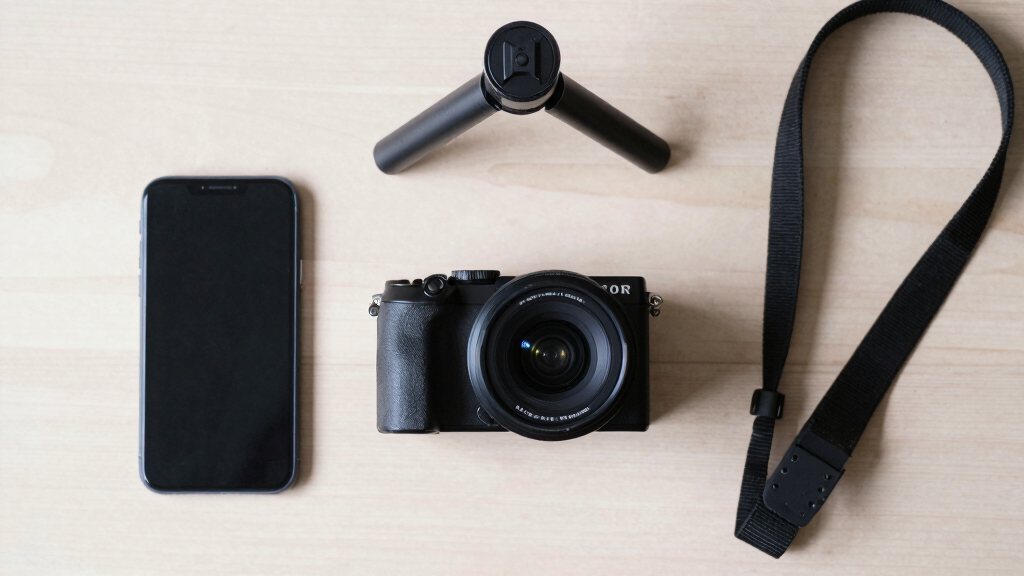

Starting a YouTube channel with a mirrorless camera can significantly boost your video quality and engagement. The Canon EOS R50 stands out as the overall best choice for its balance of features and user-friendly design, making it ideal for newcomers. For a more budget-friendly option, the Yatao Digital Camera Kit offers impressive 6K video and a flip screen, perfect for vlogging on a tight budget. The main tradeoffs in this category include balancing ease of use, video capabilities, and price—more advanced features often mean higher complexity and cost. Keep reading for a detailed breakdown to find the best fit for your YouTube journey.
Key Takeaways
- The Canon EOS R50 offers a strong mix of ease of use and high-quality 4K video, making it a top overall pick for beginners.
- Budget options like the Yatao Kit deliver impressive video specs (6K) but may lack advanced autofocus features found in pricier models.
- The Sony Alpha a6400 balances compactness with professional-level autofocus, ideal for creators needing mobility and precision.
- Bundles with multiple lenses, such as the Canon R100 with two lenses, provide versatility but increase complexity and cost.
- Video quality and autofocus performance are the top factors differentiating the best options for YouTube content creators.




More Details on Our Top Picks
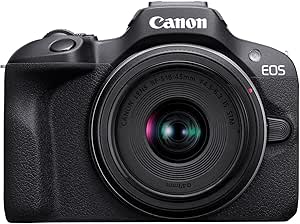
Canon EOS R50 Mirrorless Camera RF-S18-45mm F4.5-6.3 is STM Lens Kit, 24.2 Megapixel CMOS (APS-C) Sensor, 4K Video, Vlogging, Content Creation, Photography, Digital Camera, Black
The Canon EOS R50 stands out as the most complete package for YouTube beginners who want both high-quality photos and professional-looking videos. Its 24.2 MP APS-C sensor combined with the DIGIC X processor ensures sharp images and detailed 4K footage, rivaling the Sony a6400’s image quality but with more user-friendly auto focus features. The Dual Pixel CMOS AF II with deep learning subject tracking makes focusing on moving subjects effortless, which is critical for vlogging on the go. Compared to the Panasonic G100, the EOS R50 offers better autofocus and connectivity options, though it’s slightly larger and heavier. The vari-angle touchscreen and built-in Wi-Fi provide easy framing and quick sharing. The main tradeoff is its higher price point, but for those seeking a reliable all-in-one starter, it’s a solid investment.
Pros:- Excellent 24.2 MP APS-C sensor delivers sharp, high-quality images and videos
- Dual Pixel CMOS AF II with deep learning subject tracking for reliable auto focus
- Vari-angle touchscreen simplifies framing from any angle
- Built-in Wi-Fi and Bluetooth enable quick file sharing and remote control
Cons:- Higher price compared to similar beginner models like the Canon EOS R100
- Limited battery life for extended shooting sessions
- Optical image stabilization is not as robust as Panasonic’s 5-Axis I.S.
Best for: Beginners who want a versatile, easy-to-use camera with strong auto focus and connectivity features for YouTube and social media content.
Not ideal for: Budget-conscious buyers seeking a lightweight, minimal setup or those primarily focused on still photography without video.
- Sensor Resolution:24.2 MP
- Sensor Type:APS-C CMOS
- Video Resolution:4K at 30 fps
- Autofocus Points:651
- Display:3-inch vari-angle touchscreen
- Connectivity:Wi-Fi, Bluetooth
- Effective Still Resolution:24.2 MP
- Weight:16 ounces
Bottom line: This camera makes the most sense for beginners who want a balanced mix of premium auto focus, good image quality, and strong connectivity for YouTube content creation.
Yatao Digital Cameras for Photography and Vlogging, 6K 64MP Flip Screen, Dual Lens, Microphone for Video, 64GB TF Card, Compact Photo WiFi Camera for YouTube Kit Travel, Beginners (Black)
The Yatao 64MP dual-lens camera offers impressive versatility and high-resolution images at an extremely affordable price, making it ideal for those starting out on YouTube. Its 6K video support and 64 MP photo capability surpass many entry-level models like the Canon EOS R100 in raw image resolution, though it’s more simplified in auto focus and lacks advanced tracking features. The flip screen is perfect for selfies and creative shots, and the included accessories—microphone, 64GB card, batteries—add value for beginner content creators. While the image stabilization and autofocus are not as sophisticated as the Sony a6400, its compact design and Wi-Fi connectivity allow quick social sharing. The tradeoff is its limited manual controls, which might hinder more advanced editing or creative flexibility for seasoned users.
Pros:- High 64 MP resolution for detailed images and versatile cropping
- Supports 6K video for high-quality content creation
- 180° flip screen ideal for selfies and vlogs
- Includes microphone and 64GB card for immediate use
Cons:- Auto focus and stabilization are basic, less reliable than higher-end models
- Limited manual controls restrict creative flexibility
- Build quality and durability are less robust than premium cameras
Best for: Beginner vloggers seeking an affordable, portable camera with high megapixels and support for 6K video on a budget.
Not ideal for: Advanced videographers or photographers needing precise manual controls and superior autofocus for professional-quality content.
- Sensor Resolution:64 MP
- Video Resolution:6K
- Display:3-inch flip screen
- Connectivity:Wi-Fi
- Memory:64GB included
- Battery Life:Approx. 2 hours of continuous use
Bottom line: This camera offers a strong value for beginners who prioritize high megapixels and 6K video but don’t need advanced manual features or tracking auto focus.
Panasonic LUMIX G100 4k Mirrorless Camera for Photo and Video, Built-in Microphone with Tracking, Micro Four Thirds Interchangeable Lens System, 12-32mm Lens, 5-Axis Hybrid I.S., DC-G100DKK (Black)
The Panasonic LUMIX G100 is designed for those who want a lightweight, travel-friendly camera that excels in video and audio quality. Its Micro Four Thirds sensor with 20.3 MP resolution delivers crisp images, comparable to the Sony a6400 but with a more compact form factor. The 12-32mm lens is versatile enough for wide-angle vlogging and close-up shots, with 5-axis Hybrid I.S. helping to reduce shake—though not as effective as Panasonic’s higher-end stabilization systems. Its built-in OZO audio from Nokia provides superior sound quality, a key advantage over many competitors like the EOS R100. The camera’s intuitive controls and flip-out screen make it easy for beginners to frame shots, while its connectivity options support fast sharing. The main limitation is its slightly lower resolution and fewer autofocus points, which may affect detailed still photography or fast-moving subjects.
Pros:- Lightweight and compact, ideal for travel and vlogging
- Built-in OZO audio system for superior sound quality
- 5-Axis Hybrid I.S. reduces camera shake effectively
- Includes a versatile 12-32mm lens for various shooting styles
Cons:- Lower resolution (20.3 MP) compared to Sony a6400
- Fewer autofocus points, less effective for fast motion
- Limited low-light performance compared to full-frame options
Best for: Travelers and casual content creators who prioritize compact size, excellent audio, and stable video recording for YouTube.
Not ideal for: Professional videographers or photographers requiring advanced stabilization and high-resolution stills for commercial projects.
- Sensor Resolution:20.3 MP
- Video Resolution:4K at 30 fps
- Sensor Type:Micro Four Thirds
- Stabilization:5-Axis Hybrid I.S.
- Lens:12-32mm kit lens
- Connectivity:Wi-Fi, Bluetooth
- Weight:14.88 ounces
Bottom line: This camera is perfect for on-the-go creators who need great audio and stabilization in a small package for YouTube vlogs.
Sony Alpha a6400 Mirrorless Camera: Compact APS-C Interchangeable Lens Digital Camera with Real-Time Eye Auto Focus, 4K Video, Flip Screen & 16-50mm Lens – E Mount Compatible – ILCE-6400L/B, Black
The Sony a6400 is a favorite among YouTube beginners who need reliable auto focus and excellent image quality in a compact form. Its 24 MP APS-C sensor delivers detailed photos and 4K footage that rivals or exceeds the Canon EOS R100’s quality. The standout feature is its Real-Time Eye AF and tracking, which ensures sharp focus even when filming moving subjects—ideal for dynamic vlogs. The flip-out LCD screen simplifies self-recording, while the 11 fps continuous shooting makes capturing fleeting moments straightforward. Compared to the Canon EOS R50, it offers faster, more precise auto focus but at a slightly higher learning curve for manual controls. Its compact size and versatile lens system make it especially suitable for travel and on-the-move filming. The main drawback is its slightly complex menu system, which might challenge absolute beginners.
Pros:- Excellent Real-Time Eye AF and subject tracking
- Compact and lightweight for mobile shooting
- High-quality 24 MP sensor for stills and videos
- Flip-out LCD for easy self-recording
Cons:- More complex menu system for beginners
- Limited in-body stabilization, relies on lens stabilization
- Price slightly higher than comparable beginner models
Best for: Content creators needing fast, accurate auto focus and high-quality 4K videos in a portable, easy-to-carry package.
Not ideal for: Complete beginners who prefer a simpler interface or don’t require ultra-fast tracking auto focus.
- Sensor Resolution:24 MP
- Video Resolution:4K at 30 fps
- Autofocus Points:425 phase + contrast detection
- Display:3-inch tilting LCD
- Continuous Shooting:11 fps
- Connectivity:Wi-Fi, NFC, Bluetooth
- Weight:10.3 ounces
Bottom line: This camera suits users who prioritize auto focus precision and compact design for versatile YouTube filming, despite a steeper learning curve.
Canon EOS R100 Mirrorless Camera RF-S18-45mm F4.5-6.3 is STM Lens Kit, 24.1 Megapixel CMOS (APS-C) Sensor, 4K Video, Wi-Fi & Bluetooth, Beginner Photographers and Creators, Digital Camera, Black
The Canon EOS R100 offers a straightforward, beginner-friendly package with excellent value for new content creators. Its 24.1 MP APS-C sensor produces sharp images, and the DIGIC 8 processor ensures smooth 4K video recording, comparable to the more expensive EOS R50 but with fewer advanced auto focus features. Its simple interface and reliable auto exposure make it perfect for learning the basics of photography and videography. The 16-50mm lens is versatile for various shooting scenarios, and built-in Wi-Fi and Bluetooth facilitate quick sharing on social media. While it lacks the sophisticated autofocus tracking of the Sony a6400, it compensates with ease of use and affordability. The main tradeoff is its limited manual controls, which may limit growth for more advanced users, but it’s ideal as a starter kit.
Pros:- User-friendly interface with simple controls
- Reliable 24.1 MP APS-C sensor for clear images
- Built-in Wi-Fi & Bluetooth for quick sharing
- Affordable price point for entry-level creators
Cons:- Limited auto focus tracking compared to more advanced models
- Fewer manual controls for creative flexibility
- No in-body stabilization, relies on lens stabilization
Best for: Absolute beginners seeking an affordable, easy-to-operate camera for YouTube and social media content.
Not ideal for: Advanced users or those requiring high manual control and fast auto focus for professional or fast-paced filming.
- Sensor Resolution:24.1 MP
- Video Resolution:4K at 24 fps
- Sensor Type:APS-C CMOS
- Connectivity:Wi-Fi, Bluetooth
- Weight:14 ounces
- Lens:RF-S 18-45mm
Bottom line: This camera is perfect for absolute beginners who want a straightforward, budget-friendly option to start making YouTube videos without overwhelm.
Canon EOS Rebel T7 DSLR Camera EF-S 18-55mm f/3.5-5.6 is II Lens Kit, 24.1 Megapixel CMOS (APS-C) Sensor, Full HD Videos, Built-in Wi-Fi, Beginner Photographers, Digital Camera, Black
This entry stands out for its impressive 24.1 Megapixel APS-C CMOS sensor and user-friendly interface, making it ideal for those just starting out with photography or YouTube content creation. Compared with mirrorless options like the Canon EOS R100, it offers a more traditional DSLR experience with an optical viewfinder, which can appeal to learners preferring optical framing. Its built-in Wi-Fi simplifies sharing videos and images, but the tradeoff is its bulkier size and heavier weight, which may be less ideal for portable vlogging. While it excels in low-light conditions thanks to its ISO range of 100–6400, it lacks advanced autofocus features like Eye Detection found on more recent mirrorless models. The 9-point autofocus system is basic but sufficient for casual shooting, and its 3 FPS continuous shooting can be limiting for fast action. Overall, this camera makes the most sense for beginner photographers who prioritize image quality and a familiar DSLR form factor over compactness or advanced video features.
Pros:- High 24.1 MP resolution for detailed images
- Built-in Wi-Fi for easy sharing
- Optical viewfinder for traditional framing
Cons:- Bulky and heavier than mirrorless counterparts
- Limited autofocus points (9) and no Eye Detection
Best for: Beginners who want a straightforward, high-resolution camera for casual YouTube videos and photography.
Not ideal for: Vloggers needing lightweight, compact gear for on-the-go shooting or fast-paced content.
- Sensor Type:CMOS (APS-C)
- Photo Sensor Resolution:24.1 MP
- Maximum ISO:6400
- Effective Still Resolution:24.1 MP
- Video Resolution:Full HD 1080p
- Autofocus Points:9
Bottom line: Ideal for beginners prioritizing image quality and a familiar DSLR feel over portability and advanced video features.
Canon EOS R100 Mirrorless Camera with 18-45mm and 55-210mm Lenses
This model makes the most sense for aspiring YouTubers who want a lightweight, portable setup with excellent image quality, thanks to its 24.1 Megapixel APS-C CMOS sensor and DIGIC 8 processor. Compared with the DSLR Canon EOS Rebel T7, it offers a smaller form factor, faster autofocus with Dual Pixel CMOS AF covering a wide area, and 6.5 FPS continuous shooting, ideal for capturing fast-moving scenes or vlogging. Its built-in Wi-Fi and Bluetooth streamline content sharing, but the tradeoff is a slightly higher price and less tactile control compared to traditional DSLRs. The kit includes two versatile RF-S lenses, making it suitable for diverse shooting scenarios, from wide landscapes to portraits. However, the autofocus system, while advanced, still lacks some professional features like Eye Detection AF for animals or complex tracking. Overall, this pick is best for beginners who want a compact, high-quality camera that can serve both photography and video needs with ease.
Pros:- Lightweight and compact design for portability
- Dual Pixel CMOS AF with 143 zones and Eye Detection AF
- Includes two versatile RF-S lenses
Cons:- Higher price point compared to entry-level DSLRs
- Limited to 6.5 FPS continuous shooting
Best for: Travelers and on-the-go content creators looking for a lightweight mirrorless option with versatile lenses.
Not ideal for: Vloggers or photographers who prefer a more extensive lens collection or advanced autofocus features like Eye Detection for animals.
- Sensor Type:CMOS (APS-C)
- Photo Sensor Resolution:24.1 MP
- Maximum ISO:25600
- Video Resolution:Full HD 1080p
- Autofocus Points:143
- Effective Still Resolution:24.1 MP
Bottom line: Best for beginners seeking a portable, high-quality mirrorless camera with versatile lenses for diverse content creation.
Canon EOS R8 Mirrorless Camera with RF 24-50mm f/4.5-6.3 is STM Lens, Black
This pick is better suited to serious beginners or semi-professionals who want high-quality 24.2 Megapixel full-frame images and advanced video capabilities. Compared to the APS-C EOS R100, the EOS R8 offers a larger sensor for improved low-light performance, higher dynamic range, and better background blur (bokeh). Its Dual Pixel CMOS AF II with 1053 AF zones ensures precise focus on faces, animals, or fast-moving subjects, making it ideal for professional-looking vlogs and cinematic videos. The camera supports 4K oversampled from 6K at up to 60 fps, and Full HD at 180 fps, which is superior for slow-motion footage. The compact RF 24-50mm lens adds flexibility without sacrificing portability, but the full-frame sensor increases the cost and size slightly compared to APS-C models. This camera makes the most sense for those ready to invest in a more advanced starter setup for high-quality content.
Pros:- Full-frame 24.2 MP sensor for superior image quality
- High-speed 4K video oversampled from 6K at 60 fps
- Excellent autofocus with 1053 zones and Deep Learning detection
Cons:- Slightly larger and more expensive than APS-C options
- Limited to 3 inches LCD, no built-in viewfinder
Best for: Beginners ready to step into full-frame photography and high-quality video production for YouTube.
Not ideal for: Travel or casual vloggers who need a lightweight, budget-friendly option.
- Sensor Type:Full-frame CMOS
- Photo Sensor Resolution:24.2 MP
- Maximum ISO:102400
- Video Resolution:4K 60 fps oversampled
- Autofocus Points:1053
- Effective Still Resolution:24.2 MP
Bottom line: Ideal for beginners seeking a high-performance full-frame camera that combines excellent stills and video for YouTube content.
5K-Digital-Cameras for Photography: 2026 Upgrade 80MP 3.5″+2″ Dual Screen for Self-Framing 18X Zoom Autofocus Vlogging Camera for YouTube/Content Creators/Beginners/Travel, 32GB Card, 2 Batteries
This model is perfect for YouTube beginners and travel content creators who want a versatile, self-framing camera with high resolution. Compared to traditional DSLR or mirrorless options, it offers a massive 80 MP sensor, ensuring ultra-detailed images, and native 5K video at 30 fps. Its dual screens—3.5″ main and 2″ front—make self-recording and framing effortless, ideal for solo vlogging. The 18x digital zoom and built-in 8 filters add creative flexibility, while the lightweight design and included accessories, such as two batteries and a 32GB SD card, make it an excellent starter kit. However, its compact size means fewer manual controls and limited advanced autofocus features, which might be a drawback for more serious creators. This pick makes the most sense for beginners seeking a comprehensive, easy-to-use device for high-quality content creation and travel vlogging.
Pros:- High 80MP resolution for detailed images
- Dual 3.5″ and 2″ screens for easy self-framing
- Includes two batteries and a 32GB SD card for long shoots
Cons:- Limited manual controls and autofocus features
- Cropped 5K video can affect framing flexibility
Best for: Travelers and beginner vloggers wanting a high-res, easy-to-use camera with dual screens and multiple creative features.
Not ideal for: Professional content creators needing extensive manual control or advanced autofocus for fast-moving subjects.
- Sensor Type:CMOS (1/2.3 inch)
- Photo Sensor Resolution:80 MP
- Maximum Video Resolution:5K 30 fps
- Digital Zoom:18x
- Built-In Screen:3.5″ + 2″ dual
- Memory Slot:SDHC/SDXC (up to 128GB)
Bottom line: Best for beginners and travel vloggers seeking a high-resolution, easy-to-use camera with dual screens and all-in-one accessories.
Canon EOS R100 Mirrorless Camera Two Lens Bundle 24.1MP 4K APS-C Beginner Camera Kit with RF-S 18-45mm + RF 75-300mm Lenses, 64GB Memory Card & Photo Editing Software
The Canon EOS R100 stands out as the most versatile choice for beginners who want a lightweight yet capable camera. Its 24.1MP APS-C sensor delivers sharp images, comparable to the Canon EOS R50, but with a more straightforward interface suited for newcomers. The included two lenses—an 18-45mm and a 75-300mm—offer flexible framing options, perfect for vlogging and outdoor shooting. While it records 4K video, its cropped 24fps limits wide-angle content, unlike the Panasonic G100’s full-frame 4K. Compared to the Sony Alpha a6400, the R100’s dual-pixel autofocus is easier to use, but it lacks in-body image stabilization, which could lead to shaky footage. Overall, this bundle is an excellent starting point for creators needing a portable, all-in-one kit, though more advanced stabilization features would elevate it further.
Pros:- Lightweight and easy to handle, ideal for on-the-go filming
- Includes two versatile lenses for different shooting scenarios
- User-friendly interface with Dual Pixel autofocus
Cons:- Lacks in-body image stabilization, risking shaky videos
- Cropped 4K recording at 24fps limits wide-angle shots
Best for: Beginners seeking a compact, all-in-one camera for vlogging and casual content creation.
Not ideal for: Advanced videographers who need in-body stabilization or 4K at 60fps for smoother footage.
- Sensor Resolution:24.1 MP
- Sensor Type:APS-C CMOS
- Video Recording:4K at 24fps, Full HD 60fps
- Lens Included:RF-S 18-45mm, RF 75-300mm
- Weight:2.18 pounds
- Connectivity:Wi-Fi, Bluetooth
- Image Stabilization:None in body
- Display:3-inch LCD
- Focus System:Dual Pixel CMOS AF
Bottom line: This is a well-rounded choice for beginners prioritizing portability and ease of use in content creation.

How We Picked
These cameras were selected based on their suitability for YouTube beginners aiming for high-quality video production. Key factors included video resolution, autofocus capabilities, ease of use, build quality, and value for money. Cameras with intuitive controls and beginner-friendly features ranked higher, while models with advanced specs but steep learning curves were noted as less ideal for newcomers. We prioritized options that balanced affordability with decent video quality and user support, ensuring that even those new to content creation can succeed without feeling overwhelmed. The ranking reflects a combination of performance, usability, and overall value to help new creators make confident decisions.Factors to Consider When Choosing Best Mirrorless Cameras For YouTube Beginners
Choosing the best mirrorless camera for YouTube beginners involves more than just specs; it’s about finding a balance between ease of use, video quality, and budget. Beginners should consider how intuitive the controls are, whether the camera offers reliable autofocus, and if it can handle the type of content they want to produce. It’s also worth thinking about future growth—buying a camera that can grow with your skills might save money long-term. Keep in mind that features like flip screens, microphone inputs, and good stabilization can make a big difference in your recording quality. Avoid rushing into high-end models if you’re just starting, but don’t settle for the cheapest options if they compromise your content quality or learning curve.Ease of Use and Interface
For beginners, a straightforward interface and intuitive controls are essential. Cameras with simple menus and fewer settings help reduce overwhelm, allowing you to focus on creating content. Features like touchscreens and customizable buttons can streamline your workflow. However, some models with minimal features might limit growth, so consider whether the camera can adapt as your skills improve. Prioritize brands known for user-friendly design, such as Canon or Sony, which tend to offer more accessible menus and support resources.
Video Quality and Autofocus
High-resolution 4K video is almost a standard now, but the real differentiator is autofocus performance. Cameras with real-time eye tracking and face detection ensure your face stays sharp during recording, which is crucial for engaging videos. While some budget models sacrifice autofocus speed or accuracy, others like the Sony a6400 excel in this area. Remember, investing in good autofocus saves editing time and produces more professional-looking content.
Lens Compatibility and Flexibility
Many mirrorless cameras offer interchangeable lenses, which can expand your creative options. Beginners might prefer kits with versatile zoom lenses, but if you plan to specialize in certain types of content—like close-up tutorials or wide shots—consider investing in specific lenses early. Keep in mind that lens quality and aperture size impact video depth of field and low-light performance. Some bundles include multiple lenses, providing flexibility, but they also add to the initial cost and complexity.
Budget and Long-Term Value
While opting for a cheaper camera might seem appealing, consider the long-term value. Features like good stabilization, microphone input, and decent battery life can significantly affect your content quality. Higher-priced models often provide better build quality and future-proofing, but many budget options now include impressive video specs. Assess your current needs versus potential future growth to avoid outgrowing your first camera too quickly.
Additional Features to Consider
Extras like flip screens for self-recording, microphone inputs, and image stabilization can enhance your content creation process. These features make filming easier and more professional without requiring external gear. However, they often come at a higher cost, so weigh their importance against your budget and content style. Also, check compatibility with editing software and accessories to ensure a seamless workflow.
Frequently Asked Questions
Is 4K video necessary for YouTube beginners?
While 1080p HD video can be sufficient for starting out, 4K offers higher detail and future-proofing your content. Many viewers now expect high-quality videos, and 4K allows for better cropping and editing flexibility. However, 4K files are larger and demand more from your hardware. If your budget permits, choosing a camera with 4K capabilities can be a smart long-term investment, but beginners should weigh this against storage and editing considerations.
Should I prioritize autofocus or image stabilization for YouTube videos?
Both autofocus and stabilization are important for producing smooth, professional-looking videos. Autofocus keeps you in sharp focus, especially when moving around or changing scenes. Stabilization, whether in-body or via lenses, reduces shaky footage, which is vital for handheld recording. For most beginners, autofocus is the higher priority because it minimizes effort during filming. Combined with decent stabilization, it helps create polished videos without extensive post-production.
Can I start YouTube with a smartphone instead of a mirrorless camera?
Absolutely, smartphones are more than capable of producing quality content for beginners. They are highly portable, easy to use, and often include advanced camera features. However, mirrorless cameras offer better control over settings, larger sensors for improved low-light performance, and interchangeable lenses for greater creative flexibility. As your channel grows, upgrading to a dedicated camera can elevate your production quality, but starting with a smartphone is a perfectly valid and cost-effective choice for beginners.
Is it better to buy a kit with multiple lenses or a single versatile lens?
Buying a kit with multiple lenses provides versatility, allowing you to experiment with different types of shots and styles. For beginners, a standard zoom lens often offers a good balance of flexibility and simplicity. However, multiple lenses also add to the initial cost and complexity, which might be overwhelming for new users. If you’re just starting out, a high-quality all-in-one zoom lens may be the best compromise, offering enough flexibility without the hassle of changing lenses frequently.
How important is microphone input for YouTube content?
Having a microphone input significantly improves audio quality, which is often more noticeable to viewers than video resolution. Clear, crisp audio enhances viewer engagement and professionalism. Many beginner cameras lack this feature, but some models include it, making them more suitable for serious content creators. If audio quality matters to you—and it should—consider a camera with a microphone input or plan to use external audio recording equipment for better sound.
Conclusion
For those just starting their YouTube journey, the Canon EOS R50 offers the best overall balance of ease, quality, and value, ideal for new creators who want a straightforward, reliable camera. If budget is your main concern, the Yatao Digital Camera Kit delivers excellent video specs without breaking the bank. Creators seeking premium features and future growth potential should consider the Canon EOS R8 or bundles with multiple lenses, which provide versatility and top-tier autofocus. Beginners aiming for simplicity and affordability will benefit from models like the Sony a6400, which combines compactness with professional autofocus. Ultimately, your choice depends on your content style, budget, and how much you want your camera to grow with you.