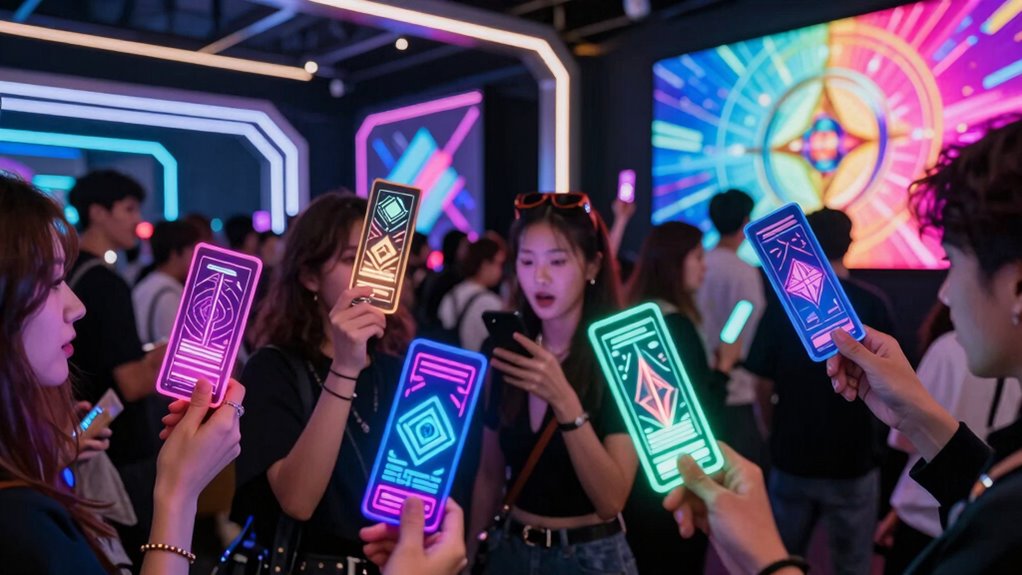

NFTs are transforming how you access events, manage tickets, and connect with communities. By using NFTs, you get secure, tamper-proof tickets that can’t be forged or resold fraudulently. Organizers can offer exclusive perks, and you can transfer or gift tickets easily. NFTs also serve as digital badges of membership, creating loyalty and engagement. These assets help build stronger, more personalized experiences. Keep exploring to discover how NFTs can change your event and community experiences even more.

Get hardware and tech essentials delivered free — and shop member deals
- Fast, free delivery on millions of items
- Access to Prime Big Deal Days deals on October 6–7
- Prime Video, Amazon Music and more included
Key Takeaways
- NFTs provide secure, tamper-proof digital tickets that prevent fraud, scalping, and duplication at events.
- Event organizers use NFTs to offer exclusive perks, resell rights, and proof of participation seamlessly.
- NFTs serve as digital badges, fostering community loyalty through verifiable ownership and exclusive content access.
- Ownership of community NFTs grants access to future events, voting rights, and special online experiences.
- Blockchain transparency ensures legitimacy, reduces disputes, and enhances trust in event tickets and community memberships.
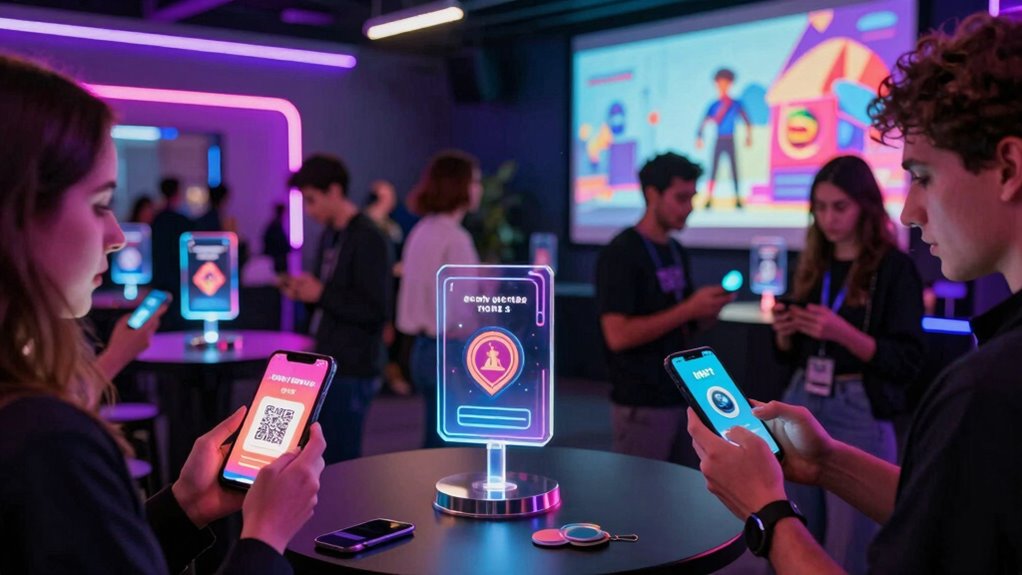
NFTs are transforming how we experience events, manage tickets, and build communities by offering secure, transparent,, and verifiable digital assets. When you buy a ticket as an NFT, you’re not just making a purchase — you’re acquiring a unique, tamper-proof token that proves your rightful access. This concept of digital scarcity means that each NFT is limited in supply and cannot be duplicated, ensuring that your ticket holds real, verifiable value. Unlike traditional tickets, which can be easily copied or forged, NFT-based tickets provide a reliable way to prevent fraud and scalping, giving you peace of mind and a seamless entry experience.
Tokenized access through NFTs opens new possibilities for event organizers. Instead of paper or QR code tickets, organizers can distribute digital tokens that serve as both entry passes and proof of participation. These tokens can be transferred, resold, or gifted in a controlled manner, thanks to blockchain transparency. You can feel confident that the ticket you’re buying or selling is legitimate, reducing disputes and increasing trust between buyers and sellers. Additionally, this system allows organizers to embed extra perks directly into the NFT, such as exclusive backstage passes, merchandise discounts, or VIP experiences, making each ticket more than just entry — it’s a gateway to a richer event experience.
NFT tickets ensure secure, transferable access with added perks for a richer, more trustworthy event experience.
Building communities is another area where NFTs shine, especially through the concept of digital ownership. When you hold an NFT related to a community or fandom, you’re not just a passive observer — you’re an active participant with verifiable ownership of your membership or participation. These tokens can serve as digital badges of belonging that are provable and unique, fostering a sense of exclusivity and loyalty. Community leaders leverage NFTs to distribute limited-edition content, special access to online forums, or early-bird opportunities. This creates a more engaged and tightly-knit community, where members feel valued because their digital assets genuinely represent their involvement. Moreover, NFTs facilitate digital ownership that can be used to verify membership status or participation, enhancing trust and authenticity within communities.
Moreover, NFTs enable creators and organizers to develop ongoing relationships with their audiences. For instance, owning a community NFT might access future events, exclusive content drops, or voting rights on community decisions. This tokenized approach transforms traditional community-building into a dynamic, participatory experience. You’re empowered to own a piece of the community, and this sense of ownership can deepen your connection and commitment. As the technology matures, expect NFTs to become even more integral to how you engage with events and communities, making interactions more secure, personalized, and meaningful.
As an affiliate, we earn on qualifying purchases.
Frequently Asked Questions
How Secure Are NFT Tickets Against Counterfeiting?
NFT tickets are quite secure against counterfeiting because they rely on digital ownership verified through blockchain technology. This blockchain verification guarantees each ticket is unique and tamper-proof, making it nearly impossible to duplicate or forge. As a result, you can trust that your NFT ticket is authentic and securely linked to your identity, reducing the risk of fake tickets and ensuring a smooth, secure event entry.
Can NFT Tickets Be Resold Legally?
Yes, NFT tickets can be resold legally, especially in the secondary market, if resale rights are clearly defined. You’ll want to check the event’s terms to confirm resale is permitted, as some NFTs have restrictions. Reselling an NFT ticket is like hitting two birds with one stone—allowing you to recoup costs or pass it on. Always verify the platform’s rules to stay on the right side of the law.
Are NFT Communities Accessible to Everyone?
NFT communities aren’t always accessible to everyone. You might face inclusivity challenges due to digital accessibility issues, like needing advanced tech skills or specific devices. These barriers can prevent some people from joining or engaging fully. To make NFT communities more welcoming, creators need to address these challenges, ensuring everyone can participate regardless of their technical background or resources. Inclusivity should be a priority in expanding digital spaces.
How Do NFT Event Platforms Handle Refunds?
When it comes to refunds on NFT event platforms, they often prefer to emphasize digital ownership integrity and fraud prevention. Usually, they have clear policies, but refunds can be limited or handled case-by-case to protect both organizers and attendees. You should check the platform’s specific guidelines, as transparency helps maintain trust. While refunds aren’t always guaranteed, these measures aim to *guarantee* a secure and fair experience for everyone involved.
What Are the Environmental Impacts of NFTS?
NFTs have notable environmental concerns mainly due to their energy consumption. The blockchain technology behind NFTs requires significant energy, often from non-renewable sources, leading to a high carbon footprint. This energy usage contributes to climate change and environmental degradation. As an individual, you should consider these impacts before supporting NFT platforms, and advocate for greener, more sustainable blockchain solutions to reduce their environmental footprint.
As an affiliate, we earn on qualifying purchases.
Conclusion
As you immerse yourself in the world of NFTs, you’re opening the door to a new universe where events, tickets, and communities flourish like vibrant gardens. These digital assets aren’t just tokens—they’re the keys to exclusive worlds, revealing experiences and connections that are as unique as snowflakes. Embrace this evolution, and you’ll find yourself sailing through a dynamic landscape where innovation and community intertwine, transforming the way you experience and engage with the world around you.
As an affiliate, we earn on qualifying purchases.
As an affiliate, we earn on qualifying purchases.
Halloween Picks
halloween
As an affiliate, we earn on qualifying purchases.