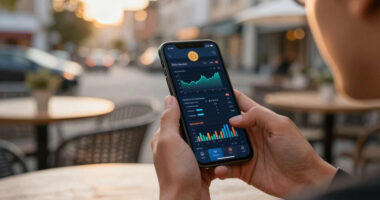

Wallets act as your central hub, connecting your digital assets, identities, DeFi activities, and NFTs in one secure interface. They store private keys and enable easy interaction with decentralized apps, making transactions faster and more intuitive. Modern wallets incorporate features like digital identity verification and security measures to protect your assets while simplifying onboarding. As wallets evolve, they create more seamless, app-like experiences—if you keep exploring, you’ll discover how these connections become even smoother and more secure.
Key Takeaways
- Wallets act as centralized access points to DeFi platforms, NFTs, and digital identity services through secure private key management.
- They enable seamless transactions and interactions across DeFi, NFT marketplaces, and identity verification apps.
- Wallets store digital identities, simplifying onboarding and enabling trusted, verified access to various crypto services.
- Integration of digital identity solutions within wallets enhances security and streamlines user authentication processes.
- Wallets facilitate cross-platform connectivity, allowing users to manage assets, NFTs, and identities in a unified interface.

Have you ever wondered how your digital assets and identities are seamlessly linked across the evolving crypto landscape? Wallets serve as the bridge, connecting DeFi platforms, NFTs, and your digital identity into a unified experience. They store your private keys securely, allowing you to access and manage a wide range of assets without juggling multiple logins. This integration simplifies user experience, letting you interact with decentralized applications, buy or sell NFTs, and verify your identity—all through a single wallet interface. You no longer need to remember dozens of passwords or worry about multiple accounts; your wallet consolidates everything, making transactions faster and more intuitive.
Wallets unify your crypto assets and identity, simplifying access and transactions across DeFi, NFTs, and beyond.
However, with this convenience comes significant security concerns. Since wallets hold your private keys, they become prime targets for hackers. If your wallet gets compromised, your entire portfolio—DeFi assets, NFTs, and identity credentials—are at risk. That’s why choosing a reputable wallet provider with strong security features is essential. Many wallets now offer multi-factor authentication, biometric access, and hardware wallet integrations to bolster security. Still, you have to stay vigilant about phishing scams and malicious links, which are common threats in the crypto space. Protecting your private keys and seed phrases should always be your top priority, as losing them can mean losing access to all your assets forever. Understanding the importance of digital asset security is crucial to safeguarding your investments, especially considering the increasing sophistication of online threats. Incorporating security best practices into your routine can further enhance your safety while engaging with these digital tools. Additionally, awareness of common attack vectors can help you recognize and avoid potential scams before they cause harm.
At the same time, the user experience is continually improving, making it easier for newcomers to navigate the complex world of crypto. Wallet interfaces are becoming more user-friendly, with clear instructions and streamlined processes. These advancements help you perform transactions with confidence, whether you’re swapping tokens on a DeFi platform or purchasing an NFT. The integration of digital identity verification within wallets also simplifies onboarding processes, reducing the barriers for new users. As developers focus on enhancing usability, you’ll find that managing your digital assets feels more natural, almost like using a familiar app rather than a cryptic tech system. The ongoing development of digital identity management solutions within wallets is helping to create a more seamless onboarding experience for new users.

TANGEM Crypto Wallet Pack of 2 – Trusted Cold Storage Hardware Wallet
- Proven Security: Over 9 years of secure card issuance
- Offline Cold Storage: 100% offline hardware wallet for crypto security
- Universal Blockchain Access: Manage 90 blockchains with one tap
As an affiliate, we earn on qualifying purchases.
As an affiliate, we earn on qualifying purchases.
Frequently Asked Questions
How Secure Are Digital Wallets Against Hacking Attempts?
Digital wallets can be quite secure, but you should stay alert to hardware vulnerabilities and phishing risks. Hardware wallets, if properly maintained, add an extra layer of protection by keeping your private keys offline. However, phishing scams can trick you into revealing sensitive info or installing malicious software. Always verify links and use strong, unique passwords to minimize the chances of hacking attempts compromising your digital assets.
Can Wallets Be Used Across Different Blockchain Networks Seamlessly?
Did you know that over 60% of crypto users want seamless cross-chain interoperability? Wallets are increasingly capable of being used across different blockchain networks, enabling you to manage assets from multiple chains effortlessly. With multi-wallet management features, you can switch between networks without hassle, making cross-chain interoperability smoother. This means you can access DeFi, NFTs, and digital identity services seamlessly across various blockchains, enhancing your crypto experience.
What Are the Privacy Implications of Linking Digital Identities to Wallets?
Linking digital identities to wallets raises privacy concerns because your data could be exposed if not properly protected. You need to take into account how data encryption safeguards your information during transactions, preventing unauthorized access. Also, identity verification processes might reveal more than necessary, risking your privacy. Be aware that sharing too much identity info can lead to tracking or hacking, so ensure your wallet employs strong encryption and privacy-preserving verification methods.
How Do Wallets Handle Transaction Fees in Defi and NFT Markets?
About 70% of users optimize fees for DeFi and NFT transactions. Wallets handle transaction fees by employing fee optimization strategies, helping you save money during busy periods. They also prioritize transactions based on your preferences, ensuring faster processing when necessary. This approach balances cost and speed, making your experience smoother. By understanding these mechanisms, you can better manage your digital assets and avoid overpaying during high-demand times.
Are There Any Legal Considerations for Wallet Ownership and Usage?
Yes, there are legal considerations for your wallet ownership and usage. You need to guarantee legal compliance with regulations like anti-money laundering (AML) and know your customer (KYC) laws, depending on your jurisdiction. Ownership rights are also important; understanding whether you truly own the assets stored in your wallet affects your legal protections. Stay informed about evolving laws to safeguard your digital assets and avoid potential legal issues.

Arculus Crypto Cold Storage Wallet, Secure Bitcoin Wallet, Supports 95% of Cryptocurrency Market Cap, 3-Factor Authentication, Black
- Enhanced Security: 3-factor authentication with biometric, PIN, and card
- Easy Crypto Transactions: Send, swap, receive with a tap
- Secure Element Technology: CC EAL6+ certified encryption for keys
As an affiliate, we earn on qualifying purchases.
As an affiliate, we earn on qualifying purchases.
Conclusion
Now that you see how wallets serve as the gateway to DeFi, NFTs, and digital identity, you realize they’re more than just digital pockets—they’re the keys to a new financial universe. Imagine them as bridges, connecting you seamlessly across decentralized worlds. As you embrace this technology, remember that your wallet isn’t just a tool—it’s your passport to limitless possibilities in the blockchain frontier. Step forward, and let your digital journey begin.

The European Identity Wallet: Revolutionising Digital Identty Verification in the EU
As an affiliate, we earn on qualifying purchases.
As an affiliate, we earn on qualifying purchases.
TANGEM Crypto Wallet Pack of 2 – Trusted Cold Storage Hardware Wallet
- Proven Security: Over 9 years of secure card issuance
- Offline Cold Storage: 100% offline hardware wallet for crypto security
- Universal Blockchain Access: Manage 90 blockchains with one tap
As an affiliate, we earn on qualifying purchases.
As an affiliate, we earn on qualifying purchases.