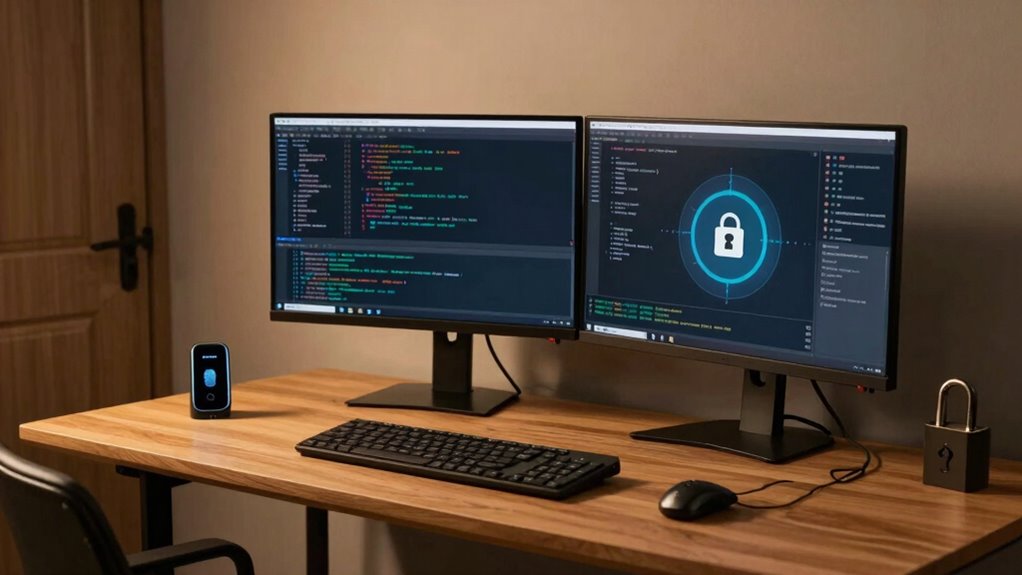

Many crypto users forget to secure their physical workspace, leaving devices vulnerable to theft or tampering. Locking up hardware like laptops, external drives, and hardware wallets in safes or secure cabinets is often overlooked. Additionally, monitoring the environment and controlling access prevent unauthorized physical interactions. Regular inspections and firmware updates also boost security. Pay attention to these low-tech vulnerabilities—keeping your physical setup safe is just as important as digital defenses. You’ll find more tips on strengthening your home office security.
Key Takeaways
- Secure hardware devices in locked, access-controlled environments to prevent theft and tampering.
- Regularly inspect hardware for signs of tampering or damage.
- Keep firmware updated on all hardware wallets and security modules.
- Use strong, unique passwords managed by a reputable password manager.
- Implement comprehensive physical security measures alongside digital protections.
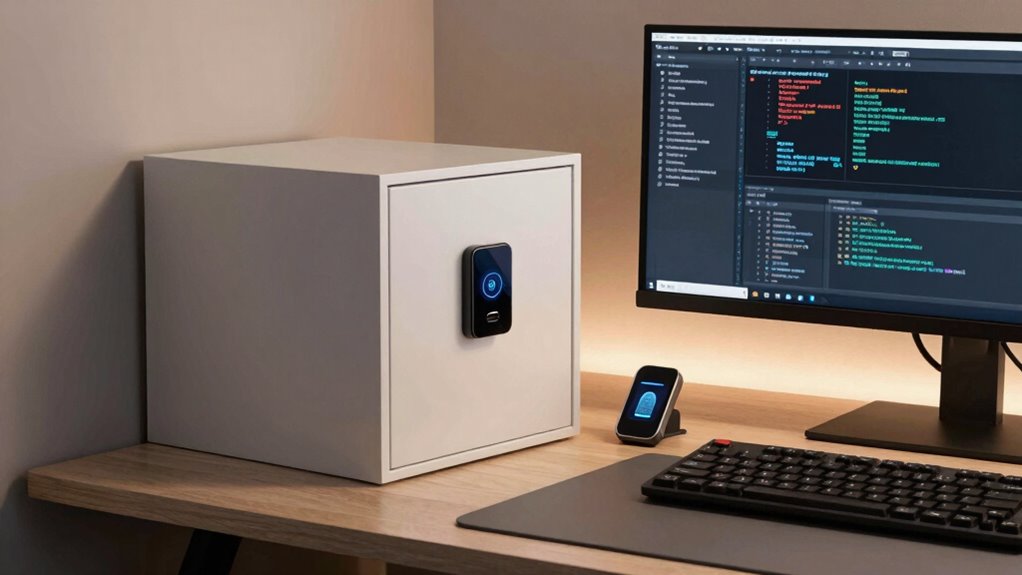
Are you confident your home office is secure? Many crypto users focus on fancy firewalls or complex passwords, but one of the most overlooked aspects is the security of your physical setup. While digital safeguards are essential, hardware security often gets sidelined, leaving your assets vulnerable. It’s easy to forget that your hardware, from laptops to external drives, can be a weak link if not properly protected. Confirming your devices are physically secure prevents theft or tampering, which could lead to devastating losses. Locking your devices in a safe or secure cabinet, especially when unattended, is a simple yet effective step many neglect. Additionally, hardware tampering can be difficult to detect but can compromise your device’s integrity and security. Ensuring your environment is monitored with proper security measures can help deter such threats. Regularly inspecting your hardware for signs of tampering can also be a valuable practice to identify potential risks early.
Secure your hardware with locks and safes to prevent theft and tampering, protecting your crypto assets.
Another vital aspect is password management. It’s tempting to reuse passwords or choose simple ones for convenience, but in the crypto world, this can be disastrous. A strong, unique password for each account is your first line of defense. Using a password manager makes this easier, allowing you to generate and store complex passwords without the risk of forgetting them. Without proper password management, you risk exposing your private keys or seed phrases to hackers, who can then drain your crypto holdings in seconds. Combining robust password practices with hardware security measures creates a layered defense that considerably reduces your risk.
Many crypto users overlook the importance of securing their hardware against physical threats. For instance, hardware security modules (HSMs) or hardware wallets are designed to safeguard your private keys in a tamper-proof environment. Using these devices correctly, stored in secure locations, adds an extra layer of protection that software alone can’t provide. When your hardware is compromised—say, stolen or tampered with—your crypto holdings become vulnerable. Regularly updating firmware and employing strong authentication methods for your devices further reduces these risks.
You should also consider the environment in which your hardware resides. Keep your devices in locked, access-controlled spaces. Avoid leaving sensitive equipment out in the open or in easily accessible areas. If you’re working in a shared space, ensure that only trusted individuals have access. This physical security complements your digital defenses, creating an all-encompassing security strategy. Maintaining awareness of your physical security is crucial in preventing targeted attacks and accidental exposure. Implementing security protocols can help establish consistent practices for safeguarding your hardware and data.
In essence, many crypto users forget that securing their home office involves more than just digital security measures. Password management and hardware security form the backbone of a resilient defense. By paying attention to these often-overlooked areas, you can protect your assets from both online threats and physical vulnerabilities. Strengthening your home office security in these ways ensures your crypto investments stay safe, giving you peace of mind as you navigate the digital currency landscape.
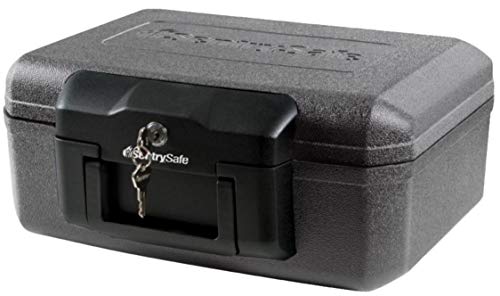
SentrySafe Fireproof Safe with Key Lock, Chest Lock Box for Home or Travel Secures Money, Documents, 0.18 Cubic Feet, 6.1 x 14.3 x 11.2 Inches, 1210
- Fireproof for 30 Minutes: UL Classified to withstand 1550°F for 30 minutes
- Protects Digital Media: ETL Verified to safeguard CDs, DVDs, USBs
- Secure Key Lock: Features flat key lock with 2 keys for safety
As an affiliate, we earn on qualifying purchases.
As an affiliate, we earn on qualifying purchases.
Frequently Asked Questions
How Often Should I Update My Home Office Security Measures?
You should update your home office security measures regularly, ideally every three to six months. This includes reviewing your password management practices, such as changing passwords and enabling two-factor authentication, and checking physical safeguards like locks and security cameras. Staying proactive helps protect your crypto assets from evolving threats, ensuring your security system remains robust. Regular updates keep your defenses strong and reduce the risk of breaches or unauthorized access.
Are There Hidden Vulnerabilities in Common Home Wi-Fi Networks?
Did you know that over 80% of home Wi-Fi networks use outdated encryption standards? Hidden vulnerabilities often stem from weak password complexity and outdated network encryption protocols. You might overlook how easily hackers can exploit these flaws. To protect yourself, make sure your Wi-Fi uses WPA3 encryption and create strong, unique passwords. Regular updates and security audits help close these gaps, keeping your home network safer from cyber threats.
What Are the Best Practices for Securing Hardware Wallets?
To secure your hardware wallet effectively, enable hardware encryption and set a strong, unique PIN. Keep your recovery seed offline and store it securely using physical backup strategies like a fireproof safe or metal backup. Regularly update your device’s firmware to protect against vulnerabilities. Avoid connecting your hardware wallet to unknown or compromised devices, ensuring your private keys stay private and your crypto assets remain safe.
How Can I Verify the Security of My Home Office Devices?
You can verify your home office device security by regularly updating your software and using strong, unique passwords through a reliable password management tool. Guarantee physical security by locking devices in secure cabinets or rooms when not in use, and enable multi-factor authentication where possible. Regularly check for unauthorized access and keep firmware up-to-date. This proactive approach helps protect your data and prevents potential breaches.
Do Security Upgrades Impact My Internet Speed or Workflow?
Security upgrades might slightly impact your bandwidth, but usually, the effect on your internet speed is minimal. You could experience some workflow disruption during the upgrade process, but once completed, your system should run smoothly. It’s worth balancing security with performance. Regular updates are essential for protection, and most upgrades are designed to optimize security without considerably affecting your day-to-day tasks or internet speed.

National Hardware Swivel Staple Safety Hasp, 3-1/4 in, Steel, Zinc Plated
- Size: 3-1/4 inch length
- Material: Zinc-plated steel
- Security: Reliable door protection
As an affiliate, we earn on qualifying purchases.
As an affiliate, we earn on qualifying purchases.
Conclusion
Upgrading your home office security isn’t just smart—it’s essential. Did you know over 60% of cyberattacks target small businesses and home offices? By implementing strong passwords, enabling two-factor authentication, and securing your Wi-Fi, you protect your crypto assets and personal info. Don’t overlook these simple steps; they’re your first line of defense. Stay vigilant and proactive—your crypto investments depend on it. Better security today means peace of mind tomorrow.
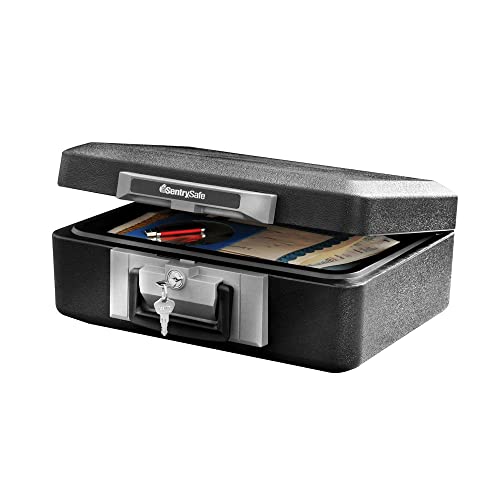
SentrySafe Fireproof Safe Box with Key Lock, Chest Safe with Carrying Handle to Secure Money, Jewelry, Documents, 0.25 Cubic Feet, 6.3 x 15.3 x 12.1 Inches, 1160
- Fire Resistant Safety Box: Protects valuables from fire with lifetime guarantee
- UL and ETL Certified: Endures 30 minutes at 1550ºF for fire safety
- Key Lock Security: Includes privacy key lock and two keys for security
As an affiliate, we earn on qualifying purchases.
As an affiliate, we earn on qualifying purchases.
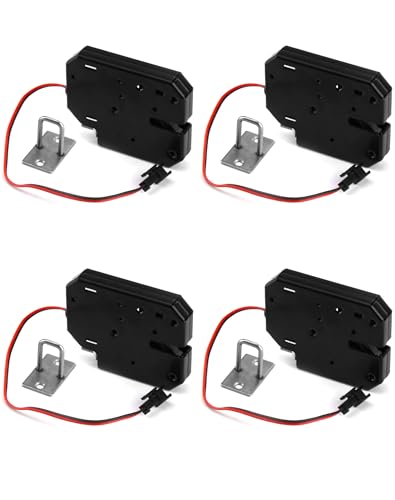
QWORK Carbon Steel Electronic Cabinet Lock – Secure and Convenient Locking Mechanism for Storage Cabinets, Mailboxes
- Durable Carbon Steel Construction: Made of strong carbon steel with steel plate shell
- Easy to Use: Operates on DC 12V, simple locking mechanism
- Wide Application: Suitable for cabinets, mailboxes, vending machines, and more
As an affiliate, we earn on qualifying purchases.
As an affiliate, we earn on qualifying purchases.