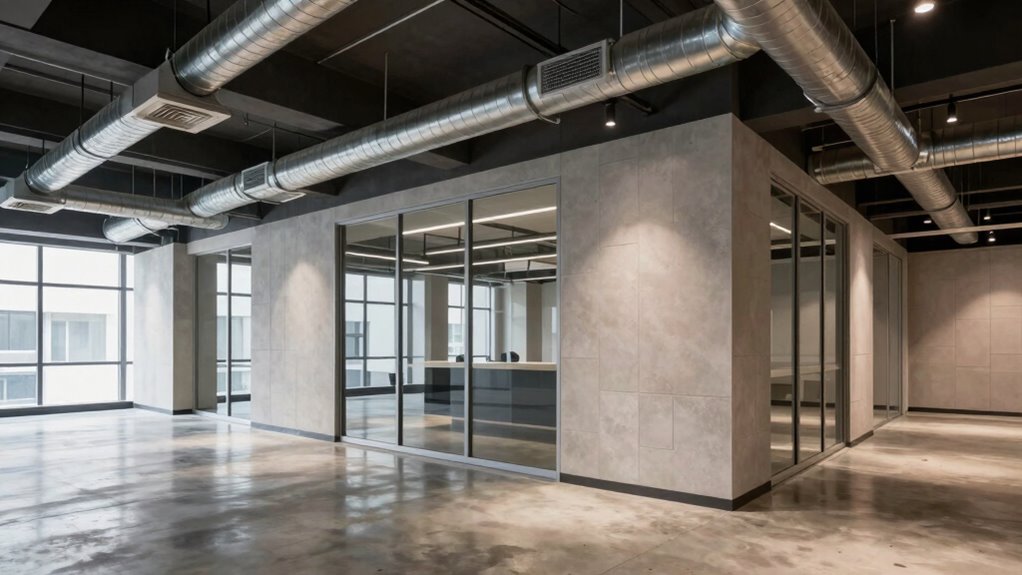

Ventilation, noise control, and enclosure quality are often more essential to your home comfort than you might realize. Proper airflow keeps the air fresh and healthy, while good insulation and soundproofing create a quiet, private space. Overlooking these factors can lead to stuffy rooms, unwanted noise, and privacy issues. Pay attention to these details when inspecting a property—they can make a huge difference in your daily comfort. Keep going, and you’ll uncover how to spot and improve these critical features.

Get hardware and tech essentials delivered free — and shop member deals
- Fast, free delivery on millions of items
- Access to Prime Big Deal Days deals on October 6–7
- Prime Video, Amazon Music and more included
Key Takeaways
- Good ventilation prevents odors, health issues, and stale air, significantly impacting overall home comfort and air quality.
- Noise control through proper enclosures and insulation creates a peaceful, restful living environment beyond initial expectations.
- Enclosure quality affects privacy, energy efficiency, and noise reduction more than many new buyers realize.
- Overlooking ventilation and soundproofing can lead to discomfort and health problems, despite appealing aesthetics.
- Proper assessment and upgrades of these features are crucial for long-term home satisfaction and energy savings.
As an affiliate, we earn on qualifying purchases.
Why Ventilation, Noise, and Enclosure Quality Matter When Buying a Home
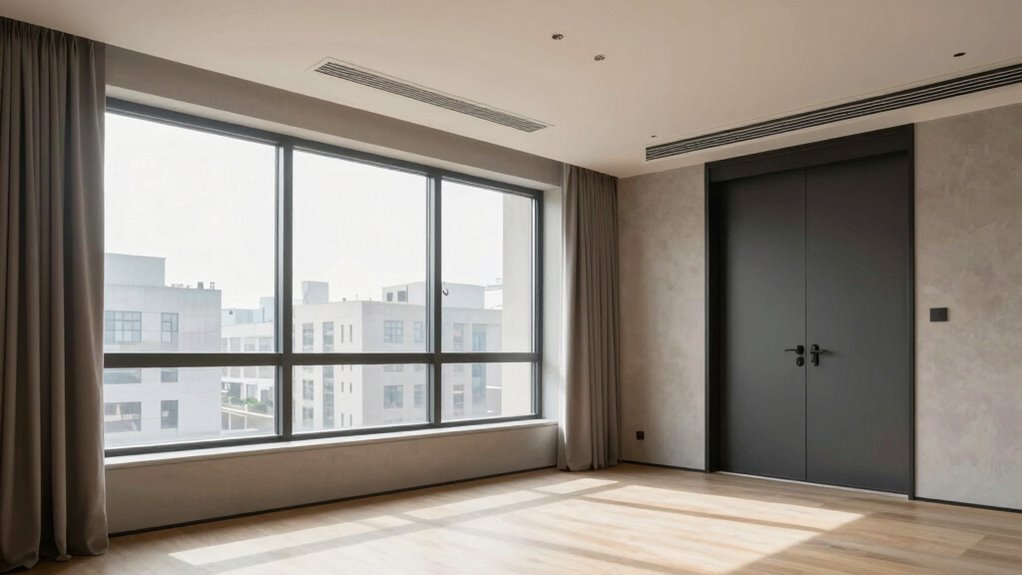
Have you ever stepped into a home and immediately noticed whether it feels comfortable or noisy? That’s often due to indoor air quality and acoustic insulation. Good indoor air quality guarantees you breathe fresh, healthy air, making your living space more comfortable. Poor ventilation can lead to stuffiness or odors, impacting your health and well-being. Acoustic insulation plays a key role in reducing unwanted noise from outside or neighboring units, creating a peaceful environment. When these elements are lacking, your home can feel chaotic or unsettling, affecting your daily comfort. Paying attention to ventilation, noise levels, and enclosure quality helps you find a space that truly feels welcoming and restful—crucial factors many buyers overlook but shouldn’t ignore. Additionally, household safety measures, such as secure enclosures and proper ventilation, are essential for creating a safe living environment. Understanding the importance of building materials can also significantly influence your home’s ability to maintain good ventilation and noise insulation. Proper building design can further enhance these features, ensuring your home remains comfortable and quiet. Recognizing the role of indoor air quality in overall health can help you make more informed decisions when choosing a home. Moreover, paying attention to ventilation systems can greatly improve your home’s air circulation and overall comfort.
As an affiliate, we earn on qualifying purchases.
How to Check a Property’s Ventilation, Noise Levels, and Enclosure Quality
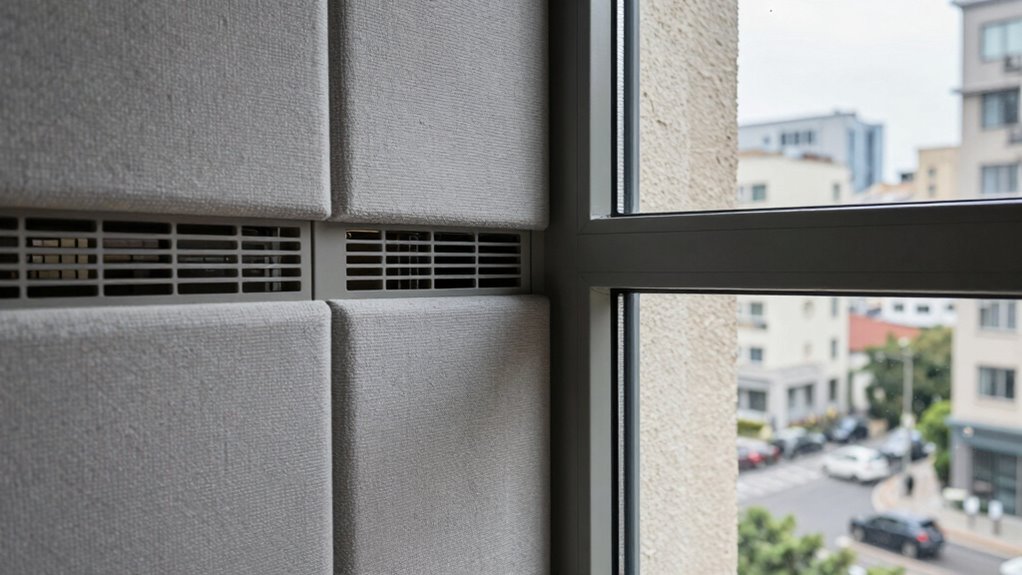
When inspecting a property, evaluating its ventilation, noise levels, and enclosure quality can reveal a lot about daily comfort and livability. Check for proper airflow by opening windows and doors; if fresh air feels stagnant, ventilation may need improvement. Notice noise levels during different times of day—persistent sounds can indicate poor soundproofing. Pay attention to how rooms are enclosed; solid walls and insulated windows reduce noise transfer. Look for indoor plants, which thrive in good ventilation and can improve air quality. Consider the color schemes; calm, neutral tones often suggest an environment designed for comfort and tranquility. Additionally, assessing soundproofing features can help determine how well the space minimizes external noise. Proper ventilation and gear care tips can also influence your overall comfort and health in the space. Recognizing the importance of environmental factors can help you select a home that supports your well-being and lifestyle, ensuring it’s a peaceful, healthy space to live. Properly evaluating building design aspects can lead to a more satisfying and sustainable living environment, especially when considering requirements traceability to ensure compliance with building standards.
As an affiliate, we earn on qualifying purchases.
Common Mistakes Buyers Make When Overlooking These Factors
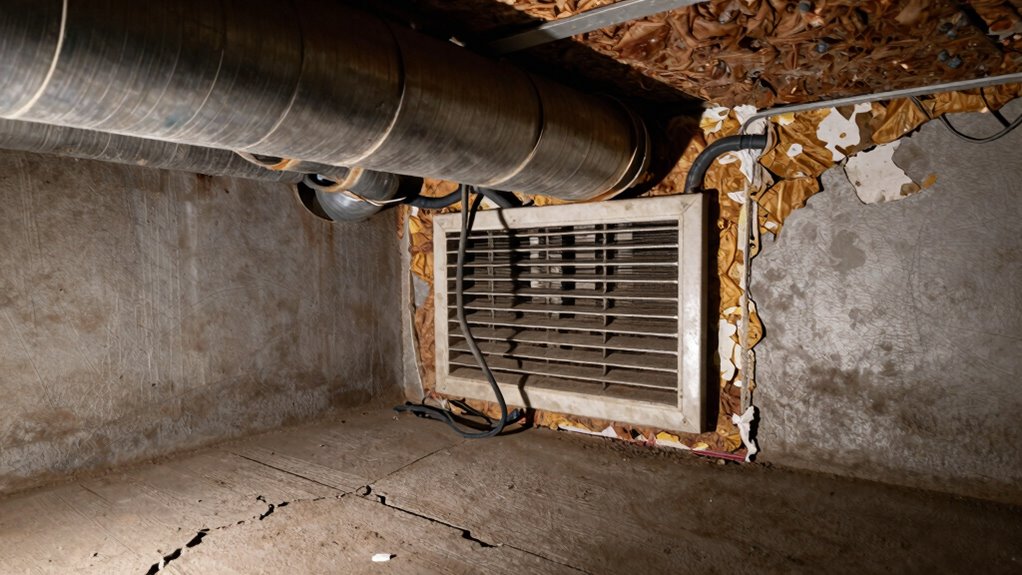
Many buyers overlook the importance of thoroughly evaluating ventilation, noise levels, and enclosure quality, only to face unexpected comfort issues after moving in. They often focus on interior decor or landscaping features, forgetting these factors impact daily living. Poor ventilation can cause stuffiness, while neglecting noise levels leads to disturbances. Enclosure flaws might reduce privacy and increase sound transmission. Additionally, understanding soundproofing techniques can significantly improve overall comfort by minimizing noise transfer between rooms and from external sources. Implementing proper building materials can also enhance insulation and soundproofing, making these considerations even more critical for long-term comfort. Recognizing the role of cabling solutions in creating a well-ventilated and quiet environment can further contribute to a more functional space. Moreover, selecting appropriate ventilation systems based on the building’s design ensures consistent airflow and reduces energy costs. In fact, selecting the right insulation methods can greatly enhance both energy efficiency and acoustic performance, further supporting a comfortable living environment.
As an affiliate, we earn on qualifying purchases.
Practical Tips to Improve Ventilation, Reduce Noise, and Boost Enclosure Performance
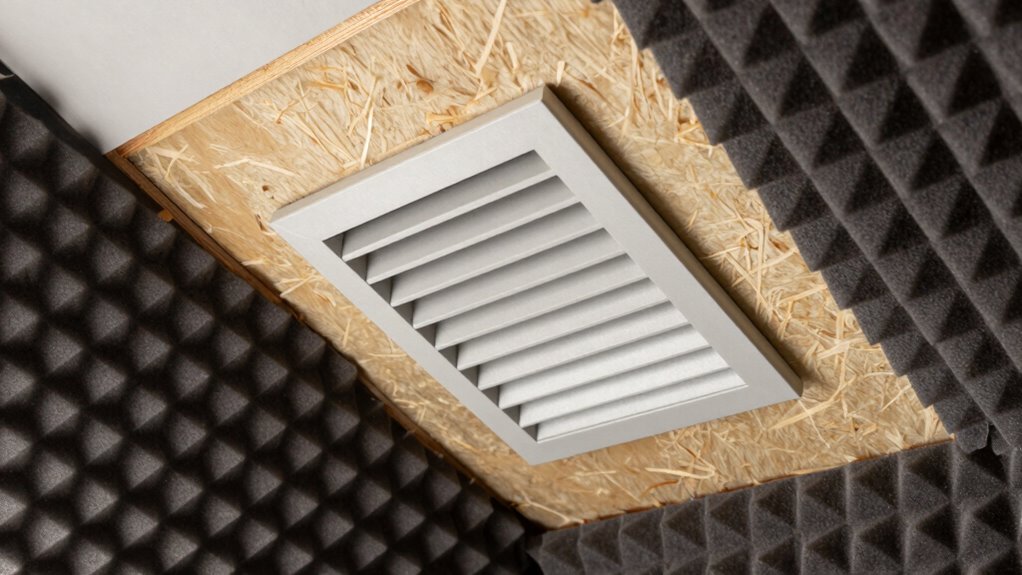
To improve your enclosure’s performance, focus on enhancing airflow efficiency by choosing the right fans and vents. You can also minimize sound transmission by adding dampening materials and isolating noisy components. Additionally, optimizing your enclosure design guarantees better ventilation and quieter operation overall. Incorporating landscaping elements can also help buffer noise and improve the overall environment. Paying attention to product quality when selecting components ensures long-term durability and effectiveness. Ensuring proper wiring practices can also prevent heat buildup and reduce fire hazards in the long run. Using high-quality ventilation equipment is essential for maintaining optimal airflow and preventing overheating. Implementing smart security solutions, such as smart locks, can further enhance overall safety and control access effectively.
Enhance Airflow Efficiency
Are you making the most of your ventilation system? To enhance airflow efficiency, focus on strategic placement of indoor plants, which naturally improve air purification and circulate air better. Keep vents clear of obstructions to prevent stagnation and guarantee consistent airflow. Regularly clean filters and ducts to maintain peak performance. Consider using adjustable vents to direct airflow where needed most, reducing dead zones. Adding ceiling or oscillating fans can also help distribute air evenly throughout your space. Properly sealed enclosures prevent leaks that compromise ventilation. Additionally, selecting high-quality performance parts can optimize your system’s overall airflow and efficiency. Maintaining acoustic drum shields and studio dividers properly can also contribute to better airflow management within your space. Implementing smart ventilation controls can further automate and optimize airflow based on real-time conditions. Understanding the importance of enclosure design can help prevent airflow bottlenecks and improve overall system performance. Properly managing airflow pathways ensures that air circulates smoothly throughout the entire space. These steps work together to boost overall airflow, making your system more effective and energy-efficient. Improving airflow not only enhances comfort but also supports healthier indoor air quality, creating a fresher, more inviting environment.
Minimize Sound Transmission
Wondering how to keep your indoor spaces peaceful despite ventilation systems? Minimizing sound transmission is key. Start by choosing sound-absorbing materials like acoustic panels or insulation that also improve indoor air quality. These materials help dampen noise without sacrificing energy efficiency. Seal gaps around ducts, vents, and windows to prevent sound leaks and maintain a quieter environment. Installing flexible connectors on ductwork can reduce vibrations that carry noise. Additionally, consider positioning noisy equipment away from living areas or using sound barriers for added isolation. By focusing on soundproofing strategies, you reduce noise disturbances while ensuring your ventilation remains efficient and your indoor air quality stays high. This balance improves comfort without compromising energy efficiency or air circulation.
Optimize Enclosure Design
Have you considered how the design of your enclosure can considerably impact both ventilation efficiency and noise reduction? To enhance your enclosure, focus on airflow pathways that promote indoor air quality without creating dead zones. Incorporate sound-absorbing materials to dampen noise transmission while maintaining ventilation. Ensuring proper insulation helps boost energy efficiency by reducing heat loss and minimizing the need for additional heating or cooling. Proper placement of vents and fans can improve airflow, preventing stale air and humidity buildup. Use airtight seals around access points to prevent leaks that compromise indoor air quality or energy use. Regularly inspecting and adjusting your enclosure’s design helps sustain ideal performance, making your space quieter, healthier, and more energy-efficient.
Questions to Ask During a Property Inspection

When inspecting a property, ask about the ventilation system’s age and maintenance history to guarantee good airflow. Check the noise levels around the home to identify potential disturbances or problem areas. Also, carefully examine enclosures, such as walls and windows, for any signs of gaps or damage that could affect insulation and noise control.
Ventilation System Check
During a property inspection, asking the right questions about the ventilation system is essential to guarantee it functions properly and promotes good indoor air quality. You want to verify the system effectively filters air and supports indoor plants that improve air filtration naturally. Here are four key questions to ask:
- Is the ventilation system regularly maintained and cleaned?
- Are there any signs of mold or musty odors indicating poor airflow?
- How well does the system handle air filtration, especially around indoor plants?
- Are there vents or filters that can be easily replaced or upgraded?
These questions help assess whether the system promotes fresh, clean air and supports healthy indoor environments. Proper ventilation ensures good air quality and enhances the overall comfort of the home.
Noise Level Assessment
Evaluating noise levels is a crucial step in determining a property’s livability, especially since excessive noise can disrupt your comfort and peace of mind. During inspections, ask about nearby sources of noise and test soundproofing. Check for good acoustic insulation to reduce external sounds. Also, consider air quality, as poor ventilation can worsen noise perception. Use the following table to visualize typical noise sources and insulation effectiveness:
| Noise Source | Typical Insulation Level |
|---|---|
| Traffic | Low to Moderate |
| Neighboring Units | Varies |
| Construction Sites | Usually Poor |
| Public Spaces | Moderate to High |
| Nature (birds, wind) | Generally Good |
A thorough assessment guarantees a quieter, healthier living environment.
Enclosure Inspection Details
Inspecting enclosures is essential to guarantee a property’s overall comfort and safety. During an enclosure inspection, ask specific questions to assess structural integrity and material durability. First, inquire about the age and maintenance history of the enclosure, as older materials may degrade faster. Second, check for signs of rot, rust, or cracks that could compromise durability. Third, ask about the type of materials used and their expected lifespan. Fourth, verify if any recent repairs or replacements were made, ensuring they meet current standards. These questions help you determine whether the enclosure provides proper insulation and protection. Focusing on material resilience during inspection ensures the enclosure remains sturdy, safe, and capable of withstanding weather and wear over time.
Simple Ways to Evaluate and Enhance Your Future Home’s Comfort
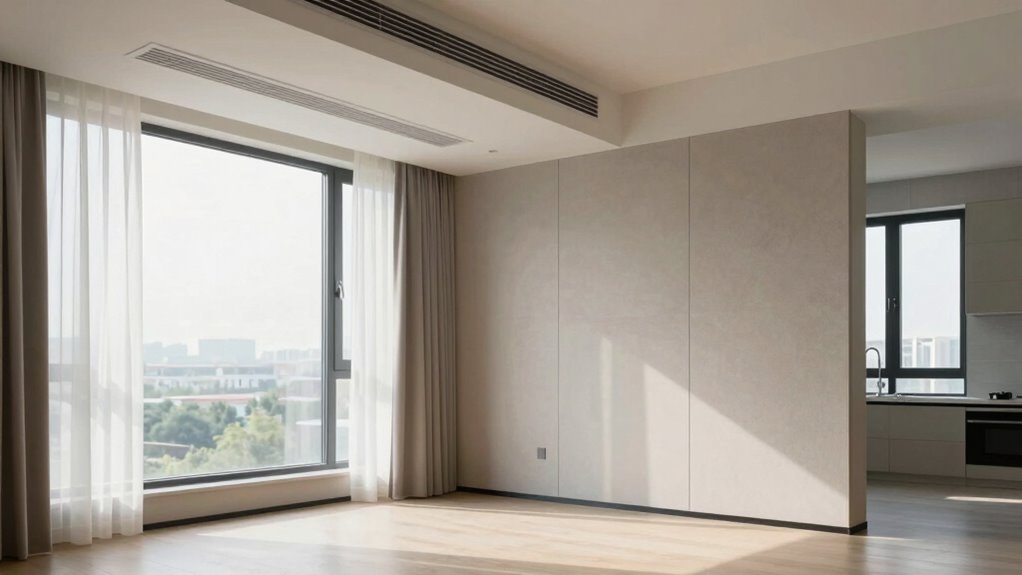
Ensuring your future home offers ideal comfort starts with simple, practical steps you can take early in the planning process. Start by evaluating natural light and airflow, which influence ventilation and noise levels. Consider how home decor choices, like window treatments, can reduce noise and improve insulation. Landscaping also plays a role—planting trees or shrubs can block noise and create a peaceful environment. Focus on the layout to maximize privacy and minimize external disturbances. Additionally, check the orientation of your home to optimize airflow and sunlight. Regularly appraise these elements as your plans develop. Use the table below to guide your comfort enhancements:
| Aspect | What to Check | How to Improve |
|---|---|---|
| Ventilation | Airflow and drafts | Add vents or fans |
| Noise | External sounds | Plant buffers, window upgrades |
| Home Decor | Insulation, curtains | Use sound-absorbing materials |
| Landscaping | Trees, shrubs | Strategically plant for noise reduction |
Frequently Asked Questions
How Do Ventilation Issues Impact Long-Term Home Value?
Poor ventilation issues can considerably lower your home’s long-term value. When indoor air quality declines due to inadequate ventilation systems, potential buyers see it as a costly problem to fix. You might struggle to sell or get top dollar because they’ll worry about health concerns and future maintenance. Investing in proper ventilation not only improves indoor air quality but also enhances your home’s appeal and value over time.
What Are the Hidden Costs of Poor Noise Insulation?
Poor noise insulation can lead to hidden costs like decreased comfort and potential health issues. You might overlook the need for acoustic design and soundproofing techniques that prevent noise from seeping in or escaping. Over time, this can cause higher energy bills, increased stress, and even difficulty selling your home later. Investing in proper soundproofing now saves you money and enhances your living environment long-term.
Can Enclosure Quality Affect Energy Efficiency?
Yes, enclosure quality directly affects energy efficiency. Durable enclosures with high-quality materials help maintain proper insulation, reducing heat loss or gain. When you choose enclosures with better durability and sustainable materials, you minimize energy waste and lower utility costs. Good enclosure design also prevents drafts and leaks, ensuring your space stays comfortable longer. In the end, investing in quality enclosures benefits both your energy savings and environmental impact.
Are There Specific Materials That Improve Ventilation and Noise Reduction?
Yes, selecting the right materials can considerably improve ventilation and noise reduction. Look for materials with good airflow properties, like perforated panels or breathable fabrics, to enhance ventilation. Incorporate acoustic barriers such as mass-loaded vinyl or foam panels to dampen sound. Material selection is essential—choose those designed for soundproofing and airflow to create a more comfortable, quieter environment, meeting buyer expectations effectively.
How Do Climate Changes Influence Ventilation and Enclosure Needs?
Climate changes considerably impact your ventilation and enclosure needs. You’ll need to prioritize climate adaptation by upgrading ventilation systems to handle increased temperatures, humidity, or extreme weather. These changes may require more efficient airflow, better insulation, or specialized enclosures to maintain comfort and safety. Staying proactive ensures your space adapts effectively, reducing issues caused by shifting climate patterns. Proper planning now helps you manage future climate challenges with confidence.
Conclusion
Remember, paying attention to ventilation, noise, and enclosure quality is like tuning a fine instrument—you’ll enjoy a harmony of comfort and peace in your new home. Don’t overlook these factors, even if they seem minor. By being diligent and asking the right questions, you’ll guarantee your home isn’t just a beautiful space but a sanctuary where you truly feel at ease. Ultimately, these details make all the difference between a house and your ideal haven.
Halloween Picks
halloween
As an affiliate, we earn on qualifying purchases.