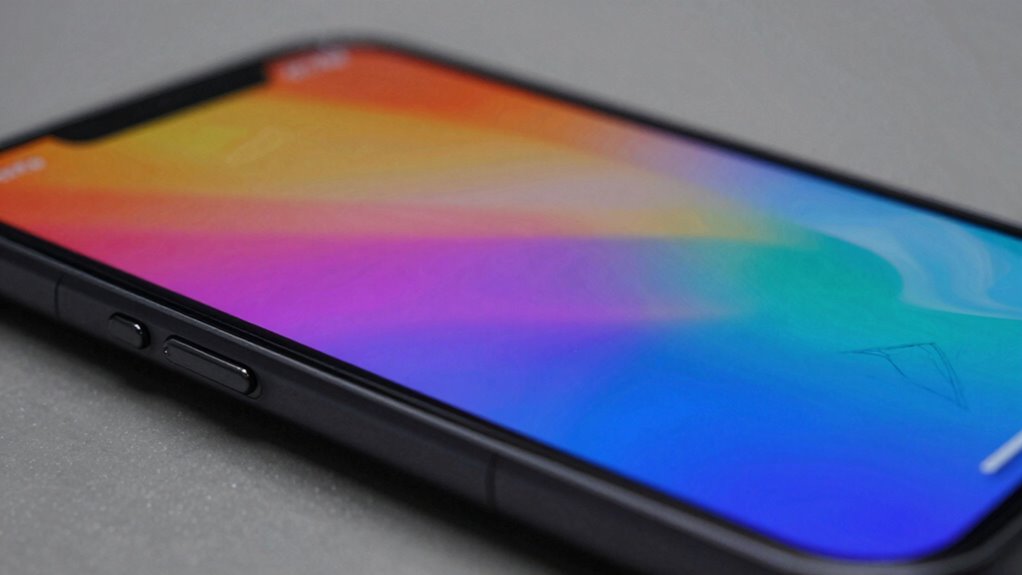

Yes, OLED burn-in is a real concern, but it’s manageable with proper use. Static images, like logos or navigation bars, displayed for long periods can cause uneven pixel wear, leading to ghost images or color fading. However, modern OLEDs include features like screen savers, pixel shifting, and automatic brightness adjustment to reduce this risk. If you want to understand how to protect your display and weigh your options, keep exploring the details below.

Get hardware and tech essentials delivered free with Prime
- Fast, free delivery on millions of items
- Prime Video, Amazon Music and more included
- Member-only deals all year
Key Takeaways
- Burn-in risk exists but is largely dependent on usage patterns, static images, and brightness settings.
- Modern OLEDs include features like pixel shifting and automatic brightness to mitigate burn-in.
- Variations in content and screen management can significantly extend OLED lifespan.
- OLEDs offer superior display quality, but careful use is essential to prevent long-term image retention.
- LCDs are less prone to burn-in, making them a more durable choice for static content-heavy use.
As an affiliate, we earn on qualifying purchases.
What Is Burn-In on OLED Screens and How Does It Happen?
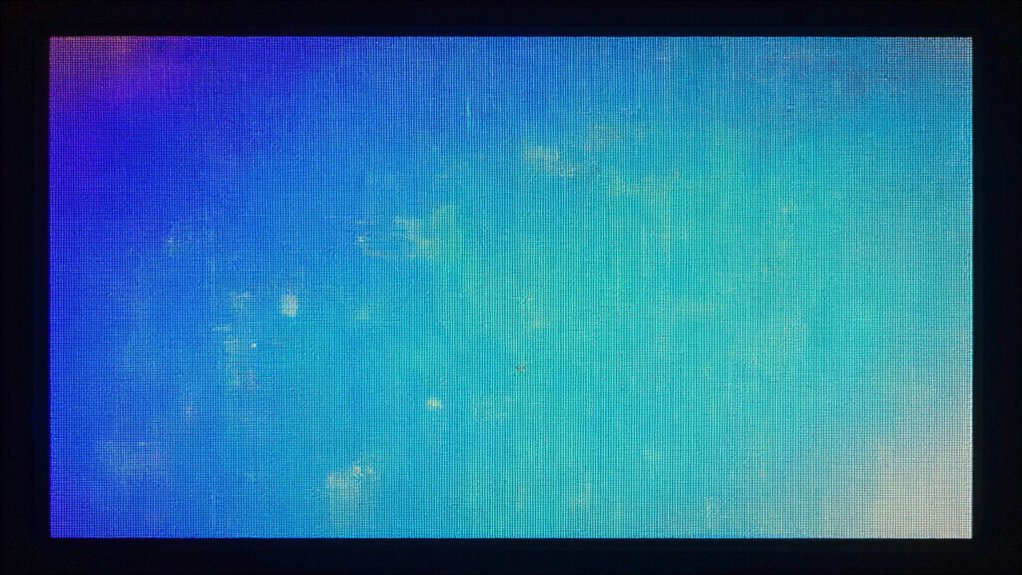
OLED burn-in occurs when static images are displayed for long periods, causing certain pixels to degrade faster than others. This uneven wear impacts color accuracy, making images look faded or ghosted over time. When you constantly display elements like logos or status bars, those pixels become less vibrant, leading to a visible imprint. The refresh rate plays a role in how quickly this degradation happens; higher refresh rates can help mitigate burn-in by reducing static content’s persistence. Over time, the uneven pixel aging distorts colors and sharpness, diminishing your viewing experience. To avoid this, you should rotate static images, lower brightness, or use features designed to prevent burn-in. Understanding how pixel wear affects color accuracy highlights the importance of managing static content on OLED screens. Incorporating Free Floating design principles, such as varying content and utilizing landscaping, can also help reduce static display issues. Additionally, being aware of display longevity can assist in maintaining screen quality over time, especially when considering projector technology for long-term use.
OLED burn-in prevention screen saver
As an affiliate, we earn on qualifying purchases.
As an affiliate, we earn on qualifying purchases.
Should You Be Worried About OLED Burn-In?
Many users wonder if burn-in is a real concern when choosing an OLED display, and the answer depends on your usage habits. If you mainly watch movies or play static games, you might worry more about burn-in affecting color accuracy over time. However, for casual use, modern OLEDs include features to minimize risk. To help you decide, here’s a quick comparison:
| Usage Type | Burn-In Risk | Impact on Color Accuracy | Power Consumption |
|---|---|---|---|
| Static Content | Higher | Potential long-term drift | Slightly higher |
| Mixed Usage | Moderate | Minimal short-term | Balanced |
| Video Streaming | Low | Little to no effect | Lower |
| Gaming (Dynamic) | Low | No impact | Similar to LCDs |
| Professional Editing | Very low | Preserves color accuracy | Efficient |
Additionally, understanding OLED burn-in mitigation techniques can further reassure users about the longevity of their displays. Modern OLED displays also employ screen refresh methods to help reduce the risk of burn-in over time. Regularly changing display content can significantly help prevent static images from causing lasting damage. Incorporating proper usage habits can significantly extend the lifespan of OLED screens, making concerns about burn-in less critical for most users.
As an affiliate, we earn on qualifying purchases.
What Factors Increase OLED Burn-In Risk?

Your risk of OLED burn-in increases if you use high brightness levels for long periods, as it speeds up pixel wear. Keeping static images on the screen for extended times also raises the chance of burn-in. Additionally, your screen usage patterns, like frequent switching between static and dynamic content, can influence the likelihood of damage. Being aware of DIY safety tips can help prevent accidental damage during maintenance or adjustments. Regularly adjusting and rotating the content displayed can also reduce the risk of static image retention and screen damage, especially if you incorporate adaptive lighting or other display management features to vary what appears on your screen. Understanding content management and how it impacts display longevity can further help in minimizing burn-in risks.
Brightness Levels Matter
Higher brightness levels considerably increase the risk of burn-in on OLED screens because they accelerate the wear of organic materials. When you push your display to higher luminance, it not only speeds up pixel degradation but can also impact color precision over time. Additionally, brighter settings drain power more quickly, reducing overall efficiency. To minimize burn-in risk, consider these factors:
- Lower brightness settings help preserve pixel longevity.
- Maintaining ideal color accuracy prevents uneven wear.
- Efficient brightness management extends device lifespan.
- Reducing unnecessary brightness boosts power efficiency and reduces wear.
- Using automatic brightness controls can help manage luminance levels effectively and protect your screen. Managing display brightness thoughtfully can also mitigate the effects of pixel degradation over time, especially since certain style elements like static logos or icons are more prone to burn-in.
Static Image Duration
Leaving a static image on an OLED screen for extended periods considerably heightens the risk of burn-in. The longer you display static images, the more likely you’ll experience image retention, where remnants of the image linger even after switching content. High contrast and bright static images accelerate this process. To understand the impact, consider this table:
| Static Image Duration | Burn-In Risk Level |
|---|---|
| Short (a few seconds) | Minimal, unlikely to cause damage |
| Moderate (minutes) | Low, but risk increases over time |
| Extended (hours) | High, significant burn-in risk |
Reducing static image duration is essential to prevent burn-in, especially during prolonged viewing sessions.
Screen Usage Patterns
Certain usage patterns considerably increase the risk of OLED burn-in, especially when static images are displayed repeatedly or for extended periods. If you frequently view content with fixed elements, like navigation bars or logos, you’re more vulnerable. Poor color accuracy can exaggerate differences between static and dynamic areas, accelerating burn-in. Additionally, maintaining static images at narrow viewing angles intensifies the risk, as OLED pixels are more prone to uneven wear. To minimize this, avoid leaving the same content onscreen for long stretches and use features like screen shift or dark mode. Be mindful of how often you display static elements, and rotate content to give pixels time to recover. Properly managing your viewing habits can help preserve your OLED’s lifespan and display quality. Understanding source longevity and how your display ages can further help in adopting best practices for maintenance. Recognizing wear patterns and adjusting your usage accordingly can also contribute to extending your display’s lifespan. Incorporating usage analysis tools can help identify problematic patterns early, allowing you to make necessary adjustments. Being aware of wear-leveling techniques can also assist in distributing pixel use more evenly across the display. Moreover, being proactive about display calibration can help maintain consistent color and brightness, reducing uneven wear.
automatic brightness adjustment monitor
As an affiliate, we earn on qualifying purchases.
As an affiliate, we earn on qualifying purchases.
How Modern OLED Devices Help Prevent Burn-In
Modern OLED devices use pixel shifting technology to subtly move images and prevent static elements from burning in. They also automatically adjust brightness levels to reduce wear on the pixels, extending screen life. Additionally, screen saver features kick in when you’re not actively using the device, further protecting your display from burn-in. Incorporating cozy spaces with natural light can also help reduce eye strain and improve overall wellness during screen time.
Pixel Shifting Technology
Pixel shifting technology actively moves the image on the screen by small, imperceptible amounts at regular intervals, helping to prevent burn-in on OLED displays. This technique guarantees that static elements, such as icons or HUDs, don’t remain in the same spot for extended periods, preserving color accuracy and overall display quality. By subtly shifting pixels, it reduces the risk of uneven wear, prolonging the lifespan of your screen. Additionally, content in displays like static images can contribute to burn-in, so this feature helps mitigate that risk. Incorporating such governance measures ensures that your OLED device maintains its optimal performance over time. Furthermore, understanding the importance of watt-hours, capacity, selection can help you choose the right battery inverter generator to support your device’s power needs without compromising longevity.
Key benefits include:
- Maintains consistent color fidelity over time
- Minimizes static image retention
- Preserves pixel integrity and lifespan
- Works seamlessly without user intervention
This approach is an effective layer of protection, allowing you to enjoy vibrant visuals without worrying about burn-in, all while maintaining the clarity and color accuracy OLED screens are known for.
Automatic Brightness Adjustment
Automatic brightness adjustment is one of the key features that helps prevent burn-in on OLED screens. By automatically lowering brightness during static image display, it reduces the risk of uneven pixel wear. This feature also enhances color accuracy by maintaining ideal screen conditions, preventing color shifts caused by prolonged static images. Additionally, it improves energy efficiency, as the device consumes less power when brightness is reduced automatically. You won’t need to manually tweak brightness settings constantly, which minimizes the chances of static elements lingering too long. Overall, automatic brightness adjustment creates a balanced viewing experience, protecting your screen from burn-in while maximizing picture quality and conserving energy. It’s a smart, built-in way modern OLED devices actively work to extend their lifespan.
Screen Saver Features
Screen saver features are designed to prevent static images from lingering on your OLED display for too long, reducing the risk of burn-in. Modern devices implement smart screen savers that activate when inactivity is detected, shifting or dimming images to protect pixel health. These features support:
- Maintaining color accuracy by avoiding prolonged static elements
- Enhancing energy efficiency through adaptive display management
- Reducing static image retention that can cause burn-in
- Preserving overall display quality over time
Additionally, filter sizing/flow considerations can help reduce static elements that contribute to burn-in risk in certain display settings.
Tips to Minimize Burn-In and Protect Your OLED Screen
To help prevent burn-in on your OLED display, it’s essential to adopt some simple yet effective habits. Adjust your screen brightness to a moderate level, as high brightness accelerates pixel wear. Use screen savers or automatic dimming features to protect static images. Regularly vary content to avoid prolonged display of the same elements, preserving color accuracy and hardware durability. Consider enabling pixel shifting or screen refresh features if available.
| Tip | Benefit |
|---|---|
| Lower screen brightness | Reduces pixel stress and prolongs lifespan |
| Use dynamic wallpapers | Prevents static images from burning in |
| Enable pixel shifting | Distributes wear evenly |
| Regularly update content | Maintains color accuracy and extends hardware durability |
OLED vs. LCD: Which Is Less Prone to Burn-In?
When comparing OLED and LCD displays, OLED screens are generally more prone to burn-in due to their self-emissive nature, which causes individual pixels to wear out unevenly over time. However, if you prioritize panel longevity and color accuracy, LCDs tend to be more durable. LCDs are less susceptible to burn-in because they use a backlight instead of individual pixels, spreading wear more evenly. This results in:
- Greater overall panel longevity
- Reduced risk of image retention
- Consistent color accuracy over time
- Less vulnerability to burn-in artifacts
While OLEDs offer superior contrast and richer blacks, LCDs provide a more stable viewing experience for long-term use, making them less prone to burn-in issues. Your choice depends on balancing display quality with durability.
Is OLED the Right Choice for You? Pros and Cons
Choosing between OLED and LCD depends on what you value most in a display. If vibrant color accuracy and stunning design aesthetics matter, OLED might be the better choice. OLED screens deliver deeper blacks, richer colors, and better contrast, making visuals pop. Their sleek, slim profiles also enhance design aesthetics, fitting seamlessly into modern setups. However, consider potential downsides like burn-in risk over time, especially if static images are displayed frequently. If you prioritize longevity and worry less about perfect color precision, LCDs offer durability and often lower costs. Ultimately, if you want exceptional picture quality and a stylish appearance, OLED suits you. But if you prefer a more budget-friendly, low-maintenance option, LCD might be the smarter move. Your decision hinges on balancing visual excellence with practical concerns.
Frequently Asked Questions
Can OLED Burn-In Be Completely Prevented?
You can’t completely prevent OLED burn-in, but you can minimize it by adjusting your usage. Keep an eye on color accuracy settings, avoid static images for long periods, and use screen savers or auto-dimming features. These steps help protect the panel lifespan. While burn-in isn’t entirely avoidable, responsible habits extend your OLED’s life and maintain vibrant picture quality, ensuring your device stays in great shape longer.
How Long Does OLED Burn-In Typically Take to Develop?
OLED burn-in can take months or even years to develop, but it’s not an instant disaster. You might notice image retention after just a few hours of static images, but pixel aging is what causes permanent damage over time. The more static content you display, the faster the process. Regularly changing images and enabling screen savers can help delay burn-in, making your OLED last longer without permanent marks.
Are There Specific Brands With Lower Burn-In Risks?
You’ll find that brands with strong reputations, like LG and Sony, generally have lower burn-in risks. Consumer reports often highlight these companies for their advanced pixel-shifting and screen management features that help prevent burn-in. While no brand is entirely immune, choosing reputable brands known for quality and innovation can considerably reduce your chances of experiencing burn-in over time. Always keep your display settings optimized to further protect your screen.
Does Screen Size Affect OLED Burn-In Likelihood?
Sure, larger screens seem intimidating, but ironically, they often have better screen durability and display longevity because manufacturers reinforce them more. Smaller OLED screens might be more prone to burn-in, despite their size. So, size isn’t a straightforward risk factor; it’s about how well the display is built and maintained. You can enjoy a big screen without fearing burn-in, as long as you pick quality and handle it properly.
Can Software Updates Reduce Burn-In Effects?
Yes, software updates can help reduce burn-in effects by improving display longevity. Manufacturers release software patches that optimize pixel shifting, adjust brightness levels, or implement screen refresh techniques. These updates can minimize static image retention, preserving your OLED screen’s quality over time. Regularly installing these patches is a simple way to extend your display’s lifespan and keep your device looking and functioning like new longer.
Conclusion
While burn-in can sound alarming, modern OLED devices have advanced features to minimize the risk. If you stay mindful—like avoiding static images for long periods—you’ll likely enjoy vibrant, stunning displays without worry. Yes, OLED isn’t completely immune, but with simple precautions, you can enjoy its incredible picture quality without fear. So, go ahead—embrace the benefits of OLED, knowing that smart usage keeps your screen looking great for years to come.
Halloween Picks
halloween
As an affiliate, we earn on qualifying purchases.