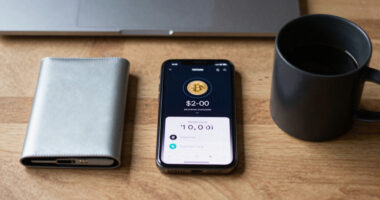

A paper wallet is a physical document that holds your cryptocurrency private and public keys offline, offering a simple, low-cost way to store your assets securely. By printing out QR codes or alphanumeric keys and keeping them in safe places, you prevent online hacking risks. While it keeps your keys away from digital threats, you need to handle and store it carefully. To learn more about creating and securing your paper wallet, keep exploring the options.

Get hardware and tech essentials delivered free with Prime
- Fast, free delivery on millions of items
- Prime Video, Amazon Music and more included
- Member-only deals all year
Key Takeaways
- A paper wallet is a physical document containing your private and public keys for offline cryptocurrency storage.
- It is generated securely and usually includes QR codes for easy scanning and transfer.
- Storing your private key offline on paper protects your assets from online hacking and malware.
- Proper storage in secure locations like safes prevents theft, loss, or damage from fire or water.
- Paper wallets are a cost-effective, simple method for long-term cold storage of cryptocurrencies.
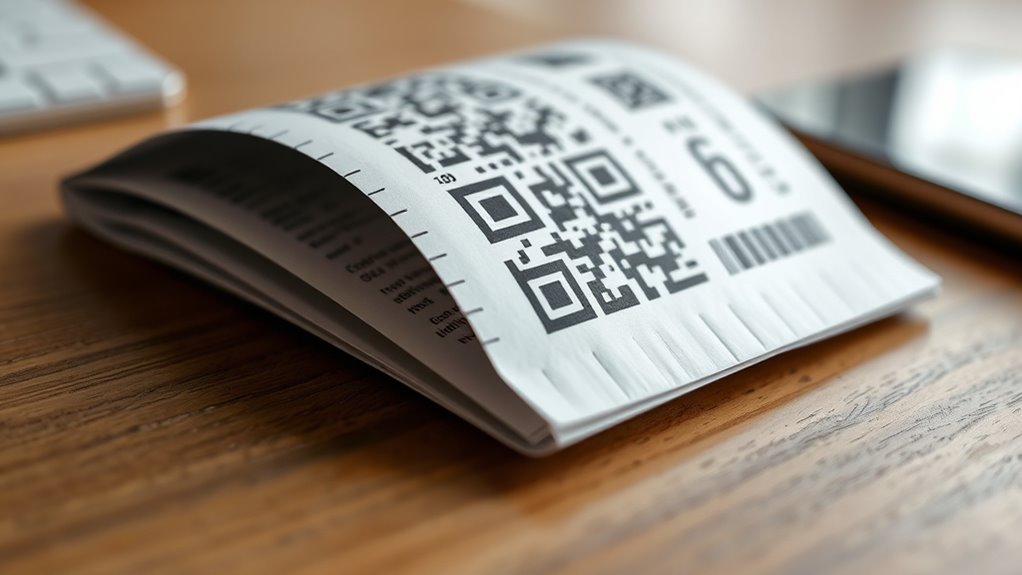
Storing your cryptocurrency offline can considerably improve your security, and paper wallets offer a simple yet effective way to do this. When you use a paper wallet, you’re essentially creating a physical document that contains your private key and public address. This method eliminates the risk of online hacking or malware compromising your funds. Unlike digital wallets, which depend on devices connected to the internet, a paper wallet keeps your keys entirely offline, protecting your assets from digital threats.
Offline storage of crypto with paper wallets enhances security by safeguarding private keys from online threats.
A key aspect of understanding paper wallets is recognizing how they relate to digital signatures and hardware security. Digital signatures verify the authenticity of transactions, ensuring that only you can authorize movements of your cryptocurrency. When you generate a paper wallet, the private key is used to create a digital signature for transactions, which can be validated against the public key. This process confirms that you’re the rightful owner, without exposing your private key online. Hardware security, on the other hand, refers to specialized devices like hardware wallets that securely store private keys. While hardware wallets offer high security by keeping keys offline and protected within a device, paper wallets are a more basic and cost-effective alternative. They lack the advanced encryption and protection features of hardware devices but serve well for long-term storage or cold storage.
Creating a paper wallet involves generating a key pair—your private key and public address—using secure software or online services designed specifically for this purpose. It’s vital to do this in a secure environment, ideally on a device free from malware or viruses. Many services produce a QR code for both keys, making it easier to transfer and use them with compatible wallets or exchanges. Once generated, you should print the wallet on high-quality, durable paper and store it in a safe location, such as a safe deposit box or a secure home safe. Avoid storing it in easily accessible or insecure places to prevent theft, damage, or loss.
Because paper wallets are entirely offline, they don’t rely on any digital infrastructure once printed, markedly reducing the attack surface. However, they’re not foolproof. Physical threats like fire, water damage, or physical theft are risks you must consider. To maximize security, some users opt for multiple copies stored in different secure locations. Remember, the security of your paper wallet hinges on how well you protect your private key from unauthorized access. Combining this with good practices like encrypting digital backups or using secure hardware security modules for key generation can help guarantee your cryptocurrency remains safe. Additionally, understanding the importance of projector contrast ratio can help you choose optimal display settings for your home cinema setup. In the end, a paper wallet provides a straightforward, cost-effective way to store your crypto offline, giving you peace of mind knowing your assets are protected from online threats.
Products Worth Considering

Amazon Kindle Paperwhite Signature Edition (12th Generation, 2024), 32 GB, Metallic Black

Jackery HomePower 3600 Plus Portable Power Station, 3584Wh, 3600W

Samsung 27-inch Odyssey OLED G6 QD-OLED QHD Gaming Monitor
As an affiliate, we earn on qualifying purchases.
Frequently Asked Questions
How Long Can a Paper Wallet Last Without Deteriorating?
A paper wallet can last many years if you maintain proper storage conditions. Its durability lifespan depends on factors like humidity, sunlight, and handling. To maximize longevity, keep it in a cool, dry, and dark place, and consider using protective coverings like laminations or plastic sleeves. Avoid folding or touching the sensitive areas. With good care, your paper wallet can securely store your cryptocurrency for a decade or more.
Can I Use a Paper Wallet for Multiple Cryptocurrencies?
Yes, you can use a paper wallet for multiple cryptocurrencies, but it’s not ideal for cryptocurrency diversification or multi-currency security. Each wallet is typically designed for a specific currency’s private key. If you want to store several cryptocurrencies securely, consider separate paper wallets for each. This approach minimizes risks and keeps your assets organized, ensuring your offline storage remains safe and effective across different digital currencies.
What Are the Risks of Printing a Paper Wallet?
When you print a paper wallet, you risk digital theft if someone hacks your printer or intercepts the file. Physical damage is another concern; fire, water, or tearing can destroy your private keys, making your cryptocurrency inaccessible. To minimize these risks, store the paper wallet securely, keep it away from moisture and heat, and consider making multiple copies stored in different safe locations.
How Do I Securely Dispose of a Paper Wallet?
To securely dispose of a paper wallet, you should first confirm it’s no longer needed by securely deleting any digital copies with encryption. Then, physically destroy the wallet using methods like shredding or burning, making sure it’s thoroughly destroyed to prevent recovery. Always prioritize physical security during disposal to prevent theft, and consider using digital encryption for any stored digital backups before disposal.
Can Paper Wallets Be Hacked Remotely?
No, paper wallets can’t be hacked remotely because they are offline. However, they are vulnerable to digital theft if you store digital copies or share images online. Physical damage, like fire or water, can also ruin them, making your funds inaccessible. To protect your cryptocurrency, keep your paper wallet secure, avoid digital exposure, and store it in a safe, protected location.
Conclusion
A paper wallet keeps your cryptocurrency safe offline, protecting it from hackers and online threats. Sure, losing the paper means losing access, but if you store it securely—like in a safe or safety deposit box—that risk diminishes. It’s a simple, cost-effective way to safeguard your assets without relying on digital storage. With a little care, a paper wallet offers peace of mind, knowing your crypto is truly offline and protected.