
Choosing the best PC for podcast editing involves balancing performance, reliability, and cost. The Dell Precision 3660 Tower stands out as the top overall pick thanks to its powerful processor and professional-grade graphics. The HP OMEN 45L offers premium features like high-end specs and advanced cooling for demanding editing workflows, while the Dell Optiplex 7060 provides excellent value for those on a budget. Each option presents tradeoffs: higher-end machines deliver faster editing but come at a higher price, while budget options may struggle with large multi-track sessions. Continue reading for a detailed breakdown of each PC to find the best fit for your podcast setup.

Get hardware and tech essentials delivered free — and shop member deals
- Fast, free delivery on millions of items
- Access to Prime Big Deal Days deals on October 6–7
- Prime Video, Amazon Music and more included
Key Takeaways
- Performance in multi-track editing and rendering is the key differentiator among these PCs.
- Higher-end models like the HP OMEN 45L excel with premium specs but come with a higher price tag.
- The Dell Optiplex 7060 offers solid value for entry- and mid-level podcast creators.
- Build quality and cooling are often overlooked but critical for long editing sessions.
- GPU presence varies; professional-grade graphics are beneficial but not essential for basic editing.


| PCs for podcast editing | Processor | RAM | Storage | Operating System |
|---|---|---|---|---|
| Dell Precision 3660 Tower with | Intel Core i7-13700 | 32GB DDR5 | 512GB SSD | Windows 11 Pro |
| Dell Optiplex 7060 Tower Deskt | Intel i7-8700 | 32GB DDR4 | 1TB SSD | Windows 11 Pro |
| Dell Tower Plus EBT2250 Workst | Intel Ultra 7-265 | 32GB DDR5 | 1TB PCIe NVMe SSD | Windows 11 Pro |
| Logitech Blue Yeti USB Microph | — | — | — | — |
| Dell Tower Plus EBT2250 Deskto | Intel Core Ultra 9 285K | 128GB DDR5 | 1TB PCIe NVMe SSD | Windows 11 Home |
| HP OMEN 45L GT22 Gaming Deskto | Intel Core Ultra 9 285K 24-Core up to 5.7 GHz | 32GB DDR5 5600 MHz | 2TB PCIe NVMe M.2 SSD | Windows 11 Pro |
More Details on Our Top Picks
Dell Precision 3660 Tower with Intel Core i7-13700, 32GB RAM, 512GB SSD, NVIDIA RTX A2000 12GB, Windows 11 Pro
This Dell Precision 3660 stands out for its combination of high-end processing and professional graphics, making it ideal for demanding podcast editing workflows that involve complex multitrack sessions and editing software. Compared with the Dell Tower Plus EBT2250, the Precision offers a more balanced mix of CPU power and professional GPU, though it comes at a higher price and potentially fewer upgrade options. Its 16-core Intel Core i7-13700 ensures swift rendering and multitasking, while the NVIDIA RTX A2000 provides hardware acceleration for editing and visual effects. However, the absence of additional expansion slots could limit future upgrades, and the overall cost is higher than more consumer-focused options.
Pros:- Powerful 16-core Intel Core i7-13700 for fast processing
- 32GB DDR5 RAM supports heavy multitasking
- Dedicated NVIDIA RTX A2000 GPU accelerates editing workflows
- Includes essential peripherals like keyboard and mouse
Cons:- Higher cost compared to mainstream desktops
- Limited upgrade options for expansion
Best for: Producers and editors who need reliable, workstation-level performance with professional graphics capabilities
Not ideal for: Budget-conscious hobbyists or those with minimal multitasking needs, as it carries a premium price tag
- Processor:Intel Core i7-13700
- Cores:16 cores
- RAM:32GB DDR5
- Storage:512GB SSD
- Graphics:NVIDIA RTX A2000 12GB
- Operating System:Windows 11 Pro
Our verdict“This workstation is best suited for professional podcast editors who prioritize power and reliability over affordability.”
Dell Optiplex 7060 Tower Desktop Computer with Intel i7-8700, 32GB RAM, 1TB SSD, Windows 11 Pro
Compared with the Dell Precision 3660, the Optiplex 7060 offers solid performance for podcast editing at a more accessible price point, making it appealing for semi-professional or serious hobbyist editors. Its Intel i7-8700 processor, paired with 32GB of DDR4 RAM and a 1TB SSD, ensures fast boot times and smooth multitasking, though it lacks dedicated graphics, which might be a limitation for GPU-accelerated editing. The extensive port selection and support for 4K displays make it versatile for various workflows. However, being a slightly older model, it may lack some of the latest connectivity features, and its bulkier design could be less ideal for small spaces.
Pros:- Strong Intel i7-8700 processor with 32GB RAM for multitasking
- Fast 1TB SSD for quick data access
- Supports 4K output and multiple connectivity options
- More affordable than newer workstations
Cons:- No dedicated GPU for acceleration
- Older hardware may limit future upgrades
Best for: Budget-conscious creators who need dependable performance without high-end graphics demands
Not ideal for: Users requiring GPU-accelerated editing or future-proof connectivity, as it lacks a dedicated GPU and newer ports
- Processor:Intel i7-8700
- RAM:32GB DDR4
- Storage:1TB SSD
- Operating System:Windows 11 Pro
- Connectivity:USB 3.0 x5, USB 2.0 x4, DisplayPort x2
Our verdict“This desktop offers good value for entry-level or intermediate podcast editing, especially for those prioritizing affordability.”
Dell Tower Plus EBT2250 Workstation Desktop (Next-gen XPS)
The Dell Tower Plus EBT2250 is designed for intense multitasking, with a 15th Gen Intel Ultra 7-265 processor featuring 20 cores and 20 threads, making it suitable for handling large multitrack projects and simultaneous editing tasks. Its RTX 5060 graphics card adds a layer of GPU acceleration, beneficial for real-time audio processing and visual effects. Compared to the Dell Precision 3660, this model offers more cores and a higher-end GPU, but it also consumes more power and might be overkill for simple editing tasks. Its comprehensive connectivity and included peripherals make it a versatile choice, though the high energy use and cost could be a concern for some users.
Pros:- 20-core Intel Ultra 7-265 processor for heavy multitasking
- RTX 5060 graphics for accelerated editing and rendering
- 32GB DDR5 RAM supports multiple applications simultaneously
- Rich connectivity options including Thunderbolt 4 and SD card reader
Cons:- Higher power consumption and cost
- Large footprint may not suit small setups
Best for: Power users managing complex multi-track editing and demanding workflows
Not ideal for: Casual podcasters or those with limited space, as it is large and consumes significant power
- Processor:Intel Ultra 7-265
- Cores:20 cores
- RAM:32GB DDR5
- Storage:1TB PCIe NVMe SSD
- Graphics:RTX 5060 8GB GDDR7
- Operating System:Windows 11 Pro
Our verdict“This high-performance workstation excels for those running resource-intensive editing tasks and demanding multitasking environments.”
Logitech Blue Yeti USB Microphone for PC, Mac, Gaming, Recording, Streaming, Podcasting, Studio – Blackout
The Blue Yeti USB microphone is a favorite among podcasters for its versatility and ease of use. Its multiple pickup patterns, including cardioid and omni, allow for flexible recording setups, whether solo or in groups. The onboard Blue VO!CE effects provide customizable audio enhancement, making it a strong choice for those who want professional sound without complex hardware. Compared to other USB microphones, the Blue Yeti offers a wider range of pattern options and more control. However, its size and bulk can clutter a small desk, and it requires a stable stand or arm for optimal positioning, which might be an inconvenience for some users.
Pros:- Multiple pickup patterns for versatile recording
- Onboard Blue VO!CE effects for real-time audio enhancement
- Plug-and-play USB connectivity for easy setup
- Excellent sound quality suitable for professional podcasts
Cons:- Bulky design may take up significant desk space
- Requires a stable stand or arm for best positioning
Best for: Podcasters and streamers seeking straightforward, high-quality audio recording with flexible pattern options
Not ideal for: Minimalists or those with very limited desk space, as it is relatively bulky
- Pickup Patterns:Cardioid, Omni, Bidirectional, Stereo
- Connectivity:USB
- Software:Blue VO!CE effects
- Controls:Headphone volume, pattern selection, mute, mic gain
- Design:Adjustable desktop stand, pivotable microphone
Our verdict“This microphone is ideal for podcasters who prioritize sound quality and flexibility without the need for complex audio interfaces.”
Dell Tower Plus EBT2250 Desktop PC with Intel Core Ultra 9 285K and NVIDIA GeForce RTX 5060
This Dell Tower Plus EBT2250 with an Intel Core Ultra 9 285K and 128GB DDR5 RAM pushes performance boundaries, making it the best choice for editors working on massive, multi-layered projects. Its 24-core processor and top-tier RTX 5060 graphics deliver exceptional speed and rendering capabilities, surpassing the other options in raw power—such as the Precision 3660—at a very high price. The enormous RAM capacity and advanced GPU make it ideal for simultaneous editing, 3D audio processing, and complex visual tasks. However, such high specifications come with drawbacks: the price is steep, and the excessive RAM may be unnecessary for most podcast editing tasks. Its size also demands ample space and power supply considerations.
Pros:- Massive 128GB DDR5 RAM for demanding multitasking
- Powerful Intel Ultra 9 285K 24-core processor
- RTX 5060 graphics accelerates editing and rendering
- Fast 1TB NVMe SSD supports large files
Cons:- Extremely high price not suitable for casual use
- Overkill for standard podcast editing needs
Best for: High-end audio professionals and multimedia creators managing extremely demanding workflows
Not ideal for: Casual podcasters or those with limited budgets, as this setup exceeds typical needs
- Processor:Intel Core Ultra 9 285K
- Cores:24 cores
- RAM:128GB DDR5
- Storage:1TB PCIe NVMe SSD
- Graphics:NVIDIA GeForce RTX 5060 8GB
- Operating System:Windows 11 Home
Our verdict“This desktop suits professionals working on complex multimedia projects who need maximum power and are prepared for the investment.”
HP OMEN 45L GT22 Gaming Desktop PC – Intel Core Ultra 9 285K, 32GB DDR5, 2TB NVMe SSD, NVIDIA GeForce RTX 5070, Liquid Cooling, RGB Lighting, Windows 11 Pro
The HP OMEN 45L GT22 stands out for its incredibly powerful hardware, featuring an Intel Core Ultra 9 285K with 24 cores and a maximum clock of 5.7 GHz, complemented by 32GB DDR5 RAM and a 2TB NVMe SSD. Its high-end NVIDIA GeForce RTX 5070 GPU ensures smooth handling of intensive audio editing plugins and multitasking without lag. Compared to the Dell Precision 3660, which has a similar CPU but a less robust GPU, the OMEN excels in graphics-intensive tasks that could benefit podcast creators who also do video editing or need visual feedback. The liquid cooling system keeps temperatures low under sustained loads, but this adds complexity and cost, and the large, bulky chassis may intimidate those with limited space or less DIY experience. The customizable RGB lighting and extensive port selection, including Thunderbolt 4, make this a flexible choice for those who want performance and style, though it comes with a hefty price tag. For dedicated power users who want a machine that can handle multitasking, editing, and even some gaming, this pick offers unmatched performance, but it may be overkill for casual podcasters.
Pros:- Exceptional processing power with 24-core CPU
- Advanced liquid cooling maintains performance during long edits
- Extensive connectivity options including Thunderbolt 4 and Wi-Fi 6E
- Stylish, customizable RGB lighting
Cons:- High cost that may be prohibitive for casual users
- Large and bulky design requires ample space
- Requires some technical knowledge for upgrades or maintenance
Best for: Power users who need top-tier processing, graphics, and multitasking capability for audio and video editing.
Not ideal for: Podcasters with a tight budget or limited space who won’t utilize the high-end GPU or advanced cooling system.
- Processor:Intel Core Ultra 9 285K 24-Core up to 5.7 GHz
- RAM:32GB DDR5 5600 MHz
- Storage:2TB PCIe NVMe M.2 SSD
- Graphics Card:NVIDIA GeForce RTX 5070 12GB GDDR7
- Cooling:Liquid Cooling with OMEN Cryo Chamber
- Operating System:Windows 11 Pro
- Wi-Fi:Wi-Fi 6E (802.11ax)
- Ports:USB-C Thunderbolt 4, USB-A 3.2, USB-A 2.0, Headphone/Mic
- Warranty:2-Year Warranty
Our verdict“This desktop is ideal for demanding podcasters who need serious processing and graphical power and are prepared for its size and price.”
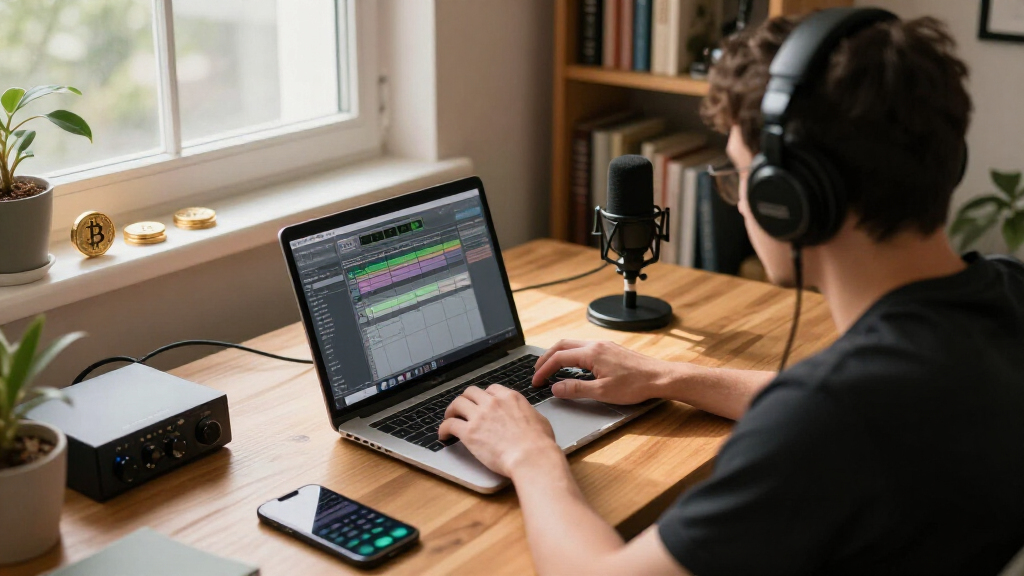
How We Picked
These PCs were selected based on their ability to handle demanding podcast editing tasks efficiently. Key criteria included processor speed, RAM capacity, storage options, graphics capability, and overall build quality. We prioritized systems with at least 16GB of RAM and fast SSD storage to ensure smooth workflow. Cost was a factor but was balanced against performance features, aiming to recommend options suitable for both beginners and professional podcasters. The ranking reflects a combination of hardware performance, value, and versatility for audio production work.| PCs for podcast editing | Processor | Graphics | Operating System |
|---|---|---|---|
| Dell Precision 3660 Tower with | Intel Core i7-13700 | NVIDIA RTX A2000 12GB | Windows 11 Pro |
| Dell Optiplex 7060 Tower Deskt | Intel i7-8700 | — | Windows 11 Pro |
| Dell Tower Plus EBT2250 Workst | Intel Ultra 7-265 | RTX 5060 8GB GDDR7 | Windows 11 Pro |
| Logitech Blue Yeti USB Microph | — | — | — |
| Dell Tower Plus EBT2250 Deskto | Intel Core Ultra 9 285K | NVIDIA GeForce RTX 5060 8GB | Windows 11 Home |
| HP OMEN 45L GT22 Gaming Deskto | Intel Core Ultra 9 285K 24-Core up to 5.7 GHz | — | Windows 11 Pro |
Factors to Consider When Choosing Best PCs For Podcast Editing
When choosing a PC for podcast editing, several factors influence the overall experience. Beyond raw specs, consider how the system’s build quality, cooling, and expandability will affect your workflow over time. Budget constraints are real, but investing in a machine with sufficient RAM and a fast processor can prevent bottlenecks. Don’t overlook the importance of a quiet system—distractions from fan noise can disrupt recording sessions. Compatibility with editing software and future-proofing for upgrades are also key considerations to avoid needing a new machine every few years.Processor Power
The processor determines how quickly your editing software can process multiple tracks and effects. For podcast editing, a recent-generation Intel Core i7 or equivalent AMD Ryzen is ideal, as they provide enough speed for real-time editing and rendering. Cheaper options with older CPUs may cause lag during complex projects, leading to frustration. Think of your CPU as the engine that keeps your workflow smooth and responsive.
RAM and Storage
Podcast editing benefits from at least 16GB of RAM, especially when working with multi-track sessions or high-resolution audio files. 32GB provides extra headroom for multitasking and future projects. Storage speed matters too; a solid-state drive (SSD) significantly reduces load times and file transfer delays compared to traditional HDDs. For convenience, look for systems with dual drives or easy upgrade paths to expand storage later.
Graphics and Connectivity
While integrated graphics are sufficient for most audio workflows, a dedicated GPU can help if you plan to do video editing or stream your podcast. Connectivity options like multiple USB ports, audio jacks, and high-speed Ethernet or Wi-Fi are vital for plugging in microphones, audio interfaces, and other peripherals. Ensuring your PC has enough ports prevents clutter and keeps your setup tidy.
Build Quality and Cooling
Prolonged editing sessions generate heat, making good cooling systems essential to maintain performance and prevent hardware failure. A well-built case with efficient airflow, quieter fans, and possibly liquid cooling options can make a noticeable difference. Durability matters too; a sturdy chassis protects internal components and extends the lifespan of your investment.
Future-Proofing and Expandability
Choose a system that allows upgrades—additional RAM slots, extra drives, or better graphics cards—so your PC can grow with your needs. Avoid overly compact or proprietary models that limit upgrade options. This foresight can save money over time and keep your editing setup flexible for new software or higher audio quality standards.
Frequently Asked Questions
Is a dedicated GPU necessary for podcast editing?
For standard audio editing, a dedicated GPU isn’t strictly necessary, as most editing software relies primarily on CPU and RAM. However, if you plan to incorporate video elements or stream live podcasts, a capable GPU can improve performance. It also helps future-proof your setup for potential video editing tasks, making a dedicated graphics card a worthwhile consideration for versatile creators.
How much RAM do I really need for podcast editing?
While 16GB of RAM is generally enough for most podcast editing projects, opting for 32GB can provide extra breathing room for multitasking, plugins, and larger audio files. If you work with multi-track recordings or plan to run multiple applications simultaneously, more RAM reduces lag and improves overall smoothness, making your editing process more efficient.
Should I prioritize CPU over GPU when buying a podcast editing PC?
Yes, for most podcast editing tasks, the CPU has a greater impact on performance than the GPU. A fast, recent-generation processor handles audio processing, effects, and rendering more efficiently. While a GPU can help with video or streaming, investing in a powerful CPU is generally more beneficial for audio-focused workflows.
What storage configuration is best for podcast editing?
An SSD is essential for quick load times and smooth workflow, especially for your operating system and editing software. A secondary larger HDD or additional SSD can be used for storing raw audio files and projects. Prioritize systems with SSDs or options for easy upgrades to avoid bottlenecks during intensive editing sessions.
Can I upgrade my PC later if I need more power?
Most desktop systems, especially those built with expandability in mind, allow upgrades to RAM, storage, and even graphics cards. Choosing a modular case and a motherboard with multiple slots makes future upgrades straightforward. Planning for upgradeability ensures your investment remains relevant as your podcasting needs grow or software requirements evolve.
Conclusion
For most users, the Dell Precision 3660 Tower offers the best overall balance of power, reliability, and expandability, making it ideal for serious podcasters. The HP OMEN 45L stands out for those seeking a premium, high-performance machine capable of handling heavy workflows and multitasking with ease. Budget-conscious creators will find the Dell Optiplex 7060 to be a solid value, delivering reliable performance at a lower price point. Beginners or casual podcasters should prioritize systems with straightforward setups and good upgrade options, while professionals may want to invest in high-end models that future-proof their workflow for years to come.Fall Picks
fall essentials
As an affiliate, we earn on qualifying purchases.