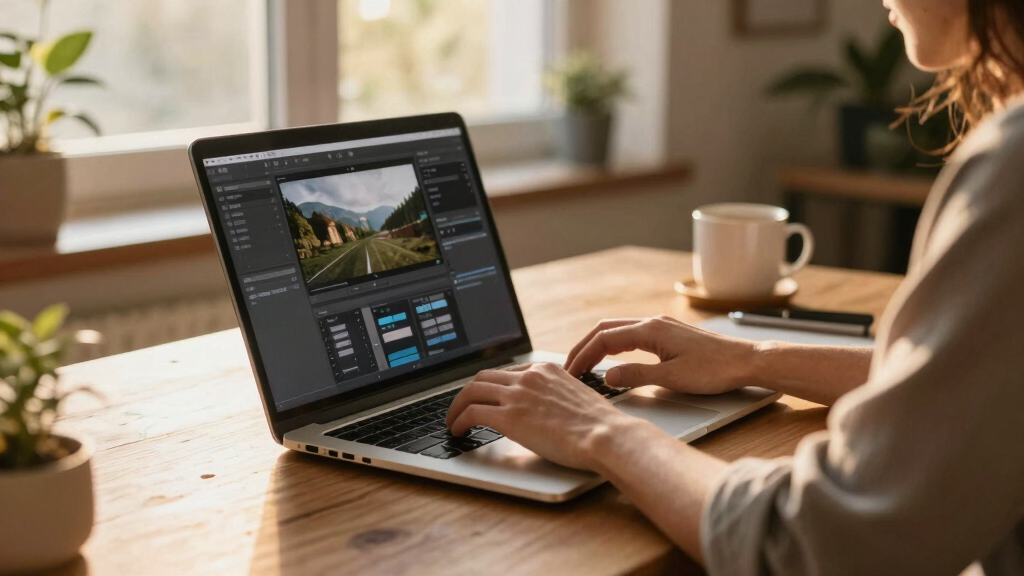

Finding the best AI laptops for content creation in 2026 involves balancing power, portability, and AI capabilities. The HP OmniBook 16 stands out as the top overall choice thanks to its robust performance and versatile touchscreen, ideal for multitasking. The Apple MacBook Air with M5 chip offers seamless integration of AI features with macOS, perfect for creatives in the Apple ecosystem. Meanwhile, the Acer Swift 16 provides a stunning OLED display and powerful specs at a competitive price. Buyers often grapple with choosing between raw power, display quality, and AI-specific features—this guide will help clarify those tradeoffs. Continue reading for a detailed breakdown of each option and which suits your content creation needs best.

Get hardware and tech essentials delivered free with Prime
- Fast, free delivery on millions of items
- Prime Video, Amazon Music and more included
- Member-only deals all year
Key Takeaways
- High RAM and SSD capacity are common among top picks, supporting multitasking and large files.
- AI-optimized hardware, like AMD Ryzen and Apple M chips, significantly boost productivity for content workflows.
- Display quality, especially OLED and high-resolution touchscreens, enhances editing and creative work.
- Tradeoffs often involve choosing between Windows flexibility and Mac ecosystem integration.
- Price ranges vary widely, with premium models offering advanced AI features and budget options prioritizing value.
| HP OmniBook 16″ 2K Touchscreen Laptop with AMD Ryzen AI 7, 32GB RAM, 1TB SSD, Windows 11 Pro, Backlit Keyboard, Glacier Silver |  | Best Overall for Power and Versatility | Display: 16-inch 2K IPS Touchscreen | Processor: AMD Ryzen AI 7 350 (up to 5.0GHz) | Graphics: AMD Radeon Graphics | VIEW LATEST PRICE | See Our Full Breakdown |
| NIMO 15.6″ AI-Light Gaming Laptop with AMD Ryzen 7 7735HS, 16GB DDR5, 1TB SSD |  | Best for Versatile Productivity and Light Creativity | Processor: AMD Ryzen 7 7735HS | Graphics: Radeon 680M | Memory: 16GB DDR5 | VIEW LATEST PRICE | See Our Full Breakdown |
| NIMO 15.6″ AI-Light Gaming Laptop with AMD Ryzen 7 7735HS, 16GB DDR5, 1TB SSD |  | Best for Balanced Work and Entertainment | Processor: AMD Ryzen 7 7735HS | Graphics: Radeon 680M | RAM: 16GB DDR5 | VIEW LATEST PRICE | See Our Full Breakdown |
| Apple MacBook Air 13-inch Laptop with M5 Chip (2026) – Sky Blue |  | Best for Portability and Mac Ecosystem Integration | Display: 13.6-inch Liquid Retina | Processor: M5 chip | Memory: 16GB Unified Memory | VIEW LATEST PRICE | See Our Full Breakdown |
| Acer Swift 16 AI Laptop, 16-Inch 2K WUXGA OLED Touchscreen, Intel 8-Core Processor, 32GB RAM, 1TB SSD, Thunderbolt, Windows 11 Pro |  | Best for High-Performance Content Creation and Portability | Display: 16-inch 2K WUXGA OLED Touchscreen | Processor: Intel 8-core Ultra 7 355 | RAM: 32GB | VIEW LATEST PRICE | See Our Full Breakdown |
| Acer Aspire FHD Touchscreen Laptop, Intel Core Ultra 7 258V, 32GB RAM, 1TB SSD |  | Best Portable Power for Content Creators on the Move | Processor: Intel Core Ultra 7 258V | AI NPU: 47 TOPS | Graphics: Intel Arc 140V | VIEW LATEST PRICE | See Our Full Breakdown |
| NIMO 15.6 AI Creator Laptop, AMD Ryzen 5 6600H, 16GB RAM, 512GB SSD, FHD IPS |  | Best Mid-Range Creative Power with Upgradeability | Processor: AMD Ryzen 5 6600H | Graphics: Radeon 660M integrated | RAM: 16GB DDR5 | VIEW LATEST PRICE | See Our Full Breakdown |
| AI laptops for content creation | Display | Processor | Storage | Graphics |
|---|---|---|---|---|
| HP OmniBook 16" 2K Touchscreen | 16-inch 2K IPS Touchscreen | AMD Ryzen AI 7 350 (up to 5.0GHz) | 1TB PCIe Gen4 SSD | AMD Radeon Graphics |
| NIMO 15.6" AI-Light Gaming Lap | 15.6" FHD IPS, 1920 x 1080 pixels | AMD Ryzen 7 7735HS | 1TB SSD | Radeon 680M |
| NIMO 15.6" AI-Light Gaming Lap | 15.6" FHD IPS, 1920 x 1080 pixels | AMD Ryzen 7 7735HS | 1TB SSD | Radeon 680M |
| Apple MacBook Air 13-inch Lapt | 13.6-inch Liquid Retina | M5 chip | 512GB SSD | — |
| Acer Swift 16 AI Laptop | 16-inch 2K WUXGA OLED Touchscreen | Intel 8-core Ultra 7 355 | 1TB SSD | Intel Graphics |
| Acer Aspire FHD Touchscreen La | 14.0" IPS WUXGA (1920×1200) Touchscreen | Intel Core Ultra 7 258V | 1TB PCIe NVMe SSD | Intel Arc 140V |
| NIMO 15.6 AI Creator Laptop | 15.6 inch, 1920 x 1080, FHD IPS | AMD Ryzen 5 6600H | 512GB PCIe SSD | Radeon 660M integrated |
More Details on Our Top Picks
HP OmniBook 16″ 2K Touchscreen Laptop with AMD Ryzen AI 7, 32GB RAM, 1TB SSD, Windows 11 Pro, Backlit Keyboard, Glacier Silver
This model stands out for combining a high-resolution 16-inch 2K touchscreen with a robust AMD Ryzen AI 7 processor and 32GB DDR5 RAM, making it highly capable for demanding content creation tasks. Compared with the Apple MacBook Air M5, the HP offers more raw power and a larger, touch-enabled display, though it lacks the same level of sleek portability and advanced AI ecosystem. The 1TB SSD ensures ample storage for large project files, while the 12-hour battery life supports extended work sessions. The main tradeoff involves its weight, nearing 4 pounds, which can impact portability, and the premium price might be a barrier for budget-conscious users. This pick makes the most sense for creators who need a flexible, high-performance Windows-based laptop with a large, detailed display.
Pros:- Powerful AMD Ryzen AI 7 processor with high-speed DDR5 RAM
- Large 16-inch 2K touchscreen with anti-glare finish
- Ample 1TB SSD for professional workflows
- Long battery life of up to 12 hours
Cons:- Weight of nearly 4 pounds reduces portability
- Premium price may stretch tight budgets
- Limited info on dedicated GPU performance
Best for: Content creators and professionals who prioritize a large high-resolution display and powerful processing in a portable form.
Not ideal for: Travelers or mobile users seeking the lightest possible device, as it is relatively heavy and expensive.
- Display:16-inch 2K IPS Touchscreen
- Processor:AMD Ryzen AI 7 350 (up to 5.0GHz)
- Graphics:AMD Radeon Graphics
- RAM:32GB DDR5
- Storage:1TB PCIe Gen4 SSD
- Battery Life:Up to 12 Hours
- Weight:3.97 lbs
- Dimensions:14.08 x 10.03 x 0.73 inches
Our verdict“Ideal for professionals requiring a large, high-resolution touchscreen and substantial processing power in a portable Windows package.”
NIMO 15.6″ AI-Light Gaming Laptop with AMD Ryzen 7 7735HS, 16GB DDR5, 1TB SSD
The NIMO 15.6-inch model excels as a balanced option, with a powerful AMD Ryzen 7 7735HS processor and Radeon 680M graphics that handle multitasking and creative tasks well. Compared to the Acer Swift 16, it offers a slightly smaller display but remains portable and efficient. The 16GB DDR5 RAM and 1TB SSD support quick workflows and ample storage, making it suitable for editing, coding, or light design work. Its 9-hour battery life and backlit keyboard enhance usability across varied environments. The main tradeoff is its limited gaming capability and the absence of a dedicated GPU, which may restrict high-end creative workflows. This makes it a compelling choice for creators who need a capable yet affordable Windows laptop for daily tasks.
Pros:- Strong AMD Ryzen 7 7735HS processor for multitasking
- Fast 1TB PCIe 4.0 SSD for responsive workflows
- Lightweight design at 3.8 pounds with long battery life
- Backlit keyboard and biometric security features
Cons:- Limited to light gaming and creative tasks, not high-end rendering
- Battery life may fluctuate under heavy load
- Only one HDMI port limits external connectivity options
Best for: Content creators and professionals who need a portable, capable machine for multitasking and light creative work.
Not ideal for: High-end gamers or users requiring advanced GPU performance for intensive rendering or 3D work.
- Processor:AMD Ryzen 7 7735HS
- Graphics:Radeon 680M
- Memory:16GB DDR5
- Storage:1TB SSD
- Display:15.6″ FHD IPS, 1920 x 1080 pixels
- Weight:3.8 pounds
- Battery Life:9 hours
- OS:Windows 11
Our verdict“A versatile, portable choice for creators who need capable performance in a lightweight Windows laptop.”
NIMO 15.6″ AI-Light Gaming Laptop with AMD Ryzen 7 7735HS, 16GB DDR5, 1TB SSD
This version of NIMO offers the same core specs as the previous model but with a 1080p IPS display, making it suitable for those who prefer a more budget-friendly yet capable machine. Compared to the HP OmniBook, it sacrifices some screen real estate and resolution but remains portable and efficient for light creative and productivity tasks. The bright backlit keyboard and 9-hour battery support work in various lighting conditions, while the 1TB SSD ensures quick load times. The main limitation is its focus on light gaming and creative use rather than high-end rendering or gaming performance, which might limit its appeal for more demanding workflows. It’s well-suited for users who want a compact, affordable device for daily content creation and casual entertainment.
Pros:- Powerful AMD Ryzen 7 7735HS processor for multitasking
- Bright 15.6″ FHD IPS display with good color reproduction
- Fast 1TB SSD for quick access to files
- Lightweight and portable at 3.8 pounds
Cons:- Limited to light creative and gaming tasks
- No dedicated GPU for demanding rendering
- Battery life may vary depending on workload
Best for: Content creators and students who need a portable, balanced device for work and media consumption.
Not ideal for: Power users requiring advanced GPU capabilities or intensive 3D rendering.
- Processor:AMD Ryzen 7 7735HS
- Graphics:Radeon 680M
- RAM:16GB DDR5
- Storage:1TB SSD
- Display:15.6″ FHD IPS, 1920 x 1080 pixels
- Weight:3.8 pounds
- Battery Life:9 hours
- OS:Windows 11
Our verdict“A well-rounded, portable option for casual creators and students seeking daily productivity and media use.”
Apple MacBook Air 13-inch Laptop with M5 Chip (2026) – Sky Blue
The MacBook Air with the M5 chip offers a sleek, ultra-light design combined with long battery life—up to 18 hours—making it ideal for mobile content creators and professionals. Its 13.6-inch Liquid Retina display delivers vibrant visuals, and the unified memory architecture enhances AI capabilities smoothly. Compared to the Acer Swift 16, it sacrifices raw power and display size for portability and a refined user experience within the Apple ecosystem. The absence of a dedicated GPU limits high-end creative workflows but is more than sufficient for light editing, writing, and AI-powered multitasking. The premium price might be a deterrent for some, but its seamless connectivity and optimized performance make it attractive for on-the-go productivity.
Pros:- Powerful M5 chip with integrated AI features
- Long-lasting battery up to 18 hours
- Vibrant Liquid Retina display with true-to-life colors
- Lightweight at just 2.71 pounds
Cons:- Limited to two external displays
- Premium pricing may be high for some buyers
- No dedicated GPU for demanding creative tasks
Best for: Mobile creators and professionals heavily invested in the Apple ecosystem who need long-lasting battery and portability.
Not ideal for: Power users requiring dedicated graphics or large displays for intensive editing or 3D work.
- Display:13.6-inch Liquid Retina
- Processor:M5 chip
- Memory:16GB Unified Memory
- Storage:512GB SSD
- Camera:12MP Center Stage
- Battery Life:Up to 18 hours
- Weight:2.71 pounds
- Ports:Two Thunderbolt 4, MagSafe, headphone jack
Our verdict“Best suited for mobile professionals who prioritize portability, long battery life, and seamless Apple ecosystem integration.”
Acer Swift 16 AI Laptop, 16-Inch 2K WUXGA OLED Touchscreen, Intel 8-Core Processor, 32GB RAM, 1TB SSD, Thunderbolt, Windows 11 Pro
The Acer Swift 16 combines a vivid 16-inch 2K OLED touchscreen with a robust Intel 8-core Ultra 7 processor and 32GB RAM, delivering exceptional performance for demanding creative workflows. Compared with the HP OmniBook, it offers a slightly smaller form factor but with a premium OLED display that enhances color accuracy and contrast for editing and design. Its extensive port selection, including Thunderbolt 4 and HDMI, provides flexible connectivity options for peripherals and external displays. The 1TB SSD ensures fast data access, and the device’s light weight of 3 pounds adds to its portability. A potential drawback could be its premium price and limited info on battery life in the description, which might be a concern for some users. Overall, this laptop is tailored for creators who need power and portability in one package.
Pros:- Powerful Intel 8-core processor for demanding tasks
- Vivid 16-inch 2K OLED touchscreen enhances editing accuracy
- Multiple ports, including Thunderbolt 4 and HDMI
- Lightweight at 3 pounds with long battery life potential
Cons:- Premium price may not suit budget-conscious buyers
- Limited information on battery longevity in the specs
- No dedicated high-end GPU for intensive rendering
Best for: Professional content creators and designers who need a portable, high-resolution display and powerful processing.
Not ideal for: Users seeking a budget-friendly device or with a primary focus on gaming or heavy 3D rendering.
- Display:16-inch 2K WUXGA OLED Touchscreen
- Processor:Intel 8-core Ultra 7 355
- RAM:32GB
- Storage:1TB SSD
- Graphics:Intel Graphics
- Connectivity:Wi-Fi 7, 2x USB-A 3.2, 2x Thunderbolt 4 Type-C, HDMI
- Weight:3 lbs
- Thickness:0.62 inches
Our verdict“A top-tier choice for creators needing a portable, high-performance laptop with excellent display quality.”
Acer Aspire FHD Touchscreen Laptop, Intel Core Ultra 7 258V, 32GB RAM, 1TB SSD
This Acer Aspire stands out for its combination of AI-accelerated performance and portability, making it an excellent choice for content creators who often work remotely or travel. Its powerful Intel Core Ultra 7 258V processor and 32GB RAM deliver smooth multitasking, especially compared to lighter options like the NIMO 15.6 Light Gaming Laptop, which sacrifices some processing speed for a smaller size. The built-in AI NPU with 47 TOPS accelerates creative workflows, but the 60Hz touchscreen might not satisfy those seeking ultra-smooth visuals. Additionally, its lightweight design (just over 3 pounds) supports mobility, yet the absence of detailed battery life information could limit all-day productivity. This model is ideal for professionals needing a portable yet powerful device, but less so for gamers or power users demanding longer battery endurance or higher refresh rates.
Pros:- Strong AI-accelerated performance for creative tasks
- Lightweight and portable at just over 3 pounds
- High-speed WiFi 6E connectivity and multiple ports
Cons:- Limited to Windows 11 Home, which might restrict enterprise or professional workflows
- Touchscreen refresh rate of 60Hz may not appeal to users wanting smooth visuals for gaming or fast editing
Best for: Content creators and remote workers who prioritize portability without sacrificing AI-accelerated computing power
Not ideal for: Heavy gamers or users seeking high-refresh-rate screens for fast-paced editing or gaming sessions, due to the 60Hz display
- Processor:Intel Core Ultra 7 258V
- AI NPU:47 TOPS
- Graphics:Intel Arc 140V
- RAM:32GB LPDDR5X
- Storage:1TB PCIe NVMe SSD
- Display:14.0″ IPS WUXGA (1920×1200) Touchscreen
Our verdict“This laptop makes the most sense for mobile content creators who need AI-enhanced performance in a lightweight package.”
NIMO 15.6 AI Creator Laptop, AMD Ryzen 5 6600H, 16GB RAM, 512GB SSD, FHD IPS
The NIMO 15.6-inch AI Creator Laptop makes the most sense for users who want a balanced mix of performance and upgradability. Its AMD Ryzen 5 6600H processor offers robust multitasking compared to the Intel-based Aspire, though the integrated Radeon 660M graphics may fall short for heavy-duty creative workflows compared to dedicated GPUs. The 16GB DDR5 RAM and upgradeable slots provide a solid foundation for future expansion, making it a flexible choice for users who anticipate growing their creative toolset. The Full HD IPS display ensures comfortable viewing angles, but the overall design might be bulkier than ultrabooks, limiting portability. Its battery capacity could also restrict all-day use, especially during intensive creative tasks. Overall, this pick suits those who prefer upgradeability and decent performance over ultra-thin profiles or top-tier graphics.
Pros:- Powerful AMD Ryzen 5 6600H processor for multitasking
- Upgradeable RAM and SSD slots for future expansion
- Good viewing angles on the Full HD IPS display
- Versatile port options including USB-C and HDMI
Cons:- Integrated graphics may limit performance in demanding creative applications
- Battery life might be insufficient for all-day use during intensive tasks
- Design could be bulkier compared to ultrabooks, affecting portability
Best for: Content creators or students seeking a versatile, upgradeable laptop for light to moderate creative projects
Not ideal for: Heavy creative professionals or gamers requiring dedicated graphics and longer battery life, due to the integrated GPU and potentially bulkier design
- Processor:AMD Ryzen 5 6600H
- Graphics:Radeon 660M integrated
- RAM:16GB DDR5
- Storage:512GB PCIe SSD
- Display:15.6 inch, 1920 x 1080, FHD IPS
- Ports:2 USB-C, HDMI 2.0, 3 USB-A, Micro SD, 3.5mm audio
Our verdict“This laptop is best suited for users needing a budget-friendly, upgradeable machine that can handle moderate creative workloads with room to grow.”
How We Picked
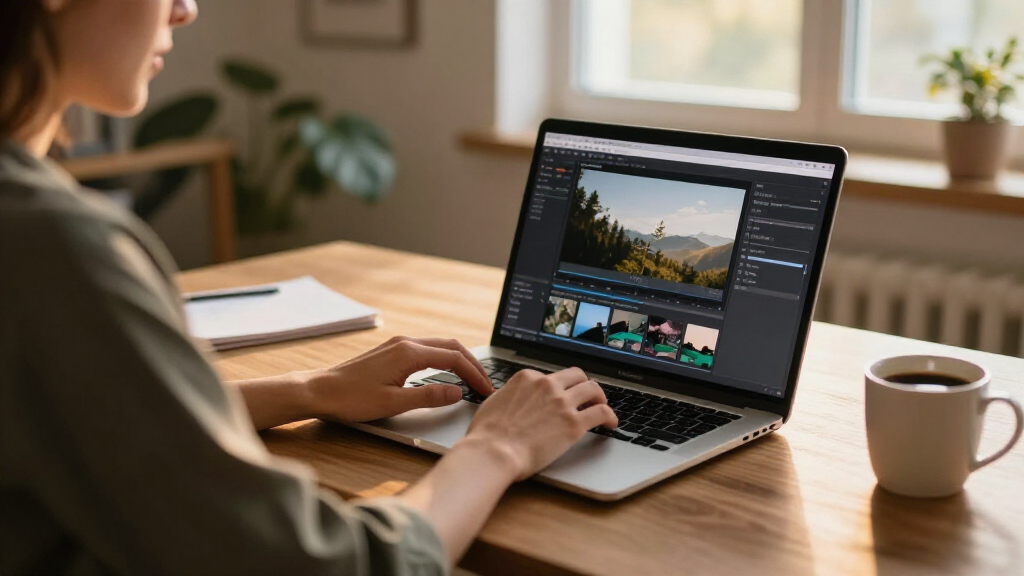
To evaluate the best AI laptops for content creation, I focused on performance, especially CPU and GPU power, to handle demanding editing and rendering tasks. Usability features like high-resolution touchscreens and stylus support were also key, as they directly impact creative workflows. Build quality and durability matter for portable creators, while storage capacity and expandability influence long-term usability. I prioritized models that incorporate AI-specific hardware or features, such as AI-accelerated processors or software integrations. The ranking reflects a balance of these factors, favoring models that provide the best combination of power, value, and creative versatility for content creators.| AI laptops for content creation | Processor | Graphics |
|---|---|---|
| HP OmniBook 16" 2K Touchscreen | AMD Ryzen AI 7 350 (up to 5.0GHz) | AMD Radeon Graphics |
| NIMO 15.6" AI-Light Gaming Lap | AMD Ryzen 7 7735HS | Radeon 680M |
| NIMO 15.6" AI-Light Gaming Lap | AMD Ryzen 7 7735HS | Radeon 680M |
| Apple MacBook Air 13-inch Lapt | M5 chip | — |
| Acer Swift 16 AI Laptop | Intel 8-core Ultra 7 355 | Intel Graphics |
| Acer Aspire FHD Touchscreen La | Intel Core Ultra 7 258V | Intel Arc 140V |
| NIMO 15.6 AI Creator Laptop | AMD Ryzen 5 6600H | Radeon 660M integrated |
Factors to Consider When Choosing Best AI Laptops For Content Creation
Choosing the right AI laptop for content creation involves more than just specifications. It’s important to consider how the hardware supports your creative process, the software ecosystem, and your budget. High-quality displays and input options can make a significant difference in productivity and comfort. Additionally, understanding the tradeoffs between power and portability helps ensure your investment aligns with your workflows. Here are the key factors to keep in mind when selecting your ideal AI laptop.Performance and Processing Power
Content creation, especially video editing, 3D rendering, or AI-powered tasks, demands strong processing capabilities. Look for laptops with high-core-count CPUs like AMD Ryzen 7/9 or Intel Core i7/i9, which handle multitasking and complex workflows efficiently. A dedicated GPU can accelerate rendering and AI processing, but it often adds to cost and weight. Balance your performance needs with portability — if editing large files on the go, prioritize models with powerful specs and good thermal management.
Display Quality and Input Devices
The display is central to creative work. OLED screens, high resolution (QHD or 4K), and accurate color reproduction support detailed editing. Touchscreens and stylus support are invaluable for drawing or fine adjustments, especially on portable devices. Consider anti-glare coatings and brightness levels for working in various lighting conditions. Good input devices, like precision trackpads and responsive keyboards, also contribute to a smoother workflow.
AI Hardware and Software Features
Some laptops include AI-optimized hardware like AI-accelerated processors or dedicated neural processing units, which can significantly speed up creative tasks. Software integrations, such as Adobe’s AI tools or Apple’s Core ML, can streamline editing and automation. When AI features are a priority, verify whether the hardware and software ecosystem are mature and broadly supported, to maximize your productivity gains.
Portability and Battery Life
If you work on the move, lightweight design and long battery life become essential. High-end specs often mean increased weight and power consumption, so look for models that balance performance with portability. For frequent travelers, a compact, durable chassis with quick-charging capabilities can make a noticeable difference during long editing sessions away from power sources.
Budget and Long-term Value
Prices for AI laptops vary widely, from budget-friendly options to premium workstations. Consider your specific needs and whether investing in higher-tier hardware will deliver meaningful productivity benefits. Sometimes, spending more on a model with better AI acceleration and display quality can reduce the need for future upgrades, offering better value over time. Watch out for models that cut corners on essential features like RAM or storage to keep costs down, as they may hinder your workflow.
Frequently Asked Questions
Is a dedicated AI processor necessary for content creation?
While a dedicated AI processor can accelerate specific tasks like video rendering or AI-based editing tools, it isn’t strictly necessary for content creation. Many high-performance CPUs and GPUs today incorporate AI capabilities that enhance productivity without specialized hardware. Your choice should depend on whether your workflow leverages AI features extensively — for most creators, a powerful CPU, ample RAM, and a good GPU will suffice to handle demanding tasks efficiently.
Should I prioritize a touchscreen or stylus support for content creation?
Touchscreens and stylus support can significantly improve creative workflows, especially for drawing, detailed editing, or annotating. If your work involves detailed design or sketching, these features are highly beneficial and worth the extra investment. However, if your primary tasks are video editing or writing, a high-quality keyboard and precision trackpad may be more important. Consider your specific creative style when weighing these features.
How much RAM do I need for smooth content creation?
For most content creators, 16GB of RAM is the minimum to ensure smooth multitasking and editing of large files. However, 32GB or more can provide extra headroom for intensive tasks like 4K video editing, 3D rendering, or running multiple AI-powered tools simultaneously. Investing in higher RAM can future-proof your machine, but it also adds to cost. Balance your current needs with potential future demands when choosing your RAM capacity.
Is a 4K display necessary for content creation?
A 4K display offers sharper images and better color accuracy, which benefits detailed editing and color grading. However, 4K screens tend to be more expensive and can drain battery life faster. For general content creation, a high-quality FHD or QHD display with good color calibration might suffice. If your work relies heavily on color precision and detail, investing in a 4K OLED or IPS display can improve your workflow significantly.
How important is battery life for a content creation laptop?
Battery life is critical if you often work remotely or away from power outlets. High-performance laptops with strong specs tend to have shorter battery lives, so look for models optimized for efficiency if mobility is a priority. Longer-lasting batteries enable more flexibility during editing sessions on the move, reducing interruptions. For intensive tasks, however, expect some tradeoff between battery longevity and raw power.
Conclusion
For general content creators seeking a reliable all-rounder, the HP OmniBook 16 offers a balanced mix of power, display quality, and AI features. Those on a tighter budget or prioritizing value might find the NIMO 15.6 models appealing for their solid specs at a lower price. Creatives who prefer a premium experience with seamless integration will appreciate the Apple MacBook Air with M5 chip, especially if they work within the Apple ecosystem. Beginners or casual users should focus on models with good display and input options, while professionals needing maximum power should target high-end configurations with dedicated GPUs and extensive RAM. Overall, your choice depends on your specific workflows, portability needs, and budget constraints.
Halloween Picks
halloween
As an affiliate, we earn on qualifying purchases.