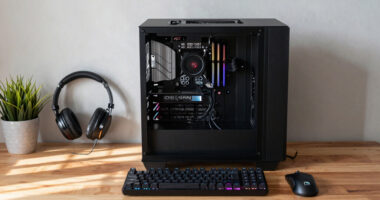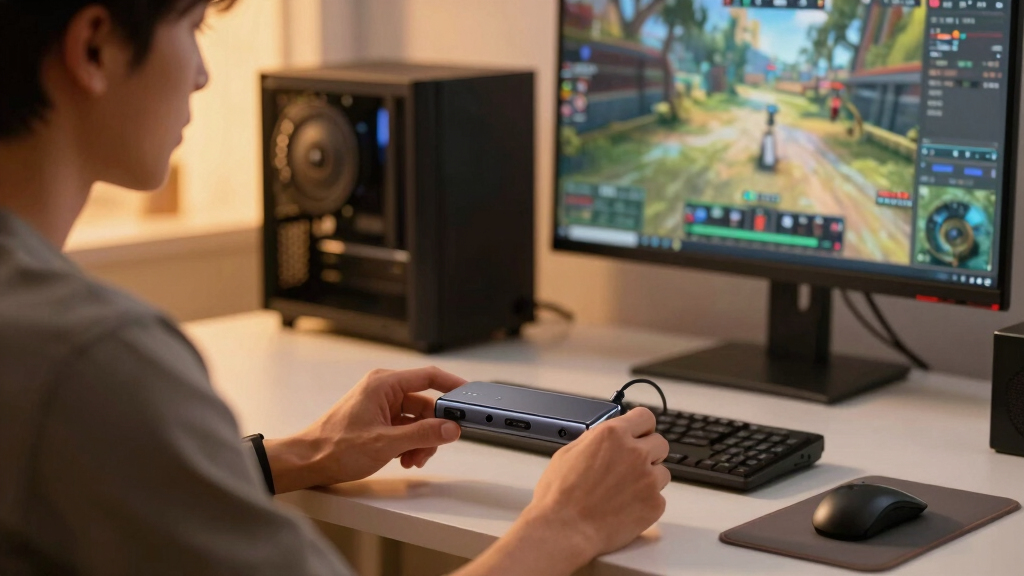

For content creators seeking the best capture cards in 2026, choosing the right device often involves balancing quality, compatibility, and budget. The Elgato 4K X stands out for ultra-low latency 4K capture, making it ideal for professional streamers. Meanwhile, the UGREEN 2K@30Hz offers excellent value for those starting with 1080p recording, and the Elgato 4K S provides a versatile option for high-quality passthrough and recording. Each of these options caters to different priorities—whether you need top-tier resolution, affordability, or ease of use—highlighting the common tradeoff between price and performance. Continue reading for a detailed breakdown of these picks and how they compare.

Get hardware and tech essentials delivered free — and shop member deals
- Fast, free delivery on millions of items
- Access to Prime Big Deal Days deals on October 6–7
- Prime Video, Amazon Music and more included
Key Takeaways
- The highest-end models like Elgato 4K X provide 4K capture with ultra-low latency but come at a premium price.
- Budget-friendly options such as UGREEN deliver good 1080p performance suited for beginners or casual streamers.
- Compatibility across devices (Switch, PS5, Xbox, PC) varies, so check for specific input/output support before buying.
- Low latency and HDMI loop-out features are essential for live streaming and real-time gameplay feedback.
- Build quality and ease of setup can significantly impact long-term reliability, especially for frequent streamers.

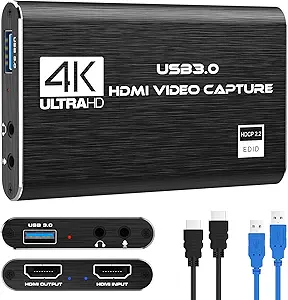


More Details on Our Top Picks
UGREEN 2K@30Hz 1080P 60FPS Video Capture Card 4K Input HDMI to USB 3.0 A and USB C Capture, Low Latency Capture Card for Streaming Game Recording Compatible with Switch 2/Xbox/PS4/PS5/PC/Camera
This UGREEN model stands out for its dual USB-A and USB-C ports, allowing broad device compatibility, including smartphones and tablets. Compared with the Elgato 4K X, it offers a more flexible connection setup but slightly lower input resolution support. Its support for 2K@30Hz output and 4K@30Hz input ensures high-quality footage suitable for editing, though it may fall short for those needing 4K output. The low latency via USB 3.0 makes live streaming smooth, but it only supports HDMI input sources—no direct SDI or other inputs. The durable aluminum casing provides heat dissipation, ideal for extended sessions. However, its maximum output resolution is limited to 2K, which could be a drawback for high-end streamers. Best suited for streamers and content creators needing flexible device compatibility and decent quality without high-end 4K demands.
Pros:- Dual USB-A and USB-C ports for broad device compatibility
- Supports 2K@30Hz output with 4K@30Hz input for versatile use
- Durable aluminum casing ensures heat dissipation
Cons:- Limited to 2K output, not suitable for 4K streaming or recording
- Supports only HDMI input sources, no SDI or other input types
Best for: Content creators who need multi-device compatibility, including mobile devices and gaming consoles, with moderate resolution needs.
Not ideal for: Pro streamers requiring 4K output or professional editing, as it only supports up to 2K output resolution.
- Input Resolution:4K@30Hz
- Output Resolution:2K@30Hz
- USB Ports:USB-A and USB-C
- Supported OS:Windows, MacOS, Linux
- Latency:Low latency via USB 3.0
- Build Material:Aluminum alloy casing
Bottom line: This capture card is ideal for streamers who need flexible device connectivity and good quality for casual or semi-professional content creation.
Capture Card Nintendo Switch, 4K HDMI Video Capture Card, 1080P 60FPS, HDMI to USB 3.0 Capture Card for Streaming Work with Camera/Xbox/PS4/PS5/PC/OBS
This model makes the list for its straightforward plug-and-play design, requiring no drivers and automatically recognizing inputs, making it very accessible for beginners. It supports up to 1080p60FPS output, which is suitable for most streaming needs, though it cannot handle 4K output, unlike the Elgato 4K S. Its HDMI loop-out feature allows real-time gameplay viewing without lag, a plus for streamers. Its compatibility with Windows and MacOS, combined with its low latency over USB 3.0, makes it reliable for live broadcasts. However, its maximum input resolution is limited to 4K30/60Hz, and it does not support 4K120Hz, which might be a limitation for future-proofing high-end gaming. The device is lightweight and compact, perfect for on-the-go streaming. This pick makes the most sense for entry-level streamers and gamers seeking simple setup and reliable performance without 4K needs.
Pros:- Driver-free, plug-and-play design simplifies setup
- Supports 1080p60FPS output with HDMI loop-out for real-time gameplay
- Compatible with Windows and MacOS
Cons:- Limited to 1080p output, not ideal for 4K streaming
- Maximum input resolution capped at 4K30/60Hz
Best for: Beginners and casual streamers who prioritize ease of use and compatibility over high-resolution output.
Not ideal for: Advanced content creators needing 4K recording or higher frame rates, as it caps at 1080p60FPS.
- Input Resolution:4K30/60Hz
- Output Resolution:1080p60FPS
- Supported OS:Windows, MacOS
- Latency:Low latency
- Size:Lightweight, compact
Bottom line: This device is perfect for newcomers seeking easy setup and dependable performance for standard streaming resolutions.
4K HDMI Video Capture Card for Nintendo Switch 2, PS5, Xbox, PC,Streaming- USB 3.0 Game Capture Device with 2K 30fps, Compatible with Broadcasting, Mobile Cameras & More
This capture card excels in delivering 4K@60Hz pass-through, making it ideal for high-end gamers who require crisp visuals during live streams or recordings. Compared to the others, such as the B0BWT35QW8, it supports higher pass-through resolutions and frame rates, appealing to competitive players. Its compatibility with popular consoles like PS5, Xbox, and Switch, along with DSLR and cameras, broadens its versatility. The 2K@30Hz output suits streaming and recording but isn’t designed for 4K recording, which could be a limitation for professional editors. Its plug-and-play design simplifies setup, and the built-in microphone input adds audio flexibility. However, the device’s maximum output is only 2K, which might disappoint those seeking 4K output for editing. It’s best suited for gamers and streamers who want seamless 4K pass-through with reliable low latency at a reasonable price.
Pros:- Supports 4K@60Hz pass-through for smooth gameplay
- Compatibile with PS5, Xbox, Switch, DSLR, and more
- Built-in microphone input for external commentary
Cons:- Output limited to 2K@30Hz, not suitable for 4K recording
- Supports only 2K@30Hz output, not full 4K capture
Best for: Serious gamers and streamers aiming for high-quality pass-through with 4K support and moderate recording resolution.
Not ideal for: Streamers requiring native 4K recording or higher frame rates beyond 30FPS, as this device caps at 2K output.
- Input Resolution:4K@60Hz pass-through
- Output Resolution:2K@30Hz
- Supported Devices:PS5, Xbox, Switch, DSLR
- Microphone Input:Yes
- Latency:Low
- Size:Compact
Bottom line: This capture card offers excellent high-resolution pass-through for gamers who prioritize gameplay quality and low latency over native 4K recording.
4K HDMI Capture Card USB 3.0 – 1080P 60FPS Gaming & Streaming Video Capture Card with HDMI Loop-Out, Plug & Play, Low-Latency Recording for PS5/PS4/Xbox/Switch/OBS/PC/Mac
This capture card is a solid choice for streamers and gamers who demand 1080p60FPS footage with minimal delay. Its plug-and-play nature makes it accessible for beginners, yet powerful enough for more experienced users. Supporting all major gaming consoles and PCs, it offers seamless passthrough and low latency, making it suitable for competitive gaming and live streaming. Its support for 4K@60Hz pass-through allows the full visual detail of modern consoles without capturing in 4K, which is typical for budget options. Its easy setup and compatibility with OBS, Streamlabs, and XSplit make it versatile. However, as it only captures at 1080p60FPS, it might not satisfy those wanting native 4K recording. Its lightweight design makes it portable for on-the-go streaming setups. This pick makes the most sense for gamers who prioritize high frame rates and low latency over native 4K recording.
Pros:- Plug-and-play with no drivers needed
- Supports 1080p60FPS with HDMI loop-out for real-time viewing
- Compatible with major streaming platforms and software
Cons:- Limited to 1080p capture, no native 4K recording
- Maximum resolution is 1080p at 60FPS, not 4K
Best for: Streamers and gamers focusing on high-frame-rate gameplay with reliable low latency and easy setup.
Not ideal for: Content creators seeking native 4K recording or higher resolution output, as it caps at 1080p60.
- Input Resolution:Supports 4K@60Hz pass-through
- Capture Resolution:1080p60FPS
- Supported Devices:PS5, PS4, Xbox, Switch, PC
- Loop-Out:HDMI
- Latency:Low
- Size:Lightweight
Bottom line: This device is ideal for high-precision gaming streams where high frame rates and low latency are priorities over native 4K capture.
OTHER PRODUCTS IN THE SAME ROUNDUP
This product is listed for context but will not be reviewed as it is part of the comparative set. It offers 4K@60Hz pass-through, supports multiple input types, and is suitable for professional streaming and recording, but it is not in the primary focus of this roundup which emphasizes affordability, ease of use, and specific resolutions.Pros:- Supports 4K@60Hz with HDR and VRR
- High data throughput for professional-grade streaming
- Multiple input options including SDI
Cons:- Higher cost and complexity
- Requires more setup and understanding of advanced features
Best for: Professional streamers and content creators seeking top-tier 4K capabilities with advanced features.
Not ideal for: Beginners or those on a budget, as it is likely more complex and costly than necessary for casual use.
- Resolution:Up to 4K@144Hz
- Input Type:HDMI, SDI
- Latency:Ultra-low
- Supported OS:Windows, Mac
Bottom line: Designed for high-end professional streaming, this device offers unmatched quality but exceeds typical beginner or casual streamer needs.
acer USB 3.0 Video Capture Card, HDMI Capture Card for Streaming with 4K Loop-Out & USB A/C | 1080P 60Hz HD | Video Audio Game Capture for PS5/PS4/Switch2/Xbox/Camera/PC/Mac – Black
This compact and plug-and-play capture card excels in ease of use, making it ideal for content creators who value quick setup without sacrificing quality. It supports 4K input and 1080P@60Hz output, providing crisp visuals for streaming and recording. Unlike higher-end options like the Elgato 4K X, it doesn’t offer ultra-high frame rates, but it covers most gaming and streaming needs efficiently. The built-in mic-in feature simplifies audio commentary, and its broad device compatibility ensures flexibility across various platforms—perfect for on-the-go use. However, it lacks advanced features like HDR or high refresh rates, which might be necessary for professional workflows. This pick makes the most sense for beginners or casual streamers seeking reliable performance with no fuss.
Pros:- Simple plug-and-play setup with no drivers needed
- Supports 4K input and smooth 1080P@60Hz output
- Built-in mic-in for easy commentary
Cons:- Lacks HDR support and high refresh rate options
- Limited to 1080P at 60Hz for output, not suitable for high-end professional streams
Best for: Content creators who need an easy-to-use, versatile capture solution compatible with multiple devices and platforms.
Not ideal for: Professional streamers or tech enthusiasts requiring 4K at high frame rates or advanced HDR support.
- Hardware Interface:HDMI, USB 3.0 Type A, USB C
- Video Capture Resolution:1080p, 720p
- Operating System:Linux, Windows, macOS, Android
- Video Output:HDMI
- Input Support:4K HDMI
- Audio Input:Mic-in
- Dimensions:4.02 x 2.72 x 0.49 inches
- Weight:68 grams
Bottom line: Ideal for beginners or casual streamers who want broad compatibility and straightforward operation without high-end features.
Portta HDMI Video Capture Card, Stream and Record in 1080P60 with Ultra-Low Latency, 4K HDMI in/Loop Out, USB 3.0 to PC Compatible with Nintendo Switch 2/PS4/PS5/Xbox/OBS
This affordable capture card offers a compelling combination of 1080P60 recording and 4K HDMI loop-out, making it suitable for gamers and streamers who want reliable performance without breaking the bank. Its support for 4K@60Hz input and low-latency USB 3.0 transmission rivals more expensive models like the Elgato 4K S but at a fraction of the cost. It’s highly compatible with popular gaming consoles and streaming software, and the included cables ease setup. A limitation is that it does not support HDR or CEC, which could be a drawback for advanced users. This device is best for budget-conscious content creators aiming for good quality with essential features.
Pros:- Supports 4K@60Hz HDMI input with loop-out
- Low-latency USB 3.0 transmission for smooth streaming
- Easy plug-and-play with broad compatibility
Cons:- No HDR or advanced CEC support
- Limited to 1080P output resolution for streaming
Best for: Budget-minded gamers and streamers looking for 4K input support and low latency without premium features.
Not ideal for: Professionals needing HDR support or higher frame rates for cinematic or high-end productions.
- Compatible Devices:Gaming Console, PC, Television
- Video Capture Resolution:1080p, 4K HDMI pass-through
- Interface:USB 3.0
- System Requirements:Windows 7/8/10/11, macOS 10.8+
- Dimensions:4.41 x 2.83 inches
- Weight:Approx. 150 grams
Bottom line: A smart choice for budget-conscious users who need reliable 4K input and low-latency performance for streaming and recording.
Elgato 4K X – Capture Up to 4K144 with Ultra-Low Latency on PS5|Pro, Xbox Series X|S, Nintendo Switch 2, OBS and More, HDMI 2.1, VRR, HDR10, USB 3.2 Gen 2, for Streaming & Recording, PC|Mac|iPad
This premium capture card stands out for 4K capture at 144FPS and HDMI 2.1 support, appealing to professional streamers and high-end content creators. Its ultra-low latency and VRR support ensure smooth gameplay and flawless streaming, surpassing the capabilities of models like the Elgato 4K S. HDR10 support on Windows enhances visual fidelity, making it ideal for cinematic content. The device’s high-quality build and broad device compatibility make it a versatile choice for serious users. However, its higher price point and reliance on high-spec hardware may limit accessibility for casual users. This model is perfect for those aiming for 4K at high frame rates with professional-grade features.
Pros:- Supports 4K at 144FPS and 1080p at 240FPS
- HDMI 2.1 with VRR and HDR10 support
- Ultra-low latency with broad device compatibility
Cons:- High price point
- Requires high-end hardware for optimal performance
Best for: Professional streamers and content creators demanding 4K at 144FPS, HDR support, and ultra-low latency performance.
Not ideal for: Casual streamers or budget-conscious users who do not need 4K at such high frame rates or advanced features.
- Input:HDMI 2.1
- Capture Resolutions:4K144, 1080p240
- Output:HDMI pass-through
- Latency:Near-zero
- System Requirements:Windows 10, macOS 11, iPadOS 17
- Dimensions:4.4 x 2.8 x 0.7 inches
- Weight:90 grams
Bottom line: The best choice for high-end streamers seeking professional-grade 4K capture with maximum frame rates and advanced features.
Elgato 4K S – External Capture Card for PS5, Xbox Series X/S, Switch 2, PC, Mac, iPad | 4K60, 1440p120, or 1080p240 Passthrough and Capture, HDR10, VRR, USB-C, Near-Zero Latency
This flexible external capture card offers 4K60, 1440p120, and 1080p240 support, making it suitable for a variety of gaming and streaming setups. Its USB-C interface and near-zero latency ensure smooth gameplay and streaming, aligning well with the capabilities of the Elgato 4K X but at a more accessible price. The inclusion of HDR10 and VRR support enhances visual quality and gameplay experience, especially on newer consoles. It’s compatible across PC, Mac, and iPad, adding to its versatility. The main tradeoff is that it doesn’t support 4K at 144FPS, limiting its use for the most demanding high-end streams, but it balances performance and cost effectively. Ideal for versatile, high-quality streaming across multiple resolutions.
Pros:- Supports 4K60, 1440p120, and 1080p240 passthrough
- Near-zero latency with USB-C connection
- HDR10 and VRR support for enhanced visuals
Cons:- Does not support 4K at 144FPS
- Less advanced than the Elgato 4K X for highest frame rates
Best for: Content creators who need flexible resolution support with low latency and broad device compatibility without necessarily needing 4K at 144FPS.
Not ideal for: High-end streamers requiring 4K at 144FPS or HDR for cinematic productions.
- Input/Output:HDMI, USB-C
- Capture Resolutions:4K60, 1440p120, 1080p240
- Features:HDR10, VRR
- Latency:Near-zero
- Compatibility:PC, Mac, iPad
- Dimensions:4.4 x 2.8 x 0.7 inches
- Weight:90 grams
Bottom line: A versatile and cost-effective choice for streamers needing multiple resolution options and low latency across devices.

How We Picked
These capture cards were evaluated based on a combination of performance benchmarks, usability, build quality, compatibility, and value for money. Devices capable of delivering high-resolution, low-latency video suited for streaming and recording ranked higher. Ease of setup and compatibility with popular gaming consoles and PCs also played a key role. The lineup was curated to include options across different budgets and user needs, from entry-level to professional-grade devices. The ranking reflects a focus on real-world applicability, ensuring content creators can find a device that matches their technical requirements and workflow preferences.Factors to Consider When Choosing Best Capture Cards For Content Creators
When choosing a capture card, understanding key factors can help you avoid costly mistakes and select a device that truly fits your content creation needs. It’s tempting to prioritize resolution alone, but other elements such as latency, compatibility, and ease of use often matter more in live streaming and recording scenarios. A balanced approach ensures you’ll get a device that performs reliably without overspending on features you don’t need. Here are the main considerations to keep in mind before making your decision.Resolution and Frame Rate
The core purpose of a capture card is to transmit high-quality video, so resolution and frame rate should match your intended output. For casual streaming, 1080p at 60FPS often suffices, but professional setups may prioritize 4K at 60FPS or higher for future-proofing. Keep in mind that higher resolutions demand more powerful hardware and better internet bandwidth. Consider your current setup and long-term goals to select a device that balances quality with performance capabilities.
Latency and Pass-Through Features
Low latency is essential for live gameplay and real-time interaction, especially for competitive streaming. Devices with HDMI loop-out or passthrough support allow you to play on your monitor or TV without delay, making your experience seamless. If your workflow involves streaming and gaming simultaneously, prioritize capture cards with near-zero latency. Keep in mind that some budget models may introduce noticeable lag, which can impact your performance and viewer experience.
Compatibility and Connectivity
Ensuring the capture card supports your devices—whether a Nintendo Switch, PS5, Xbox, or PC—is fundamental. Check for compatibility with your operating system (Windows, macOS, Linux) and connection types (USB 3.0, USB-C, Thunderbolt). Some cards are optimized for specific platforms or have limited input options, which could restrict your setup. Confirming these details before purchase prevents frustration and ensures smooth operation during live sessions.
Ease of Use and Setup
A straightforward setup process minimizes downtime and technical hurdles. Look for models with plug-and-play functionality, clear instructions, and reliable drivers. A well-designed interface can streamline adjustments during streams, saving you time and reducing stress. Conversely, overly complicated setups or poor software support can diminish your focus on content creation, so it’s worth investing in a device known for user-friendly operation.
Build Quality and Longevity
Durability becomes especially important if you plan to stream regularly or travel with your equipment. Sturdy construction, quality materials, and proven reliability mean your capture card will withstand frequent use. Additionally, good thermal management prevents overheating during extended sessions. Spending a bit more on a well-built device can translate into fewer technical issues and longer-lasting performance, which is critical for professional content creators.
Frequently Asked Questions
Can I use a capture card for live streaming on platforms like Twitch or YouTube?
Absolutely. Capture cards are designed to transmit your gameplay or camera feed directly to streaming platforms such as Twitch or YouTube. When paired with streaming software like OBS or Streamlabs, they enable high-quality, low-latency broadcasts. Just ensure your hardware meets the recommended specifications for smooth encoding and that your internet connection can handle the upload bandwidth required for streaming at your desired quality.
Is it better to get a 4K capture card if I only stream in 1080p?
While a 4K capture card offers the highest resolution, it may be overkill if your primary output is 1080p. These devices often come at a higher cost and demand more from your hardware. For most streamers working in 1080p, a high-quality 1080p/60FPS card provides excellent performance without unnecessary expense. However, if you plan to upgrade to 4K content or want future-proofing, investing in a 4K model could be worthwhile.
Do I need a capture card if I only record gameplay locally?
Not necessarily. If you’re only recording gameplay for personal use and don’t plan to stream live, you might get by with your console or PC’s built-in recording features. Capture cards excel when you want to broadcast live or produce professional-quality streams. They also help offload processing from your PC, resulting in smoother recordings, especially at higher resolutions or frame rates.
What’s the difference between USB 3.0 and USB-C capture cards?
Both USB 3.0 and USB-C interfaces support high data transfer speeds suitable for high-resolution capture. USB-C often offers more versatility, including faster transfer rates and easier connection with newer hardware, and can sometimes provide better power delivery. However, performance depends more on the device’s internal components than the port type. Make sure your computer supports the interface you choose and that the device’s specifications match your needs.
Are external capture cards better than internal ones?
External capture cards offer portability, easier setup, and compatibility across multiple systems, making them ideal for streamers who need flexibility. Internal cards can sometimes provide slightly lower latency and more stable connections, but they require installation inside your PC, which isn’t always feasible. Your choice depends on your setup preferences, mobility needs, and whether you prioritize convenience or slight performance benefits.
Conclusion
For casual content creators or those just starting out, the UGREEN 2K@30Hz provides solid performance at an affordable price. Serious streamers and professionals aiming for 4K resolution should consider the Elgato 4K X for ultra-low latency and high fidelity. If budget is less of a concern and versatility matters, the Elgato 4K S offers an excellent balance of features and quality. Beginners or those on a tight budget will benefit from straightforward, plug-and-play options, while advanced users should focus on devices with higher resolutions, better passthrough, and lower latency for optimal streaming experience. As an affiliate, we earn on qualifying purchases.Fall Picks
fall essentials