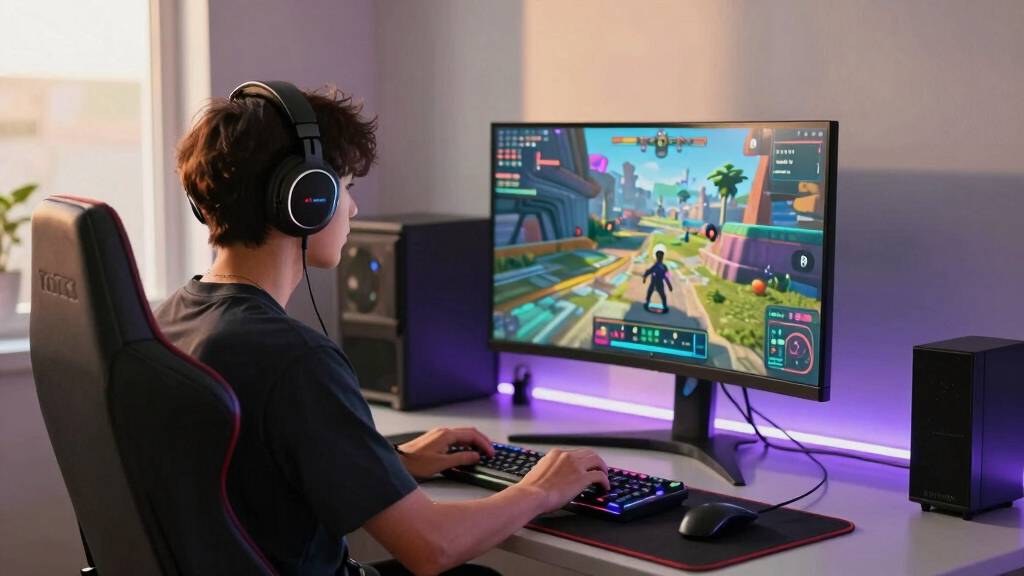

For those seeking the ultimate in metaverse gaming, choosing a premium setup involves balancing high-end hardware, immersive visuals, and seamless connectivity. The Skytech Gaming King 95 Desktop stands out for its powerful Ryzen 9 processor and RTX 5070 Ti GPU, perfect for demanding virtual worlds. The Thermaltake LCGS Versa i570S offers a cutting-edge CPU and GPU combo with extensive RGB lighting for an immersive aesthetic. However, these setups often come with high costs and complexity, making it vital to weigh performance against budget and space. Continue reading to see how these options compare and find the best fit for your metaverse ambitions.
Key Takeaways
- High-performance desktops with latest CPUs and GPUs are essential for smooth metaverse experiences.
- Immersive visual setups, like ultrawide monitors, significantly enhance spatial awareness and immersion.
- VR headsets like Meta Quest 2 offer unparalleled immersion, but require dedicated space and hardware compatibility.
- Build quality and upgradeability are key considerations for future-proofing premium setups.
- Price varies widely, with top-tier configurations demanding a significant investment for the best experience.




More Details on Our Top Picks
KTC 32Inch 240Hz Curved Gaming Monitor, 1000R VA, QHD(2560x1440p), 4000:1 Contrast, Support FreeSync GSync, HDMI2.0(144hz)/DP1.4(240hz)/Earphone, Tilt, Xbox PS5 Switch, 2K Computer Monitor for Gamer
This monitor excels at delivering an immersive experience with its 1000R curvature that closely mimics the natural shape of the eye, making it a top choice for players seeking a more enveloping view than traditional flat screens. Its 240Hz refresh rate and support for FreeSync and G-Sync eliminate tearing, ensuring smooth gameplay that surpasses typical 144Hz monitors like the Skytech Storm Desktop PC in fluidity. Additionally, the QHD resolution combined with a wide 178° viewing angle and 122% sRGB coverage makes colors vibrant and consistent, perfect for both gaming and content creation. Its frameless edge-to-edge design supports seamless multi-screen setups, ideal for expansive virtual worlds. However, its tilt-only stand limits ergonomic adjustability, and the absence of height adjustment could hinder long gaming sessions. Compared to larger ultrawide options, this monitor offers focused, high-quality visuals without the extra size, but at a higher price point.
Pros:- Tighter 1000R curvature for immersive viewing
- 240Hz refresh rate ensures ultra-smooth gameplay
- High 122% sRGB color gamut for vibrant visuals
- Edge-to-edge frameless design for multi-monitor setups
Cons:- Tilt-only stand limits ergonomic positioning
- No height adjustment reduces comfort during extended use
Best for: Gamers who prioritize visual immersion and vibrant, high-refresh-rate displays for competitive and open-world gaming.
Not ideal for: Small space users or those needing height adjustment and ergonomic flexibility at the desk.
- Screen Size:32 Inches
- Resolution:2560×1440 (QHD)
- Refresh Rate:240Hz
- Contrast Ratio:4000:1
- Viewing Angle:178°
- Color Gamut:122% sRGB
- Connectivity:HDMI2.0, DP1.4, Earphone
- Design:Curved, Frameless Bezel
- Blue Light Filter:Yes
Bottom line: This monitor is perfect for gamers seeking a deeply immersive, vibrant display that enhances competitive play and large-scale virtual experiences.
Skytech Gaming King 95 Desktop PC, Ryzen 9 9900X3D 4.4 GHz (5.5GHz), NVIDIA RTX 5070 Ti 16GB, 2TB Gen4 NVMe SSD, 32GB DDR5 RAM 6000 RGB, 850W Gold ATX 3 PSU, 360mm ARGB AIO, Win 11
Compared to the more specialized monitor options like the KTC 32Inch, the Skytech King 95 Desktop PC offers a powerhouse of processing and graphics performance suitable for high-fidelity virtual worlds and demanding gaming titles. Its Ryzen 9 9900X3D and NVIDIA RTX 5070 Ti deliver exceptional rendering speed and ray tracing at ultra settings, making it a great choice for gamers who want to maximize visual fidelity without worrying about hardware bottlenecks. The 32GB DDR5 RAM and 2TB NVMe SSD ensure quick load times and ample space for large game files or virtual assets. While it provides fantastic raw power, it is bulkier and less space-efficient than all-in-one options, and the high price may be a barrier for some. It’s ideal for those who want a dedicated gaming machine that can handle VR, streaming, and content creation at high settings.
Pros:- High-end Ryzen 9 CPU with 5.5GHz Turbo Boost
- Powerful NVIDIA RTX 5070 Ti graphics card
- Large 32GB DDR5 RAM for multitasking
- Fast 2TB Gen4 NVMe SSD for quick load times
Cons:- Bulkier desktop footprint less suitable for small spaces
- Higher price point may be prohibitive for casual users
Best for: Dedicated gamers and streamers seeking a high-performance, future-proof desktop setup with excellent graphics and processing power.
Not ideal for: Users with limited space or those preferring a compact all-in-one system for casual or non-intensive gaming.
- CPU:Ryzen 9 9900X3D 4.4 GHz
- GPU:NVIDIA RTX 5070 Ti 16GB
- RAM:32GB DDR5 6000 MHz
- Storage:2TB NVMe SSD
- Power Supply:850W Gold ATX 3
- Cooling:360mm ARGB AIO
Bottom line: This PC offers exceptional performance for gamers who demand cutting-edge graphics and processing without compromise, ideal for immersive and demanding titles.
STGSivir All in One Desktop Computer, 22 inch FHD Display, Intel Core i7 up to 3.9G, 16G RAM, 1T SSD, WiFi, BT 5.0, RGB Keyboard & Mouse, Windows 11 Home
This all-in-one system provides a compact solution that excels in everyday tasks and light gaming, making it a more streamlined alternative to bulky tower setups like the Skytech Storm or Thermaltake Versa. Its 22-inch FHD display offers clear visuals, while the Intel Core i7 paired with 16GB RAM supports multitasking for work, streaming, and casual gaming. Its 1TB SSD ensures quick responsiveness and ample storage for media and virtual assets. Although it lacks the raw power of gaming desktops, it’s a cost-effective, space-saving choice for users who prioritize home office or light content creation. Its main tradeoff is limited upgradeability and less suitability for demanding VR or high-end gaming. Compared to the high-performance desktops, it’s less ideal for immersive or ultra-settings gaming but offers excellent value for general use.
Pros:- Space-saving all-in-one design
- Fast 1TB SSD storage
- Good performance for multitasking with i7 and 16GB RAM
- Built-in webcam and RGB accessories
Cons:- Limited upgradeability and future-proofing
- Not suitable for high-end gaming or VR
Best for: Home users needing a compact, stylish system for productivity, streaming, and occasional light gaming.
Not ideal for: Hardcore gamers or VR enthusiasts requiring high-end graphics and upgrade flexibility.
- Display:22 Inch FHD
- CPU:Intel Core i7 up to 3.9GHz
- RAM:16GB DDR4
- Storage:1TB SSD
- Connectivity:WiFi, BT 5.0
- OS:Windows 11 Home
Bottom line: A sleek, space-efficient system ideal for general productivity and casual multimedia use, not for demanding gaming or VR.
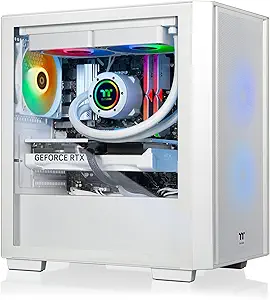
Thermaltake LCGS Versa i570S Gaming Desktop (Intel Core™ i9-14900KF, 32GB 6000MT/s DDR5 RGB Memory, NVIDIA GeForce® RTX 5070, 1TB NVMe M.2, WiFi, Windows 11) H16S-B760-570-LCS
Compared to the Skytech Storm, the Thermaltake Versa i570S offers a premium build with high-end components like the Intel Core i9-14900KF and NVIDIA RTX 5070, making it a top choice for gamers who want cutting-edge performance and streaming capabilities. Its 32GB DDR5 RAM and 1TB NVMe SSD support multitasking and fast load times needed for VR, high-resolution gaming, or content creation. The liquid cooling system keeps temperatures in check during intense sessions, and the ARGB lighting adds a stylish touch. While it is more expensive and larger than all-in-one options, it provides the raw power that surpasses the performance of the Skytech Storm and similar desktops. Its main tradeoffs are size and cost, making it better suited for dedicated gaming setups with space.
Pros:- Latest Intel Core i9-14900KF for top-tier processing
- NVIDIA RTX 5070 GPU with ray tracing
- RGB lighting and stylish case design
- Efficient liquid cooling for high performance
Cons:- Larger footprint unsuitable for small desks
- Higher price point for premium components
Best for: High-end gamers and streamers seeking the latest CPU and GPU for demanding titles, VR, and content creation.
Not ideal for: Users with limited desk space or those seeking an all-in-one compact solution for casual gaming.
- CPU:Intel Core i9-14900KF
- GPU:NVIDIA GeForce RTX 5070
- RAM:32GB DDR5 6000MHz
- Storage:1TB NVMe SSD
- Cooling:Liquid cooling 240mm radiator
- Power Supply:Full-length PSU case
Bottom line: This desktop is ideal for gamers who want maximum performance and aesthetics, and are willing to accommodate its size and cost.
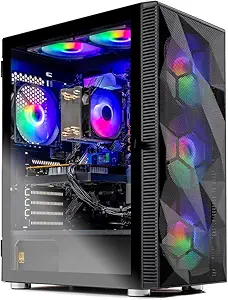
Skytech Gaming Storm Desktop PC, Ryzen 7 5700 3.7 GHz (4.6GHz), NVIDIA RTX 5060 Ti 8GB, 1TB NVMe SSD, 16GB DDR4 RAM 3200, 650W Gold PSU, Wi-Fi, Win 11
Compared with the high-end options like the Thermaltake Versa i570S, the Skytech Storm offers solid gaming performance at a more accessible price point. Its Ryzen 7 5700 CPU and NVIDIA RTX 5060 Ti deliver good graphics and smooth gameplay at 1080p and some 1440p settings, making it suitable for most modern game titles. The 16GB DDR4 RAM and 1TB NVMe SSD provide quick load times and multitasking ability, while its 650W power supply and cooling ensure stable operation. Although it lacks the latest DDR5 RAM and ultra-high-end GPU, it strikes a balance between affordability and performance, making it ideal for gamers who want a reliable system without overspending. The main tradeoff is that it’s less future-proof for VR or ultra-settings gaming compared to the more expensive desktops.
Pros:- Solid Ryzen 7 CPU with 4.6GHz turbo
- Good mid-range RTX 5060 Ti GPU
- Affordable price point with balanced specs
- Reliable 650W Gold PSU
Cons:- Limited future-proofing for VR or ultra settings
- DDR4 RAM less fast than DDR5 options
Best for: Casual to mid-level gamers seeking a balanced system capable of handling most titles at high settings without breaking the bank.
Not ideal for: Enthusiasts aiming for ultra-graphics or VR experiences that require top-tier hardware.
- CPU:Ryzen 7 5700 3.7GHz
- GPU:NVIDIA RTX 5060 Ti 8GB
- RAM:16GB DDR4 3200MHz
- Storage:1TB NVMe SSD
- Power Supply:650W Gold
- Operating System:Windows 11
Bottom line: A dependable, budget-conscious gaming PC that performs well for most titles at high settings, perfect for mainstream gamers.
KTC 34 Inch UWQHD Curved Gaming Monitor, 3440×1440 Ultrawide PC Monitor 1500R, 180Hz 21:9 Display, Adaptive Sync, 1ms MPRT, 4000:1 Contrast, Tilt/Swivel/Pivot/Height Adjustment, HDMI2.0 & DP1.4,H34S5
This KTC 34-inch ultrawide monitor stands out for its expansive 3440×1440 resolution combined with a 1500R curvature, creating an incredibly immersive experience that surpasses traditional 16:9 displays. Compared with the smaller, 32-inch options, this model offers a broader field of view, making it ideal for multitasking and panoramic gaming. Its 180Hz refresh rate and adaptive sync technology deliver tear-free gameplay, a clear upgrade over standard 144Hz panels, though it involves a larger footprint and higher price. The HDR support and vibrant color gamut ensure vivid visuals, especially beneficial for simulation and racing titles. The ergonomic stand with tilt, swivel, pivot, and height adjustments ensures comfort during long sessions, but the added complexity may be overkill for casual users. Ports include HDMI2.0 and DP1.4, supporting multiple devices simultaneously. The three-year warranty offers peace of mind for premium investment. This monitor is best suited for dedicated gamers and creators who prioritize image quality and multitasking without compromise.
Pros:- Large 34-inch ultrawide with 3440×1440 resolution for immersive viewing
- 180Hz refresh rate and adaptive sync for ultra-smooth gameplay
- Flexible ergonomic stand with tilt, swivel, pivot, and height adjustment
- Vivid colors with HDR support and high contrast ratio
Cons:- Requires significant desk space due to size and curvature
- Higher price point compared to smaller or flat monitors
- Potentially overwhelming for users primarily focused on general productivity
Best for: High-end gamers and content creators seeking a truly immersive, large-format display with versatile adjustments.
Not ideal for: Space-constrained setups or budget-conscious buyers who prefer smaller, more affordable screens.
- Display Size:34 Inches
- Resolution:3440 x 1440
- Refresh Rate:180 Hz
- Aspect Ratio:21:9
- Contrast Ratio:4000:1
- Response Time:1 ms MPRT
- Ports:HDMI2.0 x 2, DP1.4 x 2
- Adjustments:Tilt, Swivel, Pivot, Height
Bottom line: This monitor makes the most sense for serious gamers and creators who want an expansive, high-performance display for multitasking and immersive experiences.
Meta Quest 2 — Advanced All-In-One Virtual Reality Headset — 128 GB
The Meta Quest 2 offers a different kind of premium metaverse setup, emphasizing wireless freedom and an extensive library of over 500 VR titles. Unlike the KTC monitor, which excels at traditional screen-based gaming and multitasking, the Quest 2 focuses on immersive, interactive experiences that don’t require a physical space or high-end PC. Its built-in battery and standalone operation make it highly portable, perfect for users who want to explore VR anywhere without fuss. The hand tracking and 3D positional audio enhance realism, though the 128GB storage may limit the number of installed titles compared to PC-based setups. The visuals are smooth with a fast processor, but the resolution and graphics quality, while impressive for standalone VR, can’t match the pixel density of high-end PC monitors. The social and multiplayer features open new avenues for shared experiences, but the headset’s comfort can vary during extended sessions. Best suited for users prioritizing mobility and immersive VR over traditional monitor-based gaming.
Pros:- Wireless, standalone operation with no PC required
- Over 500 titles across gaming, fitness, and social apps
- 3D positional audio and hand tracking for realistic interactions
- Compact and portable for use anywhere
Cons:- Limited storage at 128GB, restricting library size
- Lower resolution than high-end PC VR headsets
- Potential comfort issues during long wear
Best for: VR enthusiasts looking for a portable, all-in-one experience with extensive social and gaming options.
Not ideal for: Users who want the highest resolution, graphics fidelity, or multitasking capability on a large screen—these are limitations of standalone VR.
- Storage Capacity:128 GB
- Display Type:Fast-switch LCD
- Processor:Qualcomm Snapdragon XR2
- Hand Tracking:Yes
- Audio:3D Positional
- Wireless:Yes
- Battery Life:Up to 2-3 hours
- Weight:503 grams
Bottom line: This headset is ideal for VR newcomers and mobile users who want immersive experiences without tethering to a PC or console.

How We Picked
The products in this roundup were selected based on their ability to deliver seamless, immersive metaverse experiences while maintaining premium quality. Criteria included hardware performance (CPU, GPU, RAM), visual capabilities (monitor quality, VR support), connectivity options, ease of setup, and build quality. We prioritized systems that excel in high-fidelity virtual environments, with a focus on future-proofing and overall user experience. The ranking reflects a balance between raw power, usability, and value, ensuring each option serves a different type of high-end user — from hardcore gamers to VR enthusiasts.Factors to Consider When Choosing Best Premium Metaverse Gaming Setups
Choosing a premium setup for the metaverse involves understanding key factors that influence performance, immersion, and longevity. It’s important to consider not just raw specs but how these components work together to support your specific virtual experiences. Here are some critical factors to guide your decision-making process.Performance Power and Future-Proofing
A premium metaverse setup demands top-tier CPUs and GPUs to handle complex virtual environments without lag or stuttering. Investing in recent-generation hardware ensures compatibility with upcoming metaverse platforms and software updates. However, the latest tech can be expensive, so balancing immediate needs with future upgrades is wise. Remember, a system with upgrade options provides more value over time, especially as virtual worlds become more demanding.
Display and Visual Immersion
High-quality monitors, especially ultrawide or curved screens, dramatically improve spatial awareness and immersion. Monitors with high refresh rates (120Hz and above) reduce motion blur during fast-paced VR or AR experiences. VR headsets, like the Meta Quest 2, offer unparalleled immersion but require sufficient hardware power and space. Consider your preferred experience—whether immersive VR or expansive screens—and choose accordingly.
Connectivity and Compatibility
Seamless connectivity is vital for a premium metaverse setup. Look for systems with multiple HDMI, DisplayPort, and USB-C ports to support your monitors, VR headsets, and accessories. Compatibility with current VR platforms and PC software is equally important—ensure your GPU and CPU meet the recommended specs for the latest virtual environments. Wireless options like Wi-Fi 6 can reduce cable clutter, but wired connections often provide more stability and lower latency.
Build Quality and Ergonomics
Premium setups should not only perform well but also offer durability and comfort. Invest in sturdy stands, adjustable mounts, and ergonomic furniture to enhance your virtual experience. Proper cable management prevents clutter and accidental disconnections, especially when using multiple devices. High-quality cases and cooling systems help maintain performance stability during extended gaming sessions.
Budget and Value Considerations
While high-end hardware is appealing, it’s important to weigh costs against actual benefits. Premium setups often come with higher price tags for marginal gains in performance. Focus on components that directly impact your desired experience—like a fast GPU for smooth graphics or a large ultrawide monitor for expanded view. Sometimes, upgrading specific elements over time can be more cost-effective than buying an entirely new system upfront.
Frequently Asked Questions
Is a VR headset necessary for the best metaverse experience?
While a VR headset like the Meta Quest 2 provides the most immersive experience, it isn’t strictly necessary for enjoying the metaverse. Many platforms support high-quality PC monitors and immersive ultrawide screens, which can deliver impressive virtual worlds without VR hardware. Your choice depends on how deep you want the immersion to be and whether you’re willing to invest in the space and hardware required for VR sessions.
How much should I budget for a truly premium setup?
A premium metaverse setup can range from around $3,000 to over $6,000. The cost depends heavily on your hardware choices, display preferences, and accessories like VR headsets and high-end desks. Investing in the latest CPU and GPU is often the most significant expense, but high-quality monitors and ergonomic furniture also contribute to a seamless experience. Prioritize components that directly enhance your virtual immersion and plan for future upgrades.
Can I upgrade parts of my setup later?
Absolutely. Many premium systems are built with upgradeability in mind. Selecting a desktop with a spacious case, accessible components, and a motherboard supporting newer CPUs and GPUs allows you to enhance performance down the line. This approach can stretch your investment further, letting you keep pace with evolving metaverse technologies without replacing the entire system.
What are the benefits of ultrawide monitors versus multiple screens?
Ultrawide monitors, like the 34-inch KTC model, provide a seamless, expansive field of view that enhances immersion and reduces bezels interrupting your virtual environment. They are ideal for spatial awareness and can simplify cable management. However, multiple monitor setups can offer more flexibility, allowing you to dedicate screens to different tasks or views. The choice depends on your preferred style of immersion and space constraints.
Are wireless accessories reliable enough for a premium setup?
Wireless accessories, including keyboards, mice, and even some VR components, can reduce clutter and improve flexibility, but they may introduce latency or connection issues during intense gaming. For a truly premium setup, wired connections typically offer the most stability and lowest latency, especially for VR or high-refresh-rate gaming. That said, high-quality wireless tech with strong signals can work well if you prioritize convenience and have a suitable environment.
Conclusion
For serious gamers and VR enthusiasts willing to invest, the Skytech Gaming King 95 Desktop combines power with future-proof features, making it ideal as the best overall choice. Those seeking a visually immersive experience should consider the KTC 34 Inch Ultrawide Monitor or the Thermaltake Versa i570S for their high-end displays. Beginners or those with space constraints might prefer the Meta Quest 2 VR headset for its simplicity and immersive potential without requiring a powerful PC. Ultimately, your choice depends on your preferred experience, budget, and space—choose the setup that aligns with your metaverse ambitions.