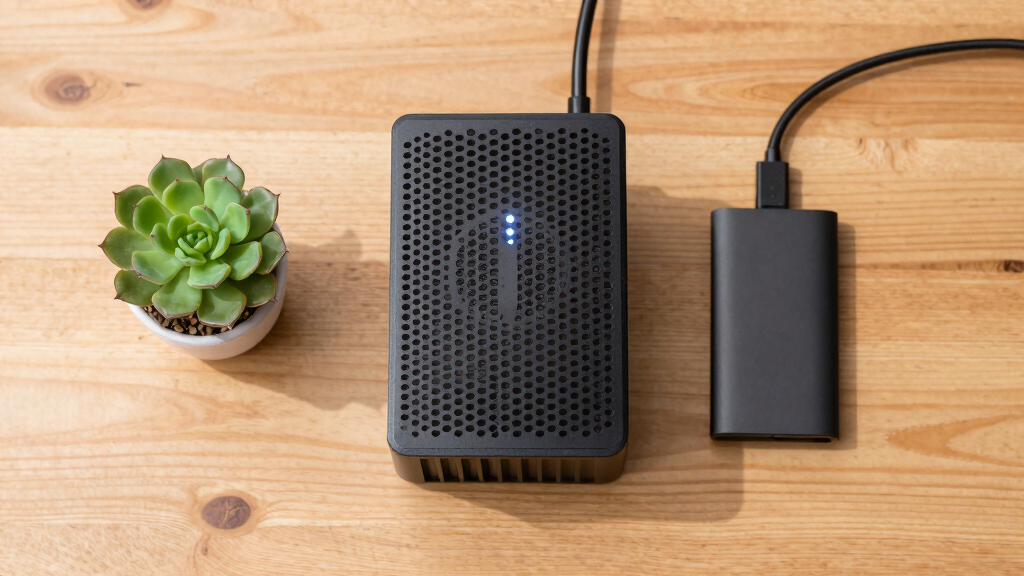

For privacy-focused users, choosing the right home server is about more than just hardware; it’s about security, control, and trust. In 2026, the options vary from privacy-first VPN services to versatile NAS devices. While some prioritize anonymity and minimal data collection, others focus on local control and encryption. The key tradeoffs often involve ease of use versus customization, server location versus privacy guarantees, and cost versus features. Here, I’ll highlight the best choices for different needs, emphasizing their strengths and limitations to help you find a solution that aligns with your privacy goals.
Play games included with Prime
Start a Prime free trial and play with Amazon Luna on your devices.
Start playingAs an affiliate, we earn on qualifying purchases.
Key Takeaways
- Mullvad VPN offers a privacy-centric VPN solution with no logs, strong encryption, and a simple setup, ideal for privacy purists.
- Choosing a home server depends on whether you prioritize remote privacy access or local data control, with tradeoffs in ease versus complexity.
- VPNs like Mullvad are excellent for anonymity but less suited for streaming or large-scale media access.
- Local servers like NAS devices provide control and security but require technical setup and maintenance.
- The best choice depends on whether your main concern is remote privacy, local data security, or a combination of both.
| Mullvad VPN | 12 Months for 5 Devices | No-Log Security VPN Service | Protect Your Privacy |  | Best Overall for Privacy & Simplicity | Location: Sweden | Protocols: WireGuard, OpenVPN | Devices: Up to 5 | VIEW LATEST PRICE | See Our Full Breakdown |
More Details on Our Top Picks
Mullvad VPN | 12 Months for 5 Devices | No-Log Security VPN Service | Protect Your Privacy
Mullvad VPN stands out for its unwavering focus on privacy. Unlike many VPN providers, Mullvad collects no activity logs, does not require personal information, and is based in Sweden, a country with strong privacy protections. Its support for WireGuard and OpenVPN protocols ensures fast, encrypted connections, essential for maintaining privacy even on open networks. Compared with other VPNs that might keep logs or require account details, Mullvad’s anonymous account creation and rigorous audits make it a top pick for those who want a trustworthy, straightforward VPN. Its main tradeoff is a smaller server network, which can limit streaming access and cause occasional connection issues, especially with services like Netflix. Still, for privacy-focused users, it offers a transparent, secure environment with minimal fuss. If your priority is remote anonymity and security over streaming or extensive server choice, Mullvad remains a leading option.
Pros:- No activity logs or personal data collected
- Regular independent security audits
- Supports WireGuard for fast, secure connections
- Anonymous account setup with no email required
Cons:- Limited server locations can affect streaming
- No live chat support for troubleshooting
- Smaller network than commercial VPNs
Best for: Privacy purists seeking a no-log VPN with minimal setup
Not ideal for: Users needing streaming access or a large server network
- Location:Sweden
- Protocols:WireGuard, OpenVPN
- Devices:Up to 5
- Logging Policy:No logs
- Audits:Independent security audits
- Support:Email only
Bottom line: A top choice for privacy-focused users who prioritize security over streaming or extensive server options.

How We Picked
Our selection process focused on products that primarily serve privacy-conscious users. We prioritized privacy guarantees, minimal data collection, and transparency. For VPNs, we looked for independent audits, no-log policies, encryption standards, and ease of use. For local servers like NAS devices, we valued security features, open-source firmware options, and hardware security. We also considered user reviews and industry reputation to ensure real-world reliability. Tradeoffs were inevitable: some options excelled in privacy but lacked versatility, while others offered broader functionality at the expense of complexity or cost.
Factors to Consider When Choosing Best Home Servers For Privacy Focused Users
Choosing the best home server for privacy in 2026 involves balancing security, usability, and control. Whether you want a remote VPN that keeps your activity hidden or a local server that secures your data at home, each option comes with its own considerations. This guide will help you understand key factors such as privacy guarantees, technical complexity, cost, and how each type of server fits different privacy goals.
Understanding Privacy Needs
Pinpoint whether your primary concern is hiding your online activity from external observers or protecting your local data from unauthorized access. VPN services like Mullvad excel at remote privacy, encrypting your internet traffic and masking your location. Local servers, such as NAS devices, give you complete control over your data, but require more setup and ongoing management to maintain privacy and security.
Privacy Guarantees and Trust
Look for independent audits, transparent privacy policies, and minimal data collection. VPNs based in privacy-friendly countries with strong laws—like Sweden—offer some reassurance, but you should also consider their logging practices and legal obligations. For local servers, open-source firmware and hardware security features provide additional trustworthiness, especially when you’re managing sensitive information directly.
Ease of Use vs. Customization
VPNs like Mullvad are designed for simplicity—install, connect, and forget. However, they offer less control over the hardware or network configuration. Local servers, on the other hand, can be highly customizable, supporting encryption, user access controls, and remote management, but often require technical know-how and regular maintenance. Decide which aligns better with your comfort level and privacy needs.
Frequently Asked Questions
How does a VPN improve my online privacy?
A VPN encrypts all internet traffic between your device and the VPN server, making it difficult for outsiders to see what you’re doing online. It also masks your real IP address, so your location remains hidden. For privacy-conscious users, a VPN like Mullvad, which does not keep logs and operates in a privacy-friendly jurisdiction, adds an extra layer of security against surveillance and data collection.
Are local home servers more secure than VPNs?
Local servers can provide strong security if configured properly, especially when you control access and encryption settings. They keep your data within your network, reducing reliance on third-party providers. However, they require ongoing maintenance, updates, and a good understanding of security practices. VPNs are easier to set up but rely on the provider’s trustworthiness and policies. The best approach depends on whether your main priority is local control or remote privacy.
Can I use a VPN and a local server together?
Absolutely. Using a VPN along with a local server can maximize your privacy—your device’s traffic is encrypted and anonymized via the VPN while your local server ensures data is stored securely within your home. This layered approach provides both remote privacy and local data security, but it also adds complexity and may impact performance, so consider your technical comfort level.
What should I look for in a privacy-focused home server?
Prioritize independent audits, minimal data collection, and open-source or well-documented firmware. For VPNs, check the jurisdiction, logging policies, and protocol support. For local servers, examine hardware security features, encryption options, and community support. The key is transparency and proven security measures that align with your privacy expectations.
Is paying more always better for privacy?
Not necessarily. While higher-priced products often offer more features and stronger security, some affordable options like Mullvad VPN provide excellent privacy guarantees without high costs. Focus on the quality of the privacy policies, audits, and technical safeguards rather than just price. A well-chosen, budget-friendly solution can meet your needs just as well as premium options.
Conclusion
If you mainly seek remote privacy and anonymity, a dedicated VPN like Mullvad offers simplicity, transparency, and strong privacy guarantees—ideal for privacy purists. For those who want full control over their data and are comfortable with technical setup, a local server or NAS device provides comprehensive security and customization, but at a higher complexity level. Budget-conscious users should prioritize solutions with proven privacy policies, while security-focused users may prefer options with open-source firmware and hardware security features. Ultimately, the best choice hinges on your specific needs—whether remote anonymity, local data security, or a combination of both.
NFL season / tailgating Picks
team gear
As an affiliate, we earn on qualifying purchases.