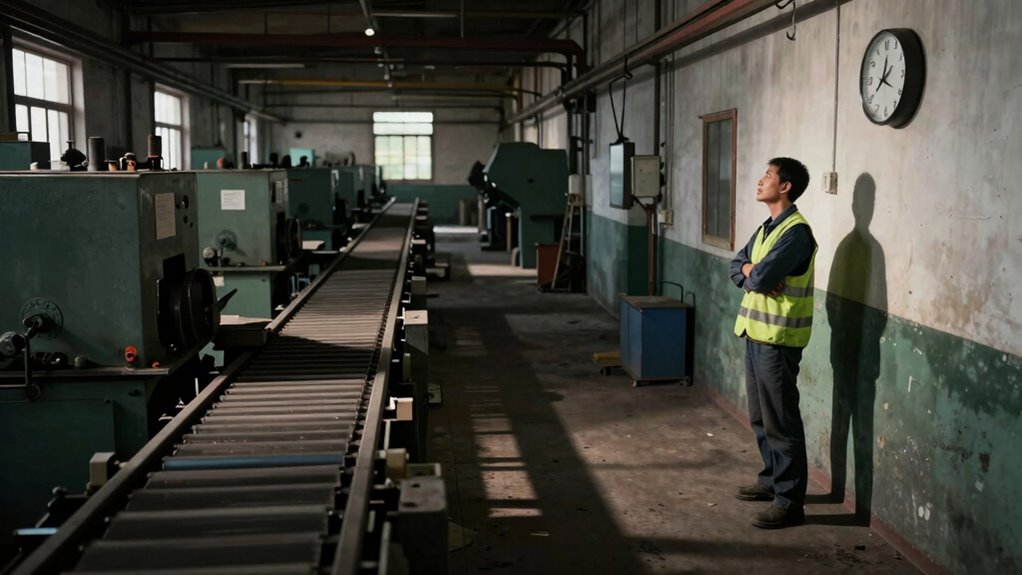

The post-labor debate is really about who controls technological resources and how time is shared or taken away. As automation replaces jobs, power shifts to those who own and manage these tools, shaping societal outcomes. This control determines whether society benefits from more leisure or faces increased inequality. If you understand who holds this power, you’ll see how it affects resource distribution and societal structure—keep exploring to uncover how these issues influence your future.

Get hardware and tech essentials delivered free with Prime
- Fast, free delivery on millions of items
- Prime Video, Amazon Music and more included
- Member-only deals all year
Key Takeaways
- The debate centers on who controls automation technology, influencing societal power distribution and resource allocation.
- Ownership of digital infrastructure determines whether benefits of automation are concentrated or shared broadly.
- Post-labor society questions whether increased leisure time will empower individuals or centralize authority.
- Regulation of automation reflects societal values regarding control, liberation, or domination through technology.
- Power dynamics shift based on access to and governance of automation, impacting societal structure and future outcomes.

Have you ever wondered what a world without traditional work might look like? It’s a future where technological automation takes over many roles we once considered essential. Machines and algorithms could handle everything from manufacturing to customer service, leaving humans with more leisure time but also raising questions about who holds power. This shift challenges the very fabric of our society—who controls the flow of resources and decision-making? The post-labor debate isn’t just about whether work will disappear; it’s about who will hold the power when work no longer dominates our lives. With automation reducing the need for human labor, the concept of a universal basic income (UBI) has come into focus. UBI proposes providing everyone with a regular, unconditional income, which could serve as a safety net in a post-work economy. But beyond the economic implications, this idea underscores a deeper issue: the redistribution of power. When machines do what humans used to do, the control over those machines and the wealth they generate becomes vital. Who owns the automation technology? Who decides how benefits are distributed? These questions get to the core of the post-labor debate. It’s not just about income; it’s about the shift in power dynamics that such changes could bring. Understanding automation ownership is crucial to grasping the full implications of this future. Recognizing the importance of digital infrastructure can help us better navigate this transformative period, especially considering how technology ownership influences societal outcomes. Building awareness of technological control is essential as we consider the future landscape of labor and power. This debate is a reflection of our values and priorities—whether we see technology as a tool for liberation or a weapon for domination. As automation technology continues to evolve rapidly, the way society manages and regulates these advancements will determine whether the shift empowers individuals or concentrates power among a few.
automation ownership and control devices
As an affiliate, we earn on qualifying purchases.
As an affiliate, we earn on qualifying purchases.
Frequently Asked Questions
How Does Technology Influence the Post-Labor Debate?
Technology influences the post-labor debate by driving automation impact and technological displacement, which reshape work and society. You see automation replacing jobs, raising concerns about unemployment and economic power shifts. As machines handle tasks once done by humans, you’re prompted to reflect on how technological displacement affects your role, income, and the balance of power between workers and corporations. This debate centers on how society adapts to these rapid, transformative technological changes.
What Roles Do Government Policies Play in This Discussion?
Governments hold the power to reshape the future with policies like Universal Basic Income and Labor Market Flexibility that could revolutionize work itself. Their decisions determine whether society embraces a future of endless leisure or relentless productivity. By implementing UBI, you might see a world where time is freed from work’s grip, while flexible labor policies challenge traditional roles. These policies are the ultimate tools to redefine power dynamics in the post-labor era.
How Are Different Socioeconomic Groups Affected Differently?
You see, different socioeconomic groups experience the post-labor debate differently because income inequality influences access to resources and opportunities. Higher-income individuals often have more social mobility, enabling them to adapt and thrive, while lower-income groups struggle with limited mobility and job security. This disparity impacts their ability to benefit from or oppose labor policies, highlighting how power dynamics shape the debate and reinforce existing inequalities.
What Historical Events Shaped Current Post-Labor Perspectives?
Imagine a 19th-century factory worker, fighting for labor rights amidst economic injustice. These historical events, like the rise of industrialization and labor movements, shaped current post-labor perspectives. You see, labor rights battles and the push for economic justice still influence debates today, highlighting power struggles between workers and corporations. These moments remind us how history’s fights for fairness continue to impact your view on work, time, and equity.
How Does Global Economic Change Impact Local Labor Debates?
Globalization shifts influence local labor debates by increasing competition and pressuring wages, making job security a concern. You might notice cultural resistance growing as communities push back against losing traditional work values and practices. These economic changes challenge existing power dynamics, forcing you to rethink labor rights, job protections, and how local economies adapt to global trends. Your involvement in these debates shapes the future of work in your community.
As an affiliate, we earn on qualifying purchases.
Conclusion
Imagine you’re in a tug-of-war, holding onto a rope that represents power and time. The post-labor debate isn’t just about working fewer hours; it’s about who controls that rope. When workers gain more power, they can shift the game in their favor, reclaiming precious time. Just like a team winning a tug-of-war, society’s future depends on balancing power and time—because ultimately, it’s about who gets to decide how life is lived.
digital infrastructure management tools
As an affiliate, we earn on qualifying purchases.
As an affiliate, we earn on qualifying purchases.
automation regulation and monitoring devices
As an affiliate, we earn on qualifying purchases.
As an affiliate, we earn on qualifying purchases.
Halloween Picks
halloween
As an affiliate, we earn on qualifying purchases.