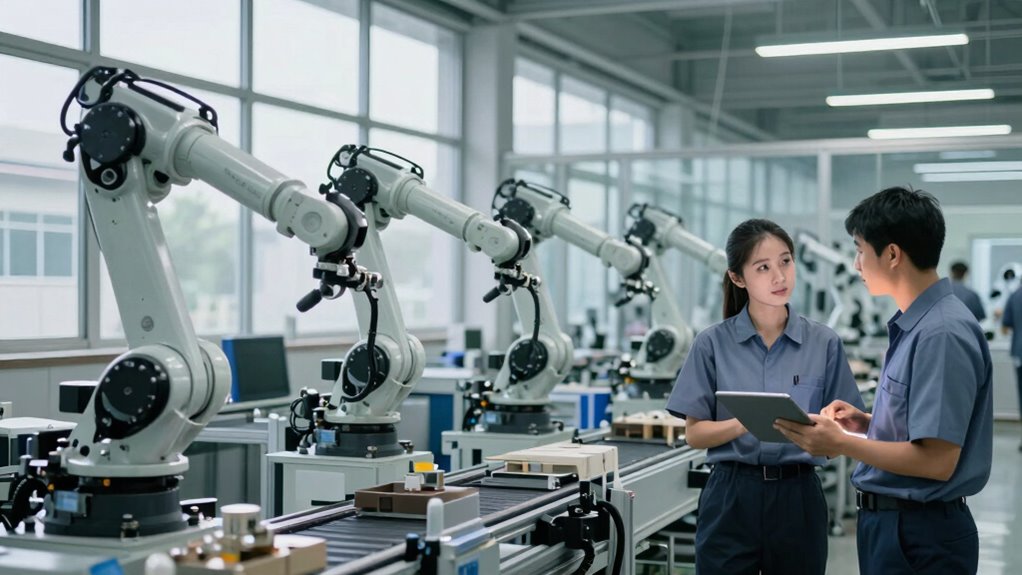

Automation is prompting you to rethink what makes work meaningful, as it shifts roles and routines. It frees you from mundane tasks but also raises questions about purpose and growth. If organizations focus on reskilling and ethical implementation, automation can empower you with new opportunities and a sense of contribution. Otherwise, it risks creating disconnection or disillusionment. To navigate this evolving landscape, explore how companies are balancing technology with human needs and values.

Get hardware and tech essentials delivered free with Prime
- Fast, free delivery on millions of items
- Prime Video, Amazon Music and more included
- Member-only deals all year
Key Takeaways
- Automation prompts organizations to re-evaluate job roles, emphasizing growth, reskilling, and purpose-driven work.
- Ethical considerations in automation influence perceptions of meaningfulness and trust in technological advancements.
- Companies must balance technological efficiency with human needs to ensure automation enhances worker fulfillment.
- Responsible automation fosters a sense of dignity and fairness, shaping a more sustainable and inclusive work environment.
- The societal impact of automation encourages broader discussions on purpose, ethics, and the future of work.
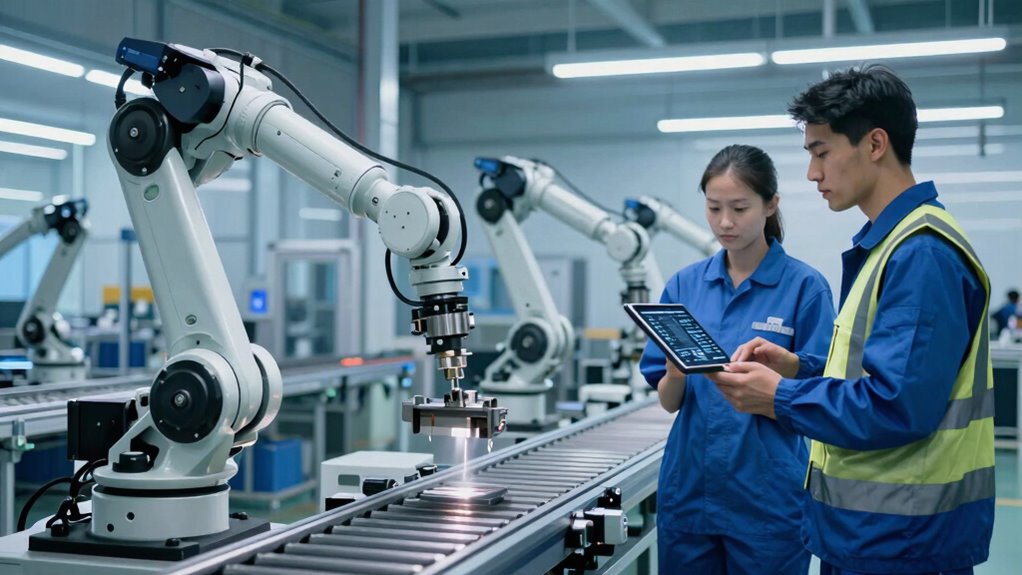
As automation continues to reshape workplaces, many wonder how it will impact the sense of meaningful work. You might find yourself questioning whether the repetitive tasks that once gave your days purpose will be replaced by machines or if new opportunities for fulfillment will emerge. Automation has the potential to free you from mundane chores, allowing you to focus on more creative, strategic, or interpersonal aspects of your role. But it also raises questions about whether these changes will truly enhance your sense of purpose or just make your work feel more disconnected. The key to navigating this shift lies in how organizations approach employee fulfillment and the ethical considerations surrounding technological integration.
Automation reshapes work, offering new opportunities for fulfillment if organizations prioritize ethical practices and employee growth.
When automation takes over routine tasks, you may experience a boost in job satisfaction because you’re able to engage in more meaningful work. Yet, this transition isn’t automatic. If companies aren’t intentional about creating roles that emphasize growth, learning, and contribution, you could feel disillusioned or even obsolete. That’s why your employer’s commitment to employee fulfillment becomes crucial. Organizations that prioritize reskilling and professional development help you see automation as an enabler rather than a threat. When you’re given opportunities to develop new skills and take on roles that align with your interests, automation becomes a tool for empowerment—not just efficiency.
Technological ethics also play a significant role in shaping how automation influences your work life. You might wonder if the algorithms and machines are designed responsibly, respecting your privacy and promoting fairness. If companies overlook ethical considerations, you risk feeling devalued or exploited, especially if automation leads to job cuts or surveillance. Conversely, organizations that emphasize technological ethics demonstrate respect for their workforce’s dignity and well-being. This approach reassures you that automation isn’t just about profits but about creating a sustainable work environment where your contributions are valued. Ethical practices around data use, transparency in decision-making, and inclusive technology help ensure that automation enhances your work experience rather than diminishes it. Additionally, understanding the impact of automation on jobs can help you better adapt and advocate for fair practices within your organization. Recognizing the importance of technological responsibility can foster trust and promote a positive outlook toward automation’s role in your career.
Ultimately, the conversation about meaningful work in an automated world hinges on your organization’s values and how it balances technological advancement with human needs. You want to feel that your work matters, that you’re growing, and that technology serves your professional purpose. When companies prioritize employee fulfillment and uphold strong ethical standards, automation can be a force that elevates your work life, transforming routine tasks into opportunities for growth and engagement. This ongoing dialogue about purpose, ethics, and technology will determine whether automation becomes a tool for human enhancement or a source of disconnect. Furthermore, cultivating awareness of biodiversity and sustainability can inspire organizations to implement automation in ways that support environmental and social responsibility, ultimately aligning technological progress with broader human values.
Products Worth Considering

DJI Osmo Mobile 7P with Mic Mini TX (Infinity Black) Gimbal Stabilizer

Bose TV Speaker (2nd Gen) Compact Soundbar with Bluetooth and HDMI Connectivity

Apple iPad Air (2025) 13‑inch Wi‑Fi 256 GB – Space Gray (M3 chip)
As an affiliate, we earn on qualifying purchases.
Frequently Asked Questions
How Does Automation Impact Job Security Across Different Industries?
Automation impacts your job security by increasing job displacement in certain industries, especially where tasks are repetitive. While it boosts efficiency, it can also widen economic inequality, leaving some workers vulnerable. You might find your role at risk if automation replaces your tasks, but it also creates new opportunities. To stay secure, you need to adapt by gaining new skills and embracing change, ensuring you’re not left behind in this evolving landscape.
Can Automation Lead to More Creative and Fulfilling Work Opportunities?
Automation acts like a spark igniting your creative growth, opening doors to new opportunities. It can free you from repetitive tasks, allowing you to explore more fulfilling work that taps into your talents and passions. Embracing this change might seem intimidating, but it enhances your fulfillment potential. With automation handling routine work, you have the chance to focus on innovative projects, making your work more meaningful and inspiring.
What Skills Are Essential to Stay Relevant in an Automated Workplace?
To stay relevant in an automated workplace, you need strong reskilling strategies focused on developing skills that machines can’t replicate, like creativity and critical thinking. Equally important is emotional intelligence; it helps you navigate teamwork, adapt to change, and connect authentically with others. Continuously updating your skills guarantees you’re prepared for evolving roles, making you an invaluable asset in a tech-driven environment.
How Do Companies Balance Efficiency With Employee Well-Being?
Balancing efficiency with employee well-being is like walking a tightrope—you need focus and care. Companies can foster work-life balance by promoting flexible schedules and reasonable workloads, ensuring employees stay engaged and motivated. Prioritizing employee engagement helps build trust and loyalty, making the workplace feel less like a machine and more like a community. When companies listen and adapt, they create a healthier environment where productivity and well-being thrive together.
What Ethical Considerations Arise From Automating Essential Jobs?
When automating essential jobs, you must consider ethical accountability and worker autonomy. You’re responsible for ensuring automation doesn’t diminish workers’ control over their tasks or compromise their safety and dignity. Balancing technological efficiency with respect for human rights means engaging employees in decision-making and maintaining transparency. By prioritizing these ethical considerations, you foster trust and create a fair environment where automation supports, rather than replaces, meaningful work.
Conclusion
As automation reshapes your work landscape, it’s clear that meaningful work can’t be left behind. You have the power to steer this change, carving out roles that ignite your passion and purpose. Think of automation as the wind—either it’ll push you forward or leave you stranded. Embrace the opportunity to redefine what work means for you, turning the tide into a wave of purpose that carries you beyond mere tasks and into true fulfillment.