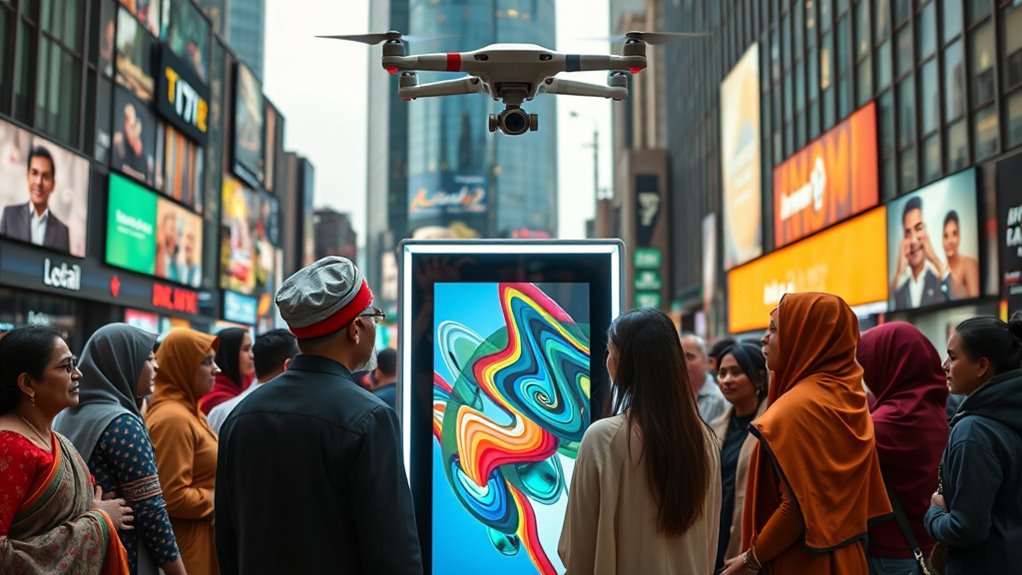

Some might assume AI will simply democratize culture, but the reality is more complex. As algorithms increasingly shape what content gets promoted, who truly decides what matters in our cultural landscape? It’s easy to overlook how these systems influence our choices and values, raising questions about authority and authenticity. If you want to understand how this shift impacts your perspective, it’s worth exploring who holds the real power behind the screen.
Key Takeaways
- AI algorithms influence cultural content selection, shaping perceptions of what is valuable or meaningful in society.
- Ownership and authorship of AI-created works challenge traditional cultural gatekeepers and decision-makers.
- Biases embedded in AI systems can reinforce dominant narratives, impacting which voices and stories are prioritized.
- Human developers, users, and policymakers share responsibility in guiding AI’s role in cultural valuation.
- The democratization of creative tools shifts cultural authority from institutions to individuals and algorithms.
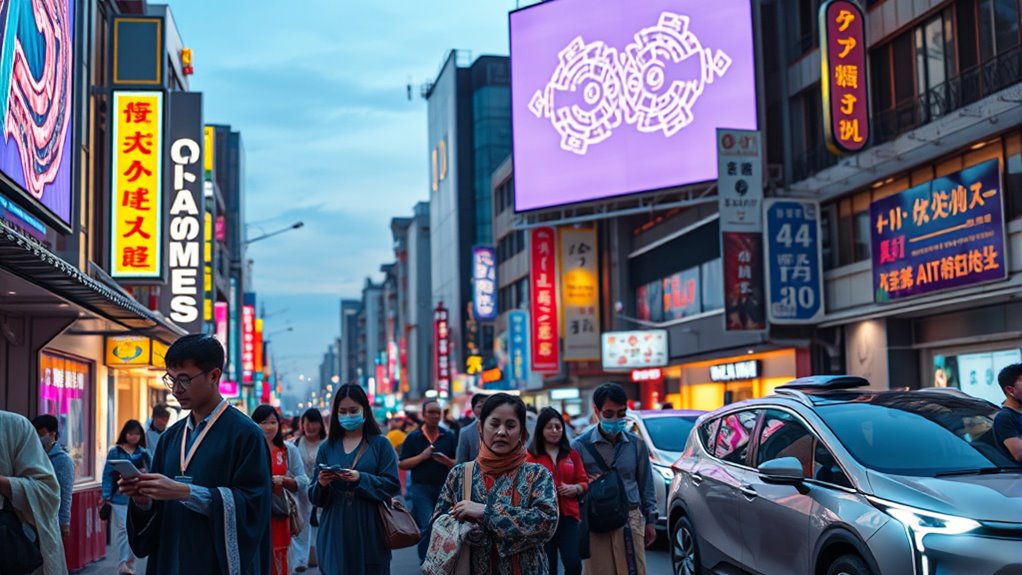
As artificial intelligence becomes an integral part of our daily lives, it’s transforming the way we create, share, and experience culture. AI-driven creativity enables you to produce art, music, and literature at a scale and speed previously unimaginable. Algorithms now analyze vast amounts of data to generate unique designs or compose melodies, often blurring the line between human and machine-made works. This shift democratizes artistic expression, giving more people access to tools that inspire innovation. However, it also raises questions about originality and the value of human touch in art. Who truly owns an AI-created masterpiece? Is it the programmer, the user, or the machine itself? These questions challenge traditional notions of authorship and artistic merit.
AI transforms creativity, raising questions about ownership, originality, and the human touch in art and culture.
Alongside these exciting possibilities, the ethical implications of AI-driven creativity demand careful reflection. When algorithms decide what content to produce or promote, biases embedded in training data can influence the outcome, potentially reinforcing stereotypes or marginalizing certain voices. As you navigate this landscape, you might notice how AI can inadvertently perpetuate inequalities, raising concerns about fairness and accountability. Who is responsible if an AI system produces culturally insensitive or harmful content? These ethical concerns aren’t just theoretical—they impact the integrity of cultural expression and the trust we place in technological tools. Additionally, understanding how training data influences AI outcomes is crucial for fostering equitable cultural representation.
Moreover, the power to shape culture through AI raises broader societal questions. Should algorithms prioritize popular trends, or should they amplify underrepresented voices? When AI curates what you see online, it influences your perception of what matters culturally. If the system’s design reflects the biases of its creators, it may skew cultural narratives, reinforcing dominant perspectives while silencing others. This puts the onus on developers, policymakers, and users alike to ensure that AI promotes diversity and inclusivity.
You also need to think about how AI challenges traditional gatekeepers of culture, like museums, publishers, and critics. As machines generate and curate content, who decides what is valuable or meaningful? The democratization of cultural production can be empowering, but it also risks flooding the cultural space with low-quality or superficial content. Ultimately, the question of who decides what matters in this AI-influenced era isn’t just about algorithms—it’s about your role in shaping a cultural landscape that reflects your values, ethics, and aspirations. As AI continues to evolve, remaining conscious of these ethical implications ensures that technology enhances culture without compromising its richness or diversity.
Conclusion
Remember, in this AI-driven era, you hold the power to shape what culture values. Some might say algorithms can’t capture true human nuance, but your choices and voices influence what’s celebrated or ignored. Don’t assume technology alone determines what matters—your participation ensures diverse perspectives thrive. By actively engaging, you help create a cultural landscape that reflects genuine human experience, not just machine-driven trends. It’s up to you to make sure all voices are heard.