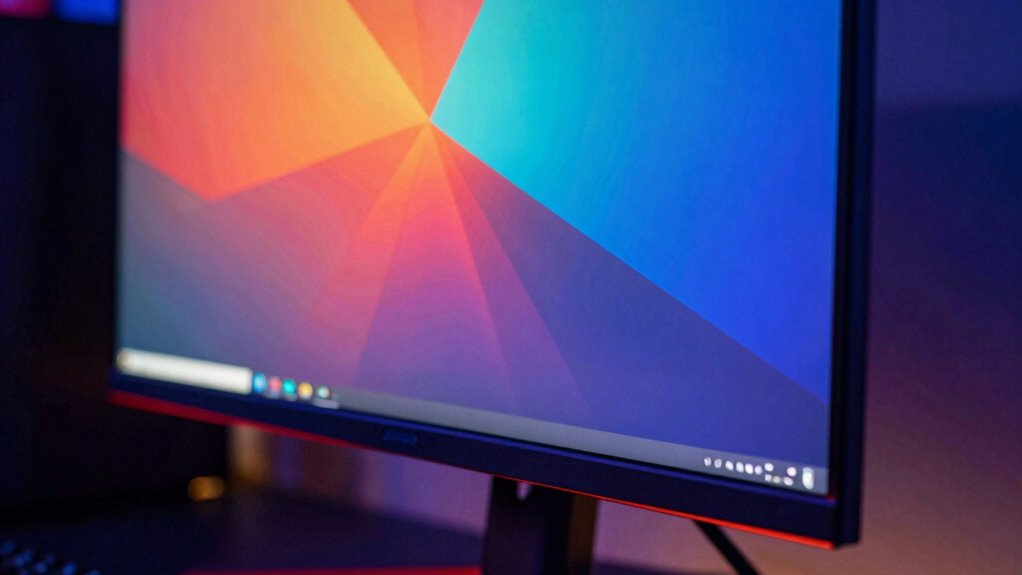

When choosing a gaming laptop, display features are among the most critical factors influencing your experience. The best options, like the Lenovo Legion 5 with OLED, offer stunning visuals and fast refresh rates that bring games to life. Meanwhile, models like the ASUS ROG Strix G16 balance high refresh rates with excellent color accuracy for competitive gaming. Tradeoffs often involve balancing resolution, refresh rate, and color fidelity against price and hardware constraints. Continue reading for a detailed breakdown of the top gaming laptop display features and what makes each stand out.

Get hardware and tech essentials delivered free with Prime
- Fast, free delivery on millions of items
- Prime Video, Amazon Music and more included
- Member-only deals all year
Key Takeaways
- High refresh rates (120Hz and above) are essential for smooth gameplay, especially in fast-paced games.
- OLED displays deliver superior contrast and deeper blacks, significantly enhancing visual quality but often at a higher cost.
- Resolution matters: WQXGA and 4K displays provide sharper images, but may impact performance and battery life.
- Color accuracy and wide color gamuts improve visual fidelity, important for immersive gaming and content creation.
- Tradeoffs between refresh rate, resolution, and price are common—choosing the right balance depends on your gaming style and budget.


| gaming laptop display feature | Processor | Memory | Weight | Display Size |
|---|---|---|---|---|
| Alienware 16 Aurora Gaming Lap | Intel Core i7-12400H | 16 GB DDR5 RAM | 5.5 pounds | 16 inches |
| Acer Predator Helios Neo 14 AI | Intel Core Ultra 9 285H | — | 4.19 lbs | 14.5 inches |
| MSI Cyborg 17 17.3" FHD 144Hz | Intel Core i7 | 16GB DDR5 | 5.5 lbs | — |
| Lenovo Legion 5 15IRX10 Gaming | Intel Core i9 14th Gen | 32GB DDR5 | 4.19 lbs | 15.1 inches |
| Dell Alienware 16 Aurora Gamin | Intel Core i7-12400H | — | 8 pounds | 16 inches |
| Acer Nitro V 16S AI Gaming Lap | AMD Ryzen 7 2600 | — | — | — |
| ASUS ROG Strix G16 | Intel Core i7 14650HX | 16GB DDR5-5600MHz | — | — |
| Lenovo Legion LOQ AI-Powered G | Intel Core i7-13650HX | 16GB | — | — |
More Details on Our Top Picks
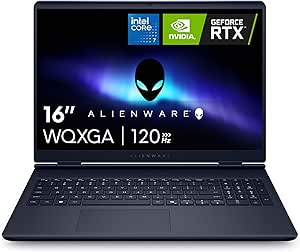
Alienware 16 Aurora Gaming Laptop with NVIDIA RTX 5060 and Intel Core i7-12400H
This Alienware 16 excels with a 16-inch WQXGA display that offers sharper visuals than the 17.3-inch MSI Cyborg 17, thanks to its higher resolution. The 16:10 aspect ratio enhances productivity alongside gaming, making it ideal for creative multitasking. Its high-performance NVIDIA RTX 50 Series GPU ensures smooth gameplay and rendering, rivaling the specs of the Lenovo Legion OLED but with a more traditional display. The main tradeoff is its weight—at 5.5 pounds, it’s less portable—and limited info on battery life could affect unplugged gaming. Still, its combination of sharp, bright display and powerful internals makes it perfect for gamers who also do creative work at their desk.
Pros:- High-resolution 16-inch WQXGA display with vibrant color and sharp details
- Powerful NVIDIA RTX 50 Series GPU for gaming and creative tasks
- Efficient Cryo-Chamber cooling system maintains performance under load
- Sleek, anodized aluminum design adds premium feel
Cons:- Relatively heavy at 5.5 pounds limits portability
- Limited battery life details may impact unplugged use
Best for: gamers and creative professionals who prioritize high-resolution, color-accurate displays in a portable, stylish chassis
Not ideal for: travelers needing ultra-lightweight laptops or users who demand long battery life for gaming on the go
- Display Size:16 inches
- Display Resolution:2560×1600
- Display Type:LED
- Processor:Intel Core i7-12400H
- Graphics Card:NVIDIA GeForce RTX 50 Series
- Memory:16 GB DDR5 RAM
- Weight:5.5 pounds
- Dimensions:10.45 x 14.05 x 0.89 inches
Our verdict“This pick is ideal for gamers who need a high-quality, versatile display that doubles for creative work without sacrificing performance.”
Acer Predator Helios Neo 14 AI Gaming Laptop with Intel Core Ultra 9 and NVIDIA GeForce RTX 5070
The Predator Helios Neo 14 stands out for its 14.5-inch WQXGA display with a 165Hz refresh rate and G-SYNC, delivering smooth visuals ideal for fast-paced gaming. Its compact size and weight—just over 4 pounds—make it a top choice for gamers on the move compared to bulkier options like the Alienware 16. The high-end Intel Core Ultra 9 and RTX 5070 GPU provide impressive performance, rivaling the Lenovo Legion OLED in raw power. However, the smaller screen size may not satisfy those seeking immersive gameplay or detailed creative work, and its premium price points can be a barrier. Still, it’s best suited for gamers who want portability without sacrificing too much display quality.
Pros:- Vivid 14.5-inch WQXGA display with 165Hz refresh rate and G-SYNC for smooth gameplay
- Lightweight design at just over 4 pounds enhances portability
- High-performance Intel Core Ultra 9 and RTX 5070 deliver strong gaming and creative capabilities
- Advanced cooling with liquid metal thermal grease
Cons:- Smaller screen size may feel restrictive for immersive gaming or multitasking
- Premium price limits accessibility for some users
Best for: traveling gamers and content creators who need a lightweight, high-performance display
Not ideal for: users who prefer larger screens for immersive gaming or detailed creative work, or those with strict budget constraints
- Display Size:14.5 inches
- Display Resolution:WQXGA
- Refresh Rate:165Hz
- Graphics Card:NVIDIA GeForce RTX 5070
- Processor:Intel Core Ultra 9 285H
- Weight:4.19 lbs
Our verdict“This model is perfect for gamers who prioritize portability and high-quality display performance in a compact form.”
MSI Cyborg 17 17.3″ FHD 144Hz Gaming Laptop with Intel Core i7, NVIDIA GeForce RTX 5060, 16GB DDR5, 1TB NVMe SSD, Wi-Fi 6E, Windows 11 Home
The MSI Cyborg 17 offers a large 17.3-inch FHD display with 144Hz refresh rate, making it excellent for immersive gaming and media consumption, especially compared to the smaller 15.1-inch Lenovo Legion OLED. Its hardware—an Intel Core i7 and RTX 5060—delivers solid gaming performance, though not quite as high-end as the RTX 5070 in the Predator Neo 14. Its size and weight—5.5 pounds—are typical for a 17-inch gaming machine, which means less portability. While the display’s size and refresh rate are appealing, it lacks detailed thermal performance info under sustained load, and its price may be high for some. Overall, it’s a good choice for users wanting a large, smooth display at a relative value.
Pros:- Large 17.3-inch FHD display with 144Hz refresh rate for smooth visuals
- Powerful Intel i7 and RTX 5060 hardware for gaming and streaming
- Fast DDR5 RAM and 1TB NVMe SSD support multitasking and storage
- Reasonable size for a large display gaming experience
Cons:- Heavier at 5.5 pounds reduces portability
- Lack of thermal performance details may concern sustained loads
Best for: gamers and streamers who want a large, budget-conscious display for extended gaming sessions
Not ideal for: people needing ultra-lightweight laptops or those with limited desk space, due to its size and weight
- Display:17.3″ FHD 144Hz
- Processor:Intel Core i7
- Graphics:NVIDIA GeForce RTX 5060
- Memory:16GB DDR5
- Storage:1TB NVMe SSD
- Weight:5.5 lbs
Our verdict“This laptop balances a sizable display with solid gaming hardware, making it suitable for users prioritizing screen size over ultra-lightweight design.”
Lenovo Legion 5 15IRX10 Gaming Laptop with 15.1″ WQXGA OLED Display, Intel Core i9 14th Gen, NVIDIA GeForce RTX 5070, 32GB DDR5 RAM, 1TB NVMe SSD
The Lenovo Legion 5 15IRX10 shines with its 15.1-inch WQXGA OLED display, offering vibrant colors and deep blacks that surpass standard IPS screens like the Alienware 16’s LED panel. Its high-end Intel Core i9 and RTX 5070 GPU deliver top-tier performance, comparable to the Predator Neo 14, but with the added benefit of stunning visuals. Its 32GB DDR5 RAM and fast 1TB SSD support intensive multitasking and gaming. The main tradeoff is its weight—at 4.19 pounds, it’s still portable but not ultra-light. The premium price might not fit all budgets, yet for those seeking exceptional display quality combined with high performance, this is a prime choice.
Pros:- Vivid OLED display with excellent color accuracy and contrast
- Powerful Intel Core i9 14th Gen and RTX 5070 for demanding tasks
- Large 32GB DDR5 RAM and fast SSD for seamless multitasking
- Lightweight at 4.19 pounds for its hardware class
Cons:- Higher price point may be prohibitive for some
- Smaller 15.1-inch screen might limit immersion for some users
Best for: content creators and gamers who prioritize display quality and color accuracy in a portable form
Not ideal for: users on a tight budget or those needing a larger, more immersive screen for gaming
- Display Size:15.1 inches
- Display Resolution:WQXGA OLED
- Processor:Intel Core i9 14th Gen
- Graphics Card:NVIDIA GeForce RTX 5070
- Memory:32GB DDR5
- Weight:4.19 lbs
Our verdict“This model is ideal for those who want a portable, high-performance gaming and creative laptop with a stunning OLED display.”
Dell Alienware 16 Aurora Gaming Laptop, Intel Core i7-12400H, 32 GB DDR5 RAM, 1 TB PCIe SSD, 16″ WQXGA (2560×1600) 120Hz Display, Nvidia GeForce RTX 5060, Backlit Keyboard, Windows 11 Pro, Blue
The Alienware 16 Aurora offers a 16-inch WQXGA display with a 120Hz refresh rate, delivering crisp visuals with smooth motion for gaming. Its high-resolution screen surpasses traditional FHD displays and is comparable to the Alienware 16 Aurora (ASIN: B0FBHXJG7K), but with a slightly lower refresh rate. The combination of an Intel i7-12400H and RTX 5060 ensures strong gaming performance, and the 32GB DDR5 RAM supports multitasking. Its weight at 8 pounds makes it less portable than smaller models, and limited battery info suggests it’s mainly for desk use. Still, the display quality and performance make it a solid choice for gamers who want a compact yet sharp screen in a sleek design.
Pros:- Crisp 16-inch WQXGA display with 120Hz for smooth gaming visuals
- Strong Intel i7 processor and RTX 5060 GPU for gaming performance
- Premium build with backlit keyboard and sleek design
- Ample 32GB DDR5 RAM for multitasking
Cons:- Heavy at 8 pounds, less suited for frequent travel
- Limited details on battery endurance
Best for: dedicated gamers seeking a high-quality 16-inch display in a portable yet powerful form
Not ideal for: users needing ultra-lightweight or ultra-long battery life options for on-the-go gaming
- Display Size:16 inches
- Display Resolution:2560×1600
- Display Type:IPS
- Refresh Rate:120Hz
- Processor:Intel Core i7-12400H
- Graphics Card:NVIDIA GeForce RTX 5060
- Weight:8 pounds
Our verdict“This model is best for gamers wanting a compact yet powerful 16-inch high-resolution display for both gaming and creative tasks.”
Acer Nitro V 16S AI Gaming Laptop with AMD Ryzen 7 2600, NVIDIA GeForce RTX 5060, 16″ WUXGA IPS 180Hz Display, 32GB DDR5, 1TB SSD
The Acer Nitro V 16S stands out for its combination of a powerful AMD Ryzen 7 2600 processor and an impressive 180Hz WUXGA IPS display, delivering exceptionally smooth visuals that surpass many competitors like the ASUS ROG Strix G16’s 165Hz panel. Its high refresh rate is ideal for fast-paced gaming, especially when paired with ray tracing capabilities of the RTX 5060 GPU. Compared to the Lenovo Legion LOQ’s 144Hz display, the Nitro V’s higher refresh rate provides a noticeably smoother experience, making it the top choice for serious gamers who also want content creation potential. The main tradeoff involves the somewhat outdated CPU model and limited details on thermal management, which could affect sustained performance. Its 32GB DDR5 RAM and 1TB SSD optimize multitasking and load times, making it a well-rounded powerhouse. However, the absence of battery life info and thermal details means it’s best for users who can keep it plugged in during extended sessions.
Pros:- High-quality 180Hz WUXGA IPS display offers smooth, vibrant visuals
- Powerful AMD Ryzen 7 2600 with AI acceleration enhances multitasking
- Ample 32GB DDR5 RAM and fast 1TB SSD for content creation and gaming
Cons:- Processor may be outdated compared to current standards
- Limited information on thermal management may impact sustained performance
Best for: Gamers and content creators who prioritize high refresh rate visuals and powerful multitasking performance
Not ideal for: Users seeking long battery life or a more portable setup, due to limited thermal and battery details
- Processor:AMD Ryzen 7 2600
- GPU:NVIDIA GeForce RTX 5060
- Display:16″ WUXGA IPS, 1920 x 1200, 180Hz
- RAM:32GB DDR5 5600MHz
- Storage:1TB PCIe Gen 4 SSD
- Wi-Fi:Wi-Fi 6
Our verdict“This model suits gamers and creators who want a high-refresh-rate display with strong overall specs, accepting some uncertainty about thermal performance.”
ASUS ROG Strix G16 (2025) Gaming Laptop, 16” FHD+ 165Hz, NVIDIA GeForce RTX 5060, Intel Core i7 14650HX, 16GB DDR5, 1TB SSD, Wi-Fi 7, Windows 11 Home
The ASUS ROG Strix G16 (2025) makes an excellent choice for gamers who demand a balance of a 165Hz FHD+ display and cutting-edge hardware, including the latest Intel Core i7 14650HX and RTX 5060 GPU. Its fast 165Hz refresh rate ensures smooth gameplay, comparable to the Acer Nitro V but with slightly lower resolution, which can be beneficial for battery life and system cooling. The advanced cooling system and customizable RGB lighting offer a premium gaming experience, but these features come with a higher power draw and price point. Compared to the Lenovo Legion LOQ’s 144Hz display, the ASUS offers a marginally faster refresh rate and more style, though at a premium. It is best suited for users who value performance, aesthetics, and future-proofing over budget considerations.
Pros:- 165Hz FHD+ display provides smooth, responsive visuals for fast-paced games
- Latest Intel Core i7 14650HX offers strong CPU performance for multitasking
- Advanced cooling and customizable RGB lighting enhance gaming comfort and style
Cons:- High power consumption may reduce battery life
- Premium price could be restrictive for some users
Best for: High-performance gamers who want a sleek, customizable machine with a fast display and the latest CPU
Not ideal for: Budget-conscious buyers or those prioritizing battery life and portability, due to higher power consumption and cost
- Display:16-inch FHD+ 165Hz
- Processor:Intel Core i7 14650HX
- GPU:NVIDIA GeForce RTX 5060
- Memory:16GB DDR5-5600MHz
- Storage:1TB PCIe Gen 4 SSD
- Connectivity:Wi-Fi 7
Our verdict“This pick is ideal for gamers seeking top-tier performance, style, and a fast display, accepting higher costs and power use.”
Lenovo Legion LOQ AI-Powered Gaming Laptop – Intel Core i7-13650HX, 15.6″ FHD IPS 144Hz Display, GeForce RTX 5050, 16GB Memory, 1TB Storage, G-Sync, Luna Grey
The Lenovo Legion LOQ offers a compact yet capable gaming experience with its 15.6″ FHD IPS display at 144Hz. While its refresh rate is slightly lower than the other two options, G-Sync support ensures tear-free visuals, which benefits smoothness during gameplay. Its lightweight aluminum build and AI-enhanced performance optimization make it a compelling choice for gamers on the move. Compared with the Acer Nitro V’s higher-resolution display, the LOQ prioritizes portability and efficiency, though at the expense of the higher refresh rate. The AI engine helps manage thermal and performance balance, but the battery life remains unspecified, which could be a concern for extended mobility. This model is well-suited for gamers who need a portable device that can handle demanding titles with integrated AI features.
Pros:- Lightweight, durable aluminum build enhances portability
- G-Sync support ensures smooth, tear-free gameplay
- AI Engine+ optimizes performance and thermals in real-time
Cons:- Lower 144Hz refresh rate compared to other options
- Battery life details are not specified, which may impact on-the-go use
Best for: Travelers and mobile gamers who want reliable performance and tear-free visuals without sacrificing portability
Not ideal for: Users seeking the highest refresh rates or ultra-high-res displays for competitive gaming or content creation
- Display:15.6″ FHD IPS, 144Hz
- Processor:Intel Core i7-13650HX
- Graphics:GeForce RTX 5050
- Memory:16GB
- Storage:1TB SSD
- Cooling:Hyperchamber Cooling with turbo fans
Our verdict“This model appeals to gamers who need a portable, AI-enhanced gaming laptop with decent refresh rates and a compact design.”

How We Picked
These gaming laptop displays were evaluated based on a combination of technical specs, real-world usability, and value. Priority was given to refresh rates, resolution, color accuracy, and panel technology, as these directly influence visual quality and gameplay smoothness. We also considered build quality and how well display features match different gaming scenarios, from competitive eSports to immersive AAA titles. The ranking reflects a balance between performance, price, and overall versatility, aiming to guide different types of gamers toward the best choices for their needs.| gaming laptop display feature | Graphics Card |
|---|---|
| Alienware 16 Aurora Gaming Lap | NVIDIA GeForce RTX 50 Series |
| Acer Predator Helios Neo 14 AI | NVIDIA GeForce RTX 5070 |
| MSI Cyborg 17 17.3" FHD 144Hz | — |
| Lenovo Legion 5 15IRX10 Gaming | NVIDIA GeForce RTX 5070 |
| Dell Alienware 16 Aurora Gamin | NVIDIA GeForce RTX 5060 |
| Acer Nitro V 16S AI Gaming Lap | — |
| ASUS ROG Strix G16 | — |
| Lenovo Legion LOQ AI-Powered G | — |
Factors to Consider When Choosing Gaming Laptop Display Features
Selecting the right gaming laptop display involves understanding how various features impact your gaming experience. Beyond raw specs, it’s important to consider how resolution, refresh rate, panel type, and color accuracy work together. Each factor involves tradeoffs, so knowing what matters most for your gaming style and environment ensures you make an informed decision. Let’s explore the key considerations to keep in mind.Refresh Rate and Response Time
The refresh rate, measured in Hertz (Hz), determines how many frames your display can show per second. Higher refresh rates, such as 144Hz or 165Hz, provide smoother motion, which is crucial for fast-paced and competitive gaming. Response time, indicating how quickly a pixel can change color, also affects ghosting and motion clarity. A display with a high refresh rate and low response time offers a significant advantage in responsiveness, but these features often come at a higher price and can reduce battery life.
Resolution and Screen Size
Resolution impacts image sharpness and detail. WQXGA (2560×1600) and 4K offers stunning clarity, but demand more from GPU resources, which can lower frame rates or increase power consumption. Conversely, Full HD (1080p) is more common and easier on hardware, providing a good balance for most gamers. Screen size also influences immersion; larger displays enhance the experience but can make portability less practical. Finding the right combination depends on whether you prioritize portability, visual fidelity, or performance.
Panel Type and Color Fidelity
Panel technology, such as IPS, OLED, or TN, affects viewing angles, color accuracy, and contrast. OLED panels excel in delivering vibrant colors and deep blacks, creating a more immersive experience, especially in darker scenes. IPS panels offer wider viewing angles and more consistent color reproduction, which benefits multiplayer gaming and content creation. TN panels are generally cheaper but sacrifice color and viewing angles for faster response times. The choice here hinges on whether you value visual quality or response speed more.
Color Accuracy and Gamut
Color accuracy is vital for players who value visual fidelity, such as streamers or gamers who enjoy visually stunning titles. Displays supporting wide color gamuts like DCI-P3 can produce more vivid and lifelike images. However, high color accuracy often increases cost and can reduce battery life. For competitive gaming, color fidelity is less critical than refresh rate and response time, but for immersive experiences, it’s a significant advantage.
Tradeoffs and Budget Considerations
Balancing display features against price is a common challenge. Higher resolution and refresh rates typically come with increased costs and power demands. It’s essential to prioritize based on your gaming style: competitive players might favor high refresh rates over resolution, while creative gamers may prefer OLED and 4K panels. Additionally, consider how battery life and portability factor into your overall gaming setup. Making the right tradeoffs ensures you get the best value without compromising your gaming experience.
Frequently Asked Questions
Is a higher refresh rate worth it for casual gaming?
For casual gaming, a 60Hz or 75Hz display may suffice, especially if you prioritize battery life and affordability. However, even in less competitive scenarios, a higher refresh rate like 120Hz can make gameplay feel smoother and more responsive, enhancing overall enjoyment. The extra cost for a 120Hz or higher display isn’t significant in many cases and can be beneficial if you switch between casual and competitive titles or plan to upgrade your gaming setup later.
Should I prioritize resolution or refresh rate in my gaming laptop?
This depends on your gaming style. If you mainly play fast-paced shooters or esports titles, a high refresh rate (144Hz or higher) will improve responsiveness and fluidity. For immersive single-player experiences with visually rich graphics, higher resolution and better color reproduction can enhance enjoyment. Ideally, choose a balance that matches your GPU capabilities; otherwise, you might sacrifice frame rates or visual fidelity. Sometimes, a slightly lower resolution paired with a high refresh rate offers the best overall experience.
Are OLED displays worth the extra cost?
OLED screens offer superior contrast, deeper blacks, and vibrant colors, making them ideal for visually intensive games and media. The main tradeoffs include higher price and potential concerns about burn-in with prolonged static images. For gamers who prioritize visual quality and immersive experiences, OLED can be a worthwhile investment. However, if budget constraints or longevity are concerns, high-quality IPS panels still provide excellent visuals at a more affordable price.
How important is color accuracy for gaming?
Color accuracy enhances visual realism and immersion, especially in story-driven or visually rich games. It also benefits gamers who stream or create content, as true-to-life colors are essential for editing and presentation. However, for competitive gaming, response time and refresh rate tend to outweigh color fidelity. If your priority is cinematic visuals or content creation, choosing a display with high color accuracy and wide color gamuts is advisable.
What is the best display size for gaming laptops?
Display size varies from 15 to 17 inches most commonly. Larger screens offer more immersion but can reduce portability and battery life. Smaller screens are more portable and generally consume less power but may lack the visual impact of bigger displays. The ideal size depends on your mobility needs—if you game mostly at home, a 17-inch or larger display can be more immersive; for travel or commuting, a 15-inch or smaller might be more practical.
Conclusion
For most users, the Lenovo Legion 5 with OLED stands out as the best overall choice for its balance of high-quality visuals and versatile features. The ASUS ROG Strix G16 offers a compelling option for gamers prioritizing ultra-fast refresh rates without breaking the bank. Budget-conscious buyers should consider models with Full HD panels and decent refresh rates, while enthusiasts seeking the best visuals may lean toward OLED or 4K displays. Beginners will benefit from focusing on high refresh rates and good build quality, whereas power users should look for higher resolutions and color accuracy. Ultimately, your choice hinges on your gaming style, portability needs, and budget.
Columbus Day / Indigenous Peoples' Day Picks
long weekend sales
As an affiliate, we earn on qualifying purchases.