
🔍 Read the full analysis: 9 OLED Gaming Monitors Leading The 2026 Market on ThorstenMeyerAI.com

Get hardware and tech essentials delivered free with Prime
- Fast, free delivery on millions of items
- Prime Video, Amazon Music and more included
- Member-only deals all year
TL;DR
Nine OLED gaming monitors are dominating the 2026 market, offering superior contrast, vibrant colors, and fast response times. This article reviews their features, benefits, and what gamers should consider before purchasing.
Nine OLED gaming monitors have emerged as the leading options in the 2026 market, offering gamers superior visual quality, fast response times, and high refresh rates. For a detailed review, see the original analysis. These models are shaping the future of immersive gaming experiences, despite some tradeoffs like higher costs and potential burn-in risks. The list includes top contenders from brands like ASUS, AOC, and LG, each with unique strengths tailored to different gaming preferences. Learn more about the latest models in 2026’s best OLED gaming monitors with cutting-edge AI technology.
The top nine OLED gaming monitors of 2026 include models such as the ASUS ROG XG27AQDMG, praised for its balanced performance and affordability, and the AOC Agon Pro QD-OLED, recognized for ultra-fast response times and superb color accuracy. These monitors feature refresh rates of 120Hz or higher, response times as low as 1ms, and sizes ranging from 27 inches to ultrawide 34 inches, catering to various gaming setups. For more options, see the 12 best high refresh monitors for FPS gaming in 2026.
While OLED technology provides exceptional contrast, vibrant colors, and deep blacks, it also introduces concerns about burn-in, especially with static HUD elements common in many games. Manufacturers have incorporated features like pixel shifting and screen savers to mitigate these risks. Connectivity options such as HDMI 2.1, DisplayPort 1.4, and ergonomic adjustments are standard across models, enhancing usability. Price points vary significantly, with premium models offering better color calibration but at higher costs, making the choice dependent on user priorities and budgets.
The 9 picks
- 1
 LG 32GX850A-B 32-Inch UltraGear 4K UHD OLED Gaming MonitorView on Amazon →
 - 2
 LG 34GX90SA-W 34-inch Ultragear WQHD OLED Curved Gaming Monitor 240Hz, 1ms, G…View on Amazon →
 - 3
 ASUS ROG XG27AQDMG 27-Inch 1440p OLED Gaming MonitorView on Amazon →
 - 4
 Samsung 27" Odyssey OLED G6 (G61SH) QD-OLED Gaming MonitorView on Amazon →
 - 5
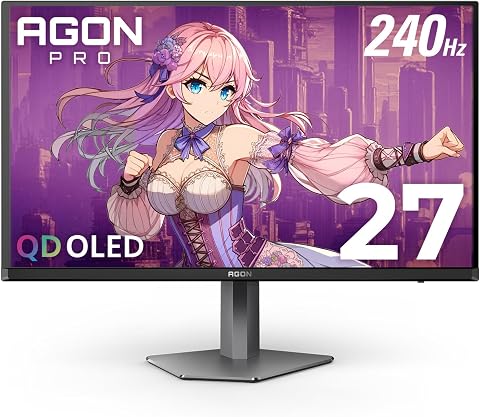 AOC Agon Pro 27-Inch Gaming Monitor QD OLED 240Hz 0.03ms, AG276QZD2View on Amazon →
 - 6
 GIGABYTE GO27Q24G 27" W-OLED 240Hz QHD Gaming MonitorView on Amazon →
 - 7
 Samsung 27” Odyssey OLED G5 (G50SF) Series QHD Gaming MonitorView on Amazon →
 - 8
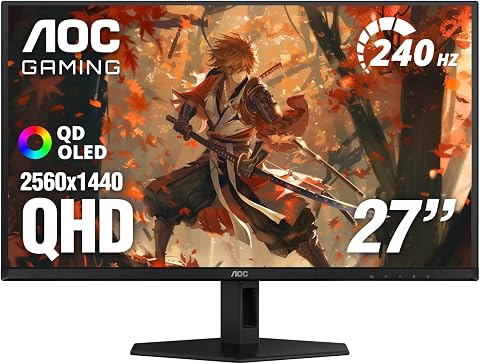 AOC 27" Gaming Monitor QHD 240Hz QD OLED NVIDIA G-SYNC CompatibleView on Amazon →
 - 9
 AOC 27-Inch QHD QD-OLED Gaming Monitor with 240Hz, G-SYNC CompatibleView on Amazon →
Why OLED Monitors Are Transforming Gaming in 2026
The rise of these nine OLED gaming monitors signifies a major shift toward ultra-high-definition, visually immersive gaming experiences. Their superior contrast, color vibrancy, and fast response times enhance gameplay clarity and realism, especially for competitive and cinematic titles. However, the higher costs and burn-in risks mean gamers must weigh the benefits against potential long-term durability concerns. This development influences both consumer choices and future monitor design, pushing the industry toward more advanced, visually stunning displays.
Evolution of OLED Gaming Monitors Leading to 2026
OLED technology has been steadily improving since its initial adoption, with manufacturers like LG, ASUS, and AOC releasing models tailored for gaming. By 2026, the market has seen significant advancements, including increased refresh rates, improved response times, and better durability features. Earlier models faced challenges like burn-in and high prices, but recent innovations have addressed these issues, making OLED a viable option for mainstream gamers. The market’s growth reflects a broader trend toward premium, high-fidelity displays in gaming and entertainment.
Outstanding Questions About OLED Monitor Durability and Cost
While the leading models are praised for their performance, it remains unclear how long burn-in mitigation features will effectively prevent long-term damage, especially with static HUD elements in prolonged gaming sessions. The true durability of these monitors over several years is still under observation, with some reviews indicating mixed experiences. Additionally, the high prices of top-tier models may limit accessibility for casual gamers, and future technological developments could alter the current landscape.
Future Developments and Market Trends for 2026 OLED Monitors
Manufacturers are expected to continue refining OLED technology, focusing on reducing burn-in risks, lowering costs, and expanding size options. New models with even higher refresh rates (up to 240Hz) and better longevity features are anticipated within the year. Market adoption will likely grow as these improvements make OLED monitors more accessible and durable, further solidifying their position as the premium choice for high-end gaming setups.
Key Questions
Are OLED gaming monitors worth the extra cost compared to LCDs?
OLED monitors offer superior contrast, deeper blacks, and more vibrant colors, which enhance visual quality. For gamers prioritizing immersive experiences, the higher cost can be justified, though budget-conscious users may opt for high-quality LCDs with good refresh rates and color accuracy.
How serious is the burn-in risk with OLED gaming monitors?
Burn-in is a potential concern if static images or HUD elements remain on the screen for extended periods. Modern OLED monitors include features like pixel shifting and screen savers to mitigate this risk, but users should still be cautious, especially with long gaming sessions involving static UI elements.
Do I need a high-end GPU to fully utilize these OLED monitors?
High refresh rate OLED monitors, such as those with 144Hz or higher, benefit from powerful GPUs to achieve high frame rates. If your system cannot support these frame rates, you may not experience the full benefits of the monitor’s capabilities, making a slightly lower-spec model a more practical choice.
What size OLED monitor should I choose?
Choosing the right size depends on your gaming setup and preferences. 27-inch models are popular for their manageable size and sharp pixel density, while ultrawide 34-inch screens offer a more immersive experience for racing or simulation games. Consider your desk space and gaming style when selecting size.
Source: ThorstenMeyerAI.com
Fall Picks
fall essentials
As an affiliate, we earn on qualifying purchases.