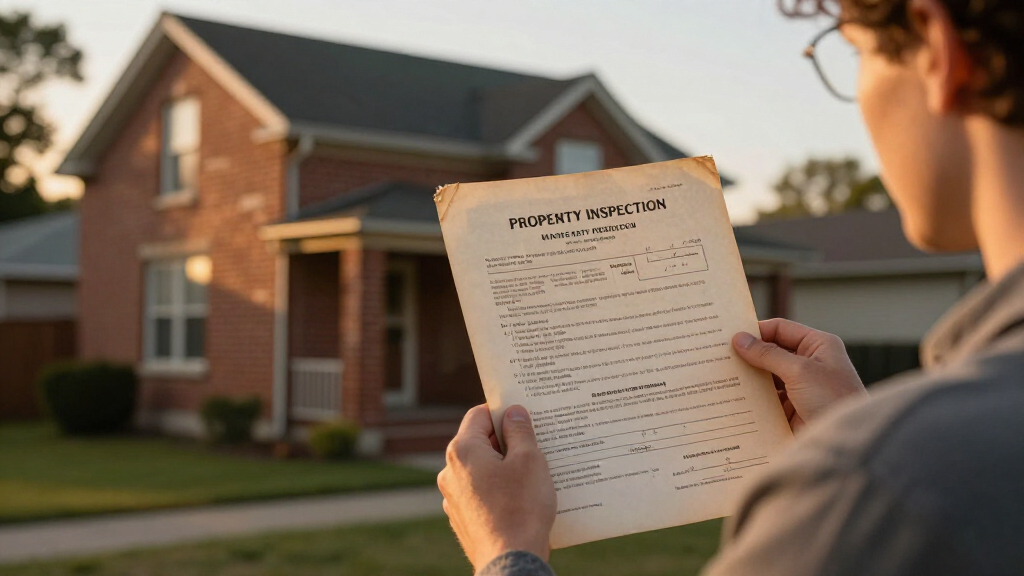

📊 Full opportunity report: Pre-Demo Condition Verdicts: Protecting Buyers Of Vintage Properties on IdeaNavigator AI — validation score, market gap, and execution plan.

Get hardware and tech essentials delivered free with Prime
- Fast, free delivery on millions of items
- Prime Video, Amazon Music and more included
- Member-only deals all year
TL;DR
A new testing workflow for pre-demo condition verdicts aims to help DIY buyers of pre-1980 homes assess renovation risks accurately. This approach could reduce unexpected costs and improve buyer confidence, especially for millennials renovating on weekends and savings.
IdeaNavigator AI is piloting a workflow for pre-demo condition verdicts aimed at helping DIY millennial buyers of pre-1980 fixer homes assess renovation risks before demolition. This development could improve decision-making, reduce unexpected costs, and increase confidence for buyers renovating on weekends and savings.
With most affordable starter homes now dating before 1980, many buyers face unpredictable renovation surprises such as hidden asbestos, cloth-wrapped wiring, or galvanized pipes that appear fine until walls are opened. These issues often lead to delays and cost overruns, sometimes exceeding forty thousand dollars, and can cause buyers to back out at the last minute. Existing home inspections provide some guidance, but often fail to reveal concealed hazards until demolition begins.
In response, IdeaNavigator AI is developing a workflow that combines guided phone scans of key areas—such as electrical panels, crawlspaces, and supply lines—with mail-in testing kits for suspect materials. This approach aims to generate a wall-by-wall report indicating likely contents and potential opening costs before the demolition weekend. The goal is to provide buyers with a clearer understanding of renovation risks upfront, enabling more informed buy-or-walk decisions.
Initially, the workflow will offer a fixed-fee verdict per house, with an upsell option for contractor-matched remediation quotes. The pilot involves selling twenty pre-demo verdicts to DIY buyers and then comparing the predictions with what actual demolition exposes. Success will be measured by prediction accuracy and buyers’ willingness to recommend the service.
Why Accurate Pre-Demo Assessments Matter for Vintage Home Buyers
This new workflow could significantly reduce the financial and emotional risks faced by buyers of pre-1980 homes, especially millennials undertaking renovations on weekends and limited budgets. By providing a more precise picture of hidden hazards before demolition, it may prevent costly surprises, shorten project timelines, and increase confidence in purchasing vintage properties. If successful, this approach could become a standard part of pre-purchase risk assessment for affordable homes, making renovation safer and more predictable.
home inspection tools for asbestos detection
As an affiliate, we earn on qualifying purchases.
As an affiliate, we earn on qualifying purchases.
Growing Need for Better Risk Assessment in Aging Housing Stock
Most affordable starter homes in the current market predate 1980, and many contain hazards like asbestos, outdated wiring, and galvanized pipes that are difficult to detect without invasive inspection. Traditional home inspections often miss these issues until walls are opened, leading to unexpected costs and delays. Recent innovations in remote testing—such as guided phone scans and mail-in kits—offer new ways to assess these risks early. The concept of pre-demo condition verdicts is emerging as a potential solution to this longstanding challenge, with this pilot testing representing a first step toward broader adoption.
“The goal is to give buyers a wall-by-wall read of likely contents before demo weekend, reducing surprises and costs.”
— an anonymous researcher
electrical wiring tester for vintage homes
As an affiliate, we earn on qualifying purchases.
As an affiliate, we earn on qualifying purchases.
Uncertainties Around Prediction Accuracy and Adoption
It is not yet clear how accurately the guided phone scans and mail-in tests will predict actual hidden hazards during demolition. The pilot is ongoing, and results will determine whether the workflow can reliably reduce unforeseen costs. Additionally, the broader adoption by contractors and buyers remains uncertain until the pilot’s effectiveness is demonstrated and validated at scale.
As an affiliate, we earn on qualifying purchases.
Next Steps for Validating and Scaling the Workflow
IdeaNavigator AI plans to complete the pilot by selling twenty pre-demo verdicts and comparing predictions against actual demo findings. If the results are positive, the company will refine the process and seek broader market adoption. Future steps include expanding the service to more markets, integrating additional remote testing options, and establishing partnerships with renovation contractors to offer integrated risk assessment and remediation quotes.
DIY home renovation risk assessment kit
As an affiliate, we earn on qualifying purchases.
As an affiliate, we earn on qualifying purchases.
Key Questions
How does the pre-demo condition verdict workflow work?
The workflow combines guided phone scans of key areas—such as electrical panels, crawlspaces, and supply lines—with mail-in testing kits for suspect materials. This generates a wall-by-wall report indicating likely hazards and estimated opening costs before demolition begins.
What risks does this workflow aim to reduce?
It aims to reduce unexpected costs, delays, and project overruns caused by hidden hazards like asbestos, outdated wiring, or galvanized pipes that are only revealed during demolition.
Will this workflow replace traditional home inspections?
Not entirely. It is designed as a complementary tool specifically for pre-demo risk assessment, especially useful for DIY buyers of vintage homes who want early insights into potential hazards.
When will the workflow be available for broader use?
The current pilot is ongoing, with plans to validate results over the next few months. If successful, wider availability could follow within the next year.
How much will the service cost?
The workflow will initially be offered at a fixed fee per house, with optional upsells for contractor-matched remediation quotes, aiming to keep it accessible for DIY buyers.
Source: IdeaNavigator AI
Halloween Picks
halloween
As an affiliate, we earn on qualifying purchases.