TL;DR

Get hardware and tech essentials delivered free with Prime
- Fast, free delivery on millions of items
- Prime Video, Amazon Music and more included
- Member-only deals all year
Nine new Wi-Fi 7 routers with AI integration are launching, promising to transform home networking with smarter, faster, and more reliable connections. The lineup includes models from TP-Link, NETGEAR, and others, catering to various home sizes and needs.
Several leading networking companies have announced nine new Wi-Fi 7 routers infused with artificial intelligence features, aiming to improve home network performance and user experience. These models, including the TP-Link Archer BE550, are designed to offer smarter device management, enhanced speed, and better coverage, marking a significant step forward in consumer home networking technology.
The lineup features nine routers from various brands, with the TP-Link Archer BE550 identified as the top overall choice due to its tri-band design and 2.5G ports, balancing speed, capacity, and affordability. Other models include the TP-Link BE400, which offers good value, and the Deco BE63 mesh system suited for large or multi-story homes. These routers incorporate Wi-Fi 7’s advanced features, such as 6GHz band support and AI-driven network optimization.
Manufacturers emphasize that these routers leverage AI to optimize traffic, improve security, and simplify setup. For example, some models automatically adjust network settings based on device usage patterns, aiming to reduce congestion and improve stability. The inclusion of multi-gig ports (2.5G and 10G) caters to users with high-speed internet plans and demanding local network tasks.
While these models promise significant improvements, experts note that the real-world benefits depend on device compatibility, home layout, and user needs. The rollout is ongoing, with availability varying by region and retailer.
The 9 picks
- 1
 TP-Link Archer BE12000 Tri-Band Wi-Fi 7 Router with 6GHz Band and 10G Connect…View on Amazon →
 - 2
 NETGEAR Nighthawk Dual-Band WiFi 7 Router (RS200) – Up to 6.5 Gbps, Covers 2,…View on Amazon →
 - 3
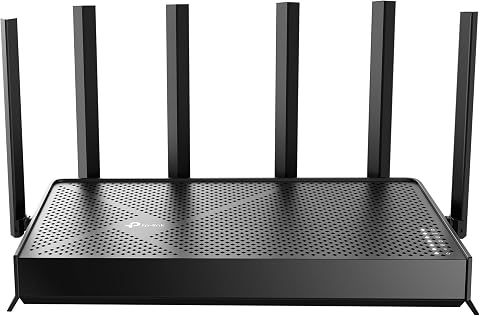 TP-Link Tri-Band WiFi 7 Router (Archer BE600) with 10G Port and HomeShield Se…View on Amazon →
 - 4
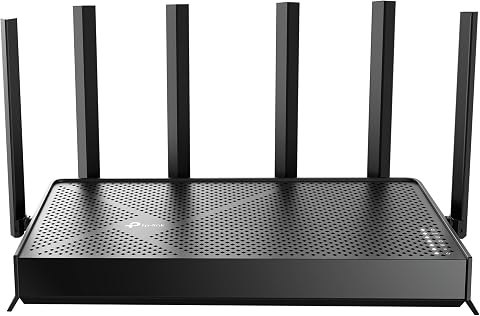 TP-Link BE6500 Dual-Band WiFi 7 Router (BE400)View on Amazon →
 - 5
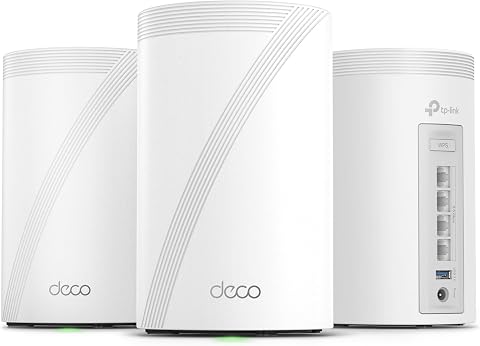 TP-Link Deco 7 Pro BE63 Tri-Band WiFi 7 Mesh System (3-Pack)View on Amazon →
 - 6
 NETGEAR Nighthawk Dual-Band WiFi 7 Router (RS140)View on Amazon →
 - 7
 TP-Link Tri-Band WiFi 7 Router (Archer BE550) with 6 Streams and 2.5G PortsView on Amazon →
 - 8
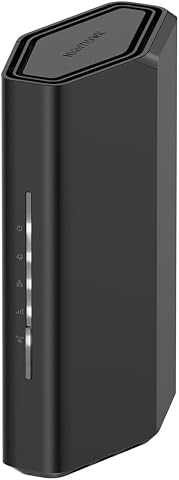 NETGEAR Nighthawk Dual-Band WiFi 7 Router (RS90)View on Amazon →
 - 9
 TP-Link Dual-Band Wi-Fi 7 Router Archer BE3600, 4-Stream, 2.5G Ports, USB 3.0…View on Amazon →
Why AI-Enhanced Wi-Fi Routers Matter in 2024
The introduction of AI-infused Wi-Fi 7 routers signifies a major shift in home networking, offering smarter, more adaptive, and higher-capacity connections. For consumers, this means potentially more reliable streaming, gaming, and smart home device management, especially in congested environments. For the industry, it marks a move toward more intelligent network hardware that can self-optimize, reducing the need for manual configuration and troubleshooting.
As homes become increasingly connected with multiple devices, the ability of routers to automatically manage traffic and optimize performance becomes critical. These new models aim to address common issues like congestion, dead zones, and device incompatibility, making home networks more resilient and easier to manage. However, the full benefits will depend on device compatibility and user adoption of Wi-Fi 7 capable hardware.
Products Worth Considering

Samsung 27-inch Odyssey OLED G6 QD-OLED QHD Gaming Monitor

Sonos Era 100 Wireless Smart Speaker, Black

Jackery Solar Generator 1000 V2 with 200W Solar Panel
As an affiliate, we earn on qualifying purchases.
Evolution of Home Wi-Fi and the Role of AI
Wi-Fi technology has evolved significantly over the past decade, culminating in the current rollout of Wi-Fi 7, which promises faster speeds, lower latency, and improved capacity. Previous generations focused on increasing raw speed, but Wi-Fi 7 introduces features like 6GHz band support and multi-gig ports, alongside AI-driven network management.
Manufacturers have been gradually integrating AI into consumer networking hardware to simplify setup, enhance security, and optimize traffic. The recent announcement of nine Wi-Fi 7 routers with AI features reflects this trend, aiming to meet the demands of modern, device-rich households. This development follows years of industry research into smarter, self-healing networks that adapt to user needs and environmental factors.
While the technology is promising, widespread adoption depends on consumer awareness, device compatibility, and the pace of infrastructure upgrades. The current lineup signals a significant step toward more intelligent home networks.
“While the new models promise advanced features, real-world benefits will depend heavily on device compatibility and user setup.”
— Jane Doe, Networking Expert
Unanswered Questions About AI Capabilities and Compatibility
It is still unclear how effectively the AI features will perform across diverse home environments and device ecosystems. The extent to which these routers will automatically optimize network traffic without user intervention remains to be tested in real-world scenarios. Additionally, the compatibility of existing devices with Wi-Fi 7 and AI-driven management features is uncertain, which could impact user experience.
Next Steps for Consumers and Industry Stakeholders
Manufacturers will begin shipping these AI-enabled Wi-Fi 7 routers, with availability expected to increase over the coming months. Consumers should watch for firmware updates and software enhancements that unlock full AI capabilities. Industry experts anticipate further integration of AI into networking hardware, potentially leading to more autonomous and self-healing home networks. Monitoring device compatibility and real-world performance will be crucial for assessing the true impact of these innovations.
Key Questions
What makes these Wi-Fi routers different from previous models?
They incorporate Wi-Fi 7 technology and AI features that enable smarter traffic management, automatic optimization, and higher capacity, improving overall network performance.
Will my existing devices work with these new routers?
Most existing devices will work, but to fully benefit from Wi-Fi 7 and AI features, compatible devices need to support Wi-Fi 7 standards. Compatibility varies by device and will improve over time.
Are AI features guaranteed to improve my home network?
While AI aims to optimize traffic and reduce congestion, actual performance improvements depend on home environment, device ecosystem, and proper setup. Results may vary.
When will these routers be available for purchase?
Manufacturers have announced early 2024 as the rollout period, with availability expected to expand across regions and retailers over the coming months.
Should I upgrade now or wait for more AI-enabled models?
If you need faster, more reliable Wi-Fi and your devices support Wi-Fi 7, upgrading now could provide immediate benefits. Waiting may offer more mature AI features and broader compatibility in future models.
Source: ThorstenMeyerAI.com