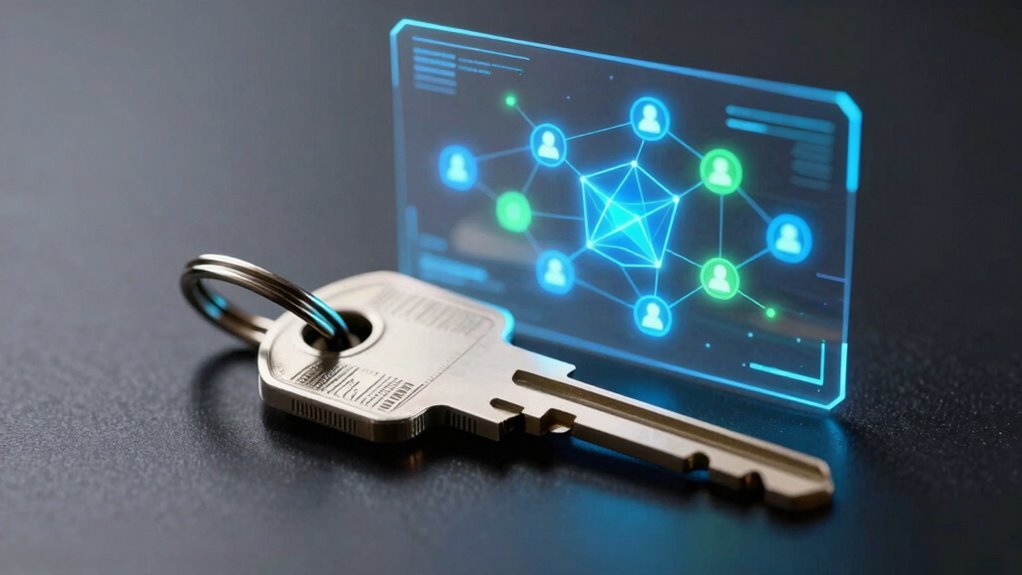

Ownership is at the heart of Web3 because it puts you in control of your digital identity, assets, and data. Instead of relying on centralized platforms, you hold your information securely on blockchain, giving you full autonomy. This shift empowers you to manage, buy, or sell digital assets directly, ensuring transparency and security. If you keep exploring, you’ll discover how this core idea transforms your digital experience into one of real personal authority and independence.

Get hardware and tech essentials delivered free with Prime
- Fast, free delivery on millions of items
- Prime Video, Amazon Music and more included
- Member-only deals all year
Key Takeaways
- Web3 emphasizes individual control over digital assets, shifting ownership from centralized institutions to users.
- Decentralized identity management ensures users hold and control their personal data securely.
- Blockchain provides a transparent, immutable foundation that guarantees verifiable ownership rights.
- Direct ownership of digital assets enables secure transactions without intermediaries or risk of revocation.
- Ownership in Web3 transforms users from passive consumers into active, autonomous participants in the digital economy.
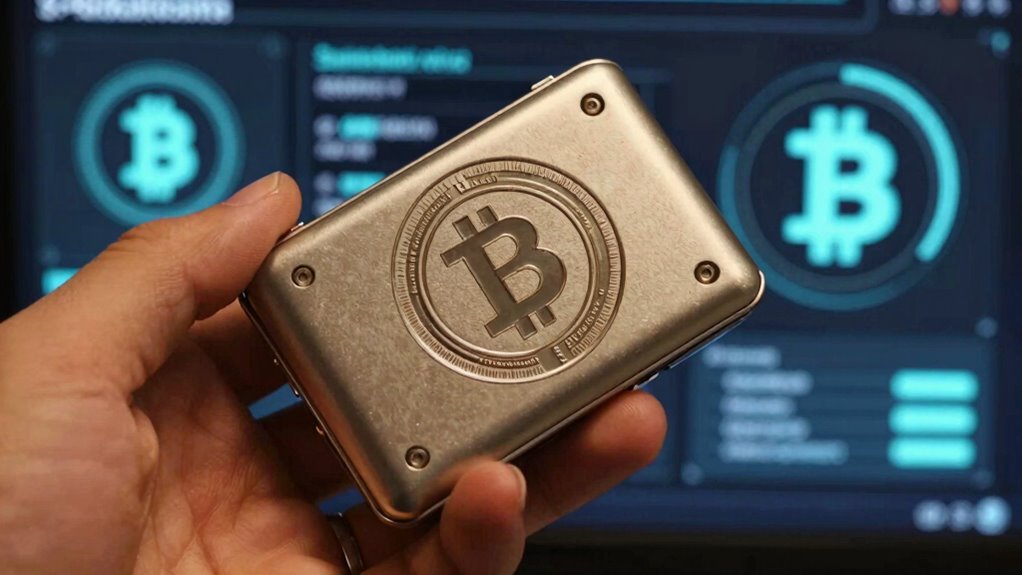
Have you ever wondered what ownership will look like in the world of Web3? In this new digital landscape, ownership isn’t just about holding files or assets on a central server. Instead, it shifts towards a concept called digital sovereignty — where you control your data, assets, and online identity without relying on third parties. This shift is a fundamental part of Web3’s promise, emphasizing that you should have full control and autonomy over your digital life. With digital sovereignty, you become the master of your online presence, guaranteeing your information isn’t owned or manipulated by large corporations or centralized platforms. It’s about reclaiming authority over your digital footprint.
Decentralized identity plays an essential role in this framework. Instead of depending on a single platform’s credentials, you can manage your identity through blockchain-based systems. This means you hold your identity data securely, and you decide when and how to share it. No more forgotten passwords or data breaches at a central authority — your identity becomes portable, persistent, and under your control. This form of decentralized identity aligns perfectly with the core idea of ownership in Web3 because it puts you in the driver’s seat. You’re not just a user; you’re the owner of your digital identity, with the power to verify yourself across platforms without giving up control or exposing yourself to unnecessary risks. Digital sovereignty is a key enabler of this shift, reinforcing the importance of personal authority in a decentralized environment. Additionally, blockchain technology provides a secure foundation for these identity solutions by ensuring transparency and immutability.
Furthermore, the decentralized nature of blockchain technology ensures that no single entity can manipulate or control your digital assets, reinforcing the concept of true ownership. Web3’s emphasis on ownership also transforms how assets and resources are exchanged. Instead of relying on intermediaries, you can directly own, buy, sell, or trade digital assets through blockchain technology. This creates a transparent, secure environment where ownership is immutable and easily verified. You’re no longer at the mercy of centralized institutions that can freeze assets or revoke access. Instead, you hold true ownership rights, and these rights are embedded into the blockchain itself. This shift empowers you to participate in a decentralized economy, where control is distributed rather than concentrated. The security and transparency provided by blockchain are crucial in establishing trust and confidence in digital transactions.
Ultimately, the core idea behind Web3 is that ownership becomes a fundamental right, not a privilege granted by powerful institutions. It’s about building a digital world where you have sovereignty over your data, identity, and assets. This new paradigm guarantees you’re not just a passive participant but an active owner with full control. With digital sovereignty and decentralized identity at the heart of Web3, you’re stepping into a future where your digital life is truly yours—free, secure, and entirely under your control. As the ownership concept gains prominence, it underscores the importance of personal authority in a decentralized digital environment.
hardware wallet for cryptocurrency
As an affiliate, we earn on qualifying purchases.
As an affiliate, we earn on qualifying purchases.
Frequently Asked Questions
How Does Ownership Differ Between Web2 and Web3?
In Web2, your digital identity and assets are controlled by centralized platforms, limiting your ownership rights. In Web3, you directly own your digital identity and assets through blockchain technology, enabling seamless asset transfer and true ownership. You have full control, and transactions are transparent and secure. This shift empowers you to manage your digital world independently, fostering trust and decentralization in online interactions.
Can Ownership in Web3 Be Legally Protected Globally?
You wonder if ownership in Web3 is legally protected worldwide. The answer is complex—intellectual property rights can be recognized across borders, but enforcement varies by country. Blockchain ownership can demonstrate proof of possession, yet cross-border enforcement remains challenging. While Web3’s decentralized nature offers some security, legally safeguarding your digital assets globally requires maneuvering through diverse legal systems and international agreements, leaving room for uncertainty and surprises.
What Are the Security Risks of Digital Ownership in Web3?
You face security risks like smart contract vulnerabilities, which hackers can exploit to steal digital assets, and decentralization challenges that make it harder to enforce protections or recover assets if something goes wrong. Without centralized control, security relies heavily on the code’s integrity and community oversight. It’s essential to stay informed about potential flaws and use secure, audited contracts to protect your digital ownership in Web3.
How Does Ownership Impact User Privacy in Web3 Platforms?
Ownership in Web3 enhances your privacy by giving you greater control over your data. With user autonomy and data sovereignty, you decide what information to share and with whom, reducing reliance on centralized platforms that often monetize your data. This shift empowers you to protect your privacy actively, ensuring your personal information stays in your control, fostering trust, and creating a more secure online environment where your rights are prioritized.
Are There Any Downsides to Digital Ownership in Web3?
Digital ownership in Web3 offers great benefits but also presents ownership challenges. You might face issues like losing access if private keys are compromised or mismanaged, risking your digital rights. Additionally, the decentralized nature can complicate dispute resolution or rights enforcement. While ownership empowers you, it also requires you to stay vigilant and responsible, understanding that your digital rights depend on secure management of your assets and identity.
decentralized identity management device
As an affiliate, we earn on qualifying purchases.
As an affiliate, we earn on qualifying purchases.
Conclusion
You see, in Web3, ownership transforms your digital experience from passive consumption to active control. Just like holding a key open a door, owning your data and assets gives you power and privacy. While traditional platforms keep you as a guest, Web3 makes you the host. It’s a shift from fleeting access to lasting ownership, turning the internet into a place where you truly belong—not just visit. That’s the real revolution.
As an affiliate, we earn on qualifying purchases.
As an affiliate, we earn on qualifying purchases.
Halloween Picks
halloween
As an affiliate, we earn on qualifying purchases.