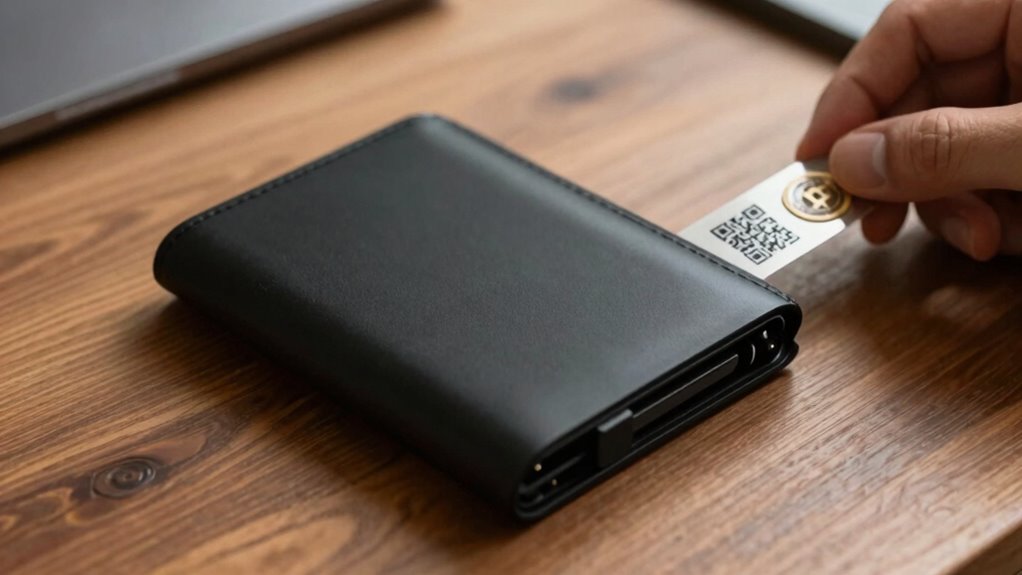

To make your hardware wallet stronger, you should regularly update its firmware and verify its physical integrity. Keeping firmware current patches vulnerabilities and boosts security, while inspecting the device for signs of tampering ensures it hasn’t been compromised. Proper handling and secure storage of your seed phrase are also vital. Prioritizing these habits creates a resilient defense against threats. If you want to discover more effective ways to protect your assets, keep exploring essential security practices.

Get hardware and tech essentials delivered free with Prime
- Fast, free delivery on millions of items
- Prime Video, Amazon Music and more included
- Member-only deals all year
Key Takeaways
- Regularly update your hardware wallet’s firmware to patch security vulnerabilities.
- Store recovery seed offline and in a secure, private location.
- Handle hardware wallets carefully, avoiding unnecessary exposure or physical damage.
- Verify the authenticity of devices from reputable sources before use.
- Maintain awareness of emerging threats and adapt your security practices accordingly.
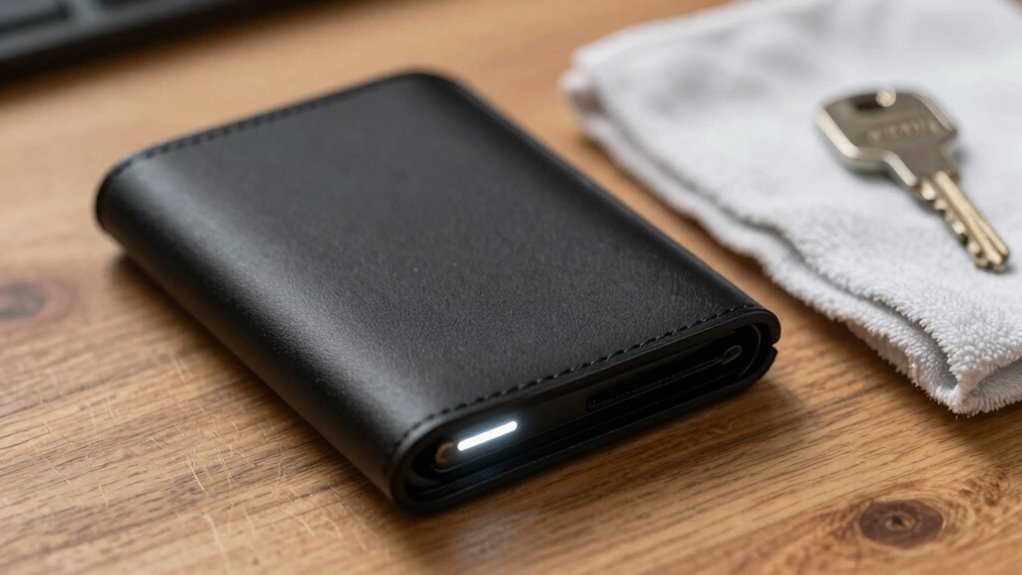
Are you confident your hardware wallet is secure? If you want to keep your cryptocurrency safe, developing a strong security habit is essential. One of the most effective ways to do this is by maintaining good cryptocurrency hygiene. This means always handling your hardware wallet carefully, avoiding unnecessary exposure, and keeping your recovery seed private. Never share your seed phrase with anyone, and store it securely offline, away from potential hackers or physical damage. Regularly check your device for signs of tampering, and make sure you’re using authentic hardware from reputable sources. Small habits like these create a robust foundation for your crypto security. Staying informed about the latest technology news and updates can help you better understand emerging threats and best practices.
Another critical aspect of a security habit is sharpening your phishing awareness. Phishing attacks are designed to trick you into revealing sensitive information, often through deceptive emails or malicious websites that mimic legitimate services. If you’re not vigilant, you could accidentally give away your seed phrase or private keys, putting your holdings at risk. Always verify the authenticity of any communication before clicking links or entering details. Never input your seed or private keys on suspicious or untrusted websites, and be wary of unsolicited requests for information. Building this habit helps you catch potential scams before they can cause damage. Being aware of common scam techniques and how to identify them is vital for maintaining your security. Additionally, understanding how to recognize fake websites can prevent you from falling victim to impersonation attacks. Using security tools such as browser extensions or anti-phishing software can further enhance your defenses.
Stay vigilant against phishing—always verify sources and never share your seed or private keys.
Integrating these practices into your routine can seem simple, but they require ongoing commitment. For example, always double-check the website URL before entering any login information, and ensure you’re on a secure, encrypted connection. Use hardware wallets that support multi-factor authentication if available, adding an extra layer of security. Keep your device firmware updated to patch vulnerabilities, and consider using a dedicated device strictly for crypto transactions. This reduces the chances of malware or hacking attempts compromising your wallet. Additionally, regularly reviewing your security settings and transaction history can help detect any suspicious activity early. These small but consistent actions reinforce your overall security posture.
Ultimately, the key to strengthening your hardware wallet’s security lies in cultivating good habits. Cryptocurrency hygiene and phishing awareness aren’t one-time efforts—they’re continuous practices that protect your assets daily. By staying vigilant, practicing secure handling, and being cautious of scams, you significantly reduce your risk of theft or loss. Consistency is your best ally; the more you incorporate these habits into your routine, the more resilient your hardware wallet becomes. Remember, security isn’t just about the device itself but about your proactive behavior. When you treat your crypto holdings with care and awareness, you build a fortress that’s much harder for malicious actors to breach.
hardware wallet firmware update kit
As an affiliate, we earn on qualifying purchases.
As an affiliate, we earn on qualifying purchases.
Frequently Asked Questions
Can Hardware Wallets Be Hacked Remotely?
Hardware wallets can’t be hacked remotely if you follow good security habits. However, you should stay vigilant against remote hacking threats like phishing attacks, which try to trick you into revealing your seed phrase or private keys. Always verify links, avoid sharing sensitive info, and keep your firmware updated. By staying cautious, you considerably reduce the risk of remote hacking and protect your crypto assets effectively.
What Should I Do if I Lose My Recovery Seed?
If you lose your recovery seed, your digital treasure map is lost, and your assets could be unreachable. Act quickly by reviewing your backup strategies—did you store it securely offline? Contact your wallet’s support for guidance, but remember, recovery seed management is your first line of defense. To prevent future mishaps, always keep multiple, encrypted backups in separate safe locations, turning your seed into a fortress rather than a vulnerability.
Are Hardware Wallets Vulnerable to Physical Theft?
Yes, hardware wallets can be vulnerable to physical theft, but you can minimize risks with theft prevention measures. Be aware of potential physical tampering during storage or transport. Use secure, concealed locations, and consider physical tampering detection features if available. Always stay vigilant, avoid sharing your recovery seed, and keep your device in a safe place to deter theft. These habits help guarantee your hardware wallet remains protected against physical threats.
How Often Should I Update My Wallet Firmware?
You should update your wallet firmware as soon as updates are available. For example, imagine a hacker exploits a vulnerability in outdated firmware; updating promptly patches security flaws and safeguards your assets. Regular firmware updates ensure your device gets essential security patches, reducing risk. Make it a habit to check for updates monthly or enable automatic updates if available, so your hardware wallet stays protected against evolving threats.
Is Multi-Signature Setup More Secure Than a Single Wallet?
Multi-signature setups offer enhanced security compared to a single wallet. By requiring multiple signatures for transactions, you reduce the risk of theft or hacking, since an attacker would need access to several private keys. This layered approach makes it considerably harder for malicious actors to compromise your funds. Implementing multi-signature not only strengthens your overall security but also provides peace of mind, knowing your assets are protected by multiple authentication layers.
hardware wallet tamper-evident seal
As an affiliate, we earn on qualifying purchases.
As an affiliate, we earn on qualifying purchases.
Conclusion
Remember, the biggest security habit is simply being cautious—yet it’s funny how often we forget that the easiest step is also the most effective. Keep your hardware wallet offline, double-check addresses, and never share your seed phrase. Ironically, in a world obsessed with high-tech solutions, sometimes the simplest habits make your wallet the strongest. So, stay vigilant, because neglecting these small steps might just be the biggest security flaw you overlook.
offline seed phrase storage safe
As an affiliate, we earn on qualifying purchases.
As an affiliate, we earn on qualifying purchases.
As an affiliate, we earn on qualifying purchases.
Halloween Picks
halloween
As an affiliate, we earn on qualifying purchases.