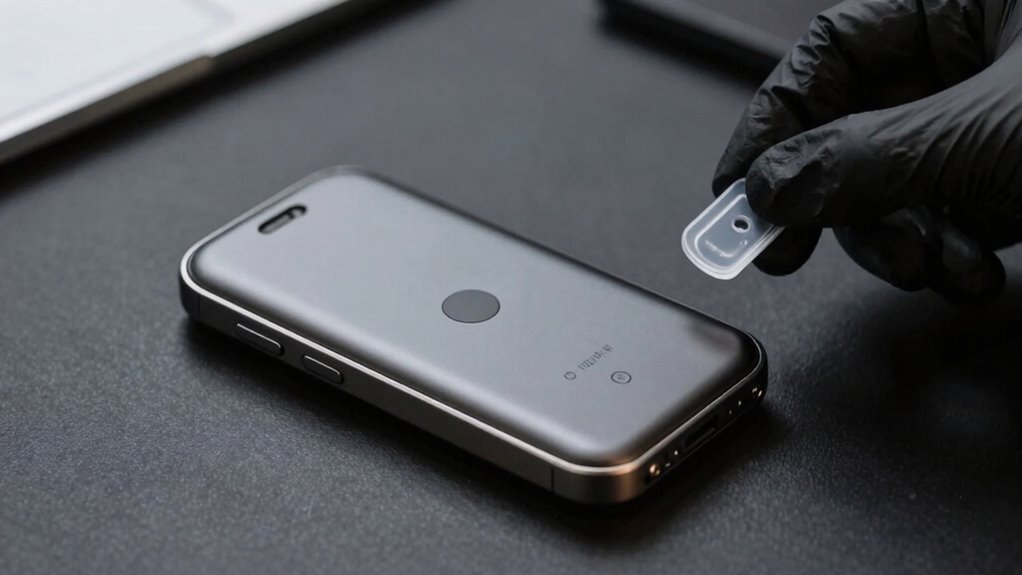

Before trusting any hardware wallet, you should verify its origin, make sure it’s from a reputable manufacturer with a strong reputation, and check for genuine packaging with tampering signs. Confirm the firmware is up-to-date from official sources and supports trusted software. Look for recognized security certifications and listen to community and expert opinions. Be cautious of low prices and suspicious sellers. If you want to learn more about these security signals, keep going.
Key Takeaways
- Verify the device’s manufacturing origin and brand reputation for adherence to strict quality and security standards.
- Check for tampering indicators on packaging, such as broken seals or security stickers.
- Ensure firmware is official, up-to-date, and digitally verified through trusted sources.
- Confirm the device displays recognized security certifications like Common Criteria or FIDO.
- Purchase only from trusted, authorized sellers to avoid counterfeit or compromised hardware wallets.
Where Is the Hardware Wallet Made? Check the Manufacturer’s Reputation
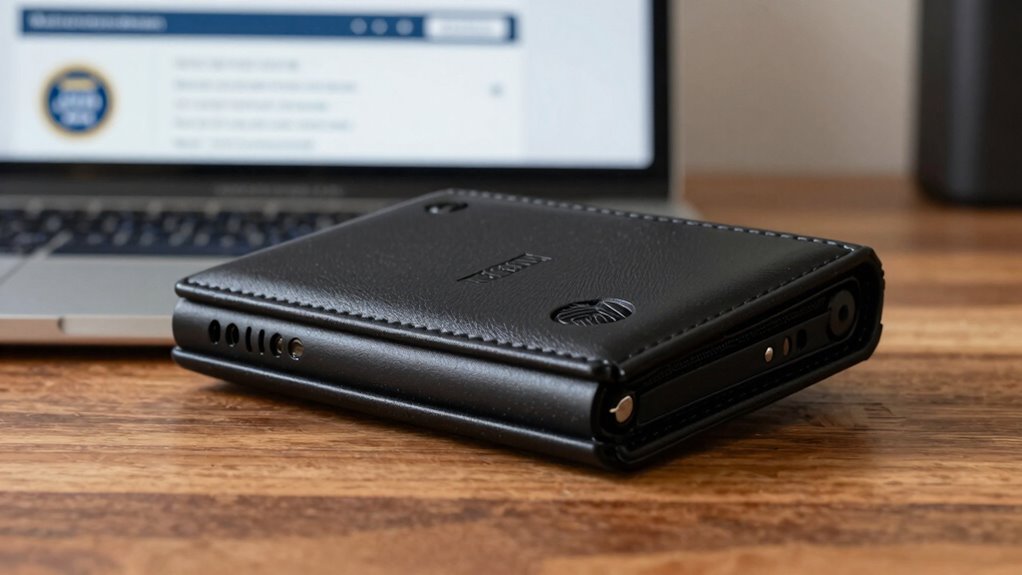
When choosing a hardware wallet, it’s essential to take into account where it’s made and the manufacturer’s reputation. Manufacturing origins can reveal a lot about the device’s quality and security standards. Devices made in countries with strict manufacturing regulations often undergo better quality control, reducing the risk of vulnerabilities. Equally important is the brand reputation; established companies with a solid track record tend to prioritize security and transparency. Do your research on the manufacturer’s history, customer reviews, and industry standing. A reputable brand invests in secure design processes and regularly updates its firmware to address potential threats. Knowing the manufacturing origins and selecting a trusted brand helps guarantee your assets stay safe and reduces the chance of counterfeit or compromised devices. Additionally, understanding the manufacturing standards can provide further assurance of the hardware wallet’s security and reliability. Implementing rigorous quality assurance protocols during production further enhances confidence in the device’s integrity.
Look for Genuine Packaging and Signs of Tampering
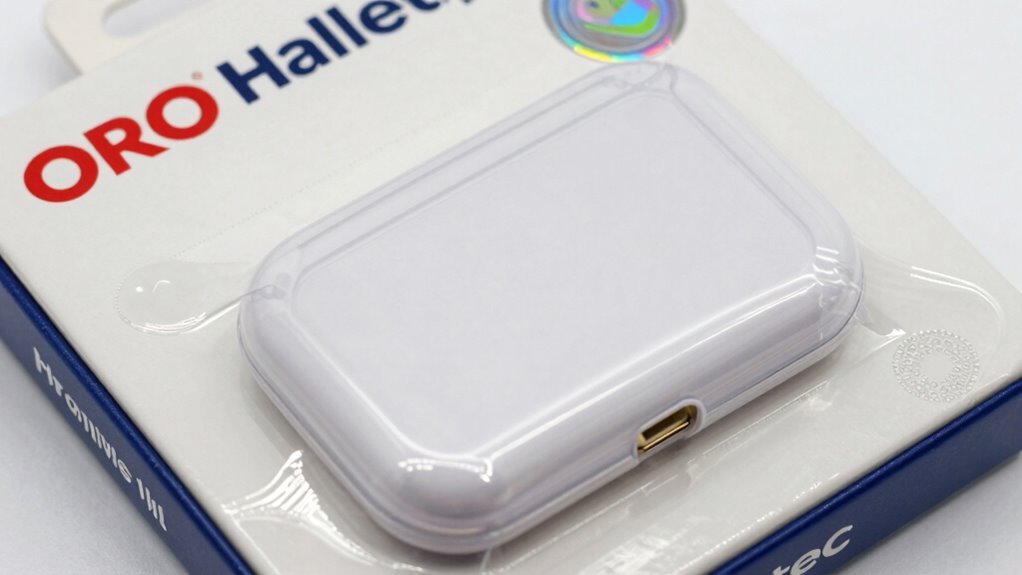
Inspecting the packaging of your hardware wallet is a crucial step in ensuring its authenticity and security. Look closely at the packaging authenticity by checking for clear, professional printing and consistent branding. Genuine packaging typically features high-quality materials without spelling errors or misspelled labels. Be alert for tampering signs such as broken seals, resealed packaging, or missing security stickers. Any irregularities could indicate the device was compromised or handled improperly. Authentic packaging should be intact and sealed properly from the manufacturer. If anything looks suspicious or if the packaging appears tampered with, avoid using the device until you verify its origin. Ensuring genuine packaging and spotting tampering signs can greatly reduce the risk of buying a counterfeit or compromised hardware wallet. Additionally, understanding affiliate disclosure policies can help you recognize trustworthy sources when purchasing online. Always verify the security features of the packaging, as they are designed to prevent unauthorized access or tampering. Recognizing these security signals is essential for maintaining the integrity of your hardware wallet. Regularly checking for tampering indicators and remaining cautious about packaging integrity can help protect your digital assets from potential threats. Being aware of packaging quality and how it correlates with product authenticity can further aid in this process.
Is the Firmware Up-to-Date and Secure? How to Verify

You need to verify that your firmware is current and secure to protect your assets. Check the firmware version against the official source, and guarantee it’s up-to-date. Regularly updating your firmware is essential for maintaining security. Ensuring your hardware is compatible with the latest performance upgrades can also enhance overall safety and efficiency.
Check Firmware Version
Ensuring your hardware wallet’s firmware is current is vital for maintaining security. Outdated firmware can harbor vulnerabilities that hackers exploit, making it crucial to verify you’re running the latest version. Check for signs of firmware vulnerabilities or counterfeit packaging that might indicate tampering.
Look for:
- The official website or app to confirm your firmware version
- Authentic packaging with security seals
- Digital signatures or hashes verifying firmware integrity
- Regular updates from the manufacturer
If your firmware isn’t up-to-date, update immediately through official channels. This reduces risks associated with firmware vulnerabilities and ensures your device isn’t compromised by counterfeit parts or malicious code. Staying vigilant about firmware versions keeps your assets safe from evolving security threats.
Confirm Official Sources
How can you be certain your hardware wallet’s firmware is genuine and current? First, always verify you’re downloading firmware updates directly from the official website or trusted sources. This guarantees the firmware’s integrity and security, protecting against malicious modifications. Check the firmware version against the latest release listed by the manufacturer. A secure firmware also enhances hardware durability, preventing potential damage from outdated software. Additionally, a clear user interface makes it easier to spot irregularities during updates or verification. Here’s a quick guide:
| Step | Action | Tip |
|---|---|---|
| Confirm source | Download only from official sites | Avoid third-party links |
| Check firmware version | Match with official release notes | Ensure it’s the latest |
| Review firmware integrity | Use provided verification tools or hashes | Prevent tampering |
| Assess user interface | Verify update prompts and menus are clear and official | Spot suspicious activity |
To further ensure security, always confirm official sources are used for downloads and updates.
Update Regularly
Staying ahead of potential security threats requires regularly updating your hardware wallet’s firmware. This guarantees your device stays compatible with the latest security protocols and patches vulnerabilities. To verify if your firmware is current, check the device’s settings or official app. Look for notifications about updates, and always download them from trusted sources.
Keep these in mind:
- Confirm firmware updates are from official channels to avoid counterfeit files
- Assure your device remains compatible with the latest hardware standards
- Contact customer support if updates aren’t available or if you encounter issues
- Regular updates help maintain security and functionality, preventing exploits
Does the Wallet Support Official Software and Apps? How to Confirm

To confirm if a hardware wallet supports official software and apps, you should start by visiting the manufacturer’s website and checking their list of compatible platforms. This guarantees you’re using trusted, up-to-date tools that support wallet customization and reliable customer support. Be cautious of unofficial sources, as they could compromise security. Verify the app’s legitimacy by verifying digital signatures or official links. Additionally, reviewing the affiliate disclosure can provide insight into the transparency and credibility of the source.
What Security Certifications Does the Wallet Have? Why They Matter
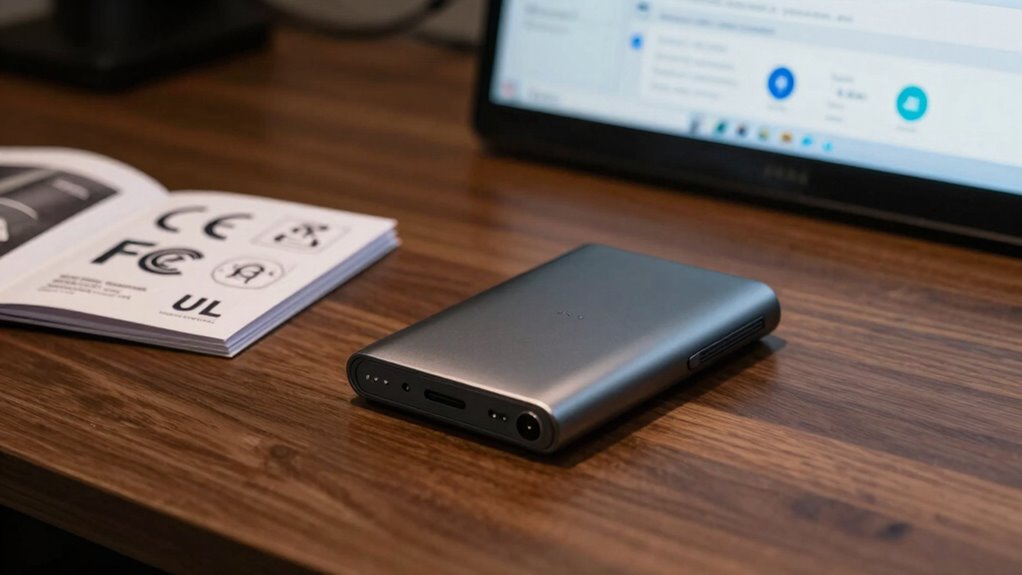
After confirming your hardware wallet supports official software and apps, it’s important to look into its security certifications. These certifications validate that the wallet adheres to established security protocols and meets strict certification standards. They serve as proof of the device’s reliability and resistance to attacks.
Imagine a wallet that’s undergone rigorous testing, with badges from recognized agencies, ensuring data encryption, tamper resistance, and secure key storage. Certifications like Common Criteria, FIDO, or ISO standards indicate the wallet’s compliance with global security benchmarks. When a wallet has these certifications, it reassures you that it’s been independently verified for safety and security, reducing risks of vulnerabilities or breaches. Always check for recognized certifications before trusting any hardware wallet with your assets. Additionally, requirements traceability can help you understand the specific criteria these certifications cover and their importance in safeguarding your digital assets.
What Do the Community and Experts Say About This Wallet?
You’ll want to see what experts and the community say about this wallet before making a decision. Their endorsements, trust levels, and warnings can give you a clearer picture of its real-world security. Paying attention to these opinions helps you choose a wallet that’s both reliable and well-regarded. Additionally, understanding the family dynamics behind community reviews can provide insight into how trust is built and maintained around such technology. Recognizing the essential oils for security used in community feedback can help you better evaluate the authenticity of the assessments you encounter. Being aware of user trust signals can further assist in gauging the overall credibility of the reviews. Observing how the community discusses indoor plant care practices can also shed light on the reliability of shared information in digital spaces. Knowing how community sentiment evolves over time can help you identify genuine feedback from biased or manipulated reviews.
Expert Opinions and Endorsements
Community members and industry experts often highlight the robust security features of this hardware wallet, praising its resilience against hacking attempts and physical theft. Expert reviews consistently applaud its secure chip technology and rigorous safety protocols. Industry endorsements come from reputable cybersecurity firms and crypto authorities, emphasizing its trusted design. Visualize:
- A sleek device with tamper-proof casing
- Encrypted hardware components safeguarding your keys
- Certified secure elements tested by third-party auditors
- Endorsed by leading blockchain security experts
These credible voices affirm that this wallet meets high security standards, making it a reliable choice for safeguarding assets. Their positive assessments reinforce your trust, showing it’s built with top-tier security features that stand up to scrutiny.
Community Trust Levels
Many users and industry insiders express strong confidence in this hardware wallet’s security, often citing its proven track record and positive reviews within the crypto community. Community engagement plays a crucial role in shaping trust levels, as active discussions and transparent communication foster credibility. Trust-building strategies, like open-source firmware and regular updates, further boost confidence among users. When the community shares positive experiences and addresses concerns openly, it strengthens collective trust. You can gauge the wallet’s reputation by observing how responsive the developers are to user feedback and how well they maintain transparency. Ultimately, high community trust levels indicate that the wallet has established itself as a reliable, secure choice, making it easier for you to feel confident in your decision.
Peer Recommendations and Warnings
Peer recommendations and warnings provide valuable insights into a hardware wallet’s real-world performance. User reviews reveal how well the device holds up over time, highlighting issues like software glitches or durability concerns. Experts often discuss brand reputation, giving you an idea of the company’s commitment to security and transparency. To visualize community feedback, consider these signals:
- Consistent praise or complaints in user reviews
- Warnings about counterfeit or fake versions circulating
- Reputable sources questioning the wallet’s security features
- Community-led discussions on failed updates or vulnerabilities
- Community feedback reliability can also influence the perceived credibility of reviews and recommendations, so it’s important to understand potential biases. Additionally, paying attention to security signals within community discussions can help identify potential vulnerabilities or red flags early on. Recognizing patterns in user experiences can further help you assess the overall trustworthiness of the wallet.
Watch Out for Low Prices and Suspicious Sellers
Be cautious when you come across hardware wallets being sold at considerably lower prices than usual, as this often signals potential risks. Low prices can be a sign of pricing scams designed to lure unsuspecting buyers. Suspicious sellers may lack authenticity, making it difficult to verify their legitimacy. These deals might seem attractive, but they often hide counterfeit or compromised devices that could jeopardize your crypto security. Always check the seller’s credibility, reviews, and reputation before making a purchase. Avoid deals that seem too good to be true, especially from unknown sources. Protect yourself by purchasing only from trusted, reputable sellers or official channels. Remember, saving a few dollars isn’t worth risking the security of your assets.
Frequently Asked Questions
Can Hardware Wallets Be Hacked Remotely?
Hardware wallets are generally secure, but they can be hacked remotely if you don’t follow proper security measures. Hackers might exploit vulnerabilities through phishing attacks or malware, bypassing user authentication. Physical tampering is also a risk if someone gains physical access to your device. Always verify the device’s integrity, keep firmware updated, and never share your recovery seed to prevent remote hacking and physical tampering risks.
Are There Known Vulnerabilities in Specific Wallet Models?
Some wallet models have vulnerabilities so significant they could potentially compromise your entire crypto stash. Flaws in wallet design and weak user authentication can be exploited by hackers, making it essential to choose reputable brands. Always research specific models for known issues, and prioritize wallets with robust security features. Your crypto assets depend on solid security, so don’t overlook vulnerabilities that could leave you exposed to theft.
How Often Do Hardware Wallet Firmware Updates Occur?
Firmware updates for hardware wallets typically occur several times a year, often in response to security vulnerabilities or hardware encryption improvements. You should regularly check for updates to guarantee firmware reliability and security. Frequent updates help patch potential vulnerabilities, keeping your wallet protected. Staying current with firmware releases also enhances hardware encryption, making it more difficult for hackers to compromise your funds. Always install updates promptly to maintain peak security.
What Are Common Signs of a Counterfeit Hardware Wallet?
Nearly 60% of counterfeit hardware wallets have fake packaging, making it easy to spot fakes. Look for signs like tampered chips or inconsistent logos, which indicate the device might be counterfeit. Fake packaging often hides inconsistencies, while tampered chips suggest the hardware has been altered. Trust your instincts—if something feels off during unboxing or setup, it’s best to avoid using that wallet and seek a verified source.
Is Multi-Signature Support Standard in Most Hardware Wallets?
Multi-signature support isn’t standard in most hardware wallets, but it’s a valuable security feature to take into account. It requires multiple approvals before executing transactions, adding an extra layer of protection. When choosing a hardware wallet, look for multi-signature capabilities alongside other security features like PIN protection and secure element chips. These features collectively enhance your crypto security, making it harder for hackers to compromise your assets.
Conclusion
Did you know that over 70% of security breaches involve hardware wallet vulnerabilities? By checking the manufacturer’s reputation, verifying firmware updates, and scrutinizing packaging, you greatly reduce your risk. Trust isn’t just about price or brand—it’s about thorough research. Keep these seven signals in mind before making your move. Your crypto assets deserve the best protection, so stay vigilant and make informed decisions to keep your investments safe and secure.