
Many MetaMask users are finally moving their assets to cold storage to boost security and reduce online risks like hacking and phishing. Cold storage keeps private keys offline, making it much harder for hackers to access your funds. While hot wallets are convenient, they are more vulnerable. By switching to cold storage, you protect your investments during market volatility. If you want to discover how to do it safely and maximize your security, keep exploring.
Key Takeaways
- Rising security concerns and theft risks motivate MetaMask users to adopt more secure cold storage methods.
- Cold storage offline security significantly reduces exposure to hacking and phishing attacks.
- Users seek long-term asset protection, favoring offline hardware or paper wallets over hot wallets.
- The convenience of quick transactions with hot wallets is balanced by increased vulnerability, prompting a shift.
- Growing awareness of security best practices encourages MetaMask users to diversify storage with cold options.
What Is Cold Storage and Why Is It Important for MetaMask Users?
Cold storage refers to keeping your cryptocurrency holdings offline, away from internet-connected devices. This method enhances cryptocurrency security by protecting your digital assets from hacking, malware, and phishing attacks. As a MetaMask user, you’re likely aware of the risks associated with online wallets, where digital asset management can be vulnerable. Cold storage provides a secure solution, especially for long-term holdings or large amounts of crypto. By storing your private keys offline—using hardware wallets or paper wallets—you prevent unauthorized access. This approach minimizes potential theft and loss, giving you peace of mind. Cold storage is a crucial element of an all-encompassing security strategy, ensuring your crypto investments stay protected against digital threats. In short, it’s an essential safeguard for responsible crypto management.
How Do Hot Wallets Differ From Cold Storage?
Hot wallets are designed for quick and easy access to your cryptocurrencies, making them ideal for daily transactions and active trading. They connect directly to the internet, enabling seamless NFT integration and swift trading on decentralized exchanges. However, this convenience comes with increased security risks. Additionally, many hot wallets support features like portability, allowing users to set up in various locations with ease. Here are key differences:
Hot wallets offer quick access for daily trading and seamless NFT transactions but come with higher security risks.
- Accessibility: Hot wallets offer instant access, perfect for frequent trades or NFT purchases.
- Security: They are more vulnerable to hacks because private keys are stored online.
- Use Cases: Best suited for active traders and users engaging with decentralized platforms, while cold storage provides long-term security for larger holdings. Moreover, the trend toward outdoor backyard enhancements emphasizes the importance of secure storage methods for digital assets.
- Ongoing developments in cryptocurrency security highlight the evolving landscape of wallet options and safety practices.
Why More MetaMask Users Are Moving Assets to Cold Storage
As concerns about security and theft grow, more MetaMask users are shifting their assets to cold storage solutions. This move enhances cryptocurrency security by reducing exposure to online threats. Cold storage keeps your digital assets offline, offering a safer way to manage valuable tokens long-term. Many users recognize that cold storage minimizes hacking risks, making it ideal for safeguarding large holdings. Additionally, understanding the importance of security protocols can help users better protect their investments from evolving cyber threats. Properly implementing security measures ensures a comprehensive approach to safeguarding digital assets. For instance, using offline storage methods can further reduce vulnerabilities associated with online access. Recognizing the importance of secure storage can motivate users to adopt more robust security practices. Here’s a quick comparison:
| Storage Type | Accessibility | Security Level |
|---|---|---|
| Hot Wallets | Easy, quick transactions | Moderate |
| Cold Storage | Less accessible, offline | Very high |
| Hardware Wallets | Portable, offline | Very high |
| Paper Wallets | Manual access, offline | High |
| Air-gapped Devices | Completely offline | Maximum |
This shift underscores the importance of prioritizing digital asset management and cryptocurrency security. Increasingly, users are appreciating the security benefits of offline storage options to protect their investments.
How to Transfer Your MetaMask Assets to Cold Storage Safely

Transferring your MetaMask assets to cold storage involves a careful process to guarantee your funds remain secure throughout. First, choose a reliable hardware wallet by comparing options based on NFT security features and user reviews. Next, connect your hardware wallet to your computer and open the official wallet app. Then, follow these steps:
- Generate a new wallet address on your hardware device.
- Verify the address on the device to prevent phishing.
- Use MetaMask to send your assets directly to this secure address.
- Regularly update your security practices to stay protected from emerging threats.
- Ensure you understand the importance of offline storage to protect your assets from online vulnerabilities. Incorporating hardware wallets can significantly enhance your overall asset security by keeping your private keys completely offline. Being aware of comogenic ratings can also help you choose skin and makeup products that won’t clog your pores or cause breakouts, contributing to overall skin health. To further safeguard your assets, consider enabling two-factor authentication wherever possible to add an extra layer of protection.
Always double-check the address and avoid sharing your seed phrase. By following these steps, you ensure your assets are safely stored offline, minimizing exposure to hacks and malicious attacks.
Benefits of Using Cold Storage for Your Cryptocurrency Assets
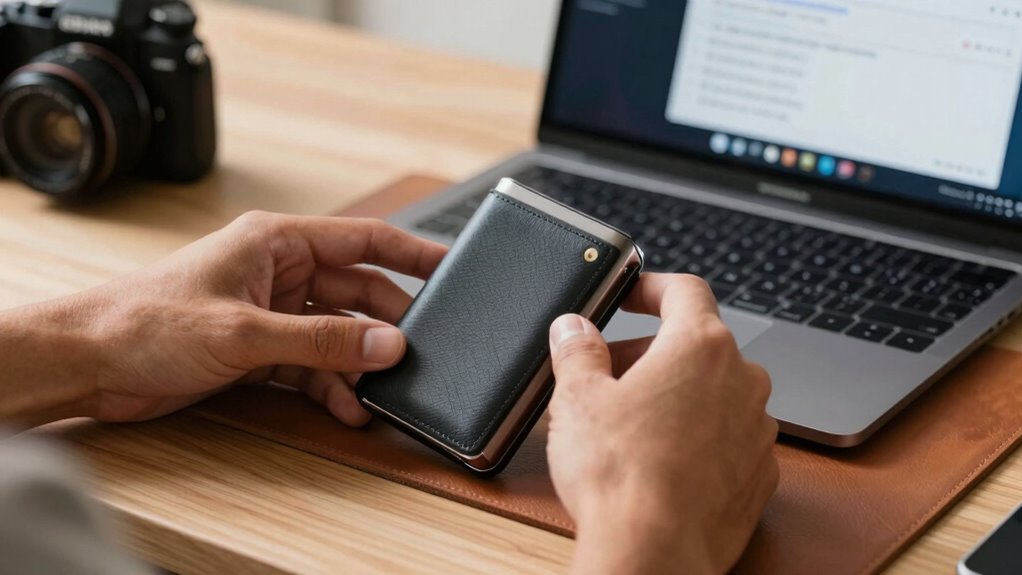
Using cold storage offers several key advantages for safeguarding your cryptocurrency assets. First, it markedly enhances digital security by keeping your private keys offline, reducing exposure to hacking attempts. Second, cold storage supports asset diversification, allowing you to spread your holdings across multiple secure wallets to minimize risk. Additionally, it provides peace of mind during market volatility, knowing your assets are protected from online threats. Here’s a quick comparison:
| Feature | Benefit |
|---|---|
| Digital Security | Protects your assets from hacks |
| Asset Diversification | Reduces risk by spreading holdings |
| Offline Storage | Eliminates online vulnerabilities |
| Long-term Preservation | Keeps assets safe over time |
Frequently Asked Questions
Can I Access My Cold Storage Assets Anytime Online?
Yes, you can access your cold storage assets online, but it depends on how you set it up. Cold storage prioritizes digital security by keeping your private keys offline, which means you need to connect to an online device when accessing your assets. This setup balances user accessibility with enhanced security, so make certain you use secure methods like hardware wallets and trusted devices to maintain control and protect your digital assets.
What Are the Costs Associated With Setting up Cold Storage?
Setting up cold storage involves initial costs like purchasing a hardware wallet, such as a Ledger, which offers robust Ledger compatibility and seed phrase security. Expect to spend around $50 to $200 depending on the device. While there’s an upfront expense, it’s a worthwhile investment for enhanced security. Keep in mind, you’ll also need to evaluate potential costs for firmware updates or additional accessories, but these are minimal compared to the security benefits.
How Often Should Metamask Users Transfer Assets to Cold Storage?
You should transfer assets to cold storage as often as necessary to stay ahead of evolving security protocols and potential threats. Regular updates guarantee your recovery procedures are current, reducing risks if your MetaMask wallet is compromised. While there’s no one-size-fits-all answer, consider moving assets whenever you acquire significant new holdings or market volatility spikes. Staying vigilant keeps your investments safe, because a stitch in time saves nine.
Are There Specific Cold Storage Devices Recommended for Metamask Users?
Yes, as a MetaMask user, you should consider reputable hardware wallets like Ledger or Trezor for cold storage. These devices prioritize private key security, keeping your assets safe from online threats. Hardware wallets store your private keys offline, reducing risks of hacking. By choosing trusted options, you guarantee that your crypto holdings are protected with enhanced security, giving you peace of mind when managing your MetaMask assets offline.
What Are Common Mistakes to Avoid When Transferring to Cold Storage?
A common mistake is rushing the transfer process, risking exposed private keys. To avoid this, always double-check your secure backup, ensuring your private key management is airtight. Never share your private keys, and verify the device’s security before transferring. Coincidences happen—like losing access due to overlooked backups—so take your time, follow best practices, and keep your assets safe by meticulously managing your private keys during cold storage transfer.
Conclusion
As more MetaMask users recognize the risks, moving assets to cold storage isn’t just smart — it might be the safest choice. Some believe that cold storage could be the key to truly protecting your crypto from hacks and thefts, especially as cyber threats evolve. So, if you want peace of mind and full control over your assets, consider making the switch. After all, safeguarding your crypto could be the best move you make today.