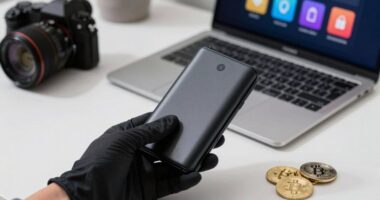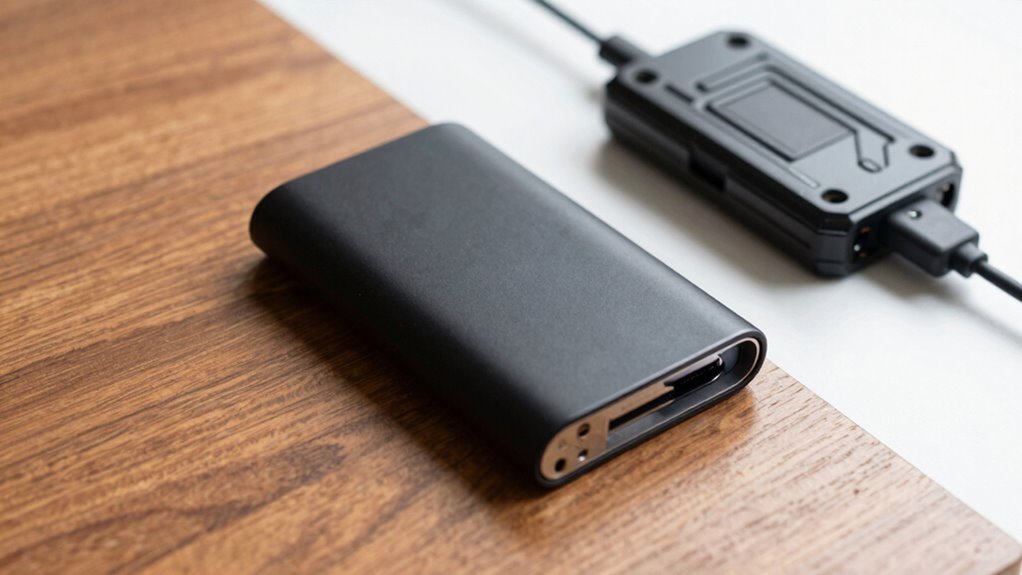

You might think air-gapped wallets are completely secure since they never connect to the internet, but they still face risks like insider threats, physical security breaches, firmware tampering, and supply chain attacks. USB wallets, meanwhile, are vulnerable to compromised components, malicious firmware, and unsafe handling. Both have unique vulnerabilities that often go unnoticed. To truly protect your assets, it’s essential to understand these security gaps—continue exploring to learn how to safeguard your crypto effectively.
Key Takeaways
- Air-gapped wallets eliminate online attack vectors by never connecting to the internet, whereas USB wallets are vulnerable through compromised connections or firmware.
- Supply chain attacks pose a significant risk to USB wallets, potentially introducing malicious hardware or firmware before use.
- Physical security and insider threats are critical for both, but air-gapped wallets rely heavily on secure storage and controlled access.
- Firmware tampering and updates are vulnerabilities for both wallet types, especially if sourced from untrusted vendors.
- Educating users on proper handling, secure updates, and supply chain trust is essential to close the security gap in both wallet types.
How Air-Gapped and USB Wallets Protect Your Crypto
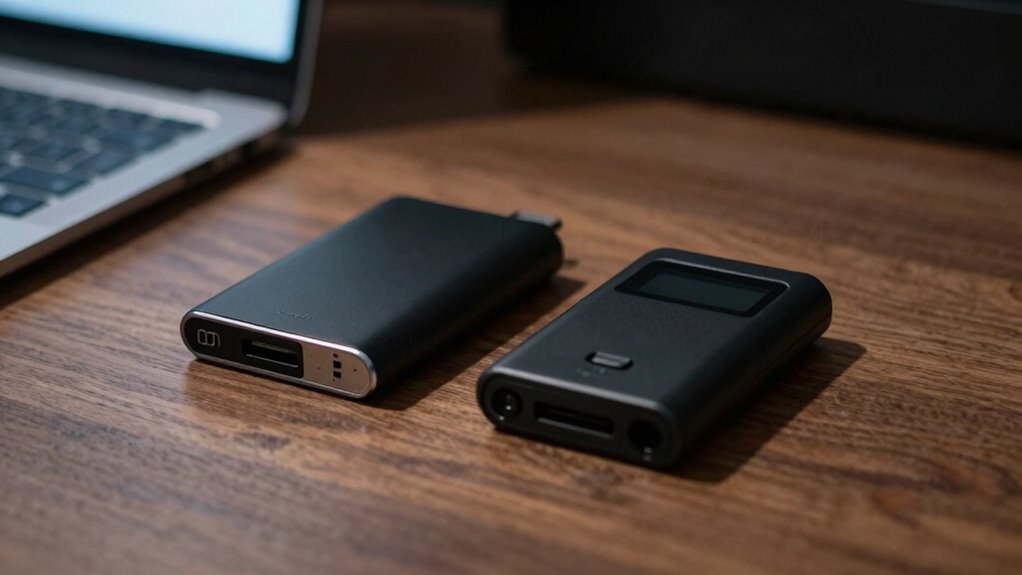
Ever wondered how different crypto wallets keep your assets safe? Both air-gapped and USB hardware wallets use physical isolation to prevent digital theft, reducing risks like hacking or malware. Air-gapped wallets never connect directly to the internet, making them highly secure against online threats. USB wallets, while connected via USB, often have built-in security features like encrypted chips to safeguard your private keys. Cryptocurrency insurance can add an extra layer of protection, covering losses from digital theft or device failure. These wallets’ physical nature means your assets rely on hardware integrity and proper storage. While no system is completely invulnerable, these wallets substantially lower your chances of losing crypto due to cyberattacks, giving you peace of mind and a stronger defense against digital theft. Additionally, understanding the importance of contrast ratio can help you better appreciate the security features and design considerations that go into creating reliable hardware wallets. Recognizing the security architecture of these devices is essential to fully grasp how they defend against various attack vectors. As technology advances, staying informed about hardware security can further improve your overall protection strategies. For example, different regions or environments may require different levels of security, which highlights the importance of regional security considerations. Furthermore, keeping up with security standards can ensure your hardware wallet remains resilient against emerging threats.
Hidden Security Gaps in Air-Gapped Wallets

Even though air-gapped wallets keep your crypto isolated, they aren’t immune to hidden security gaps. Insider threats, physical security breaches, and firmware tampering pose real risks that can compromise your assets. Recognizing these vulnerabilities helps you better protect your holdings beyond just the physical separation. For example, understanding backyard transformation essentials can inspire you to implement comprehensive security measures around your setup. Additionally, being aware of the capacity and watt-hour limits of your hardware can help prevent overloading or malfunction during critical moments. Staying informed about industry standards and best practices, such as those highlighted in reputable Gold IRA markets, can further enhance your overall security strategy. Properly securing your hardware and regularly updating firmware can also mitigate some of these risks by reducing the chance of firmware tampering. Incorporating physical security measures like safes or secure storage solutions is equally important to prevent unauthorized access.
Insider Threat Vulnerabilities
While air-gapped wallets are often considered highly secure because they’re isolated from internet-connected devices, insider threats can still pose significant risks. Someone with access to the wallet or its environment might manipulate or sabotage it, intentionally or unknowingly. Social engineering plays a big role here—an attacker could impersonate a trusted individual to gain access or persuade you to reveal sensitive information. Even if your wallet itself isn’t connected online, internal personnel, contractors, or even trusted friends could exploit their access. You might not suspect someone close, but their insider knowledge can help them bypass security measures. Staying vigilant against insider threats means controlling access, verifying identities, and being cautious about whom you trust with your wallet’s security. Additionally, understanding the horsepower of electric dirt bikes can help you appreciate the importance of physical security and power management in protecting hardware devices.
Physical Security Risks
Despite their reputation for security, air-gapped wallets can harbor hidden physical vulnerabilities that attackers might exploit. If someone gains physical access, they could attempt physical theft or tampering, especially if the device isn’t stored securely. While biometric authentication adds a layer of security, it isn’t foolproof—attackers might bypass it or manipulate the hardware. A thief with access could try to extract sensitive information directly from the device or replace components with compromised ones. Additionally, physical damage or environmental threats like fire or water can also threaten your wallet’s integrity. These vulnerabilities highlight that, despite strong digital defenses, physical security remains essential. You must guarantee your device is stored securely and protected against theft or tampering to minimize these risks.
Firmware Tampering Dangers
Firmware tampering poses a significant threat to air-gapped wallets because attackers can manipulate the device’s software without physical access. If you’re not careful during firmware updates, malicious code could be inserted, compromising your security. Attackers often exploit vulnerabilities in the supply chain, sneaking malicious firmware into devices before they reach you. Once tampered, the wallet might appear legitimate but secretly leak your private keys or allow unauthorized access. Microplastics in dust can also carry contaminants that may indirectly impact electronic devices, highlighting the importance of clean environments for sensitive equipment. Tampered firmware can bypass physical security measures and detection. Remaining vigilant about firmware integrity and sourcing devices from trusted vendors is essential to prevent these hidden security gaps.
Common Vulnerabilities in USB Hardware Wallets
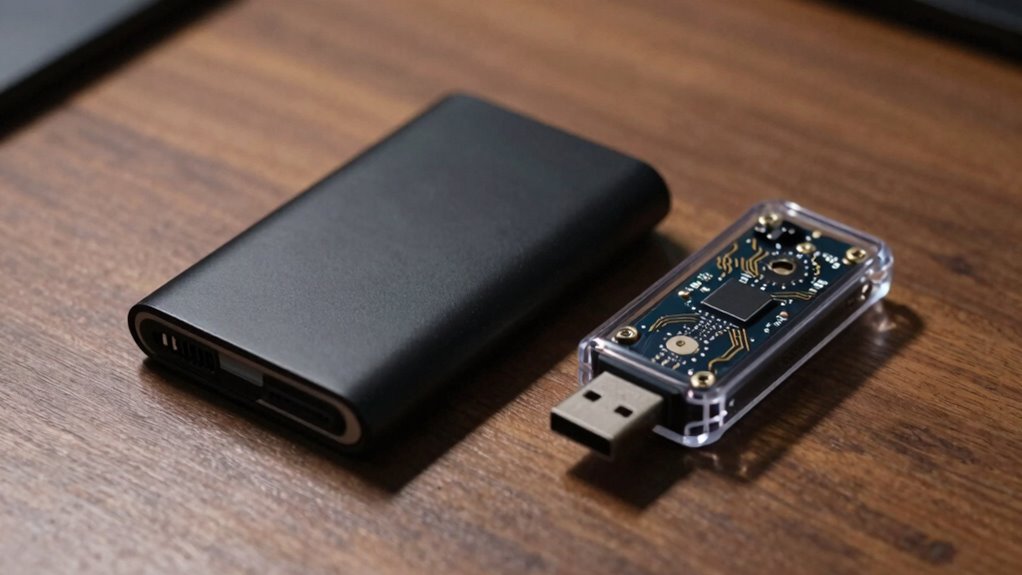
USB hardware wallets, despite their convenience, are vulnerable to a range of security flaws that can compromise your assets. One major issue is supply chain attacks, where malicious actors insert compromised components or firmware during manufacturing or distribution, making it difficult to detect tampering. Additionally, weak or poorly implemented user authentication methods can leave your wallet exposed to unauthorized access if someone gains physical control. Malware or malicious firmware can also be introduced through infected computers when you connect your wallet, enabling hackers to intercept or manipulate transactions. These vulnerabilities highlight the importance of sourcing wallets from trusted suppliers and employing strong, multi-layered authentication measures. Recognizing the significance of chain of custody can help prevent tampering and ensure the integrity of your hardware wallet. Understanding hardware security best practices is essential to mitigate these threats effectively. Without proper safeguards, your funds remain at risk from both external threats and supply chain compromises, emphasizing the need for vigilant security protocols. It is also crucial to stay informed about emerging threat vectors that could exploit overlooked vulnerabilities in hardware wallets. Staying updated on attack methods can further enhance your security posture against evolving risks.
Which Wallet Is Safer? Comparing Risks of Air-Gapped and USB Wallets
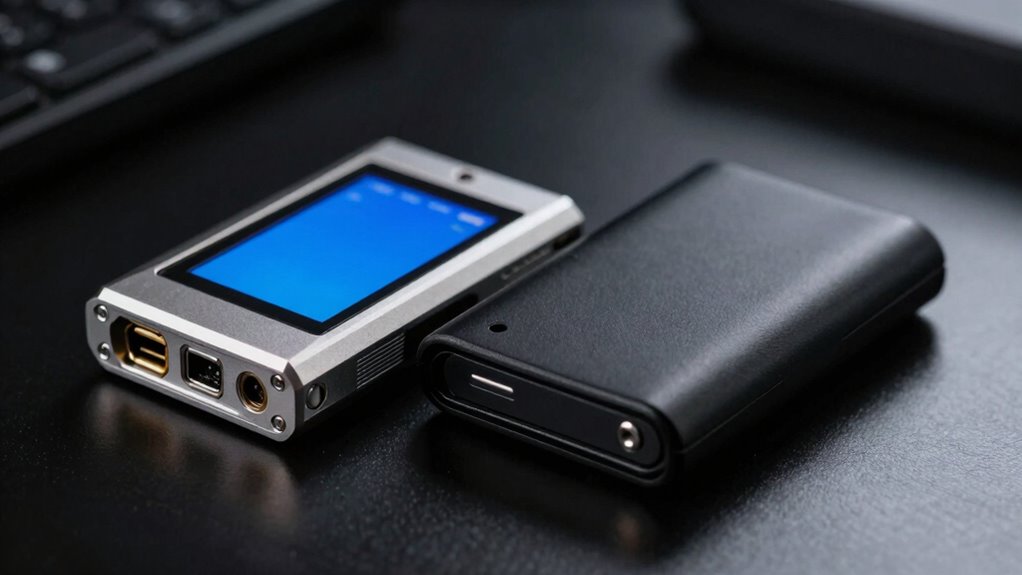
When choosing between an air-gapped and a USB hardware wallet, understanding their respective risks is essential for maintaining your security. Air-gapped wallets are less vulnerable to online attacks but depend heavily on secure supply chain practices and user education to avoid malware. USB wallets, meanwhile, face risks from compromised connections and malicious firmware updates, especially if the supply chain isn’t trusted. Your familiarity with proper handling and updates impacts security significantly.
- Supply chain integrity is crucial for both wallets to prevent tampering.
- User education reduces the chance of accidental exposure to malware.
- Physical access risks differ: air-gapped wallets rely on offline safeguards, while USB wallets need secure connection procedures.
How to Minimize Security Risks With Your Crypto Wallet
To effectively minimize security risks with your crypto wallet, you need to adopt a combination of best practices and vigilant habits. Use wallets that incorporate advanced security features like quantum encryption to protect against future threats. Be cautious of social engineering tactics—never share your private keys or recovery phrases, even if someone claims to be a support representative. Regularly update your wallet’s firmware and software to patch vulnerabilities. Keep your private keys offline and avoid storing sensitive information on internet-connected devices. Verify all transactions through secure channels. Educate yourself about emerging threats and stay alert to scams. By combining strong security measures with cautious behavior, you’ll considerably reduce the risk of losing assets due to hacking or deception. Incorporating specialized hardware can also provide an extra layer of protection against cyberattacks.
Practical Tips for Choosing the Right Crypto Wallet
Choosing the right crypto wallet is a key step in safeguarding your digital assets, especially after understanding how to minimize security risks. To make an informed decision, consider how well it aligns with cryptocurrency regulations and simplifies user onboarding. A user-friendly wallet guarantees smooth setup and ongoing use, reducing errors that could compromise security. Also, check if the wallet supports recent updates on regulations to keep your assets compliant.
Choose a user-friendly crypto wallet that complies with regulations to securely manage and protect your digital assets.
- Evaluate the wallet’s security features and how they adhere to cryptocurrency regulations
- Opt for wallets with clear, easy onboarding processes to avoid mistakes
- Consider whether the wallet supports your preferred cryptocurrencies and integrates well with exchanges
Frequently Asked Questions
Can Air-Gapped Wallets Be Hacked Remotely?
No, air-gapped wallets can’t be hacked remotely because they don’t connect to the internet. However, if someone gains physical access to your wallet, they could potentially compromise it through direct methods. To prevent remote hacking, you must keep your device isolated and never connect it to insecure networks. Remember, physical access is the real threat, so securing your wallet from tampering is essential.
Are There Specific Brands Better for Security?
Yes, some brands are better for security due to strong reputation and advanced security features. Look for brands like Ledger and Trezor, which have proven track records and robust security measures like secure elements and open-source firmware. Their reputation for transparency and regular security updates makes them safer choices. You’ll feel more confident knowing that these brands prioritize protecting your assets with reliable security features.
How Often Should I Update Wallet Firmware?
You should update your wallet firmware whenever updates are released, ideally every few months. Maintaining a consistent wallet maintenance schedule helps guarantee you’re protected against vulnerabilities. Regular firmware updates fix security flaws, improve features, and enhance compatibility. Don’t wait too long, as outdated firmware can expose you to risks. Make checking for updates a routine part of your security practices, so your wallet stays secure and functions effectively.
What’s the Best Way to Store Backup Keys Securely?
Imagine losing your wallet’s backup keys in a fire. To guarantee secure key storage, you might use a fireproof safe or split your recovery phrase into multiple parts stored separately. For cryptocurrency recovery, avoid online storage and opt for physical methods like metal seed plates or engraved backups. This way, you protect your keys from physical threats, keeping your assets safe even in emergencies.
Do Hardware Wallets Work With All Cryptocurrencies?
Hardware wallets don’t work with all cryptocurrencies, but many popular ones are supported through specific hardware compatibility and wallet integration. You need to check if your chosen hardware wallet guarantees your specific crypto assets beforehand. Most wallets integrate well with major coins like Bitcoin and Ethereum, but compatibility varies for altcoins. Always verify the supported coins list to ensure your assets are secure and accessible through your hardware wallet.
Conclusion
So, whether you’re dodging air-gaps or wrestling USB sticks, remember—your crypto’s safety is a game of hide-and-seek. You can’t just pick the “safer” option and forget it; hackers are lurking in every shadow, ready to pounce. Think of your wallet as a fortress—keep your guard up, patch those vulnerabilities, and avoid turning your security into a comedy of errors. After all, in crypto, a little paranoia goes a long way.