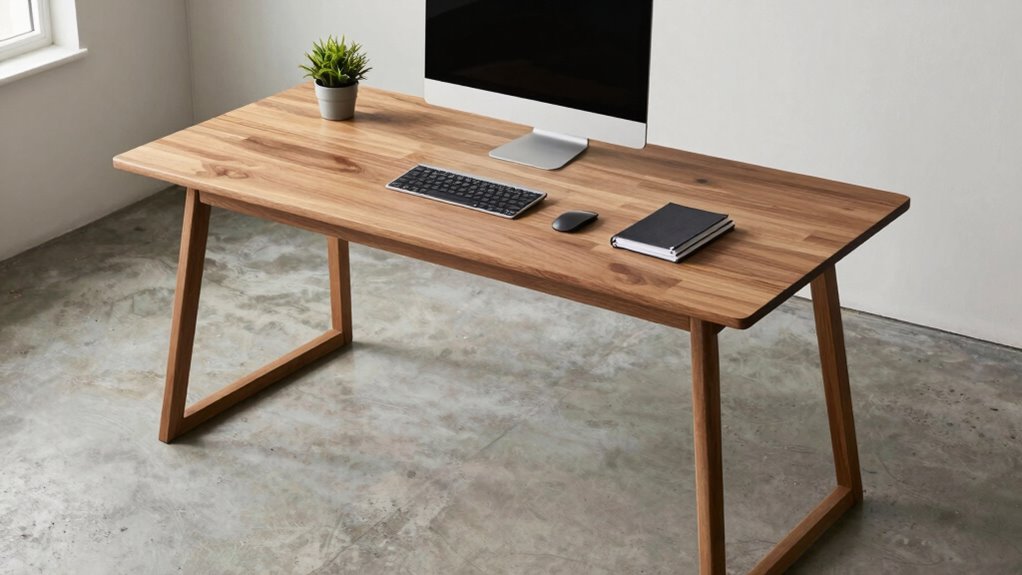

A stable desk keeps your workspace safe, organized, and ergonomically comfortable, which really matters more than fancy presets or stylish features. When your desk wobbles, it’s harder to maintain good posture and focus, leading to long-term health issues and reduced efficiency. Plus, stability prevents accidents and damage, saving you money and effort in repairs. Prioritizing a sturdy surface creates a better working environment. Keep going to discover how stability impacts your productivity and well-being even further.

Get hardware and tech essentials delivered free — and shop member deals
- Fast, free delivery on millions of items
- Access to Prime Big Deal Days deals on October 6–7
- Prime Video, Amazon Music and more included
Key Takeaways
- Stable desks ensure ergonomic support, reducing strain and preventing long-term health issues.
- Proper stability enhances work efficiency by minimizing interruptions caused by wobbling furniture.
- A solid desk foundation increases safety, reducing risks of accidents or collapsing surfaces.
- Stability promotes better organization and prevents tools or accessories from shifting or falling.
- Investing in desk stability extends the lifespan of furniture, saving costs on repairs and replacements.
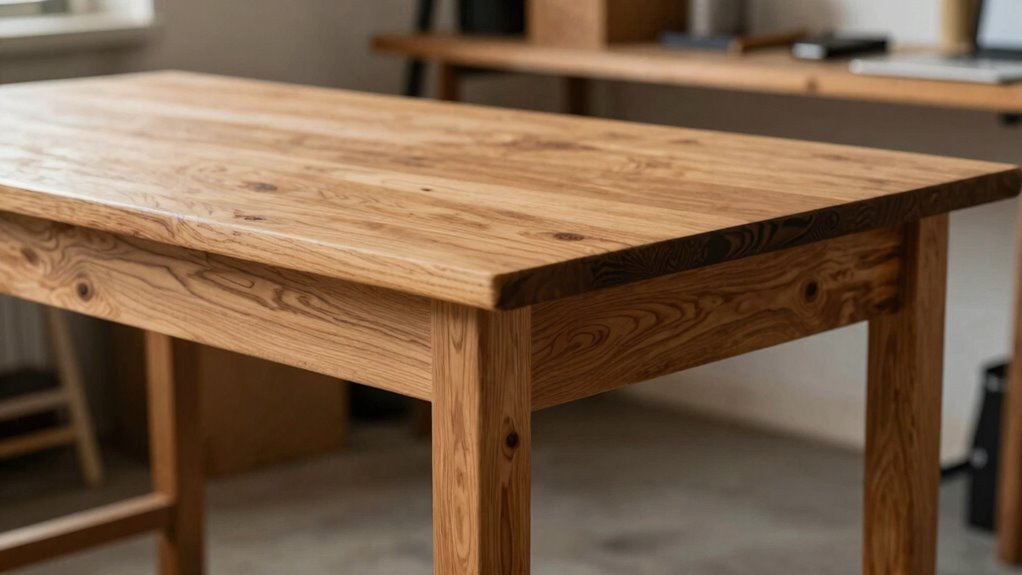
While fancy presets can make your workspace look stylish, they often overlook a crucial factor: desk stability. It’s easy to get distracted by sleek designs, bright colors, or high-tech features, but if your desk wobbles, shakes, or feels unsteady, all those aesthetic upgrades become irrelevant. Stability directly impacts your ability to work efficiently and comfortably. When your desk is solid, it provides a reliable foundation that supports ergonomic improvements, allowing you to maintain proper posture without constantly readjusting or feeling uneasy. A stable surface helps prevent strain on your neck, shoulders, and wrists, reducing fatigue and discomfort over long periods. If your desk wobbles, you’re more likely to adopt awkward positions to compensate, which can lead to long-term health issues. Additionally, desk stability is essential for creating a safe workspace, preventing accidents caused by shifting or collapsing surfaces. Ensuring your desk is properly supported and level can also extend its lifespan and maintain its appearance over time. A well-balanced desk also enhances your focus by minimizing distractions caused by movement or noise from wobbling furniture.
Clutter reduction is another critical benefit of choosing a sturdy desk. When your workspace is cluttered, it’s harder to find what you need quickly, and that chaos can contribute to feelings of stress and distraction. A well-built desk often encourages better organization since it provides a dependable platform for your accessories, papers, and tools. With a stable surface, you can set up your monitor, keyboard, and other essentials without worry that they’ll shift or fall. This stability makes it easier to implement ergonomic improvements—like adjusting your monitor to eye level or positioning your keyboard at the correct height—because everything stays in place. When your desk wobbles, you might hesitate to make these adjustments, leading to poor posture and decreased productivity. Moreover, sturdy construction is vital for ensuring long-term durability, so your investment continues to pay off over years of use. Properly supporting your workspace also reduces the likelihood of accidental damage, which can be costly and disruptive. Properly designed desks can also help reduce workspace clutter, leading to more focused and efficient work sessions.
As an affiliate, we earn on qualifying purchases.
Frequently Asked Questions
How Can I Test My Desk’s Stability Effectively?
To test your desk’s stability, start by applying gentle pressure on each corner to feel for wobbling. Use adjustment techniques like tightening screws or leveling feet. Pay attention to weight distribution—place items evenly across the surface to see if it remains steady. If it wobbles, adjust the legs or supports as needed. This simple test helps guarantee your desk is stable enough for daily use and prevents future issues.
Does Desk Stability Impact Long-Term Health?
Yes, desk stability impacts your long-term health by supporting ergonomic posture and preventing strain. An unstable desk can cause you to adjust awkwardly, leading to back, neck, or wrist pain over time. Ensuring your workspace organization includes a sturdy, balanced desk helps maintain proper posture, reducing fatigue and injury risk. Prioritizing stability promotes comfort and health, making your workspace safer and more sustainable for long-term use.
Are Certain Desk Materials More Stable Than Others?
When it comes to desk material, some are more stable than others, and it’s clear as day that solid wood and metal tend to hold up better than particleboard or plastic. Stability factors like weight, construction quality, and design influence how steady your desk stays over time. You don’t want your workspace to be a house of cards—selecting durable materials guarantees your desk remains firm and reliable, even under pressure.
How Often Should I Check My Desk’s Stability?
You should check your desk’s stability at least once a month to guarantee it remains secure and safe. Regular checks help maintain ergonomic benefits by preventing wobbling that can cause discomfort or injury. While aesthetic considerations are important, prioritizing stability ensures your workspace stays functional and safe. Tighten screws or adjust supports as needed, especially if you notice any movement or unevenness, to keep your desk steady and supportive.
Can Stability Issues Cause Equipment Damage?
A shaky desk can definitely cause equipment damage. When stability is off, vibrations increase, risking damage to sensitive gear. Proper vibration mitigation and load distribution are key to keeping everything safe. Imagine your equipment riding a roller coaster—unstable support makes the ride rough and harmful. Ensuring your desk is stable helps prevent costly repairs or replacements, giving your setup a solid foundation to work smoothly and safely.
As an affiliate, we earn on qualifying purchases.
Conclusion
Remember, a stable desk is like a sturdy foundation for your creativity—without it, even the fanciest presets fall flat. Don’t let shaky surfaces be the villain in your productivity story. Prioritize stability, and you’ll find your work becomes smoother and more satisfying. After all, isn’t a strong foundation what truly turns a house into a home? Invest in stability first, and your entire workspace—and your projects—will thank you for it.
adjustable leveling feet for desks
As an affiliate, we earn on qualifying purchases.
As an affiliate, we earn on qualifying purchases.
As an affiliate, we earn on qualifying purchases.
Halloween Picks
halloween
As an affiliate, we earn on qualifying purchases.