

You might find that complex smart contracts, clunky wallets, and confusing interfaces make using dApps frustrating and intimidating. These hurdles create a steep learning curve, discouraging you from experimenting or trusting the platform. When interactions are hard to understand, confidence drops, and you may feel lost in technical details. If you want to discover how improved UX can make blockchain easier and more accessible, keep exploring how these issues can be addressed.

Get hardware and tech essentials delivered free — and shop member deals
- Fast, free delivery on millions of items
- Access to Prime Big Deal Days deals on October 6–7
- Prime Video, Amazon Music and more included
Key Takeaways
- Complex smart contracts and technical jargon create a steep learning curve for users unfamiliar with blockchain.
- Clunky wallet interfaces and hidden transaction details hinder seamless dApp interactions.
- Fragmented user experiences across different dApps reduce ease of use and familiarity.
- Confusing transaction prompts and error messages erode user trust and confidence.
- Lack of intuitive onboarding and simplified design discourages mainstream adoption.
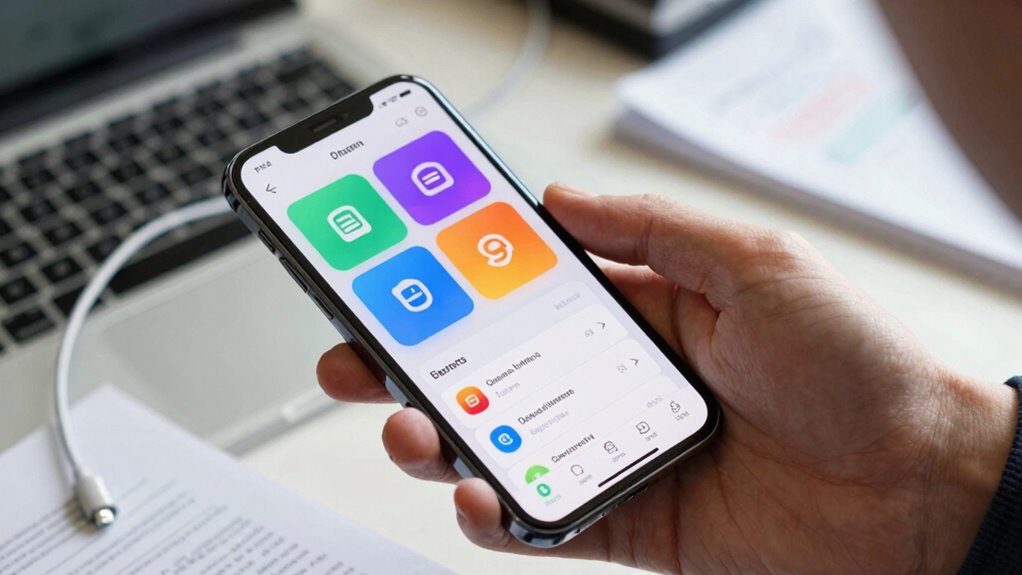
Decentralized applications (dApps) have the potential to revolutionize how we interact with technology, but their complex and often confusing user experiences are holding them back from mainstream adoption. One of the biggest hurdles is smart contract complexity. Unlike traditional apps, where interactions are straightforward, dApps rely on smart contracts—self-executing agreements that run on blockchain networks. These contracts can be intricate, requiring users to understand technical details and trust that the code will perform as expected. This complexity can intimidate newcomers who aren’t familiar with blockchain technology, making them hesitant to engage with dApps at all. Even seasoned users sometimes struggle with interpreting smart contract functions, error messages, or transaction statuses, which hampers confidence and limits usage.
Smart contract complexity and confusing interfaces hinder mainstream adoption of decentralized applications.
Alongside smart contract complexity, wallet usability presents another major obstacle. Your digital wallet is the gateway to accessing dApps, but many wallets are clunky and unintuitive. You might find yourself orchestrating confusing interfaces, struggling with private keys, or dealing with transaction confirmation prompts that seem overly technical. When wallet interactions aren’t seamless, it creates friction that discourages regular use. For example, if you need to connect your wallet every time you access a new dApp or if transaction fees are buried in obscure menus, frustration builds. Many wallets still lack user-friendly features like clear transaction histories, simple onboarding, or integrated support, which are standard in traditional apps. Improving blockchain technology security and transparency can also help alleviate some trust issues, making users more comfortable engaging with these platforms.
This combination of smart contract complexity and poor wallet usability makes the user experience feel fragmented and inaccessible. You might want to explore the benefits of dApps—like increased privacy, control over your data, or decentralized finance opportunities—but the steep learning curve keeps you on the sidelines. It’s essential for developers to focus on user experience design, making interactions more intuitive and accessible for all users. When usability improves, you’ll find it easier to experiment with new applications, understand what’s happening behind the scenes, and confidently use blockchain technology without feeling overwhelmed. Until then, the user experience remains the biggest barrier preventing dApps from reaching mainstream adoption.
user-friendly cryptocurrency wallet
As an affiliate, we earn on qualifying purchases.
As an affiliate, we earn on qualifying purchases.
Frequently Asked Questions
How Can dApps Improve User Onboarding Processes Effectively?
To improve user onboarding, focus on clear user guidance and engaging onboarding tutorials that simplify complex processes. You should provide step-by-step instructions, visual cues, and interactive elements to make onboarding intuitive. Offer concise explanations and quick demos to build confidence. By making onboarding seamless and educational, you reduce user frustration, encourage exploration, and increase retention, paving the way for mainstream adoption of your dApp.
What Are the Biggest Security Concerns Impacting User Trust in dApps?
You should be aware that smart contract vulnerabilities pose major security risks, potentially leading to fund losses and eroding user trust. Additionally, privacy concerns arise when personal data isn’t adequately protected, making users hesitant to engage. These issues can substantially impact your confidence in dApps. To improve trust, prioritize rigorous security audits, transparent privacy policies, and user education on safety practices.
How Do Cross-Platform Compatibility Issues Affect dApp Adoption?
Cross-platform compatibility challenges can considerably sabotage your dApp adoption. Interoperability issues and device fragmentation cause consistent crashes, confusing user experiences, and limited accessibility. When your dApp doesn’t seamlessly sync across smartphones, tablets, and desktops, users get frustrated and abandon efforts to engage. To enhance adoption, you must streamline your solutions by solving compatibility concerns, ensuring smooth, swift, and satisfying experiences across every device, everywhere.
What Role Does Scalability Play in Enhancing dApp User Experience?
Scalability directly enhances your dApp user experience by reducing transaction latency and ensuring smoother interactions. A layered architecture allows your dApp to handle increased user loads efficiently, preventing delays and system bottlenecks. When scalability improves, transactions process faster, and users enjoy seamless, reliable access. This boosts user satisfaction and encourages broader adoption, making your dApp more competitive in a growing ecosystem.
How Can Developers Simplify Complex Blockchain Interactions for Users?
Think of blockchain interactions as steering through a maze. To simplify this, you should design a clear user interface that guides users effortlessly through each step. Break down complex transactions into smaller, understandable parts, and guarantee transaction clarity by providing real-time updates and explanations. This way, you turn a confusing labyrinth into a straightforward path, making users feel confident and in control while interacting with your dApp.
As an affiliate, we earn on qualifying purchases.
Conclusion
Imagine the door to mainstream dApps is open, but a tangled maze of UX issues blocks your path. Until those design barriers clear, users like you remain stranded outside, eager to step in but hesitant to navigate the chaos. Simplify the journey, untangle the knots—only then can dApps truly open their gates to everyone. When clarity becomes your guiding light, the future of decentralized applications will shine bright, inviting all to step through.
As an affiliate, we earn on qualifying purchases.
As an affiliate, we earn on qualifying purchases.
Fall Picks
fall essentials
As an affiliate, we earn on qualifying purchases.