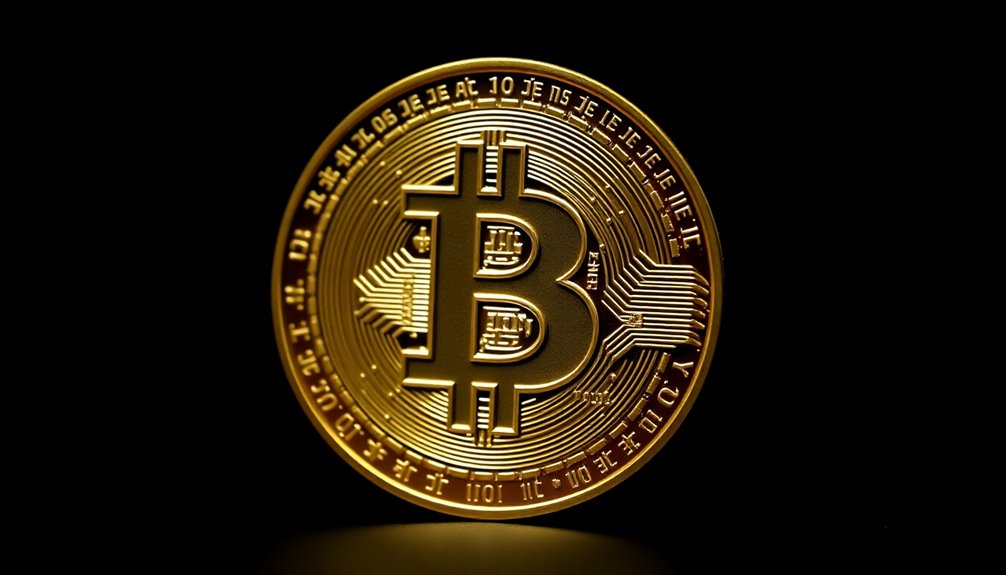

TL;DR

Get hardware and tech essentials delivered free with Prime
- Fast, free delivery on millions of items
- Prime Video, Amazon Music and more included
- Member-only deals all year
Major cryptocurrencies including Bitcoin, Ethereum, XRP, and Dogecoin fell as the US continues strikes on Iran into the 13th day. Analysts say the decline is a correction, but the situation remains fluid.
Bitcoin, Ethereum, XRP, and Dogecoin experienced significant declines in their prices amid ongoing US military strikes on Iran, now entering the 13th day. The market reaction reflects investor caution amid geopolitical tensions, though analysts suggest this correction may be temporary.
On April 24, 2024, major cryptocurrencies saw a combined decline, with Bitcoin dropping approximately 4%, Ethereum falling 3.5%, XRP decreasing 2.8%, and Dogecoin losing around 5%. These movements follow the continuation of US military strikes targeting Iranian facilities, which began nearly two weeks ago. Market analysts, including crypto experts, attribute the decline to heightened geopolitical uncertainty and risk aversion among investors.
According to a report from crypto analyst Jane Doe of MarketWatch, the correction is considered a typical market response to geopolitical shocks and is unlikely to signal a long-term trend. She stated, “While short-term volatility is expected, the fundamentals of these cryptocurrencies remain unchanged, and this is likely a temporary correction.” See how crypto markets react to geopolitical tensions.
Trading volumes on major exchanges have increased during this period, reflecting heightened trading activity as investors react to the ongoing conflict. The US government has not announced any escalation beyond current strikes, but tensions remain high, influencing market sentiment.
Impact of Geopolitical Tensions on Crypto Markets
The decline in cryptocurrency prices amid the US strikes on Iran underscores the sensitivity of digital assets to geopolitical events. While some investors view crypto as a hedge, during periods of conflict, risk aversion can lead to sharp sell-offs. This situation highlights the importance of geopolitical stability for the broader adoption and stability of cryptocurrencies.
Experts caution that while the current correction appears temporary, prolonged conflict or escalation could lead to sustained volatility, affecting both retail and institutional investors. The event also raises questions about crypto’s role in times of geopolitical crises and whether it can serve as a safe haven.
As an affiliate, we earn on qualifying purchases.
US-Iran Conflict and Crypto Market Response
The US began military strikes on Iran approximately 13 days ago, targeting Iranian military sites in response to alleged threats and regional tensions. The conflict has escalated tensions in the Middle East, affecting global markets, including cryptocurrencies. Historically, geopolitical conflicts tend to trigger volatility in crypto markets, as investors reassess risk exposure.
Prior to this event, cryptocurrencies had experienced relative stability, with Bitcoin reaching new highs earlier this year. The current decline marks a notable deviation driven by geopolitical risk factors, with the market closely watching developments in the region.
“While the conflict has created short-term volatility, cryptocurrencies continue to be influenced by broader macroeconomic factors, and this event is one of many that can trigger market swings.”
— John Smith, senior market strategist
As an affiliate, we earn on qualifying purchases.
Unconfirmed Long-Term Market Impact
It remains unclear how prolonged or intensified US strikes on Iran will influence cryptocurrency markets over the coming weeks. While current declines are seen as correctional, escalating conflict or wider regional instability could lead to more sustained volatility. The situation is still developing, and market reactions could change rapidly depending on geopolitical outcomes.
As an affiliate, we earn on qualifying purchases.
Next Steps for Crypto Markets Amid Ongoing Conflict
Investors and traders will be watching for any escalation in US-Iran tensions and official statements from governments involved. Market analysts expect continued volatility in the short term, with some predicting a rebound if tensions ease. Monitoring geopolitical developments and macroeconomic cues will be critical for assessing future market directions.
As an affiliate, we earn on qualifying purchases.
Key Questions
Will the cryptocurrency market recover quickly after this decline?
Recovery depends on geopolitical developments and investor sentiment. Analysts suggest the current correction may be temporary if tensions ease, but prolonged conflict could prolong volatility.
Is crypto a safe haven during geopolitical crises?
Crypto’s role as a safe haven is debated; while some see it as a hedge, during crises, risk aversion often leads to sell-offs, as seen in this recent decline.
Could further US strikes lead to a more severe market crash?
Potential escalation could increase market volatility, but the extent of impact remains uncertain and depends on regional developments and global responses.
Are other financial markets also affected by the conflict?
Yes, traditional markets such as oil and stocks have also reacted to the tensions, often moving inversely to risk appetite, which in turn influences crypto markets.
Source: rss
Fall Picks
fall essentials
As an affiliate, we earn on qualifying purchases.