
TL;DR

Get hardware and tech essentials delivered free with Prime
- Fast, free delivery on millions of items
- Prime Video, Amazon Music and more included
- Member-only deals all year
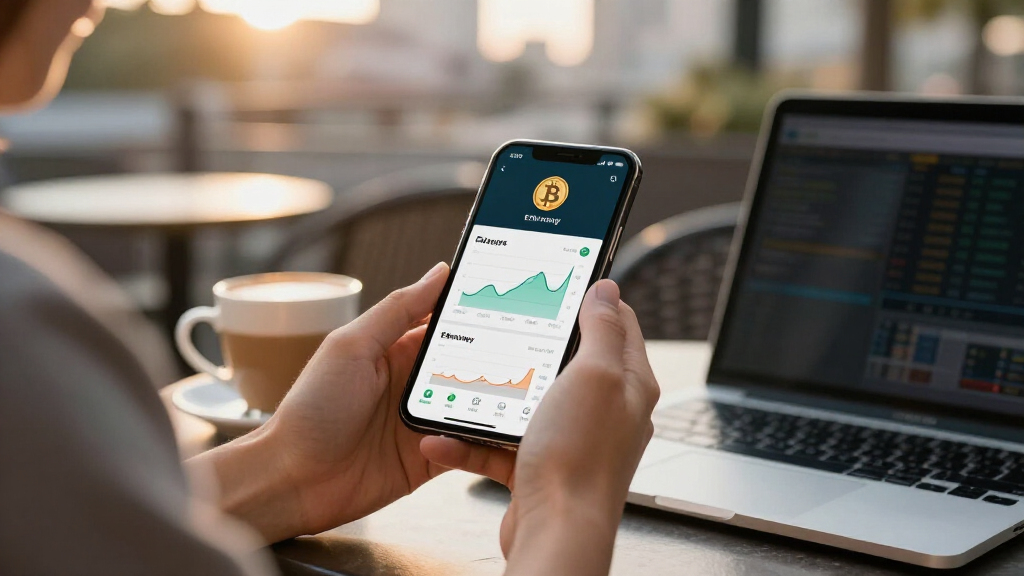
Bitcoin and Ethereum prices fell sharply today amid rising geopolitical tensions involving Iran. The decline reflects market sensitivity to international conflict risks, though specific causes remain unconfirmed. Investors are closely watching Bitcoin and Ethereum prices today for signs of further volatility. This movement underscores ongoing volatility in the crypto sector linked to global events.
Cryptocurrency markets experienced a notable decline today, with Bitcoin and Ethereum prices dropping sharply amid escalating geopolitical tensions involving Iran. The decline is attributed to increased market anxiety over potential conflict escalation, though officials have not confirmed a direct link to Iran’s actions. The market reaction underscores the sensitivity of crypto assets to international security developments, making this a key moment for investors monitoring crypto today.
As of midday on September 2, 2026, Bitcoin traded at approximately $42,300, down nearly 8% from the previous day’s close, while Ethereum fell to around $2,850, reflecting a decline of about 9%. The drop follows reports of renewed tensions in the Middle East, specifically related to Iran’s recent military movements and diplomatic statements, which have heightened fears of potential conflict escalation.
Market analysts suggest that the crypto sector is reacting to what they describe as a ‘risk-off’ environment, where investors seek safety amid geopolitical uncertainty. While no official confirmation links the price movements directly to Iran’s actions, the timing coincides with increased media coverage and social media chatter about potential escalation. The broader crypto market, including altcoins, also experienced declines, indicating widespread risk aversion among traders.
Impact of Geopolitical Tensions on Crypto Markets
The recent decline in Bitcoin and Ethereum prices highlights how sensitive digital assets remain to geopolitical developments. This situation demonstrates that, despite their decentralization, cryptocurrencies are still influenced by global political events, especially conflicts that threaten economic stability. For investors, this underscores the importance of monitoring international tensions as part of risk management strategies. The decline also raises questions about crypto’s role as a safe haven during geopolitical crises, a debate that has gained renewed attention amid this volatility.
hardware wallet for Bitcoin and Ethereum
As an affiliate, we earn on qualifying purchases.
As an affiliate, we earn on qualifying purchases.
Recent Trends and Rising Market Anxiety
Cryptocurrency markets have been increasingly reactive to global events over the past year, with recent episodes showing heightened volatility during international crises. The current situation with Iran is part of a broader pattern where geopolitical tensions—such as conflicts, sanctions, or diplomatic disputes—trigger sharp price swings. Historically, crypto assets have demonstrated both resilience and vulnerability during such periods, with some investors viewing them as hedges, while others see them as risk assets subject to market sentiment. The current spike in coverage and social media discussions about Iran’s military activities appears to have amplified market reactions, though details remain unconfirmed.
As an affiliate, we earn on qualifying purchases.
Unconfirmed Links Between Iran Tensions and Price Drop
It remains unclear whether the recent declines in Bitcoin and Ethereum are directly caused by Iran’s military activities or are primarily driven by broader market sentiment. Official statements from geopolitical authorities have not explicitly linked the conflict to cryptocurrency markets, and some analysts suggest that other factors, such as macroeconomic trends or profit-taking, may also be contributing. The exact trigger for the sharp decline is still under investigation, and market participants are awaiting further developments.
cryptocurrency price tracker device
As an affiliate, we earn on qualifying purchases.
As an affiliate, we earn on qualifying purchases.
Monitoring Developments and Market Reactions
Investors and analysts will closely watch Iran’s diplomatic statements, military movements, and international responses for signs of escalation or de-escalation. Market participants are likely to remain cautious until more clarity emerges, which could lead to further volatility. Additionally, traders will monitor technical levels and support zones for Bitcoin and Ethereum to gauge potential rebound or continued decline. The coming days will be critical in determining whether the current dip is a short-term reaction or part of a longer-term trend.
As an affiliate, we earn on qualifying purchases.
Key Questions
Are Bitcoin and Ethereum expected to recover soon?
It is uncertain. Recovery will depend on geopolitical developments, market sentiment, and broader macroeconomic factors. Investors should remain cautious and monitor official updates.
There is no official confirmation linking Iran’s actions directly to the crypto market decline. The timing suggests a possible connection, but causality has not been established.
Should I consider cryptocurrencies as safe during geopolitical crises?
Cryptocurrencies are still influenced by global events and can be volatile during crises. They are not guaranteed safe havens, and investors should consider their risk tolerance.
What factors besides geopolitics could be affecting prices today?
Broader macroeconomic trends, profit-taking, market liquidity, and technical trading levels could also be influencing current price movements.
Source: rss
Halloween Picks
halloween
As an affiliate, we earn on qualifying purchases.