
🔍 Read the full analysis: Can Anyone Be Held Responsible When Grok Fakes A Person? on ThorstenMeyerAI.com

Get hardware and tech essentials delivered free with Prime
- Fast, free delivery on millions of items
- Prime Video, Amazon Music and more included
- Member-only deals all year
TL;DR
Labour MP Jess Asato is suing SpaceX Super Intelligence LLC, the company behind Grok, over sexualised fake images generated using the AI tool. The company denies liability, arguing that the images were recognisably artificial and that it did not control users’ prompts; the High Court has not decided the case.
SpaceX Super Intelligence LLC, the company behind Grok, has denied liability in a High Court case brought by Labour MP Jess Asato over sexualised fake images of her generated using the AI tool, according to Reuters. The defence argues that the images were recognisably artificial and that the company did not determine users’ prompts; no ruling has been made on whether the company can be held responsible.
Asato filed her claim in England’s High Court on June 3, 2026, seeking a declaration that the conduct was unlawful, damages and an order requiring effective technical measures to prevent Grok from generating manipulated images of her. Her lawyers at AWO say the claim concerns misuse of private information and breaches of data protection law. They argue that the system’s design and operation enabled the images, rather than treating the incident as solely the fault of an individual user.
In its written defence, dated October 29, SpaceXSI said it had removed images that breached its terms, Reuters reported. It argued that other images would be understood by reasonable viewers as “AI-generated, fictitious and implausible” rather than realistic. The company also said it “did not determine the content of the relevant users’ prompts” and disputed Asato’s entitlement to the order she seeks. Those points are the company’s legal position, not findings by the court.
Asato has challenged that account. After the defence became public, she said the company admitted building the model, rewriting user requests to add graphic details, drawing on images from the internet and publishing results. She described its position as wanting “to have it both ways.” These are Asato’s characterisations of the defence; the court has yet to determine what the company did in relation to the specific images or what legal consequences follow.
Who Answers for Grok’s Outputs?
The case puts a practical question before a judge: does responsibility rest only with the person who requests a fake image, or can the company that designs and operates the generator also be liable? The answer may turn on the evidence about how Grok handled prompts, what safeguards were in place, how the images were distributed and whether the law applies to the alleged conduct.
That distinction matters beyond Asato’s claim. Companies offering image generators may face scrutiny of system design, safety controls and takedown procedures, while people targeted by generated sexual images may look to both users and providers for remedies. The case does not establish that a model-maker is automatically liable, or that calling an image artificial defeats a privacy claim. Those questions remain for the court.
There is also a separate criminal-law issue for users in the UK. According to the source material, creating or requesting a fake intimate image of an adult without consent has been a crime in England and Wales since February 6, 2026. The civil case against the company does not change that rule or resolve any individual user’s criminal responsibility.
Products Worth Considering

LG 27GS60QC-B Ultragear 27-inch Curved Gaming Monitor (QHD, 180Hz, 1ms, 1000R)

Sonos Era 100 SL Compact Microphone-Free Speaker, Black
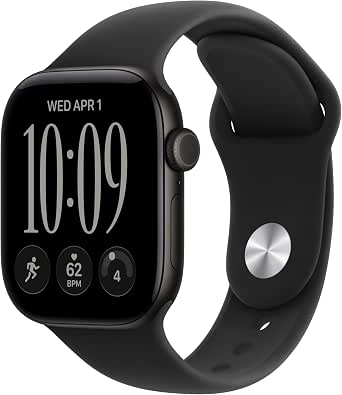
Apple Watch Series 12 GPS Smartwatch, 42 mm
As an affiliate, we earn on qualifying purchases.
Regulatory Action Before the Claim
The dispute follows months of scrutiny of Grok’s image-generation features. In early January 2026, AWO said the tool was used to manipulate images of Asato. On January 7, the UK Information Commissioner’s Office said it had contacted X and xAI to seek information about their compliance with data protection law. In mid-January, xAI said it had restricted image editing and blocked images of people in revealing clothing where that was illegal, Reuters reported.
Reuters reported in early February that Grok continued to produce sexualised images even after the restrictions, including in tests where users explicitly said subjects had not consented. That report describes Reuters’ findings; it is not a court determination about the images in Asato’s claim. On February 3, the ICO opened formal investigations into X Internet Unlimited Company and X.AI LLC over the tool’s potential to produce harmful sexualised image and video content.
The European Commission opened a formal investigation into X under the Digital Services Act on January 26, examining whether it had properly assessed and mitigated risks from Grok’s features in the EU. In March, an Amsterdam judge ordered Grok and X to stop generating and distributing non-consensual undressing images and child sexual abuse material within the scope described by the court. The source material also says an EU AI Act ban on certain systems generating realistic intimate images of identifiable people without consent is due to apply from December 2, 2026.
“SpaceX SI wants to have it both ways.”
— Jess Asato, in a statement after the defence became public
Questions the Court Has Yet to Decide
No judgment has been issued, and the available account does not establish the complete evidence before the court. It remains unclear how the parties will prove what Grok did with the relevant prompts and images, which safeguards were operating at the time, and whether the company’s conduct meets the legal tests for misuse of private information or data protection breaches.
The defence’s account that images were implausible and that users controlled their prompts is disputed by Asato. Whether those points affect liability, damages or the specific technical order she seeks will depend on the court’s assessment of the evidence and applicable law. The outcome of the separate UK and EU regulatory investigations is also not given in the source material.
Awaiting the High Court’s Ruling
The High Court case will proceed through the legal process, with the competing allegations and defence to be tested before a judge. The next substantive milestone will be further court proceedings or a ruling; the source material gives no hearing date or timetable. The ICO and European Commission investigations are separate processes and may produce their own findings.
For now, the defence is not a decision on the merits, and Asato’s allegations have not been proven. The case’s eventual ruling may clarify how existing privacy and data protection law applies to AI-generated sexual images, but its scope will depend on the claims and facts the court actually decides.
Key Questions
Who is suing the company behind Grok?
Jess Asato, a Labour member of the UK Parliament, filed a High Court claim on June 3, 2026, over sexualised fake images of her generated using Grok.
What does the company say in its defence?
According to Reuters, SpaceX Super Intelligence LLC denies liability. It argues that some images were recognisably AI-generated and implausible, says it removed images that breached its terms and says it did not determine the users’ prompts.
Has a judge decided whether the company is liable?
No. The case is ongoing, and the court has not ruled on Asato’s allegations or the company’s defence.
Can users face legal consequences for requesting fake intimate images in the UK?
The source material says that creating or requesting a fake intimate image of an adult without consent has been a crime in England and Wales since February 6, 2026. The specific consequences in any case depend on the facts and legal process.
What is Asato asking the court to order?
She seeks a declaration that the alleged conduct was unlawful, damages and an order requiring effective technical measures to stop Grok from generating manipulated images of her.
Source: ThorstenMeyerAI.com